A pinhead-sized clump of human brain tissue has stayed alive in a Harvard lab for more than 5 years — the longest-living organ ever grown outside a body.
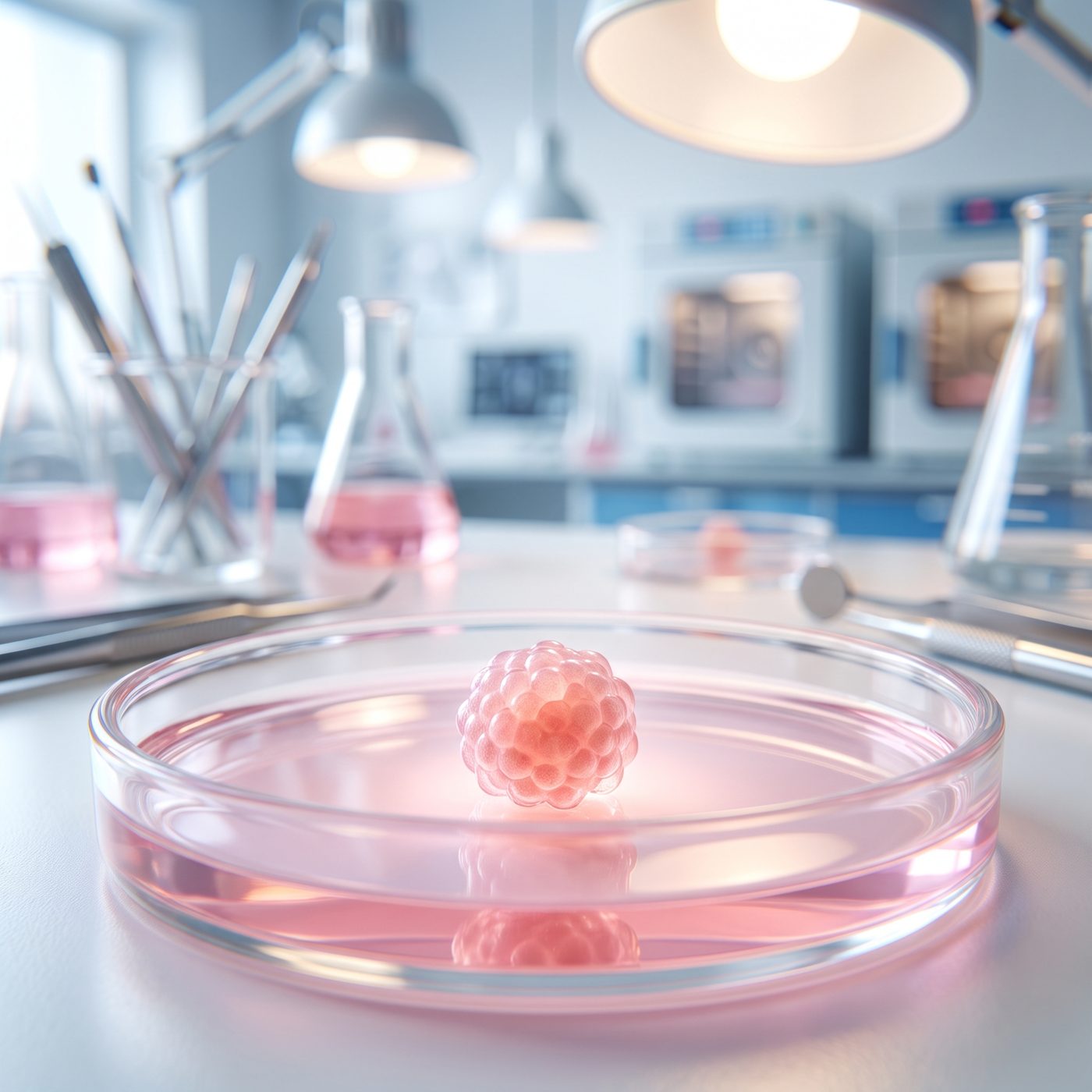 ILLUSTRATION · AI
Harvard researchers have kept peppercorn-sized clumps of lab-grown human brain tissue alive and developing for more than five years, roughly three times longer than any organ previously grown outside a body.
A clump of human cerebral-cortex tissue no bigger than a peppercorn has been kept alive in a Harvard laboratory for more than five years — long enough to make it the longest-lived organ ever grown outside a body. Each of these organoids holds on the order of a million cortical cells, and rather than simply surviving, they kept maturing, following a developmental schedule that looks strikingly like the one a real human brain runs during its first years of life.
The work was led by Paola Arlotta of Harvard University and the Broad Institute, and published in *Nature* on August 19, 2026, with Irene Faravelli, Noelia Antón-Bolaños and colleagues as lead authors. The Broad Institute described the achievement as sustaining the tissue "three times longer than the previous record" — a nod to the roughly 694-day mark set by earlier organoid work. An NIH news release on the same paper noted the cultures were maintained for nearly six years.
How you grow a brain in a dish for five years
A cerebral organoid starts from human stem cells coaxed to organize themselves into the layered architecture of the cortex. The hard part has never been making one; it has been keeping one alive long enough to see what it becomes. Most organoids stall or die within months, partly because the cells at the center starve without a blood supply to deliver oxygen and nutrients.
What makes the Arlotta team's result more than a longevity stunt is the molecular time series they built alongside it. By sampling the tissue repeatedly across years and tracking gene expression cell by cell, Faravelli and Antón-Bolaños showed that the organoids were not frozen in an early state. They advanced through the same broad phases a fetal and infant cortex passes through — early neurons giving way to more mature cell types, and the appearance of astrocytes, the support cells that show up later in real brain development. The title of the paper says it plainly: the organoids "record the passage of time over multiple years."
Why the exact age is worth arguing about
The peer-reviewed molecular record — the part with the gene-expression data behind it — extends to about five years. You may see the figure "seven years" attached to this work; that comes from lab accounts of individual cultures still being kept alive, not from the tracked developmental time series in the *Nature* paper. It is a distinction worth holding onto, because it marks the line between what has been documented and what is simply still sitting in an incubator.
That gap points to the deeper open question. A developmental clock that keeps ticking for years means these organoids may finally reach maturation stages that shorter-lived cultures never touched, which is precisely why researchers want them: to study late-appearing features of the human brain, and the disorders that emerge with them, in living human tissue rather than in a mouse.
But an organoid is not a brain. It has no blood supply, no sensory input, no body, and nothing resembling the organized circuitry that would support experience. Nobody in Arlotta's group claims otherwise. The unsettled terrain is what happens as these cultures push further into developmental time than anyone has managed before — how mature the tissue can actually become, whether it stays a useful model of the human cortex or drifts into something the field has no vocabulary for yet, and where, exactly, the ethical line sits for a maturing piece of human brain that keeps aging in a dish.
For now the record stands at a peppercorn that has been alive, and growing up, for half a decade — and the researchers themselves seem more interested in what year six and seven will reveal than in the milestone already logged.
More facts
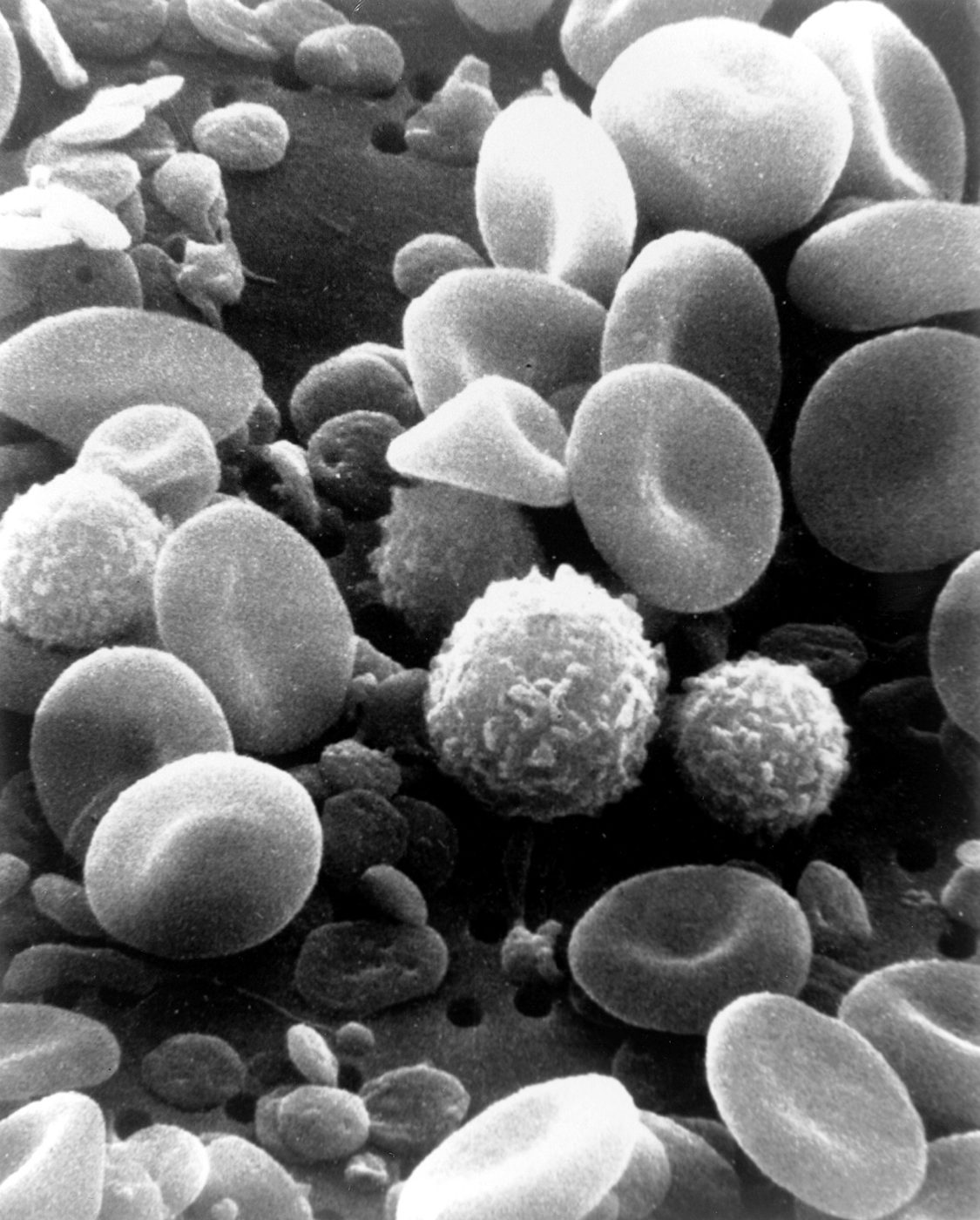
In a healthy person, a red blood cell usually survives for about 120 days, a 2023 review notes. Mature human red blood cells also have no nucleus.
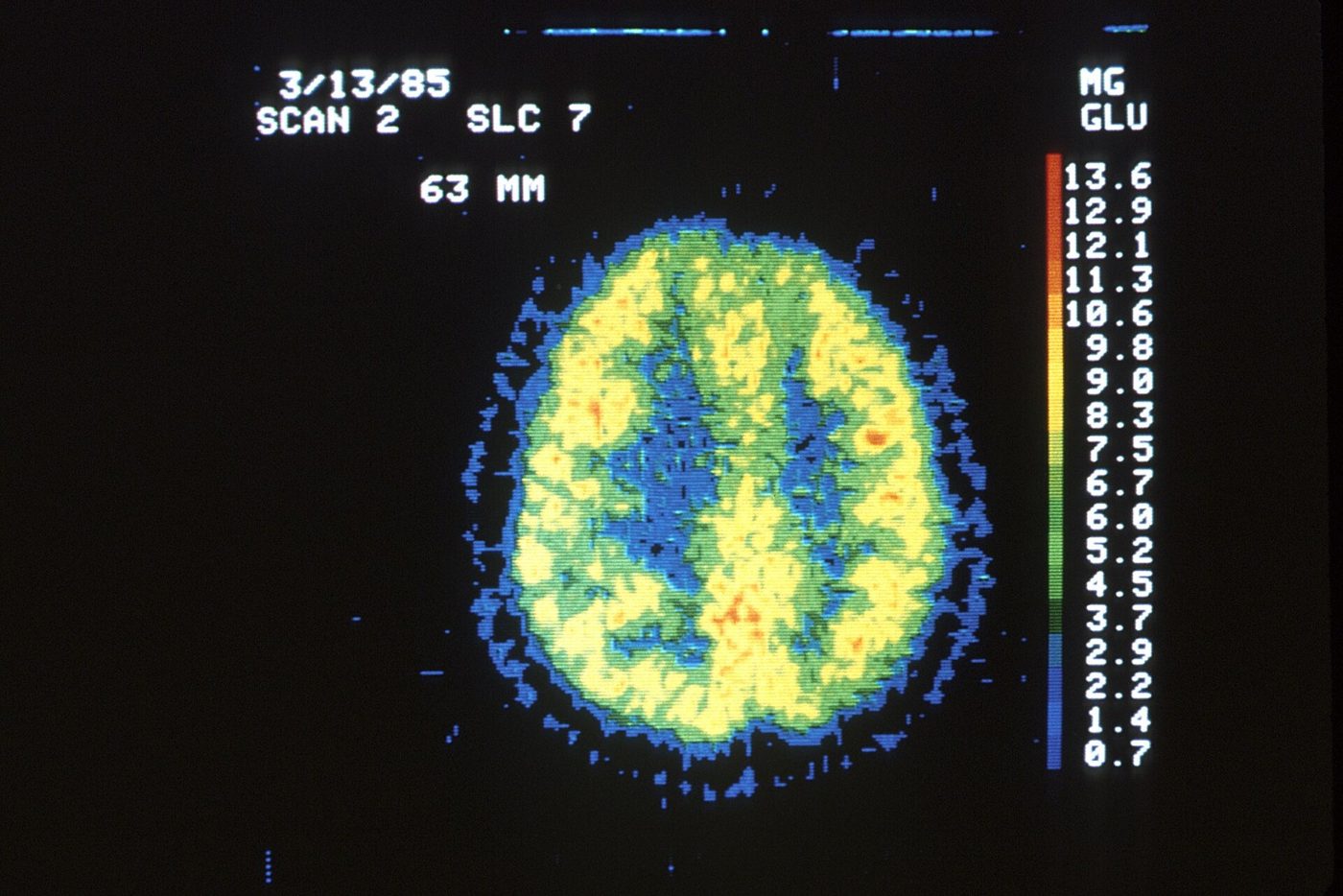
In the average adult at rest, the brain is only about 2% of body weight, yet it uses about 20% of the oxygen and calories the body consumes.