A tiger named Jaipur weighed 423 kg — 932 lb, heavier than a grand piano, the largest tiger ever recorded in captivity.
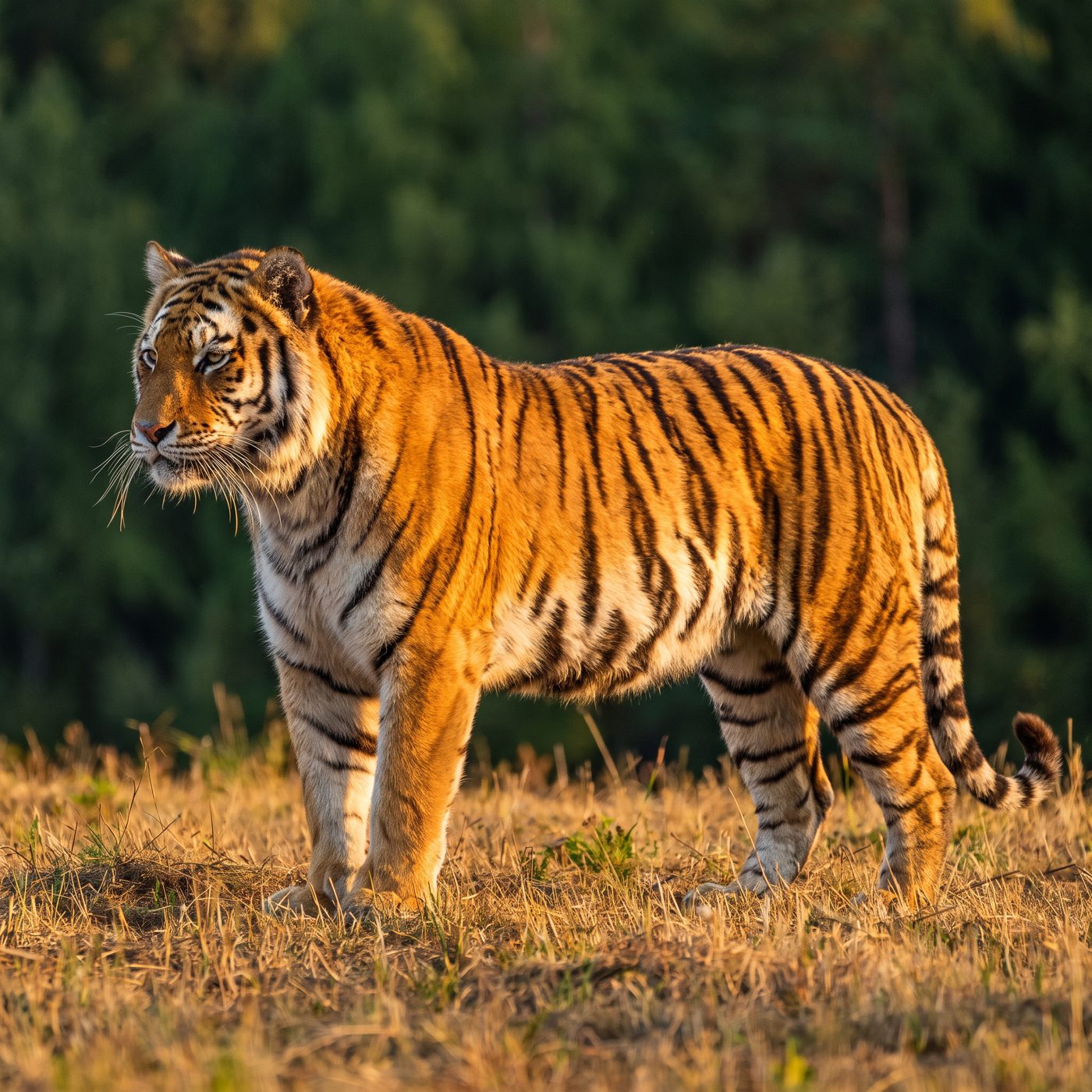 ILLUSTRATION · AI
A captive Siberian tiger named Jaipur weighed 423 kilograms (932 pounds) in 1986 — the largest tiger ever recorded in captivity.
In 1986, a nine-year-old Siberian tiger named Jaipur stretched 3.32 meters — 10 feet 11 inches — from his nose to the tip of his tail, and tipped the scales at 423 kilograms, or 932 pounds. That's heavier than a concert grand piano, and it makes Jaipur the largest tiger ever recorded in captivity, according to Guinness World Records.
He belonged to the American animal trainer Joan Byron-Marasek, who kept a compound of tigers in Jackson Township, New Jersey. To picture the animal properly, note the shoulder height: Discovery UK, restating the Guinness figures in 2022, puts Jaipur at about 1.25 meters at the shoulder — roughly waist-high on an adult standing beside him, before you account for the head, which on a big male Siberian is the size of a serving platter.
Why "in captivity" is the part that matters
The qualifier isn't a technicality — it's what keeps the record honest. Guinness lists Jaipur specifically as the largest tiger *in captivity*, and on the same page it points to wild animals that complicate any claim to the outright title. A Bengal tiger shot in Uttar Pradesh, India, in 1967 weighed around 389 kilograms — but its stomach was full, which inflates a carcass weight considerably. The record also nods to older, unconfirmed reports of wild tigers in the 384-to-400-kilogram range, the kind of colonial-era hunting accounts that were rarely weighed on anything you'd trust.
That's why a careful version of this fact reads "largest in captivity." Jaipur was measured alive, in a controlled setting, at a known age. The wild giants come to us secondhand, often as trophies, often with a last meal still inside them. Comparing the two directly would be comparing a documented measurement to a fireside story.
There's even a small wrinkle within the documented record. Guinness gives Jaipur's weight as 423 kilograms; Discovery UK's 2022 write-up, drawing on the same source, lists 418.2 kilograms. The gap is under five kilograms — a rounding artifact or a difference in the reported figure, not a disagreement about the animal. Either number lands him well past any other captive tiger on the books.
How a captive tiger grows this large
Size like Jaipur's isn't magic; it's biology plus abundance. Siberian (Amur) tigers are the largest of the tiger subspecies, built for the cold of the Russian Far East, where a heavier body holds heat better. A wild Amur male spends enormous energy hunting across a home range that can run hundreds of square kilometers, and it eats when it can, not when it wants.
A captive animal like Jaipur faced neither problem. Fed reliably, spared the caloric cost of the hunt, and living past the age where many wild tigers are killed or starve, he reached a mass the wild rarely permits. Nine years old is prime adulthood for a male tiger — old enough to be fully grown, young enough to still carry peak muscle. That's the window in which he was measured.
The seam worth sitting with is the one the record itself leaves open. Jaipur is the largest tiger we can actually *verify* — measured, dated, attributed to a named owner in a named place. But the biggest tigers that ever lived may have died in a forest with no scale in sight, their weights recorded, if at all, by hunters with reasons to exaggerate. Numinous can tell you the largest tiger on record. Whether it was the largest tiger that ever existed is a question the record politely declines to answer.
More facts
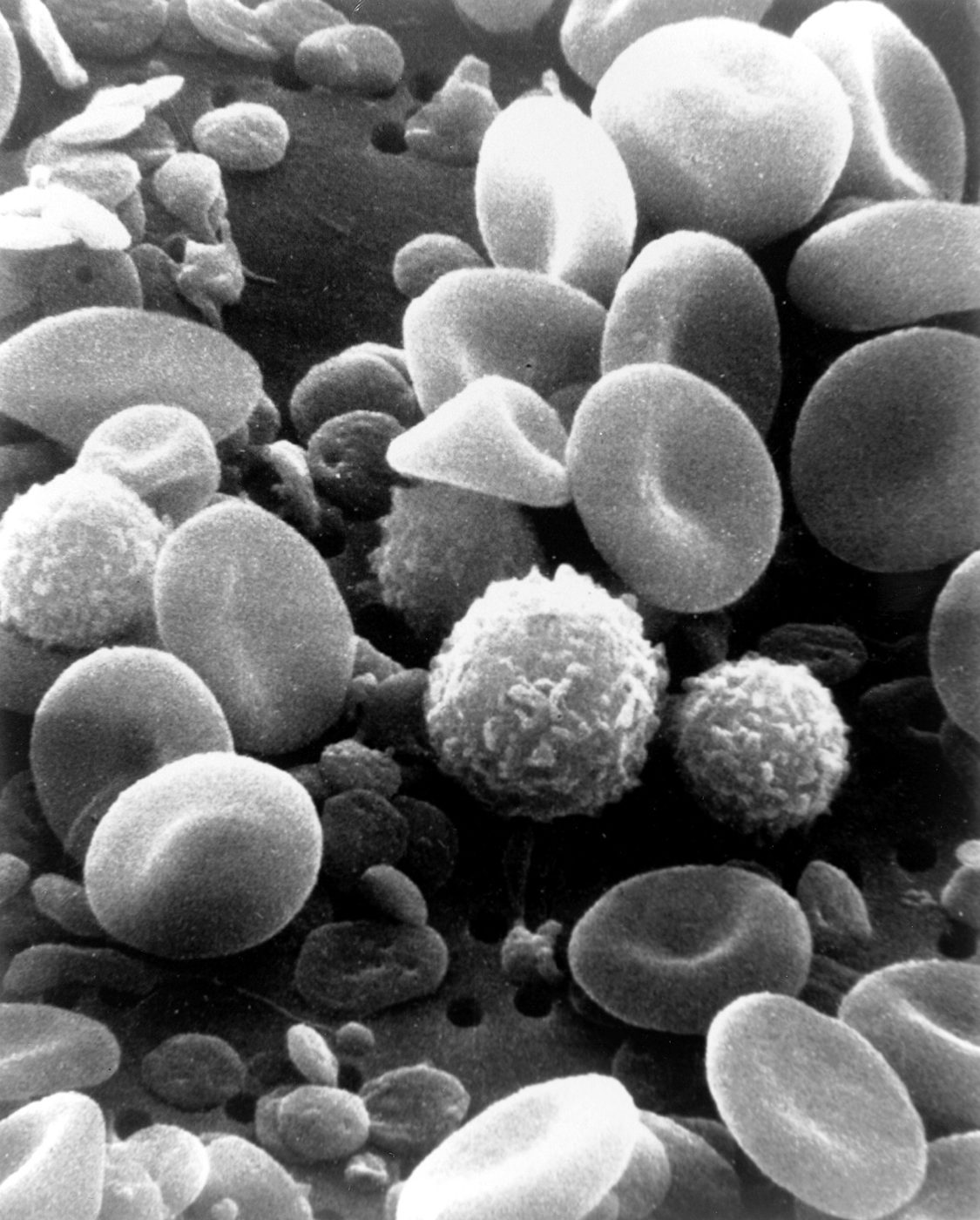
In a healthy person, a red blood cell usually survives for about 120 days, a 2023 review notes. Mature human red blood cells also have no nucleus.
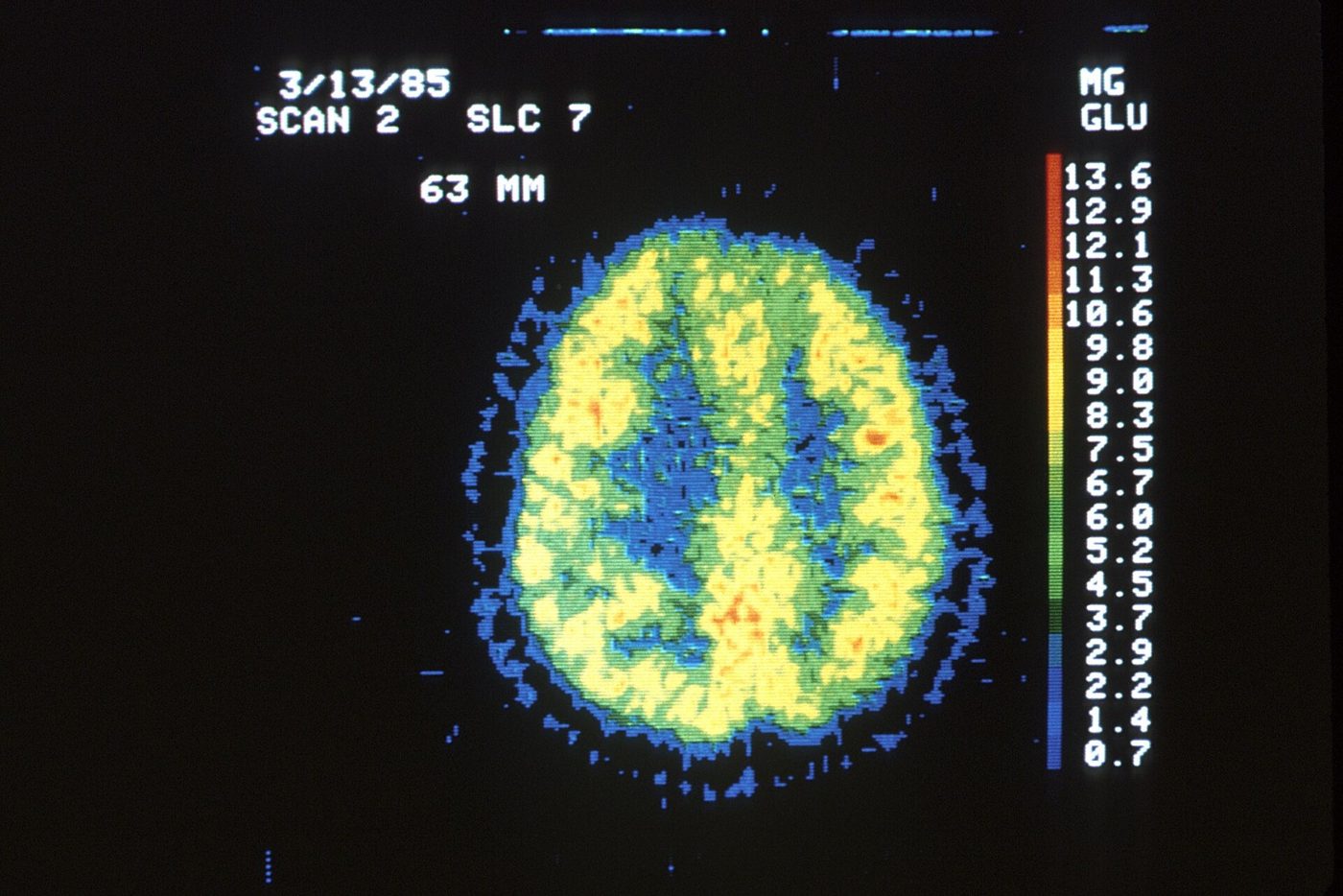
In the average adult at rest, the brain is only about 2% of body weight, yet it uses about 20% of the oxygen and calories the body consumes.