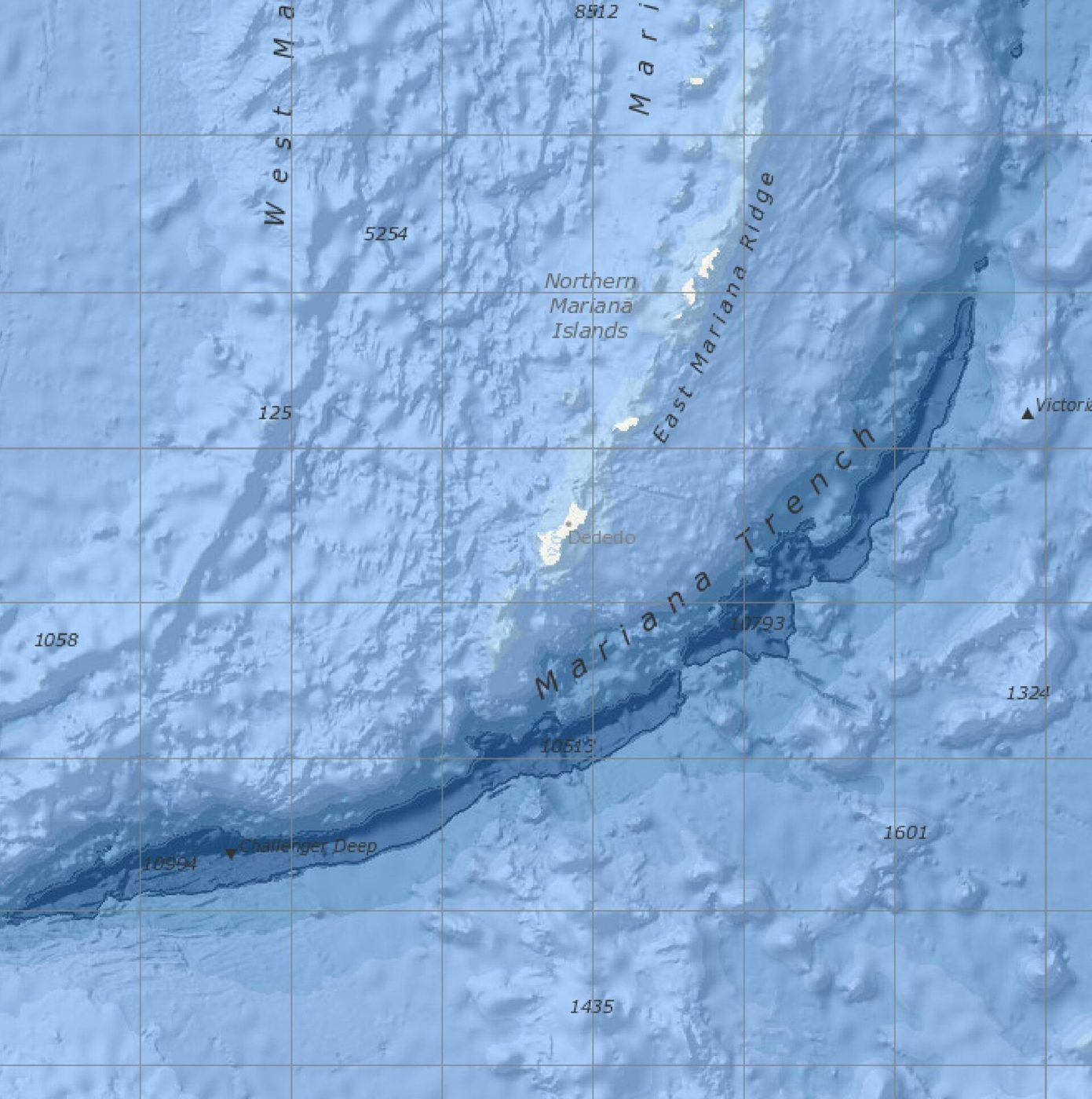
Antarctica's ice is so heavy it has pressed the bedrock nearly 1 kilometer down into the mantle. Strip the ice away, and the continent would keep rising for 10,000+ years.
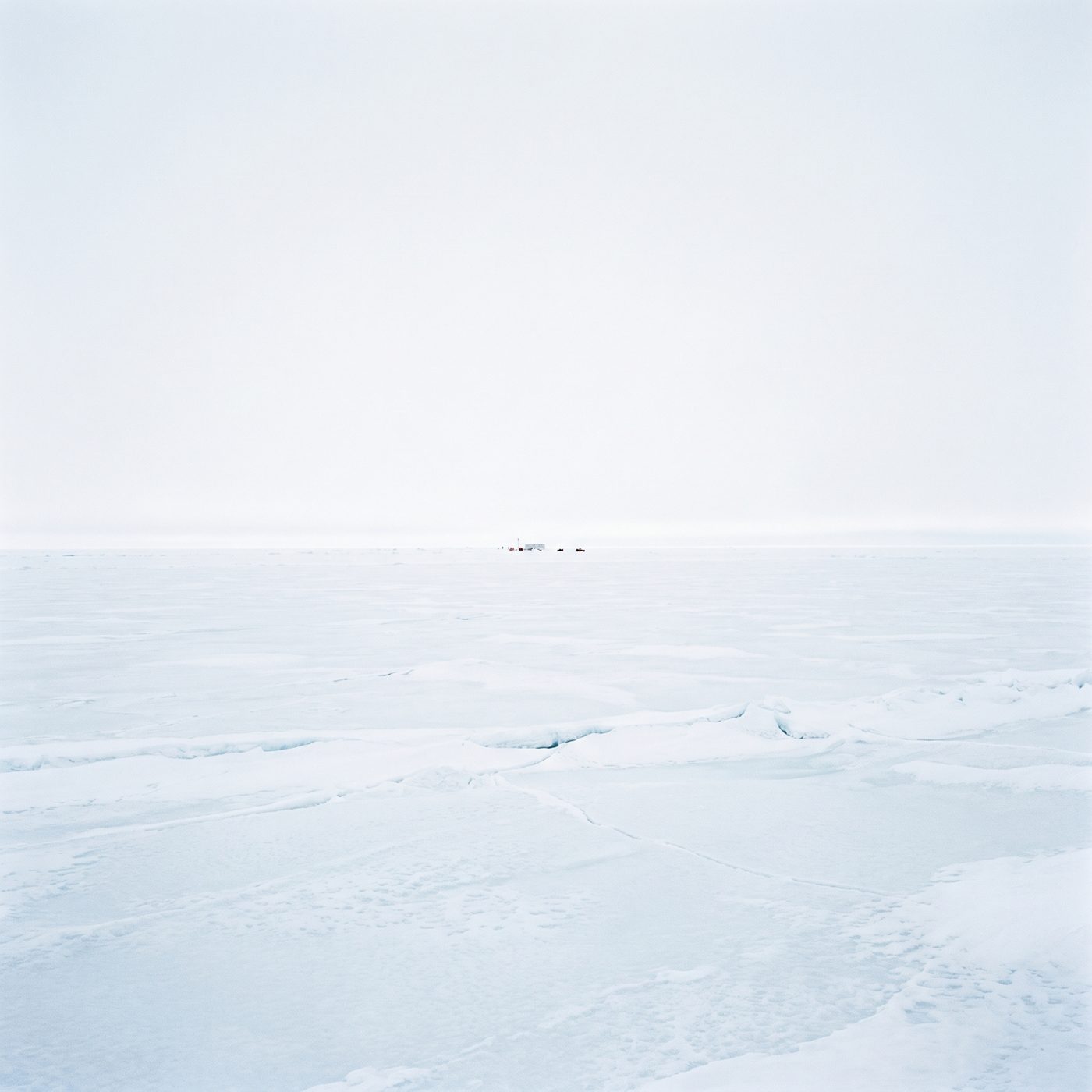 ILLUSTRATION · AI
The weight of Antarctica's ice pushes the rock beneath it hundreds of meters into Earth's mantle — and if the ice vanished, the land would keep rising for more than 10,000 years.
Antarctica's ice sheet is so massive that it has literally dented the planet. Across large stretches of the continent, the sheer weight of ice — up to a few kilometers thick — has pressed the underlying bedrock down by as much as about a kilometer into the soft, slow-flowing mantle below. This isn't a metaphor for pressure. It's a measurable deformation of Earth's crust, and it would take the land thousands of years to recover if the ice ever left.
The reason the depression isn't uniform is that the ice isn't uniform. It piles up thickest in the deep interior basins and thins toward the coast, so the crust sags most where the load is heaviest. That's why the honest phrasing is 'up to about a kilometer,' not a single flat number.
Why the ice pushes the rock down
Earth's crust floats on the mantle much the way a boat sits in water: add cargo, and it settles lower; remove cargo, and it bobs back up. Geologists call this isostasy. Ice is heavy — roughly 900 kilograms per cubic meter, stacked kilometers deep over an entire continent — so it acts as an enormous, long-lived weight. Under that load, the mantle beneath slowly flows aside, and the crust rides down with it.
The rebound is slow because the mantle behaves like a stiff, viscous fluid over geological timescales. When ice is removed, the crust doesn't snap back; it creeps upward over millennia. This is the same process still lifting parts of Scandinavia and Canada today, tens of thousands of years after the last great ice sheets melted from those regions.
How we know the crust is still moving
The depth of Antarctica's buried bedrock came into sharper focus with work led by Mathieu Morlighem and colleagues, published in Nature Geoscience in 2020, which mapped deep glacial troughs and hidden ridges beneath the ice sheet's margins — revealing just how far below sea level much of the rock actually sits, weighed down and carved out beneath kilometers of ice.
The rebound side of the story was measured directly. In 2018, Valentina Barletta and colleagues reported in Science that GPS instruments planted on rock in the Amundsen Sea Embayment recorded the ground rising surprisingly fast — several centimeters a year in places where ice has recently thinned. That uplift was quicker than expected, suggesting the mantle beneath West Antarctica is warmer and more fluid than assumed, letting the crust respond in years rather than millennia.
The part still up for argument
Barletta's team argued that this fast rebound could actually help stabilize the ice sheet: as the bedrock rises, it can lift grounding lines back toward the sea surface and slow the runaway retreat that worries glaciologists most. That's a hopeful wrinkle in an otherwise grim story about West Antarctica.
But how much stabilization, and how fast, depends on the mantle's viscosity — a property that varies from region to region and is genuinely hard to pin down beneath thousands of meters of ice. That uncertainty is where the science is still being fought over. What isn't in dispute is the basic fact: a continent's worth of ice has bent the crust of the Earth, and that crust, once relieved, would go on rising long after every human alive today is gone.
More facts
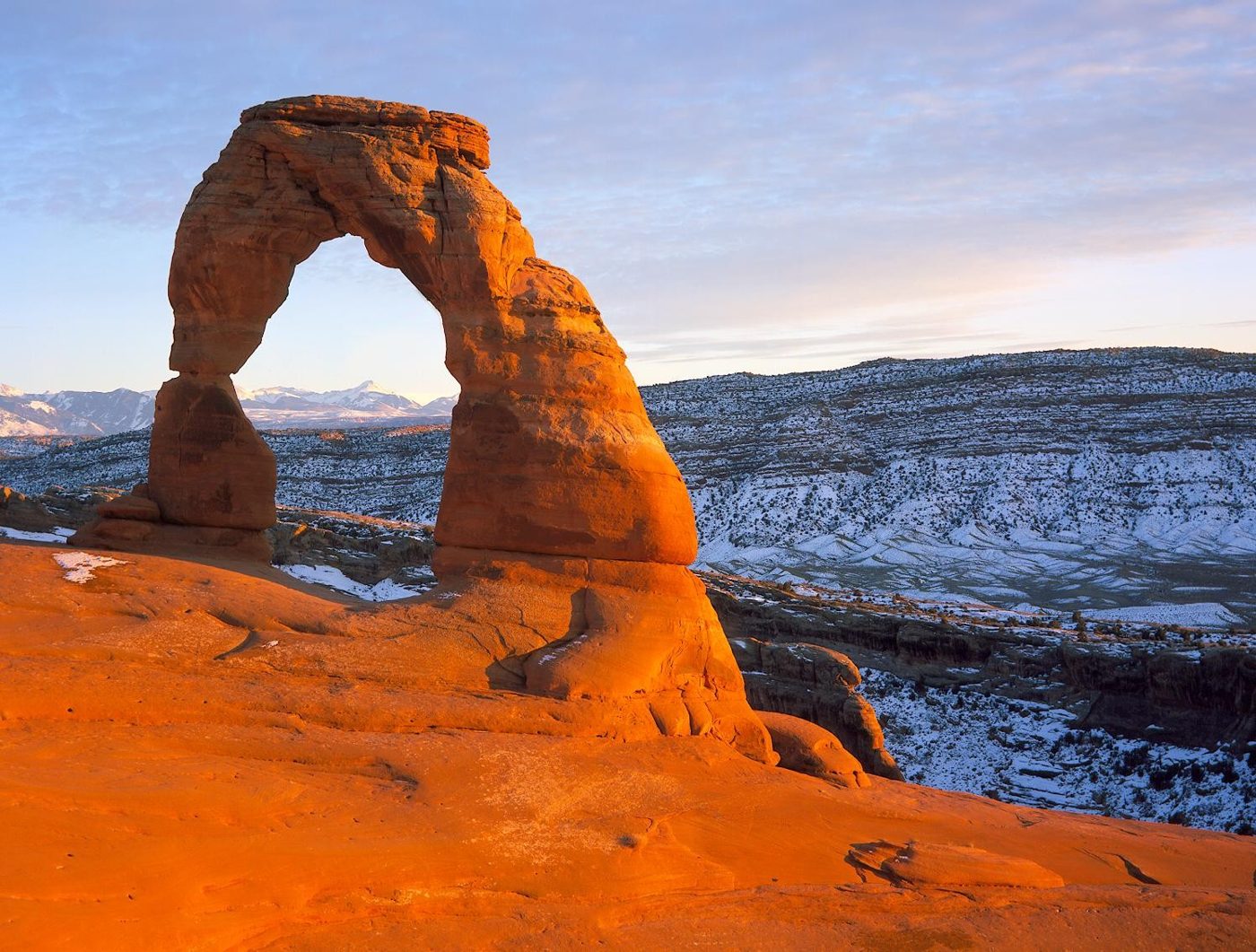
Arches National Park in Utah has over 2,000 documented natural stone arches, from sliver-thin cracks to spans greater than 300 feet, the National Park Service says.
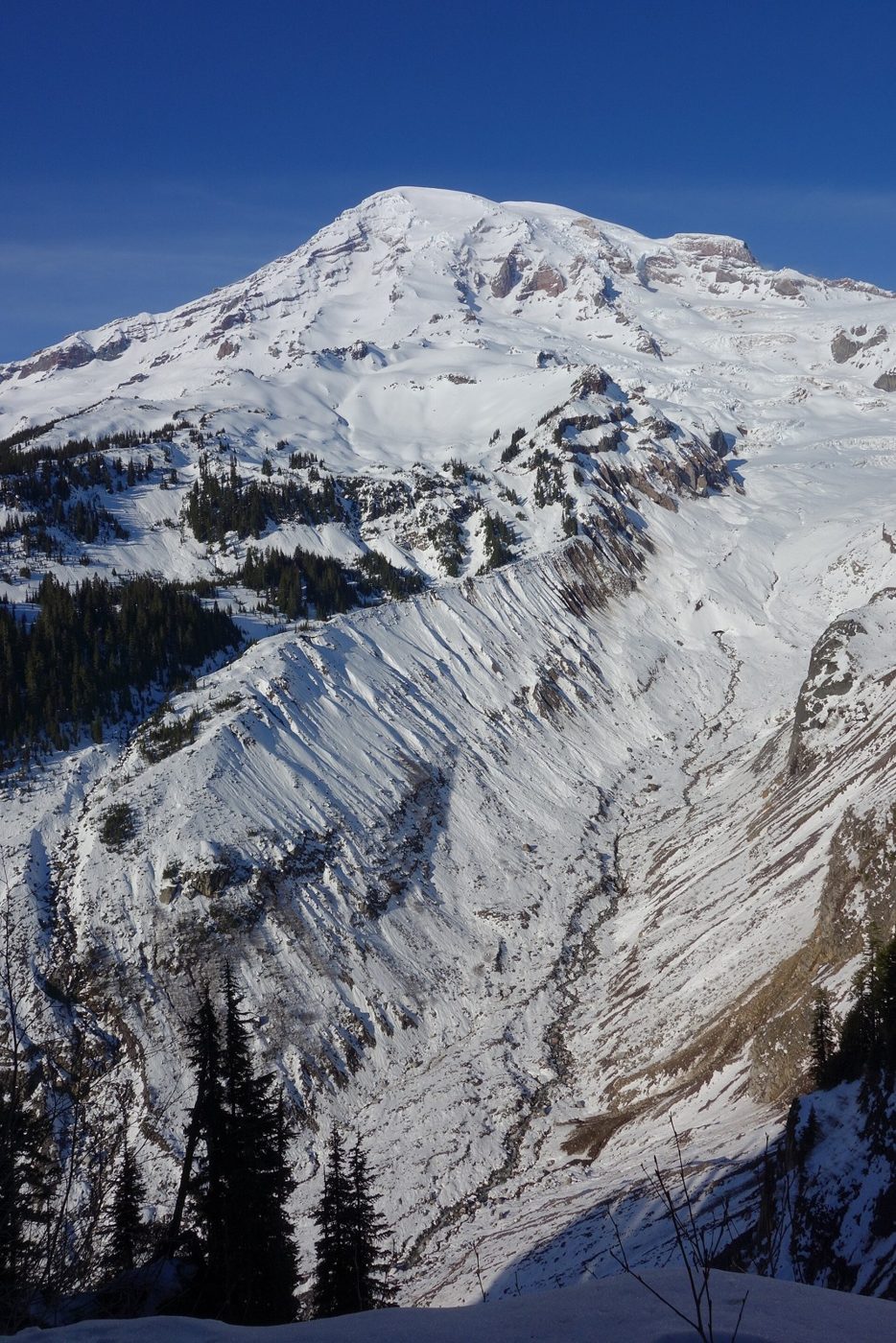
Mount Rainier carries 28 major glaciers. Together with its smaller snow and ice patches, they cover about 30 square miles and feed five major river systems.