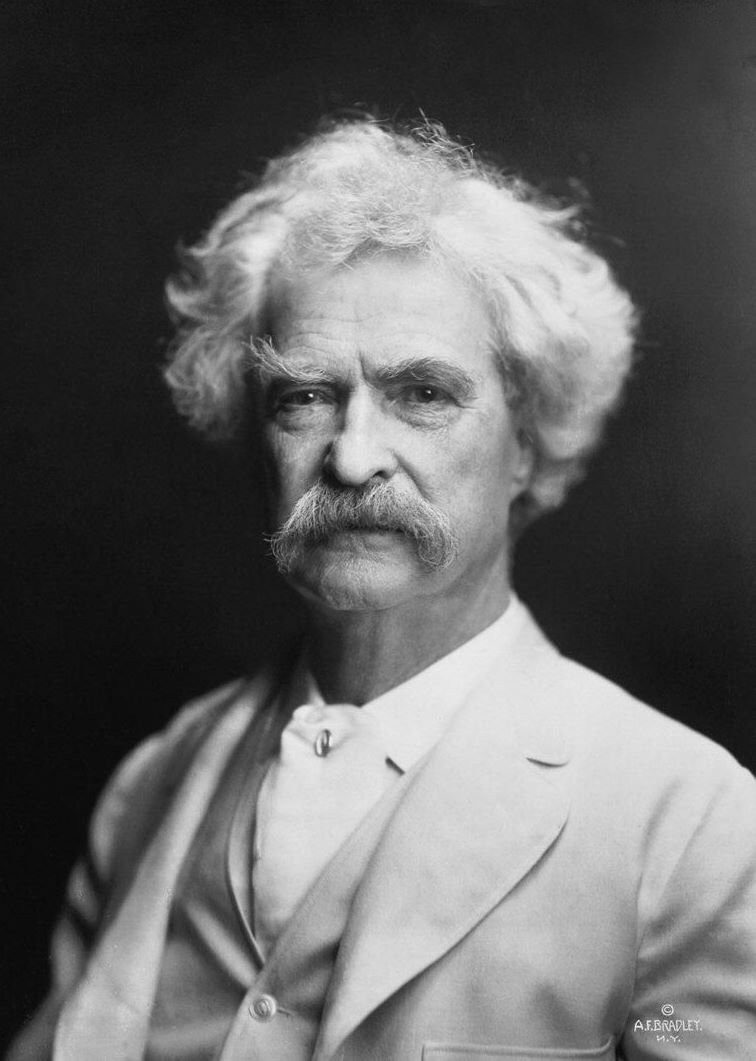
Before the platinum records, Tupac Shakur handwrote 72 poems as a teenager — printed in his own handwriting in 1999.
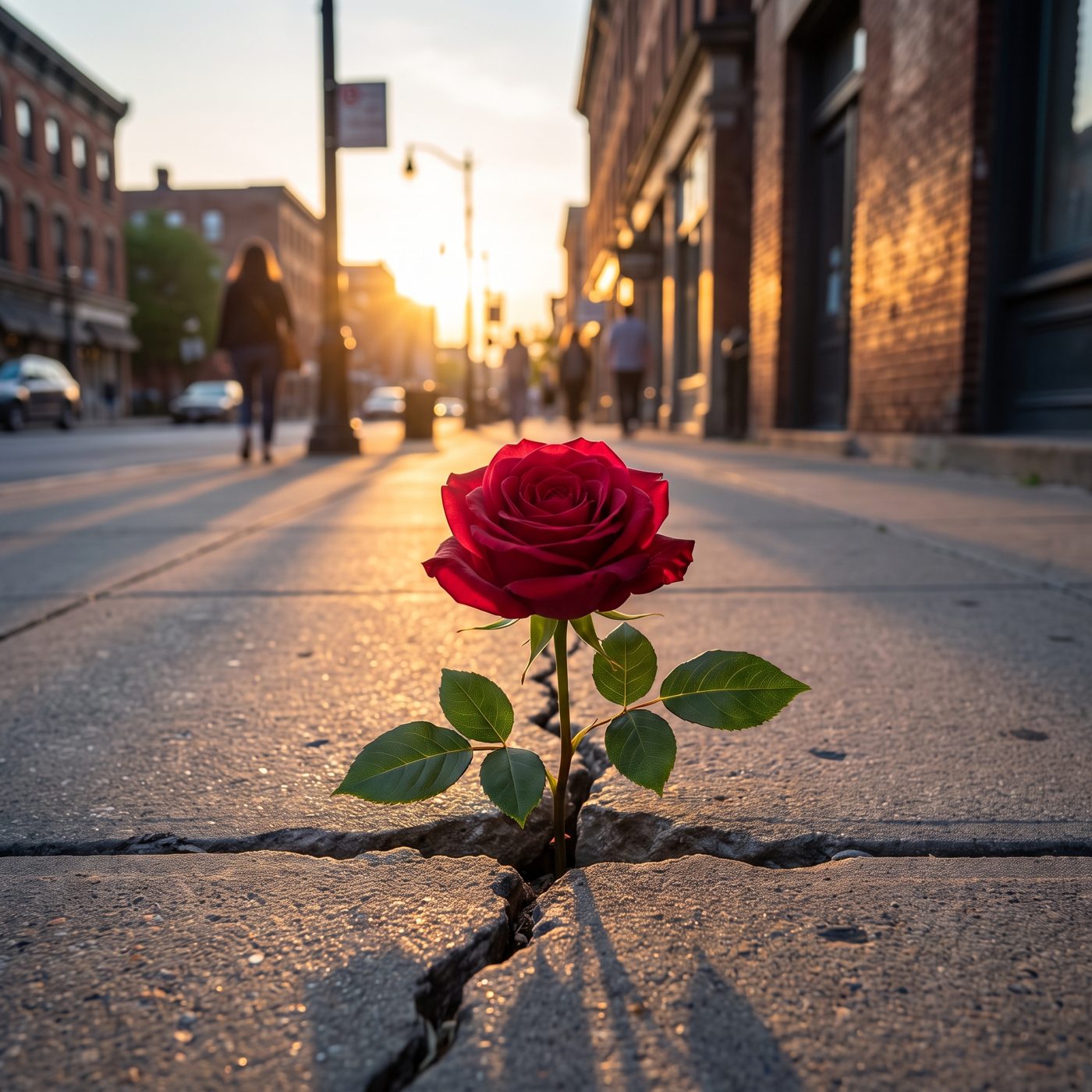 ILLUSTRATION · AI
Between 1989 and 1991, a teenage Tupac Shakur wrote 72 poems by hand, and Pocket Books published them in his own handwriting on November 1, 1999.
Years before "California Love" or "Dear Mama," before he became one of the best-selling recording artists of all time, Tupac Shakur sat with a pen and wrote poetry. He composed 72 poems between 1989 and 1991, starting when he was around eighteen. They were published on November 1, 1999 — more than three years after his death — as *The Rose That Grew from Concrete*, printed not in clean typeset lines but as photographic reproductions of the pages he'd written by hand.
That last detail is the one that catches people. Open the book and you don't just read Tupac's words; you see them. The looping script, the crossed-out lines, the drawings and doodles in the margins, the way certain words are pressed harder into the paper. On the facing page sits a typed transcription, because the handwriting alone can be hard to parse. The publisher's own jacket copy describes them plainly: seventy-two poems "written in his own hand from the time he was nineteen," and "reproduced from the originals in Shakur's handwriting."
Why the poems came out in 1999
Shakur was killed in a Las Vegas shooting in September 1996. The poems, written years earlier during his late teens, sat unpublished through the height of his fame. It was Pocket Books — through its MTV Books imprint — that put the collection out on November 1, 1999, under ISBN 978-0-671-02844-2. That publication metadata, along with the 1989–1991 composition window, is confirmed by the collection's first-edition Pocket Books printing and catalogued on Wikipedia's entry for the book.
The title poem gives the whole collection its argument. "The Rose That Grew from Concrete" imagines a rose pushing up through a crack in a sidewalk — surviving, even flourishing, in a place nothing was supposed to grow. Read alongside the biography, it's an obvious metaphor for a young man raised in poverty who kept reaching toward something anyway. Read on its own, it's a plain and durable image about resilience, the kind a teenager might land on and never let go.
How we know they're really his
The strongest evidence is baked into the object itself. A typeset poem could belong to anyone; a handwritten one is a fingerprint. By reproducing the physical pages — the specific shape of Tupac's letters, his corrections, his spelling — Pocket Books made the book its own authentication. The publisher's description is explicit that the pages were "reproduced from the originals in Shakur's handwriting," not transcribed and reset.
There's one correction worth making to how this fact often circulates. The book is frequently described as a "copyrighted work" tied to some distinct registration event, as if a formal filing were the proof point. But no primary record — not the U.S. Copyright Office public files, not the publisher — documents a separate, notable copyright registration for these poems as a standalone act. Copyright attaches automatically to original writing the moment it's fixed on paper, which is to say Tupac held the rights simply by writing them down between 1989 and 1991. The verifiable facts are the publication itself and the handwritten reproduction, not a registration ceremony.
What remains genuinely open is interpretation. A nineteen-year-old's private poems, published only after his death, invite a question that has no clean answer: are we reading the artist he chose to present, or a young man who never got to decide what stayed private? The handwriting makes it feel intimate — like reading someone's notebook over their shoulder. Whether that intimacy is a gift or an intrusion is the part no publication date or ISBN can settle. The rose is on the page in his own hand. What he would have wanted done with it is the thing we can still argue about.
More facts
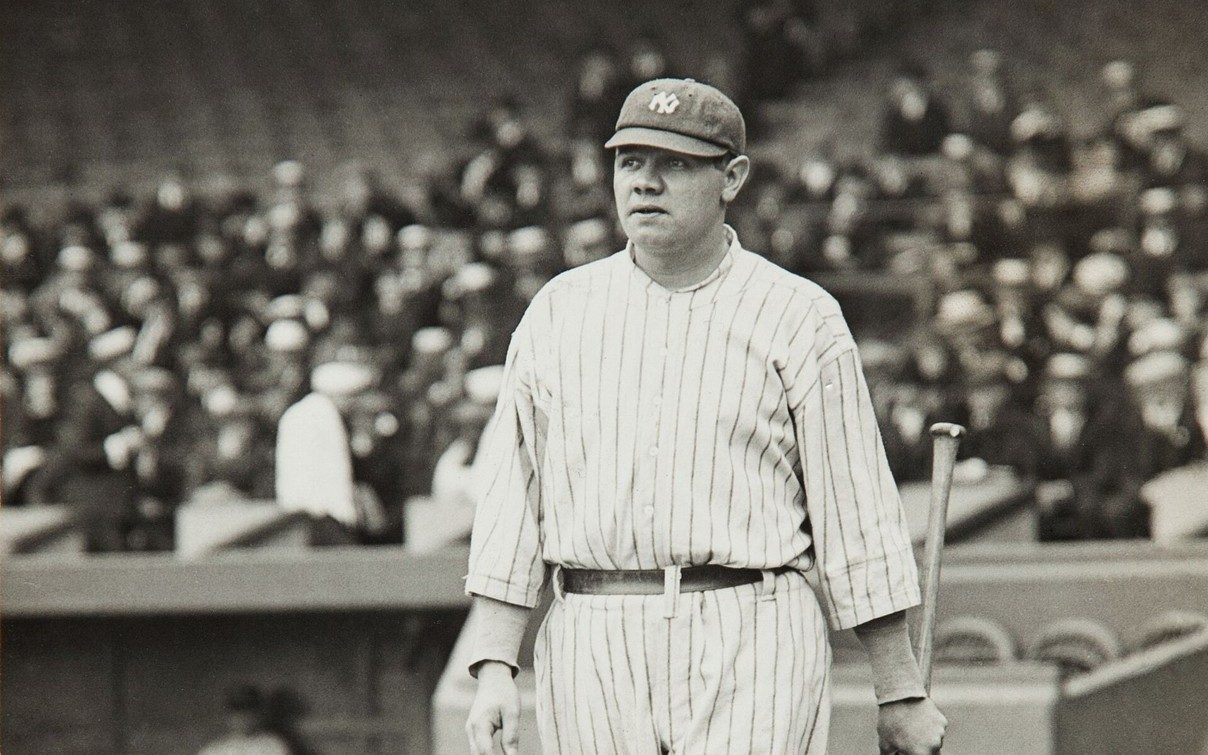
Babe Ruth hit 60 home runs in 1927, a single-season record that stood for 34 years. He finished his career with 714.
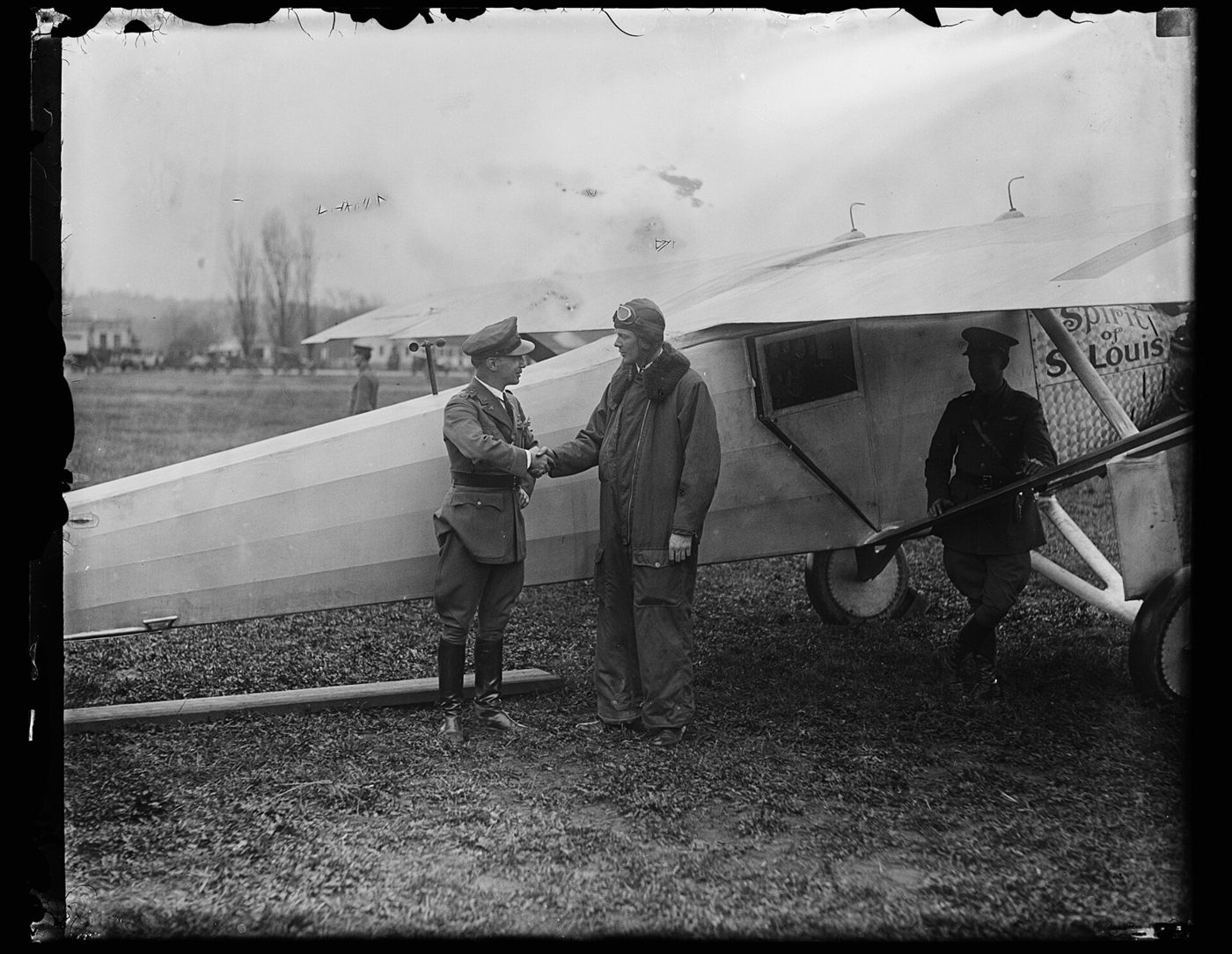
In May 1927 Charles Lindbergh flew alone from New York to Paris, 3,610 miles in 33.5 hours. About 100,000 people were waiting when he landed.