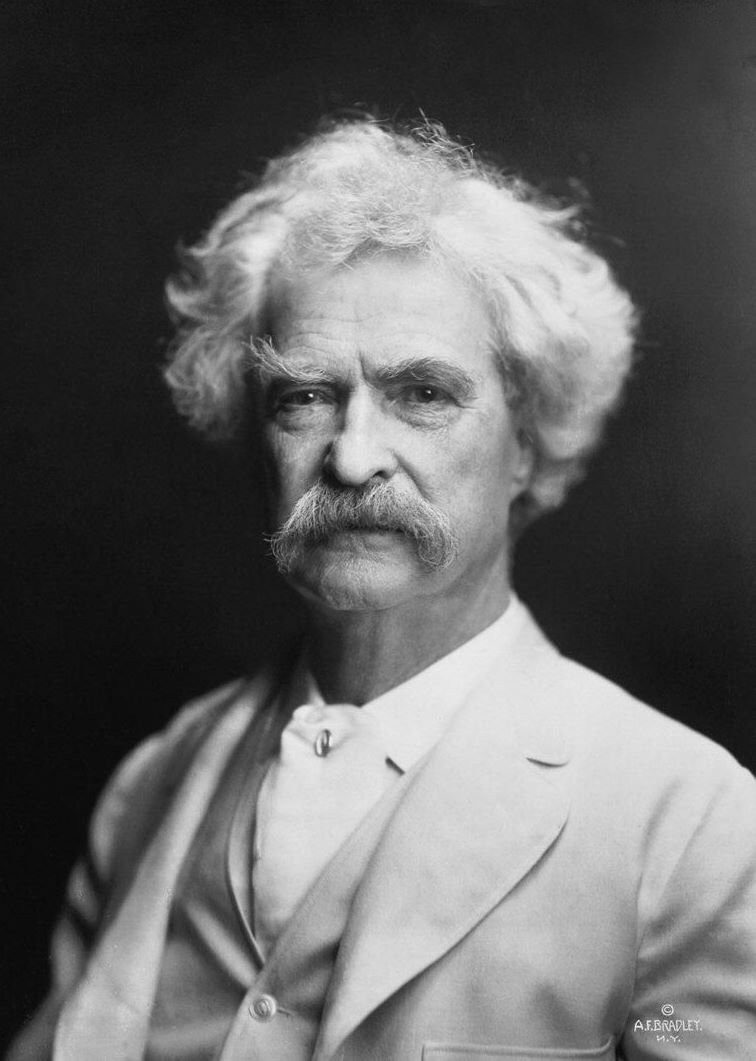
Dolly Parton turned Elvis away in 1974, keeping 'I Will Always Love You' — a choice worth over $10 million once Whitney Houston sang it.
 ILLUSTRATION · AI
Dolly Parton wrote "I Will Always Love You" as a goodbye in 1973 and refused to hand Elvis Presley's manager half its publishing, keeping a copyright that later paid off many times over.
Dolly Parton once said no to Elvis Presley — or, more precisely, to his manager — and it turned out to be one of the shrewdest decisions in country music. When Presley planned to record "I Will Always Love You" around 1974, Colonel Tom Parker demanded at least half the song's publishing as the price of admission. Parton refused. She kept full ownership. Two decades later, Whitney Houston's version made that copyright worth a fortune.
The song itself was never about money. Parton wrote it in 1973 as a farewell to Porter Wagoner, her mentor and duet partner of seven years, as she moved to strike out on her own. According to RCA release and recording data compiled on Wikipedia, she recorded it at RCA Studio B in Nashville on June 12, 1973, with the single released March 11, 1974. The lyric is a breakup wrapped in tenderness — a woman leaving, but insisting the love won't die with the partnership.
Why Dolly Parton turned Elvis down
Parton has told the story many times, and the details hold. As she recounted on BBC Radio 2 (reported by the Miami Herald via PressReader), Parker called the night before Presley's planned session with a blunt condition: they don't record with Elvis "unless we have publishing... or at least half." That was standard practice for Parker, who routinely carved out publishing stakes on songs Presley cut.
For Parton, the demand cut against everything the song stood for. She had written every word herself; she owned it outright. Handing half of it away — even to Elvis Presley, whom she idolized — meant giving up control of something personal. In an interview with W Magazine in 2021, she said the decision broke her heart. She loved the idea of Presley singing her words, and by some accounts she cried over the choice. But she said no.
The Hollywood Reporter, in a 2021 piece asking whether songwriters can still make such stands today, laid out the standoff plainly: Parker wanted 50 percent, and Parton refused, keeping her copyright whole. As Forbes writer Matthew Leimkuehler documented, drawing on Parton's own remarks to CMT in 2006 and to W Magazine in 2021, that refusal cost her a dream collaboration in the short term.
How the decision paid off
What Parton kept intact was, in her own words to the BBC, "the most important copyright in my whole publishing company." She recorded the song again for the 1982 film *The Best Little Whorehouse in Texas*. Then, in 1992, Whitney Houston's soaring version anchored the soundtrack to *The Bodyguard*, becoming one of the best-selling singles of all time and spending fourteen weeks atop the Billboard Hot 100.
Because Parton had refused to split the publishing back in 1974, she collected songwriter royalties on every copy sold and every radio spin — a windfall widely estimated in the millions. She has joked in interviews that Houston's recording bought her a lake house. The point stands: had she conceded to Colonel Parker's terms, half of that money would have flowed elsewhere.
There's a wrinkle worth keeping honest. The Elvis episode is usually dated to 1973, but the timeline in Parton's own accounts places the publishing standoff closer to the planned session around the song's 1974 release — the phone call came, she says, the night before. The writing and the refusal were separate moments, months apart, even if the folklore tends to fuse them.
What remains genuinely open is the counterfactual. Would a Presley recording have made the song a standard even without Houston? Parker's demand may have cost Parton a legendary version — but it also handed her something rarer: the whole of a song she wrote alone, and every dollar it would ever earn.
More facts
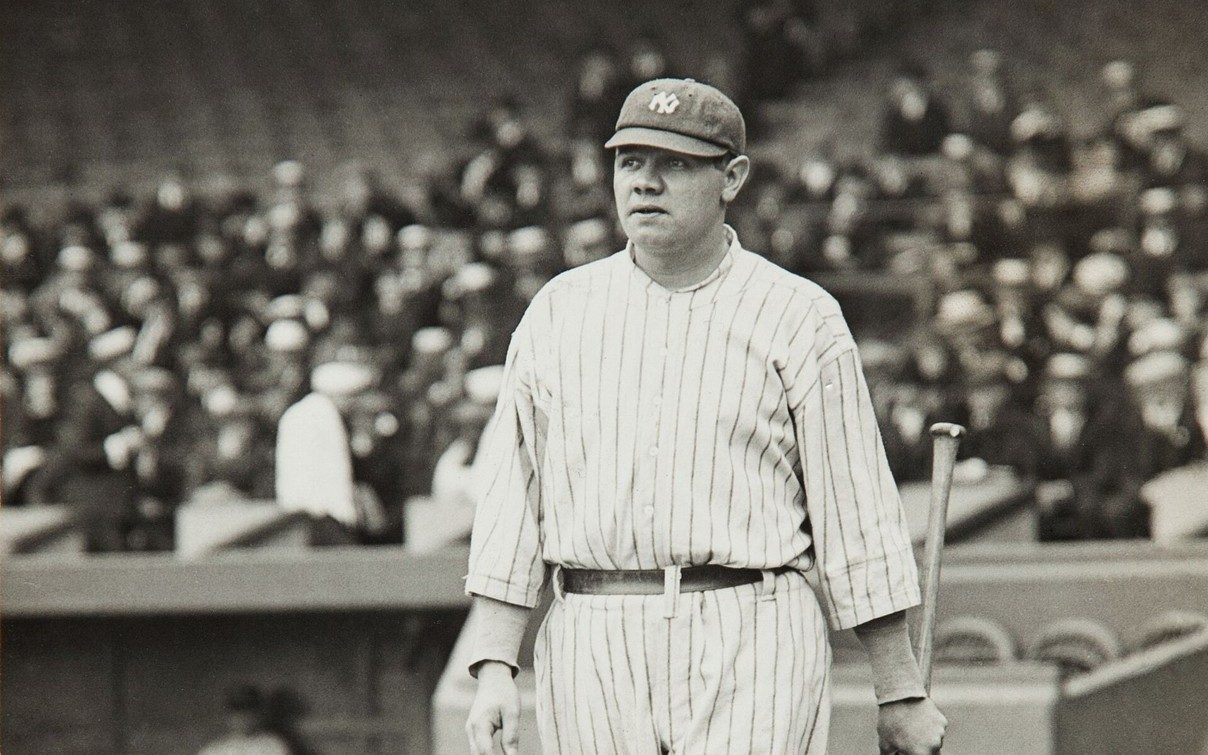
Babe Ruth hit 60 home runs in 1927, a single-season record that stood for 34 years. He finished his career with 714.
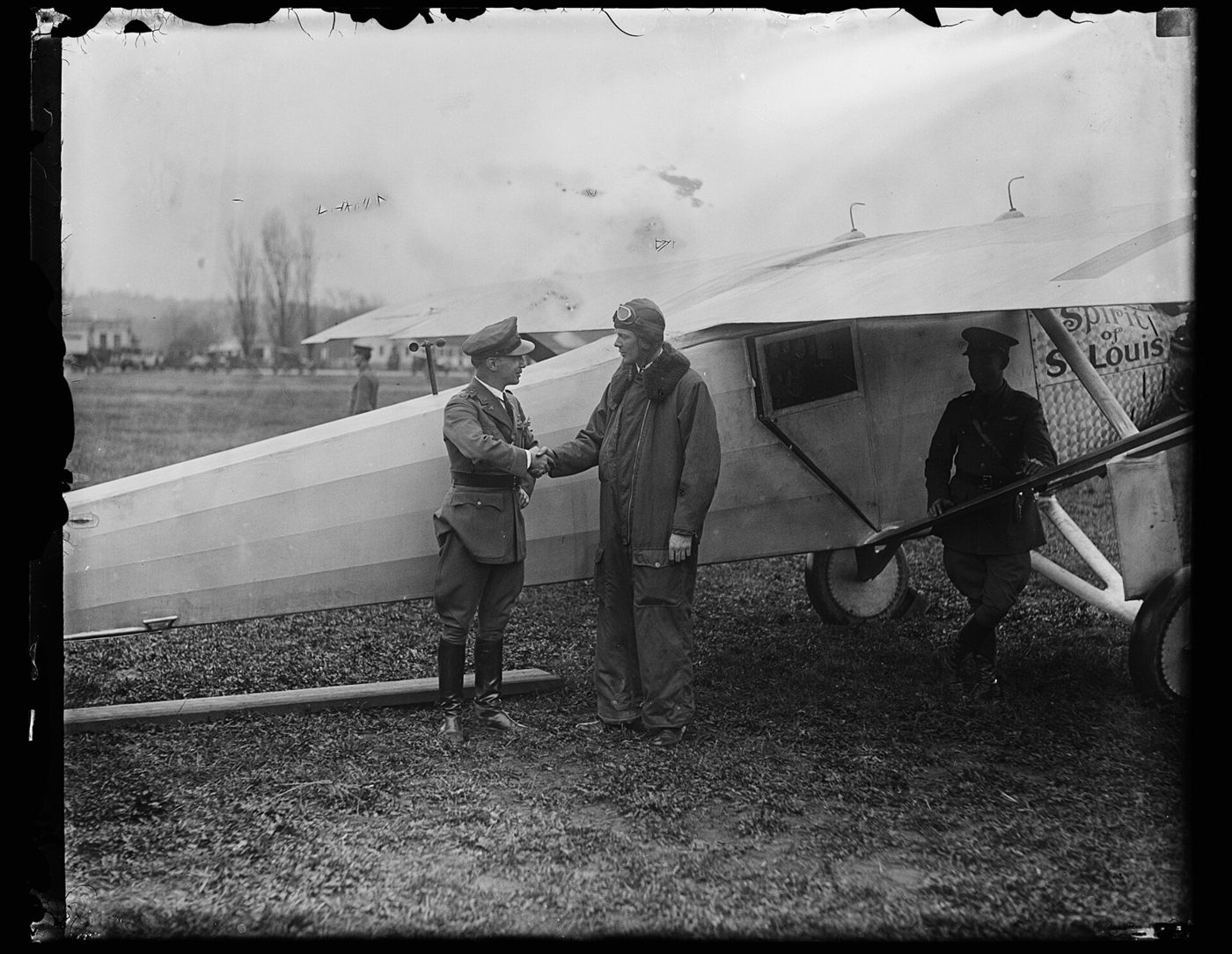
In May 1927 Charles Lindbergh flew alone from New York to Paris, 3,610 miles in 33.5 hours. About 100,000 people were waiting when he landed.