Elton John legally erased the name Reginald Kenneth Dwight on January 11, 1972 — the deed poll still sits in Britain's National Archives.
 ILLUSTRATION · AI
On January 11, 1972, a deed poll enrolled in a British court formally abandoned the name Reginald Kenneth Dwight, and the original document still sits in The National Archives under reference J 18/458.
Reginald Kenneth Dwight didn't quietly start going by Elton John. He filed the paperwork. On January 11, 1972, an enrolled deed poll made the change a matter of law, and the document survives to this day — you can find it in The National Archives at Kew under the reference J 18/458, catalogued plainly as "Elton John change of name from Reginald Dwight by deed poll," dated 1972.
The stage name had already been in use for years by then. But the legal record tidies up a question fans still get wrong: what, exactly, did he keep, and what did he throw away?
How we know the exact wording
The best evidence isn't a biography or an interview. It's the official notice that a deed poll requires. When a name change is enrolled in the courts, the change is published in The London Gazette — Britain's newspaper of public record since 1665, the outlet where bankruptcies, honors, and legal notices become official.
Elton John's notice ran in issue 45571 of The London Gazette on January 11, 1972, on page 403. The operative language is precise and slightly deadpan in the way legal English tends to be: it records that "ELTON HERCULES JOHN of 14 Abbotts Drive, Wentworth, Surrey" had "abandoned the surname of Dwight and the Christian names of Reginald Kenneth."
Read that carefully and you notice what he *added*. The birth name was Reginald Kenneth Dwight. The new legal name wasn't simply Elton John — it was Elton **Hercules** John. That middle name, according to the record, was chosen at the moment of the change, not inherited from anywhere. The document that erased Reginald Kenneth is the same document that introduced Hercules.
Why the address matters
The Gazette notice pins him to a specific house: 14 Abbotts Drive, Wentworth, Surrey. That's a small, concrete detail that turns an abstract legal act into a place you could stand outside. In early 1972 the man filing to shed his birth name was a 24-year-old whose career had just detonated — "Your Song" had gone international, and the album *Madman Across the Water* had just been released. The deed poll catches him mid-flight, formalizing an identity that the music world already knew.
This distinction — legal document versus popular story — is exactly the sort of thing that gets flattened in retellings. When the biopic *Rocketman* arrived in 2019, Refinery29 went back to the primary source and quoted the London Gazette notice verbatim, noting that the film's dramatized version of the name change doesn't match the tidy legal reality. The court record doesn't care about narrative arcs. It just states, in the flat voice of enrollment, which names were abandoned and which were adopted.
The reason a deed poll gets enrolled at all — rather than just declared privately, which is also legally valid in England — is to create a permanent, searchable public record. That's why J 18/458 exists as a physical item in a national repository more than half a century later, filed among the papers of the Supreme Court of Judicature and related courts.
The part still open to argument
The paperwork settles the *what* and the *when*. It doesn't settle the *why* of "Hercules." Elton John himself has told the story that the middle name was a nod to a horse in the British sitcom *Steptoe and Son* — an amusing origin, but one the deed poll can't confirm or deny. The document records the choice; it doesn't explain it.
So the verified fact is narrow and solid: on a specific January day in 1972, in a court, with an address attached, Reginald Kenneth Dwight was legally abandoned and Elton Hercules John legally took his place. The paper trail is real and public. The horse remains a matter of his word.
More facts
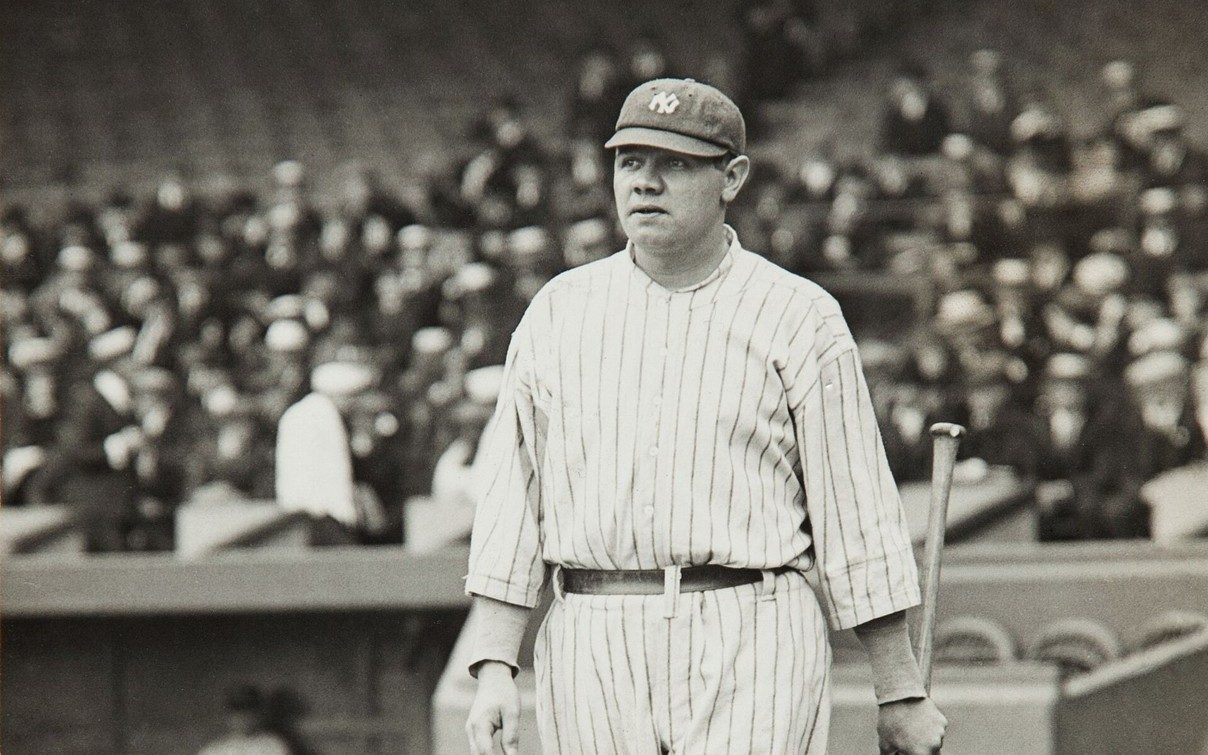
Babe Ruth hit 60 home runs in 1927, a single-season record that stood for 34 years. He finished his career with 714.
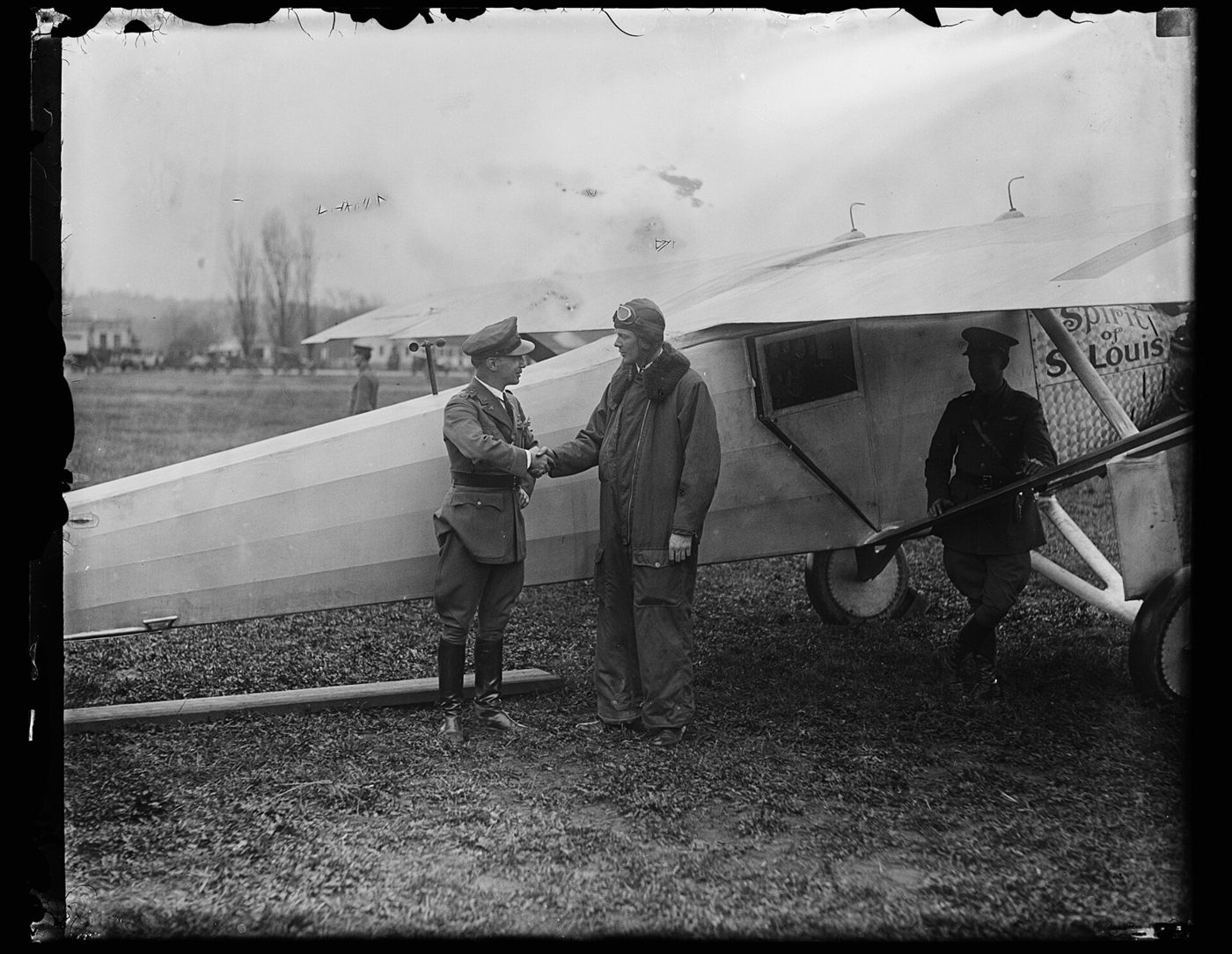
In May 1927 Charles Lindbergh flew alone from New York to Paris, 3,610 miles in 33.5 hours. About 100,000 people were waiting when he landed.