For 7 years, Prince performed under a name no one could pronounce — an unspeakable symbol he unveiled in 1993 and dropped in 2000.
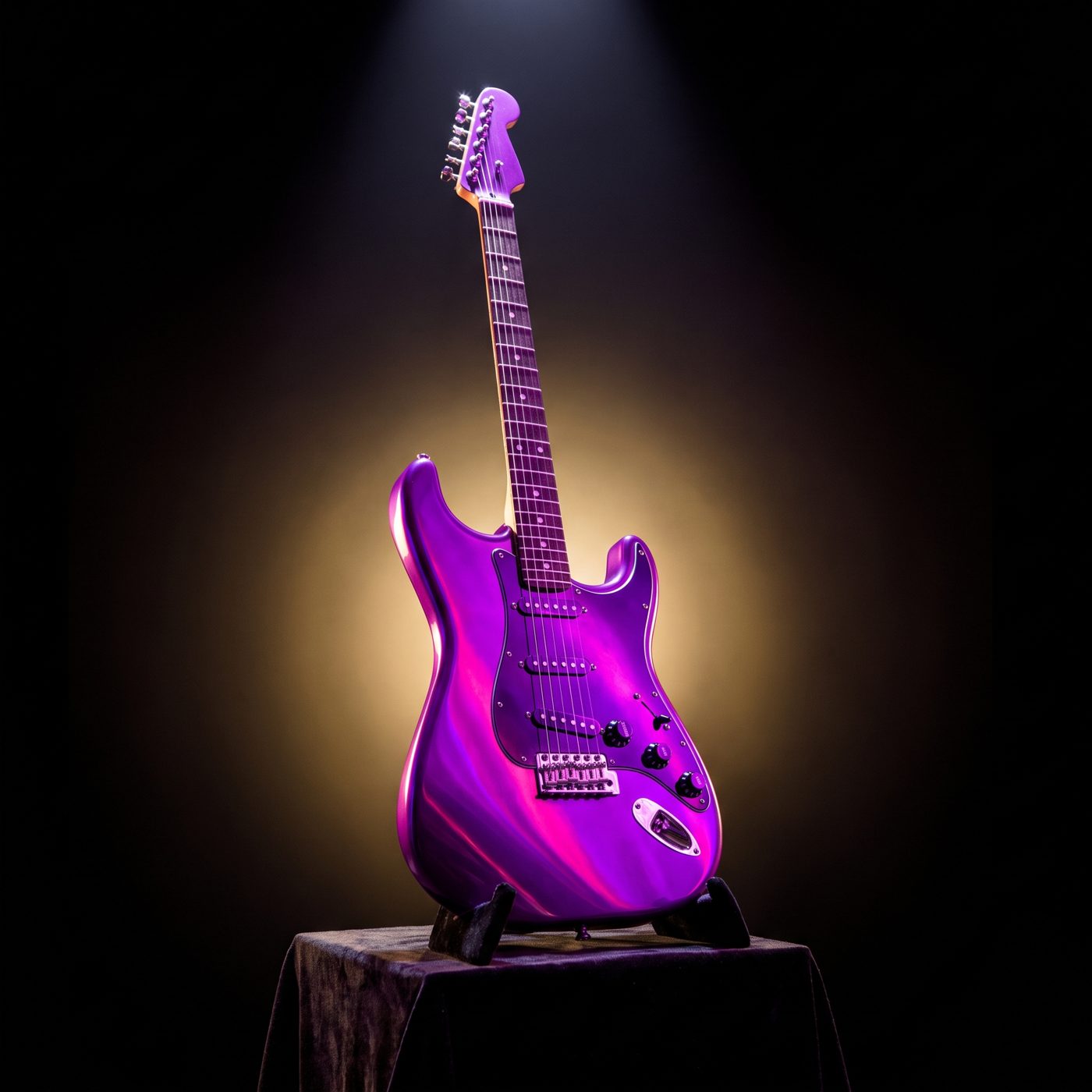 ILLUSTRATION · AI
For seven years, from 1993 to 2000, Prince performed under an unpronounceable Love Symbol he designed with graphic artist Sotera Tschetter — a stage name, not a legal one.
In 1993, on his 35th birthday, Prince Rogers Nelson stopped being "Prince" — at least on paper and on record covers. He began performing under an unpronounceable glyph, a fused Venus-and-Mars figure that had no spelling and no agreed pronunciation. He kept it up for seven years, until 2000. That span is documented, of all places, in a Minnesota government preservation file.
The Minnesota State Historic Preservation Office's National Register of Historic Places Multiple Property Documentation Form for Prince — the one titled simply "Prince (1958–1987)," filed in 2020 — states plainly in its Statement of Historic Contexts that he performed "for a seven-year period between 1993 and 2000 under his Love Symbol (a symbol developed by him and Sotera Tschetter with no pronunciation)." That last name is the detail most retellings drop: Tschetter, a graphic designer, is credited by the state of Minnesota as the symbol's co-creator.
Why did Prince change his name to a symbol?
The short answer is a fight over ownership. In the early 1990s, Prince was locked in a bitter dispute with his record label, Warner Bros., over control of his music and the pace of his releases. "Prince" — the name — had become a trademark the label controlled. By retiring it and performing as a symbol no one could say or type, he was making a point about who owned him.
The move left the press stranded. As The Hollywood Reporter recounted in its 2016 piece "Prince: The Story Behind His Name(s)," journalists and fans had no word to use, so the media coined a workaround: "the Artist Formerly Known as Prince," often shortened to TAFKAP. Record stores at one point mailed out floppy disks with a custom font so writers could reproduce the glyph at all. The symbol was, functionally, a name you could only draw.
One correction worth making, because it circulates constantly: this was a stage name, not a legal one. There is no Hennepin County court order changing Prince Rogers Nelson's given name to a symbol. The persistent story of a "legal name change to an unpronounceable symbol" doesn't hold up against the record — what changed was how he performed and released music, not his birth certificate.
How did the seven years end in 2000?
The end came the same way the beginning did — through a contract. Billboard's "This Day in Music" entry, drawing on the events of 2000, notes that the Artist announced he would use the name Prince again once his Warner/Chappell publishing contract expired at the end of 1999. The Hollywood Reporter frames it the same way: when his Warner Bros. deal ran out in early 2000, the trademark leverage that had pushed him to abandon the name dissolved, and he took "Prince" back.
So the symbol wasn't a permanent artistic identity so much as a seven-year act of protest with a defined off-ramp. When the paperwork that started it lapsed, the glyph retired and the name returned.
The vivid part is that the symbol never fully went away. Prince kept it as a personal emblem for the rest of his life — it hung over the stage, adorned his guitar, and eventually shaped Paisley Park itself. The state of Minnesota's decision to enshrine the 1993–2000 window in a historic-preservation document is its own kind of monument: a bureaucratic form quietly recording that, for seven years, one of the most famous musicians alive answered to a shape.
What's still open to argue is whether it worked. Prince won his broader war for artistic control and became a model for musicians fighting their labels. But whether the unpronounceable years cost him commercial momentum — or bought him the freedom he spent the rest of his career defending — is a debate his fans have never settled, and the historic record, precise about dates and designers, stays silent on.
More facts
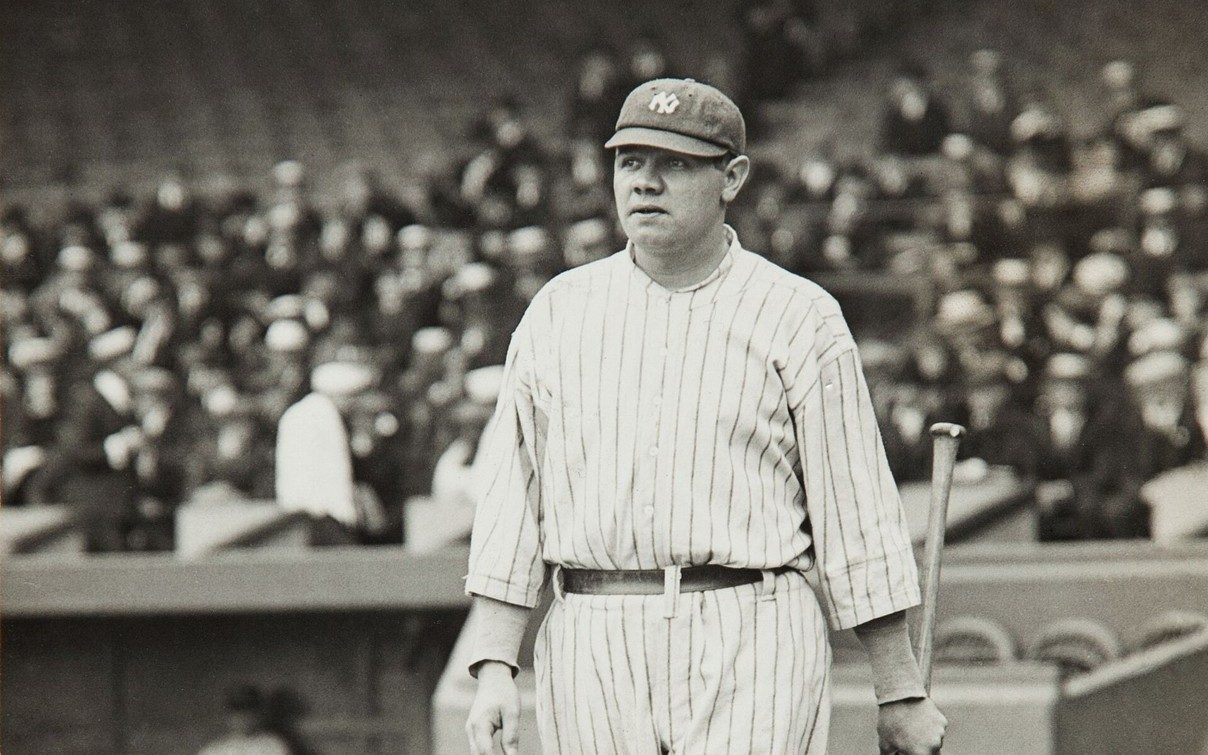
Babe Ruth hit 60 home runs in 1927, a single-season record that stood for 34 years. He finished his career with 714.
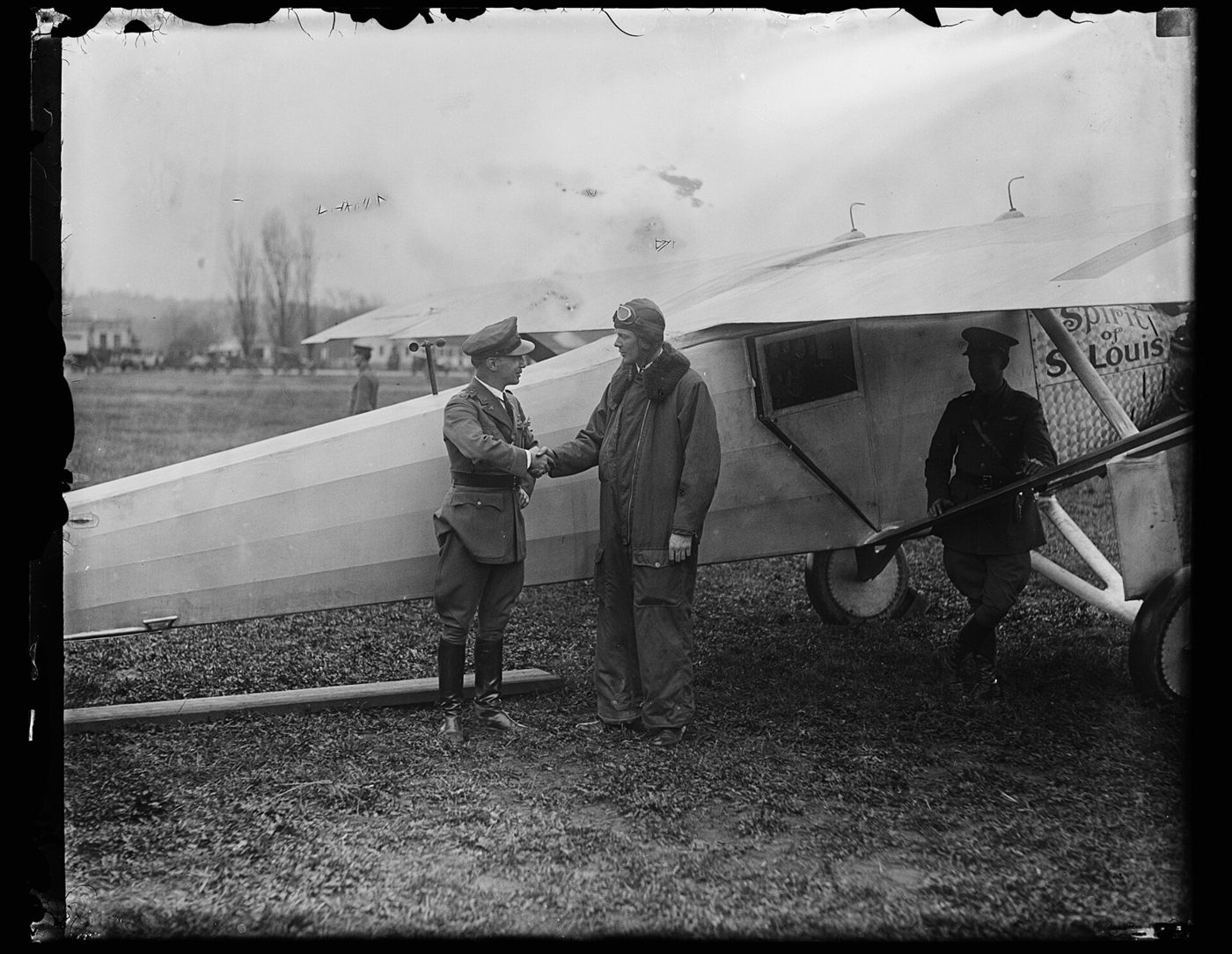
In May 1927 Charles Lindbergh flew alone from New York to Paris, 3,610 miles in 33.5 hours. About 100,000 people were waiting when he landed.