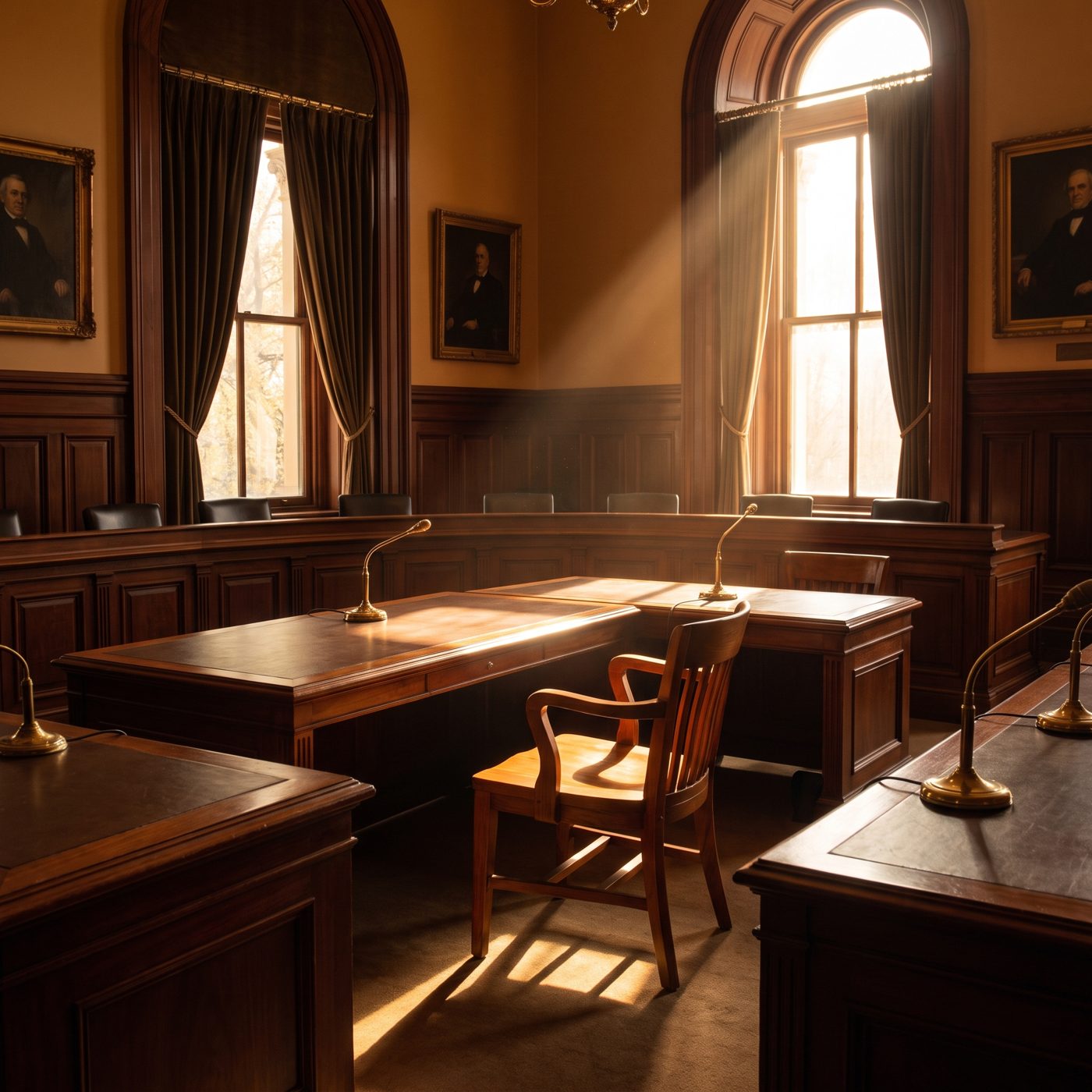
Fred Rogers told the U.S. Senate in 1969 that his first children's show on WQED, fifteen years earlier, ran on a budget of $30.
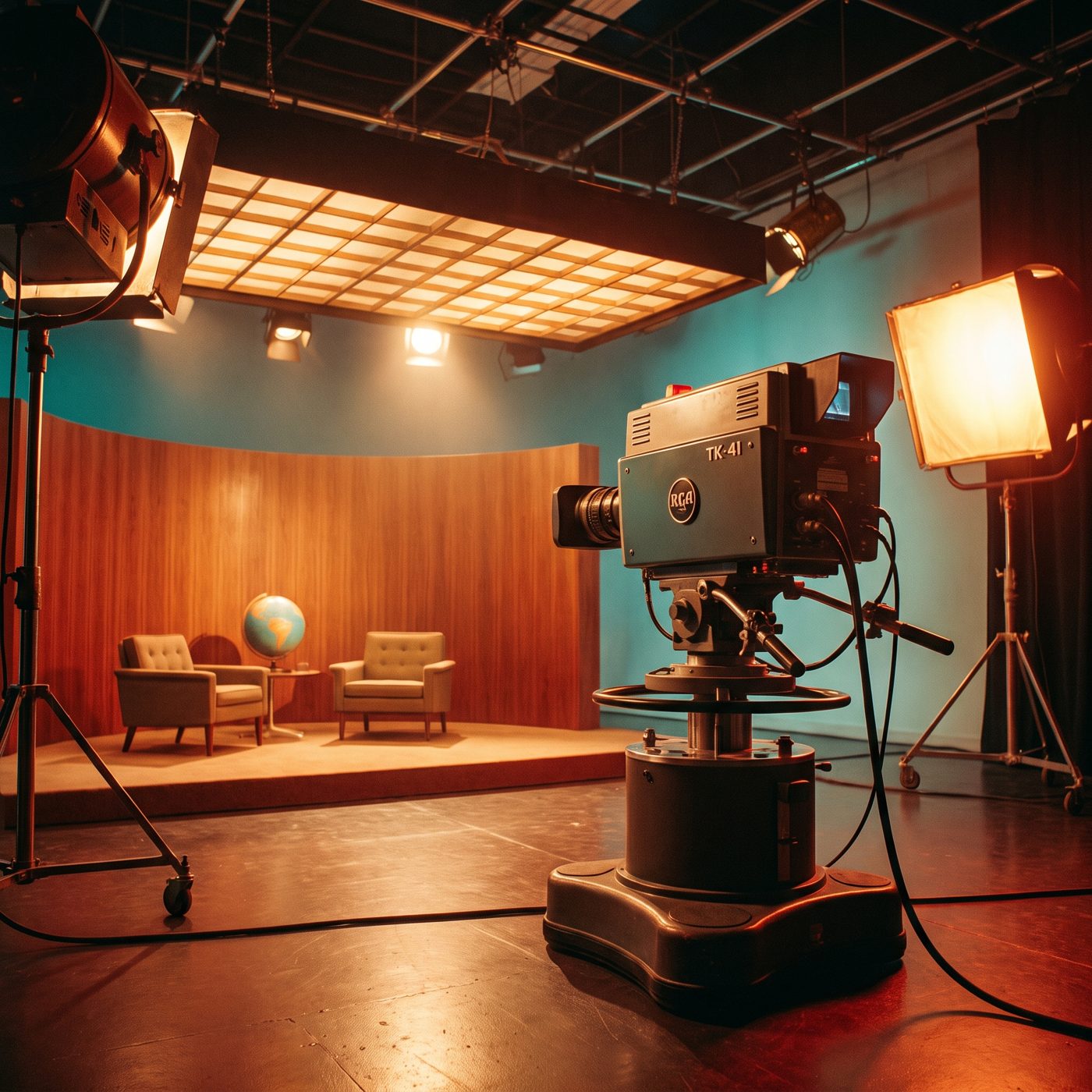 ILLUSTRATION · AI
Testifying before a U.S. Senate subcommittee in 1969, Fred Rogers said his first children's program on Pittsburgh's WQED, fifteen years earlier, had run on a budget of just $30.
When Fred Rogers sat before the Senate Subcommittee on Communications on May 1, 1969, he wanted the senators to understand how far public television had come on almost nothing. His first children's program, he told them, had aired on WQED in Pittsburgh fifteen years earlier — "and its budget was $30." Fifteen years back from his testimony puts that first show in 1954, in the earliest days of educational broadcasting.
By 1969, that figure had grown. "Now, with the help of the Sears-Roebuck Foundation and National Educational Television, as well as all of the affiliated stations," Rogers said, "now our program has a budget of $6,000." He credited the growth to those three parties together, not to any single benefactor — a small detail that matters, because it was precisely the fragile patchwork of foundation money, national programming support, and local stations that the hearing was about.
Why Fred Rogers was testifying before the Senate at all
The context was money, and the threat of losing it. President Nixon had proposed cutting the federal appropriation for the Corporation for Public Broadcasting in half, and the subcommittee, chaired by Rhode Island Senator John Pastore, was weighing whether the $20 million was worth keeping. Rogers was one of the voices invited to make the case.
He did it without notes and without rhetoric. Rather than reciting statistics about reach or production costs, he described what his program tried to do for a child's inner life, and he read the lyrics to one of his songs about managing anger — "What do you do with the mad that you feel?" Pastore, who had begun the exchange gruff and skeptical, told Rogers near the end: "I think it's wonderful. Looks like you just earned the $20 million." The appropriation survived.
The budget numbers were part of that persuasion. By setting $30 against $6,000, Rogers was making an argument about leverage: small public investments, pooled across foundations and stations, had built something that reached children across the country. The point of the $6,000 figure was not that it was large — by any commercial-television standard it was tiny — but that it was six thousand dollars where there had once been thirty.
How we know these are his exact words
The testimony is not a secondhand story. American Rhetoric hosts a verbatim transcript alongside the audio recording of Rogers's statement, labeled as delivered on May 1, 1969, and it preserves the exact phrasing of both the $30 and the $6,000 figures and the three-part attribution to the Sears-Roebuck Foundation, National Educational Television, and the affiliated stations.
Current, the trade publication that covers public media, keeps its own archival transcript and video of the appropriations appearance, confirming the same numbers and the same credits. A 2022 analysis by the Public Affairs Council summarized the moment the same way, contrasting "the $30 budget his first children's program lived on 15 years earlier" with "the comparatively bountiful $6,000" that funded his show by the time he testified.
One small discrepancy in the record is worth flagging: Current dates the testimony to May 2, while the American Rhetoric transcript marks it May 1. The figures and the substance are identical across sources; only the calendar date wobbles by a day.
What remains genuinely open is harder to pin down than the numbers. Rogers said "fifteen years ago," which lands in 1954 — but he did not name a specific program or quote a line-item budget document, and the $30 and $6,000 are figures he offered from memory in service of an argument, not audited accounts. They are exactly what he said. Whether they capture the full cost of producing early educational television, or a rounded, rhetorically sharpened version meant to land with a skeptical senator, is the part the transcript cannot settle.
More facts

Led Zeppelin IV sat frozen at 23× Platinum for 15 years, then ticked to 24× on November 8, 2021 — its exact 50th birthday.

The same Eagles album that became the RIAA's first-ever Platinum record in 1976 jumped to 38× Platinum in 2018 — passing Thriller.