In 2016, Rockefeller researchers found the human eye can register a single photon — one particle of light, the smallest amount physics allows.
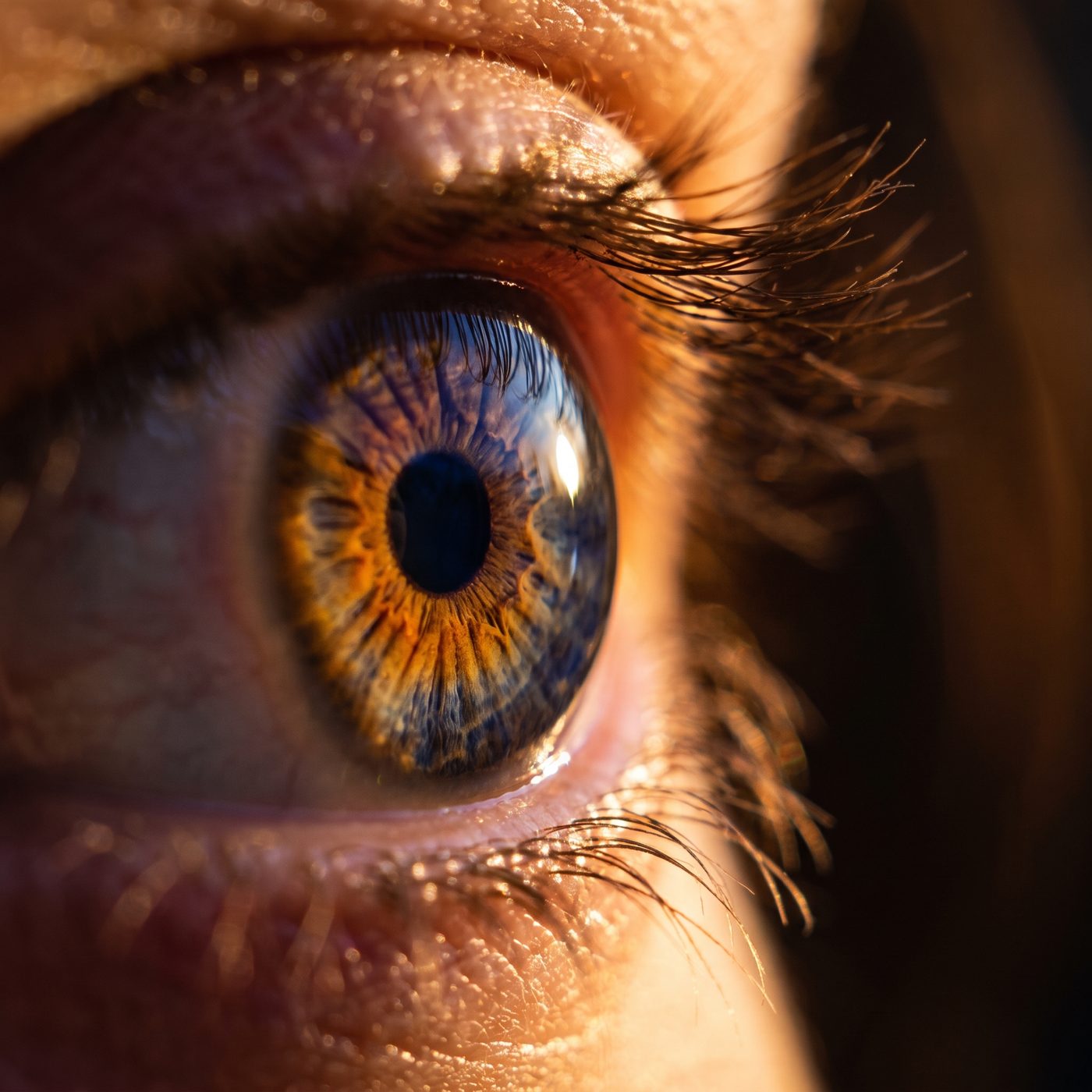 ILLUSTRATION · AI
In 2016, Rockefeller University researchers showed that a person can register a single photon — the smallest unit of light physics allows — landing on the retina.
The human eye can catch one particle of light. In 2016, a team led by Alipasha Vaziri at Rockefeller University reported that three volunteers, tested across 30,767 trials, could tell when a single photon struck their eye at a rate slightly better than chance. That is the physical floor. A photon is the smallest quantity of light that exists; you cannot deliver half of one. The eye, it turns out, is a detector working at the limit nature permits.
The result, published in *Nature Communications* under the title "Direct detection of a single photon by humans," reset a number that had stood for decades. In 1942, Selig Hecht, Simon Shlaer, and Maurice Pirenne had measured the threshold of human vision at roughly 5 to 7 photons — the fewest a person needed to reliably say "I saw something." Whether a lone photon could ever be perceived stayed an open question, because no one had a light source clean enough to fire exactly one and know it.
How do you fire a single photon at someone's eye?
That was the hard part, and it came from quantum optics rather than biology. Vaziri's group, some of whom trained at the Research Institute of Molecular Pathology in Vienna, used a process called spontaneous parametric down-conversion: a crystal splits one photon into a pair. Detecting one of the pair — the "herald" — tells you with certainty that its twin, and only its twin, was on its way to the volunteer's eye. That heralding is what let the researchers know, trial by trial, exactly how many photons they had sent.
In each trial a subject heard two beeps, with the photon delivered during one of them, and had to guess which interval carried the light and rate how confident they felt. Across all events the volunteers were right 51.6 percent of the time — barely above the coin-flip mark of 50, with a p-value of 0.0545 that sits just at the edge of statistical significance. But when the researchers looked only at trials where subjects said they felt sure, accuracy climbed to 60 percent, with a p-value of 0.0010. Confidence, in other words, tracked reality: people knew when they had genuinely caught something.
Why a single photon is nearly impossible to see
The odds are stacked against detection long before the photon reaches a nerve. Much of the light entering the eye is absorbed or scattered by the cornea, lens, and the tissue in front of the retina. Even a photon that lands cleanly on a rod cell must be caught by a single rhodopsin molecule and trigger a cascade of chemistry strong enough to fire a signal the brain doesn't discard as noise. The retina is deliberately noisy at this level, filtering out stray blips so you don't see phantom flashes in the dark. A real photon has to survive all of that.
The vivid detail is the arithmetic of what got measured. Out of 30,767 trials, only 2,420 qualified as clean, post-selected single-photon events after the heralding data were sorted — a thin slice of confirmed one-photon hits, teased out of tens of thousands of attempts, that carried the whole conclusion.
That thinness is also where the argument lives. A 51.6 percent overall hit rate, sitting right on the significance line, is not a triumphant demonstration; it is a whisper above chance from three people. Some researchers read it as solid proof that the visual system reaches the quantum limit. Others want the effect reproduced in more subjects with tighter numbers before calling the case closed. What is not in dispute is the reframing it forces: we tend to assume human senses are crude next to laboratory instruments. On this one measure, the eye appears to be operating at the finest resolution physics itself allows — and the last word on how reliably it does so is still being written.
- Tier 2 · Secondary2016
More facts
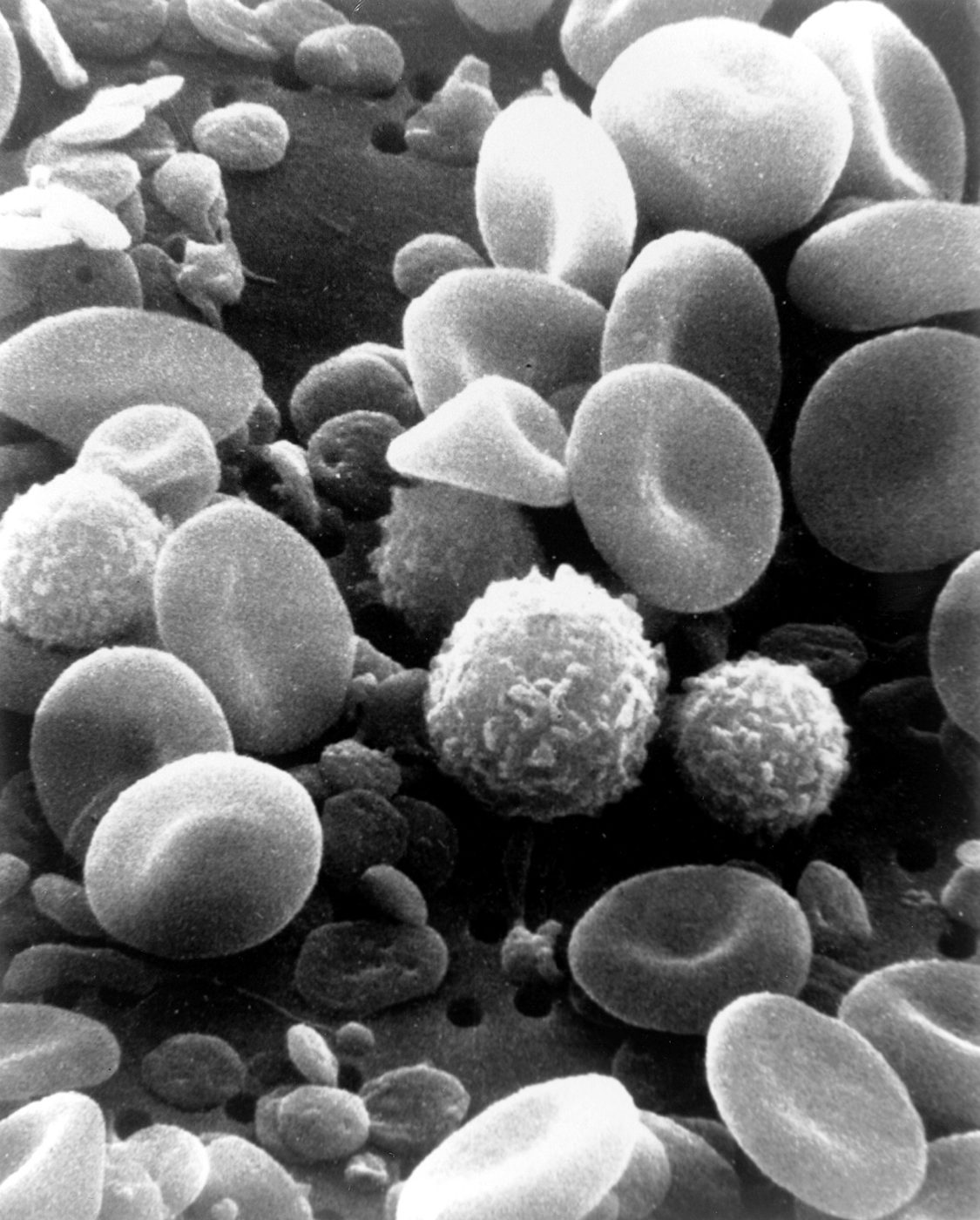
In a healthy person, a red blood cell usually survives for about 120 days, a 2023 review notes. Mature human red blood cells also have no nucleus.
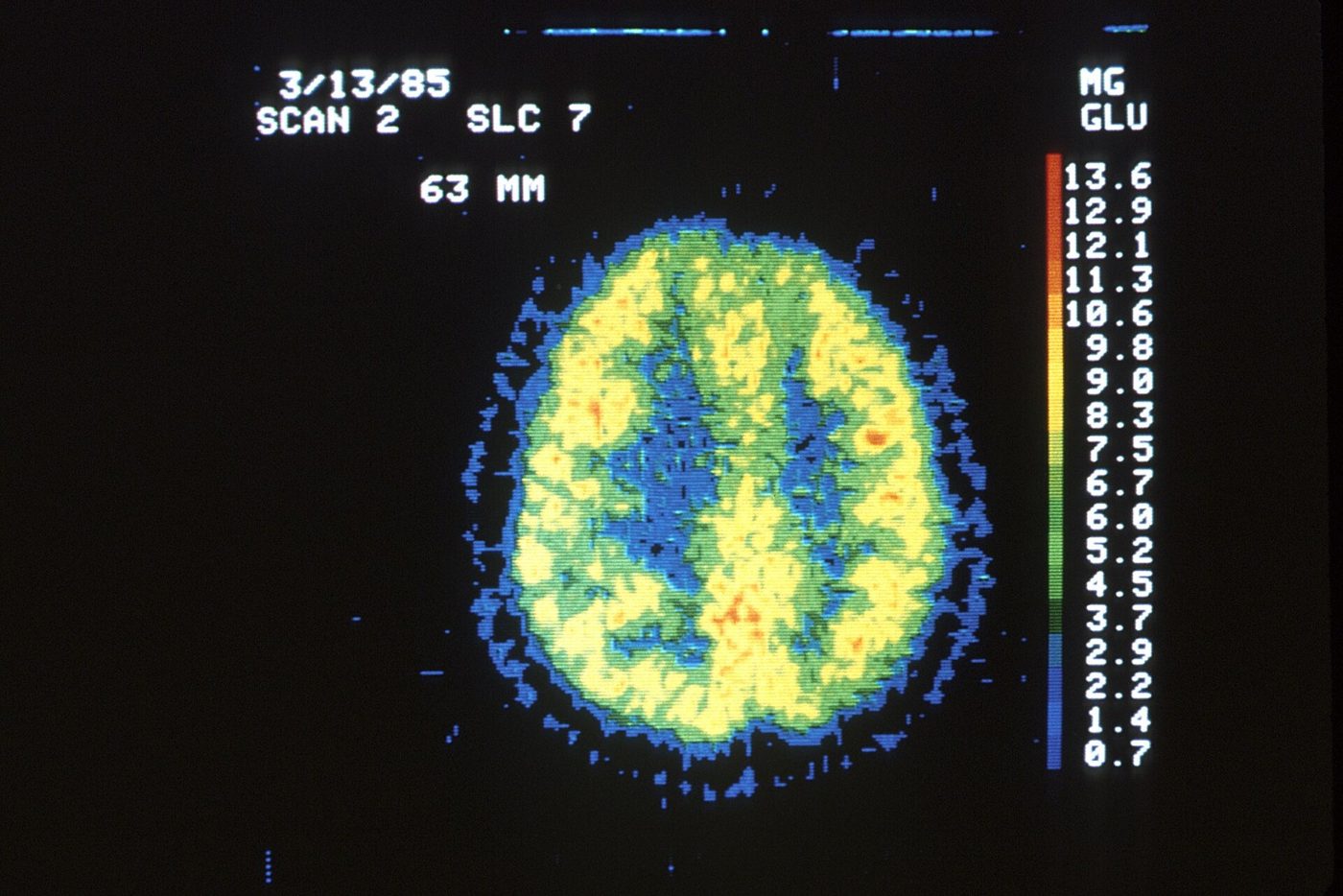
In the average adult at rest, the brain is only about 2% of body weight, yet it uses about 20% of the oxygen and calories the body consumes.