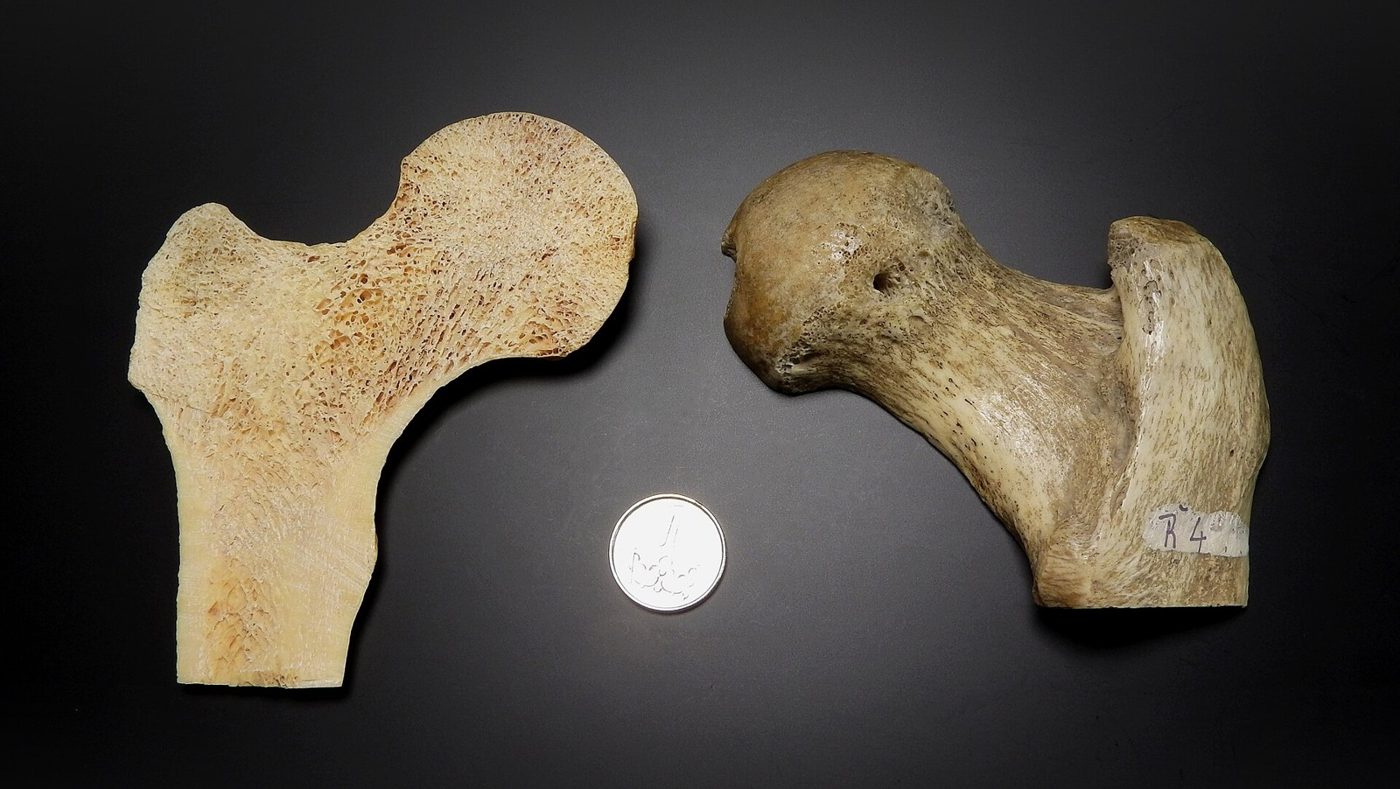
In a 10-week Durham University study, 12 blind and 14 sighted adults learned to echolocate by tongue clicks, and both groups improved across the echolocation tasks.
 ILLUSTRATION · AI
A 2021 Durham University training study found that blind and sighted adults could both learn click-based echolocation in ten weeks, improving across the tasks tested.
In a study published in PLOS ONE in 2021, researchers at Durham University trained 12 blind and 14 sighted adults in click-based echolocation: making sharp mouth clicks and listening to the echoes. Training ran for 20 sessions over 10 weeks, each session lasting two to three hours.
What they found
Both groups improved considerably on the training tasks, which included judging the size and orientation of objects and navigating a virtual maze, and in some cases performed comparably to expert echolocators by the end of training. The team also tested seven blind expert echolocators, without training, to benchmark the tasks.
The sighted group was younger (median age 26, against 45 for the blind group), and the authors discuss age as a possible factor where the groups differed. Three months after training, all the blind participants reported improved mobility, and 83 percent reported better independence and wellbeing.
More facts
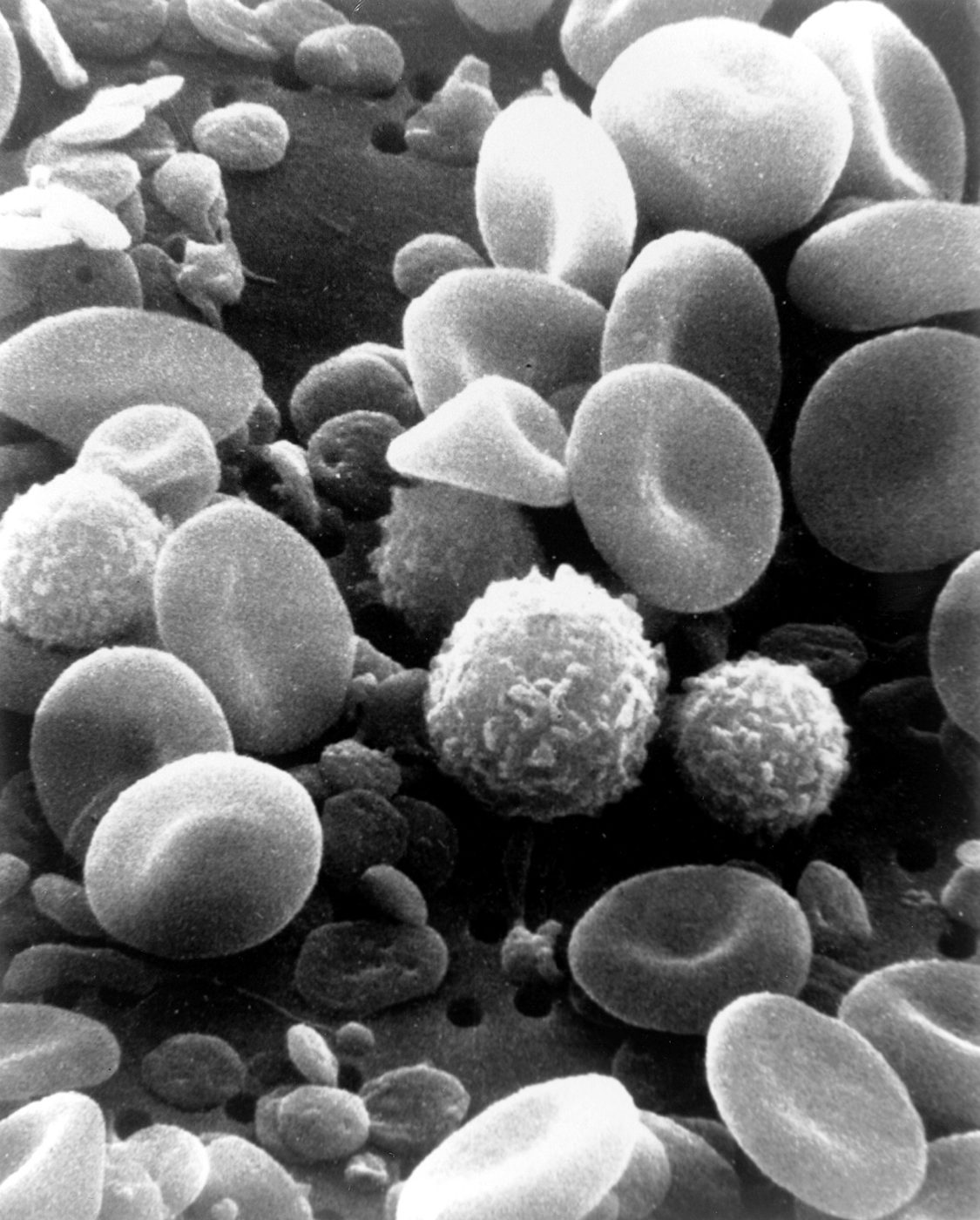
In a healthy person, a red blood cell usually survives for about 120 days, a 2023 review notes. Mature human red blood cells also have no nucleus.
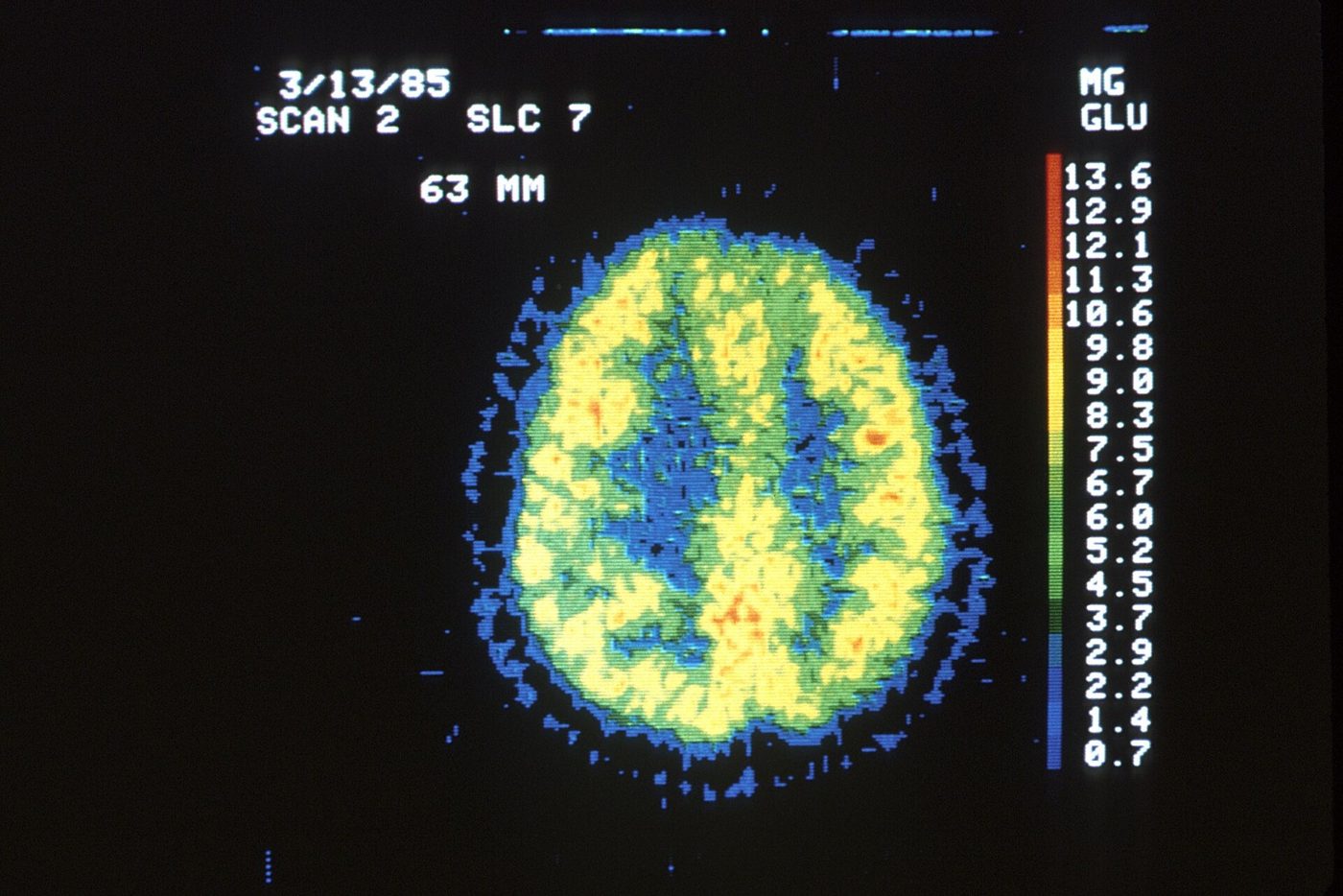
In the average adult at rest, the brain is only about 2% of body weight, yet it uses about 20% of the oxygen and calories the body consumes.