Invention
NIST-F2, an atomic clock launched in 2014 to help keep official U.S. time, would neither gain nor lose one second in about 300 million years.
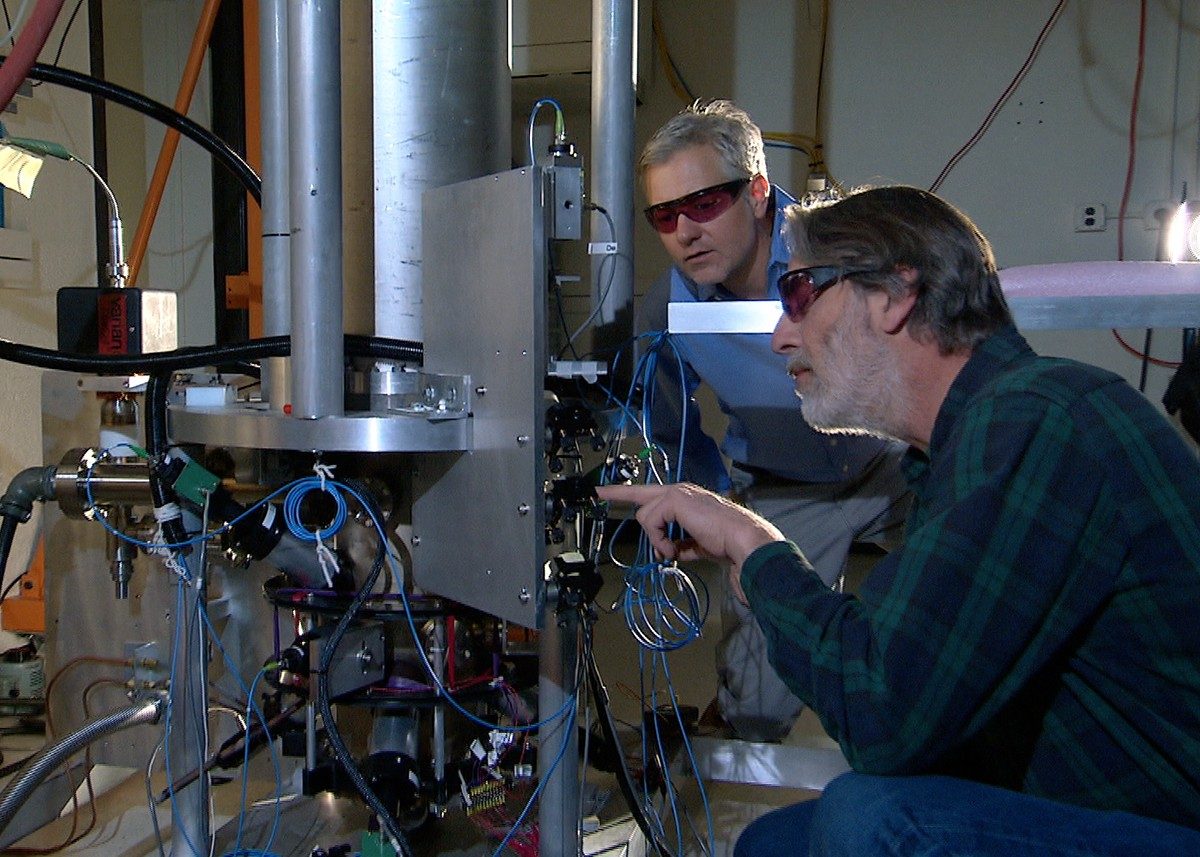 ILLUSTRATION · AI
NIST-F2, launched in 2014 as a U.S. civilian time standard, would neither gain nor lose one second in about 300 million years.
The National Institute of Standards and Technology officially launched NIST-F2 on April 3, 2014, in Boulder, Colorado, to serve as a new U.S. civilian time and frequency standard alongside NIST-F1.
NIST said the new clock would neither gain nor lose one second in about 300 million years, about three times as accurate as NIST-F1, the standard since 1999. Both are cesium fountain clocks, using a 'fountain' of cesium atoms to determine the exact length of a second.
SourcesEvery claim traced
- Tier 1 · Primary2014
Advertisement
Keep reading
More facts

Invention
NASA's space shuttles flew 135 missions in 30 years, from the first launch on April 12, 1981, to the final landing on July 21, 2011.
Verified2 min
Invention
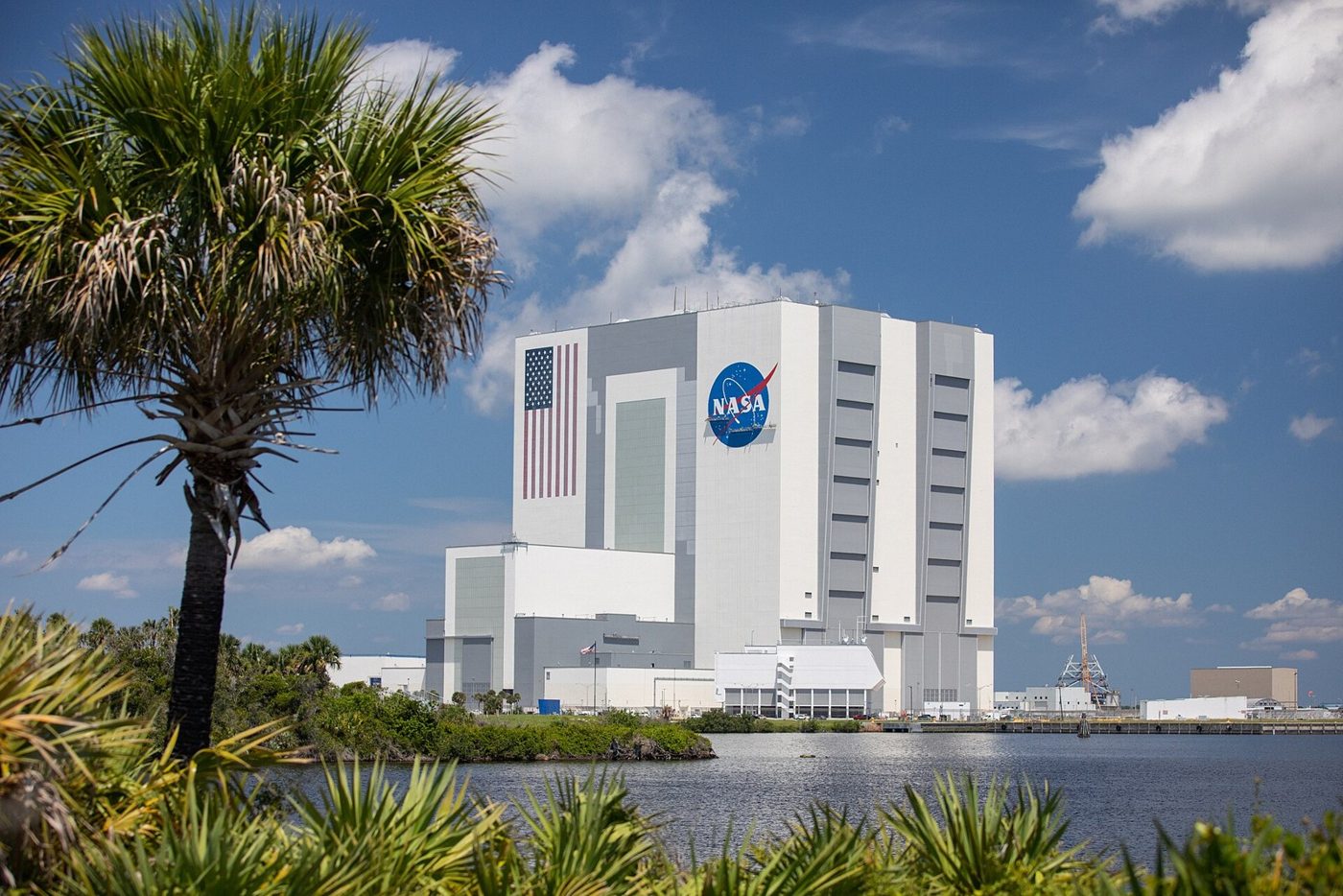
NASA's Vehicle Assembly Building is 525 feet tall. Its high bay doors are 456 feet high and take about 45 minutes to open or close completely.
Verified2 min
Invention
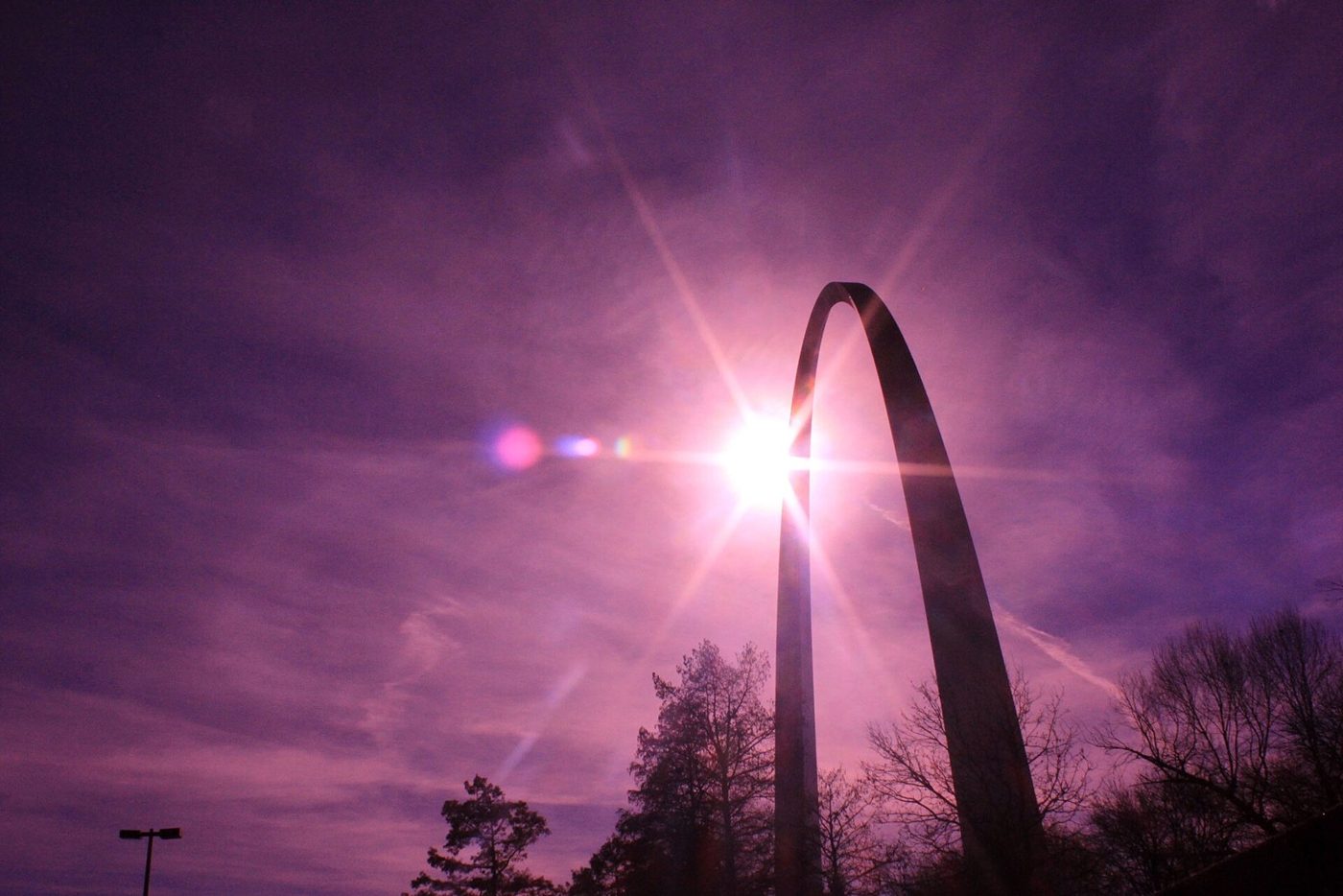
St. Louis' Gateway Arch is 630 feet tall. That's 75 feet taller than the Washington Monument and more than twice as tall as the Statue of Liberty.
Verified2 min