On June 14, 2025, Vitomir Maričić lay underwater at a hotel pool and did not breathe for 29 minutes and 3 seconds.
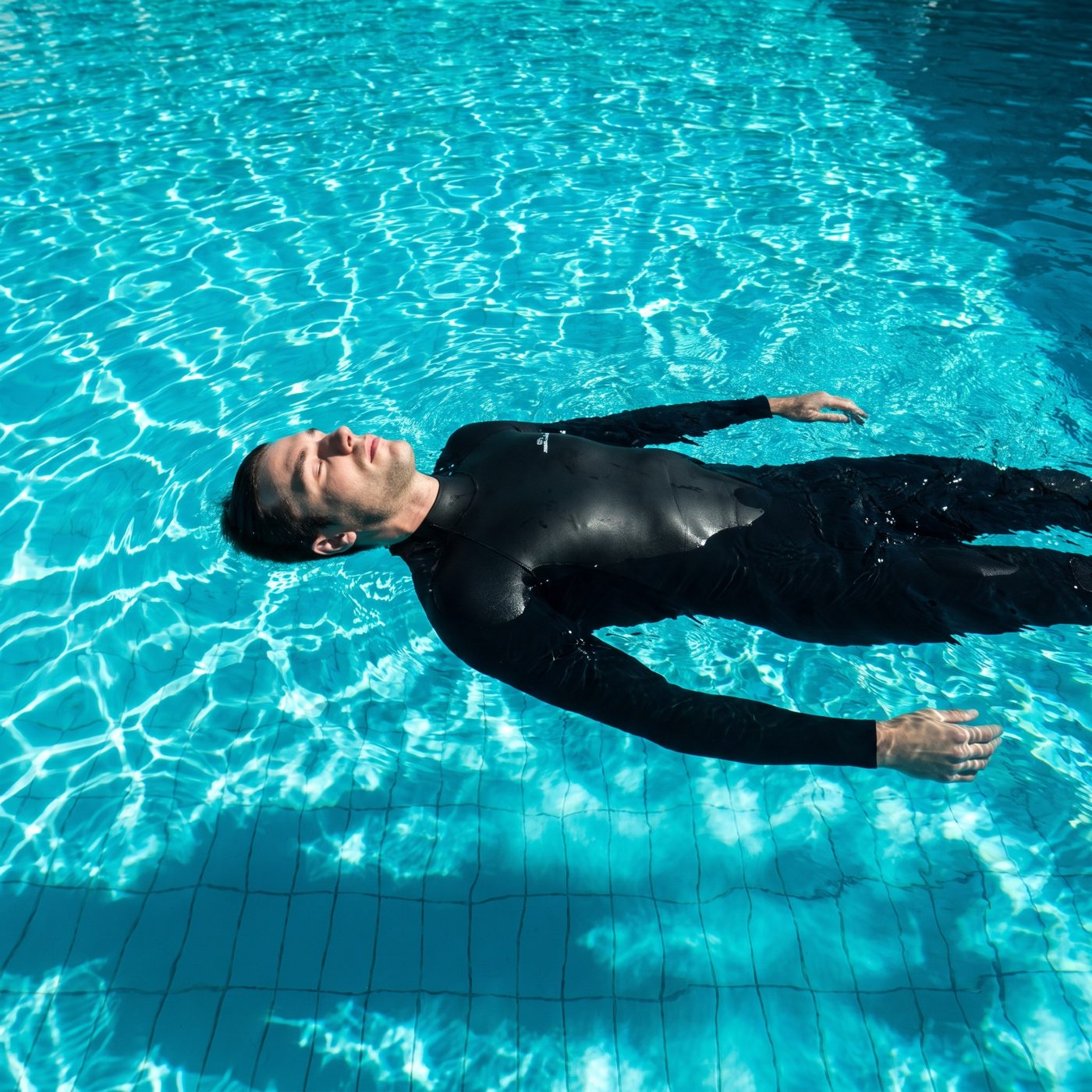 ILLUSTRATION · AI
On June 14, 2025, Croatian freediver Vitomir Maričić held his breath underwater for 29 minutes and 3 seconds, a Guinness World Record set with the help of pre-breathed pure oxygen.
For 29 minutes and 3 seconds on June 14, 2025, Vitomir Maričić lay motionless in a shallow hotel pool in Opatija, Croatia, and did not take a single breath. When he finally surfaced, he had beaten the previous world record by nearly five minutes — an eternity in a discipline measured to the fraction of a second.
Guinness World Records lists the feat plainly on its official page for "longest time breath held voluntarily underwater (male)": 29 min 3 sec, achieved by Maričić in Opatija on June 14, 2025, before AIDA judges. Divernet, the specialist freediving outlet, reported that five judges watched from poolside as he floated in the 3-meter pool at the Bristol Hotel. He erased the mark of 24 min 37.36 sec that fellow Croatian Budimir Šobat had set in March 2021.
How can a human hold their breath for almost half an hour?
The number sounds impossible because, on its own terms, it is. No human lungs hold nearly half an hour of ordinary breath. The trick is in the preparation, and Guinness is explicit about it: this record permits — and Maričić used — a period of breathing pure oxygen before the attempt.
Normal air is only about 21 percent oxygen. When Maričić inhaled pure oxygen for the minutes leading up to the dive, he flushed nitrogen out of his lungs and saturated his blood and tissues with a far richer oxygen supply than atmospheric air could ever provide. Guinness allowed Šobat up to 30 minutes of oxygen pre-breathing under the same rules in 2021. That reservoir is what buys the extra minutes underwater.
The University of Wollongong, examining the record in 2025, classified it precisely: this is an *oxygen-assisted* breath-hold, a different category from the pure "static apnea" a freediver performs on plain air. The distinction matters. Maričić's own personal best without oxygen is 10 minutes and 8 seconds — itself an extraordinary human feat, but not even half of what the oxygen-assisted number reads.
Why the oxygen matters
The physiology explains the gap. During a breath-hold, the urge to breathe is driven less by falling oxygen than by rising carbon dioxide in the blood. Elite freedivers train to tolerate that mounting CO₂ signal, and they slow their heart rate and metabolism to conserve fuel. But even a trained diver on ordinary air runs out of usable oxygen long before 29 minutes. Pre-breathing pure oxygen doesn't remove the CO₂ problem — it stacks the deck on the oxygen side, giving the body far more to spend before the tissues start to starve.
That is why Wollongong's scientists were careful to frame the achievement as a record of preparation and tolerance rather than a measure of raw lung capacity. The oxygen supercharges the reserve; Maričić's job was to lie still enough, and stay calm enough, to make it last.
The concrete detail that lingers is the setting: not a laboratory, not the open sea, but a hotel swimming pool three meters deep, with judges leaning over the edge and a clock running past the 24-minute mark where the old record died — then on, silently, for another four and a half minutes.
The seam still open to argue is the same one the categories try to draw a line through. Is the "real" human breath-hold the oxygen-assisted 29 minutes, or the unassisted 10-minute mark closer to the body's honest limit? Guinness tracks both, and freedivers debate which deserves the awe. Maričić holds one number that dazzles and another that arguably impresses the physiologists more — and the record book, for now, keeps them apart.
More facts
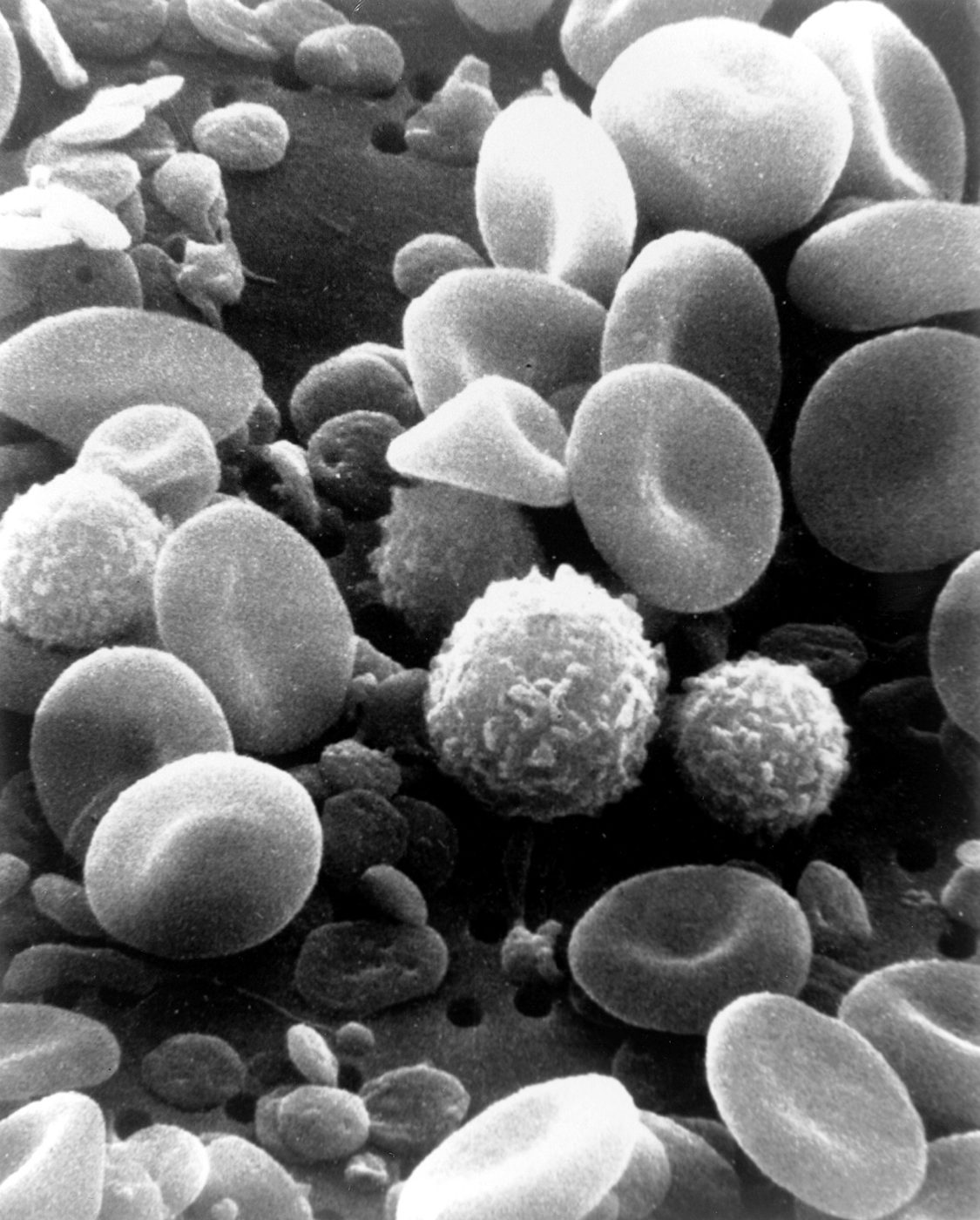
In a healthy person, a red blood cell usually survives for about 120 days, a 2023 review notes. Mature human red blood cells also have no nucleus.
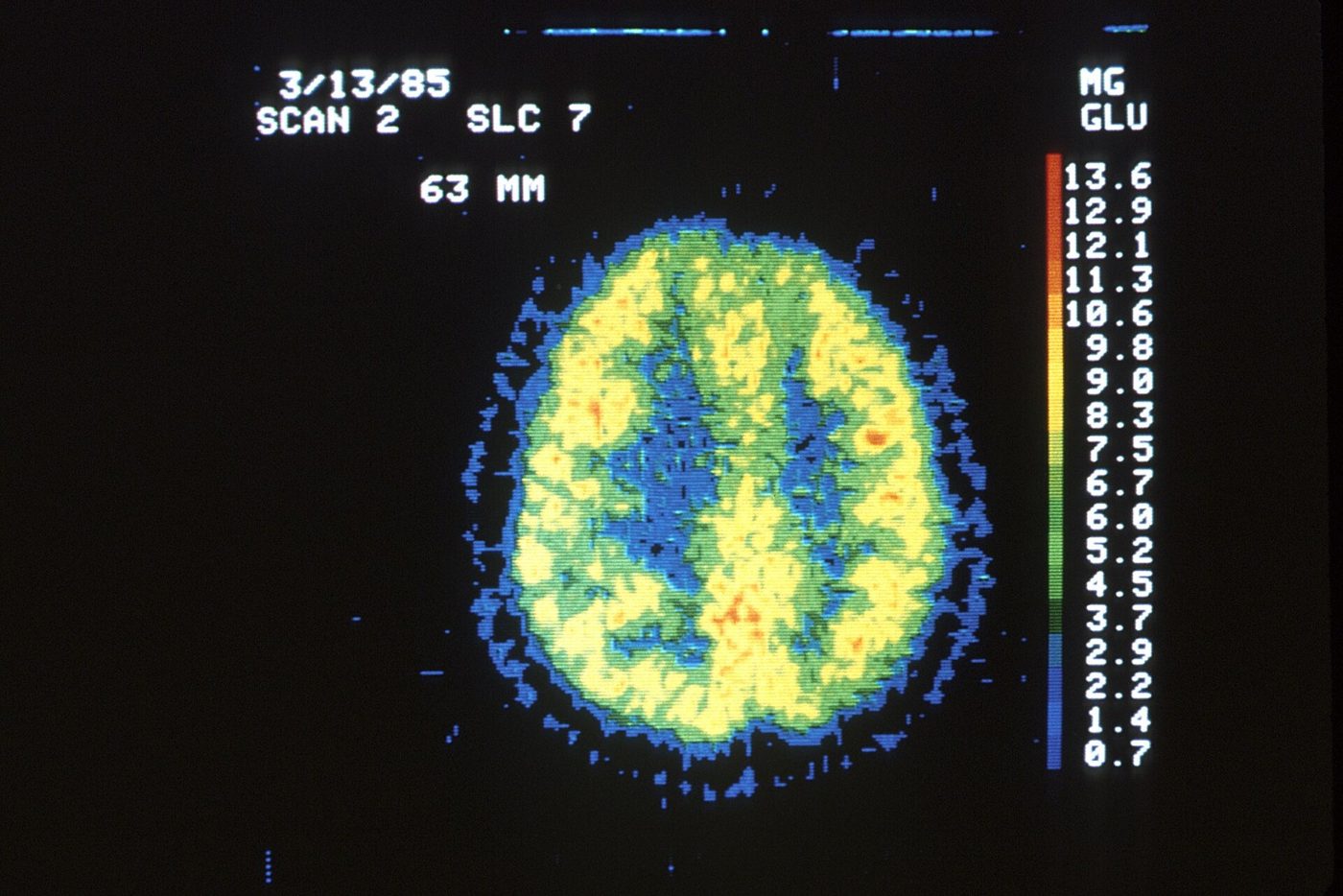
In the average adult at rest, the brain is only about 2% of body weight, yet it uses about 20% of the oxygen and calories the body consumes.