One lake in Siberia holds nearly 20% of all the unfrozen freshwater on Earth — more than all five Great Lakes combined.
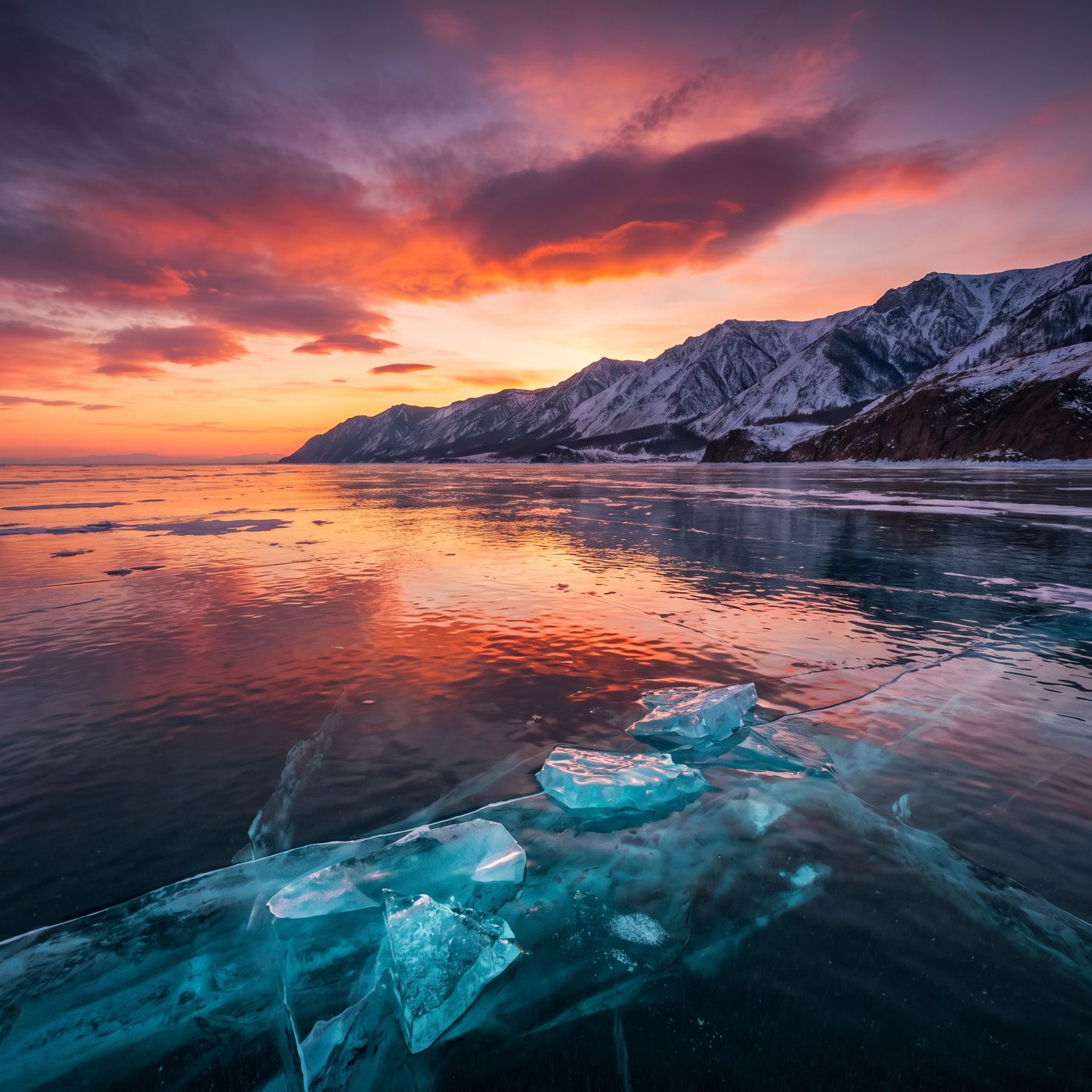 ILLUSTRATION · AI
A single lake in southern Siberia holds close to a fifth of all the liquid freshwater on the planet's surface — more than North America's five Great Lakes put together.
Lake Baikal, a crescent of water curving for nearly 400 miles through the mountains of southern Siberia, holds roughly 23,600 cubic kilometers of freshwater. That is close to 20% of all the unfrozen freshwater on the surface of the Earth — and it outvolumes all five of the North American Great Lakes combined. The figure is not a rounding trick or a viral exaggeration. It is written into the official record.
When UNESCO's World Heritage Committee inscribed Lake Baikal as Site N 754 in 1996, its formal Justification for Inscription stated the case plainly: Baikal "is the oldest and deepest of the world´s lakes containing nearly 20% of the world´s unfrozen freshwater reserve." That sentence is the durable, checkable core of the claim — a legal designation, not a headline.
How one lake holds so much water
The answer is geometry, not surface area. Baikal is not especially wide, but it is staggeringly deep. Its floor drops to more than 1,600 meters — over a mile straight down — making it the deepest lake on Earth. That depth is the product of its origin: Baikal sits in a continental rift valley, a place where the Earth's crust is slowly pulling apart. The basin has been widening and deepening for some 25 million years, which also makes it the oldest lake in existence. Most lakes are geological blinks, filling and silting away within a few tens of thousands of years. Baikal has kept accumulating water across a span longer than the existence of most modern mountain ranges.
The result is a reservoir that behaves less like a lake and more like a small sea. Its water is famously clear — in winter, divers report visibility of 30 to 40 meters through the ice — and it hosts creatures found nowhere else, including the nerpa, the world's only exclusively freshwater seal, marooned there since a time no one has fully explained.
How we know the number is real
The 20% figure has a documented chain behind it. The 2020 Conservation Outlook Assessment produced under the IUCN World Heritage Outlook puts Baikal's volume at 23,600 cubic kilometers — "ca. 20% of the global unfrozen freshwater reserves" — and it cites its sources rather than asserting the number on authority. Those sources trace back to the foundational limnological work of Mikhail Kozhov, whose 1963 study of Baikal remains a reference point, alongside a 2011 UNEP-WCMC compilation and the 1996 Committee decision itself.
The precision has since tightened. A Russian Academy of Sciences hydrological survey measured the volume at 23,615.39 cubic kilometers, confirming Baikal as Earth's largest freshwater reservoir by volume. Note the wording that matters here: "unfrozen." The polar ice caps and glaciers hold vastly more freshwater than Baikal — but they are frozen. Among the world's liquid freshwater that you could, in principle, dip a cup into, Baikal's single basin holds nearly a fifth.
The seam
The one thing worth arguing over is the phrase "nearly 20%" itself. The UNESCO list page describes Baikal's holdings in slightly different language in its brief summary than in its formal justification, and the underlying percentage depends on how you tally the world's total unfrozen freshwater — a number that shifts with your definition of what counts as accessible surface water versus groundwater versus soil moisture. Different global inventories yield different denominators, and so the headline share drifts a point or two depending on whose accounting you trust.
What does not drift is the volume in the basin. Twenty-three thousand cubic kilometers of water, more than a mile deep at its floor, older than the Himalaya, sitting in a slowly splitting seam of the Earth's crust. The exact percentage is a question of bookkeeping. The lake is not.
More facts
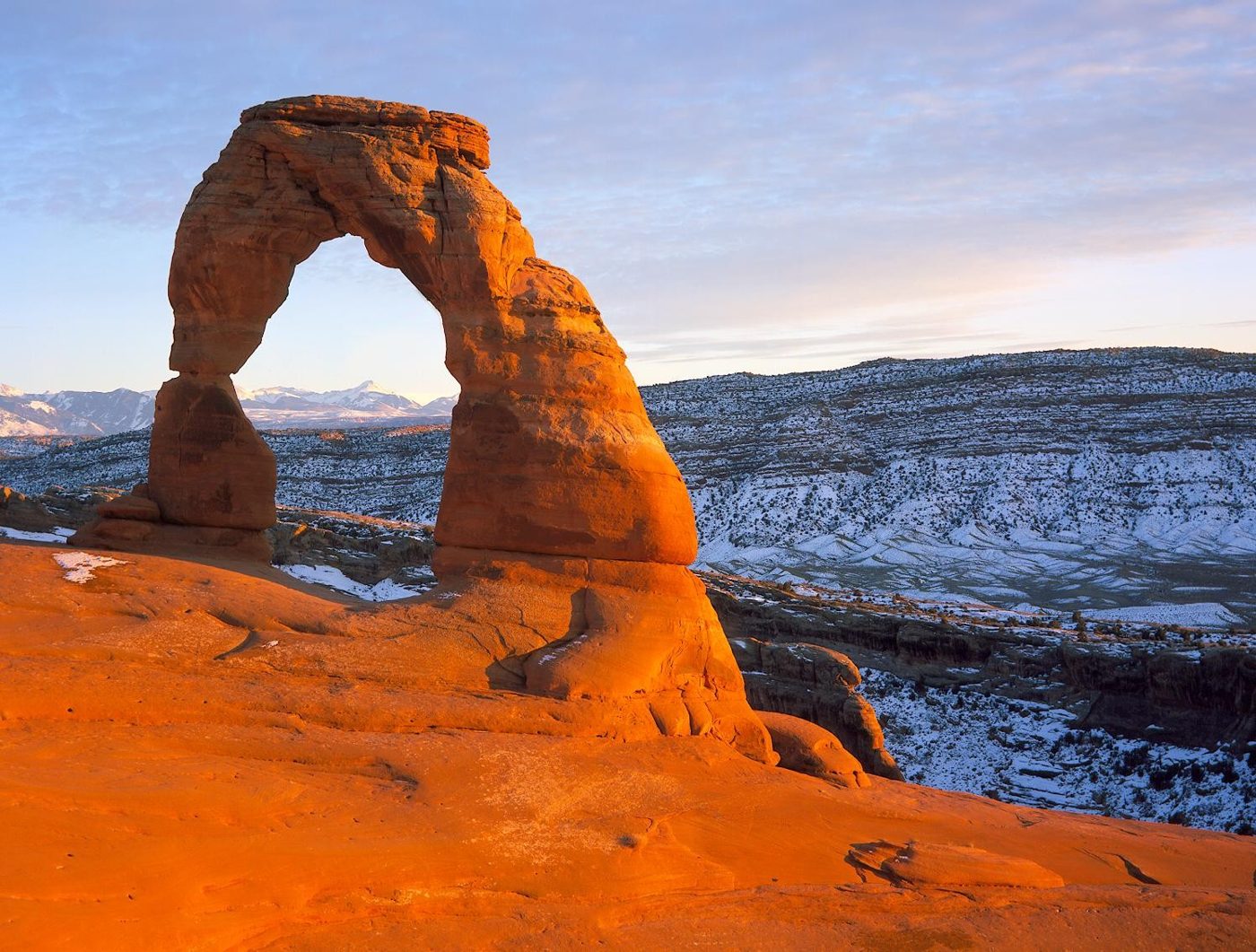
Arches National Park in Utah has over 2,000 documented natural stone arches, from sliver-thin cracks to spans greater than 300 feet, the National Park Service says.
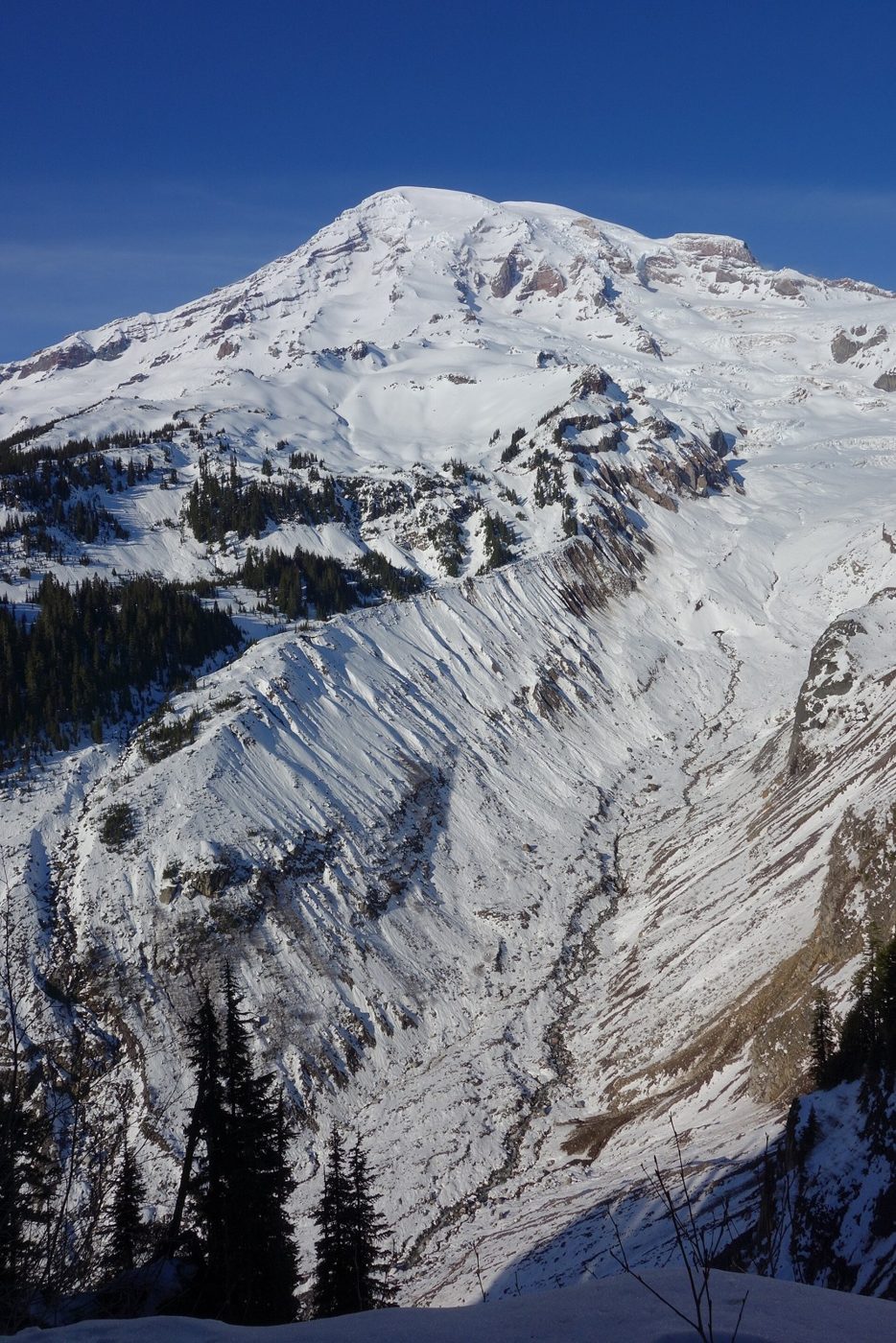
Mount Rainier carries 28 major glaciers. Together with its smaller snow and ice patches, they cover about 30 square miles and feed five major river systems.