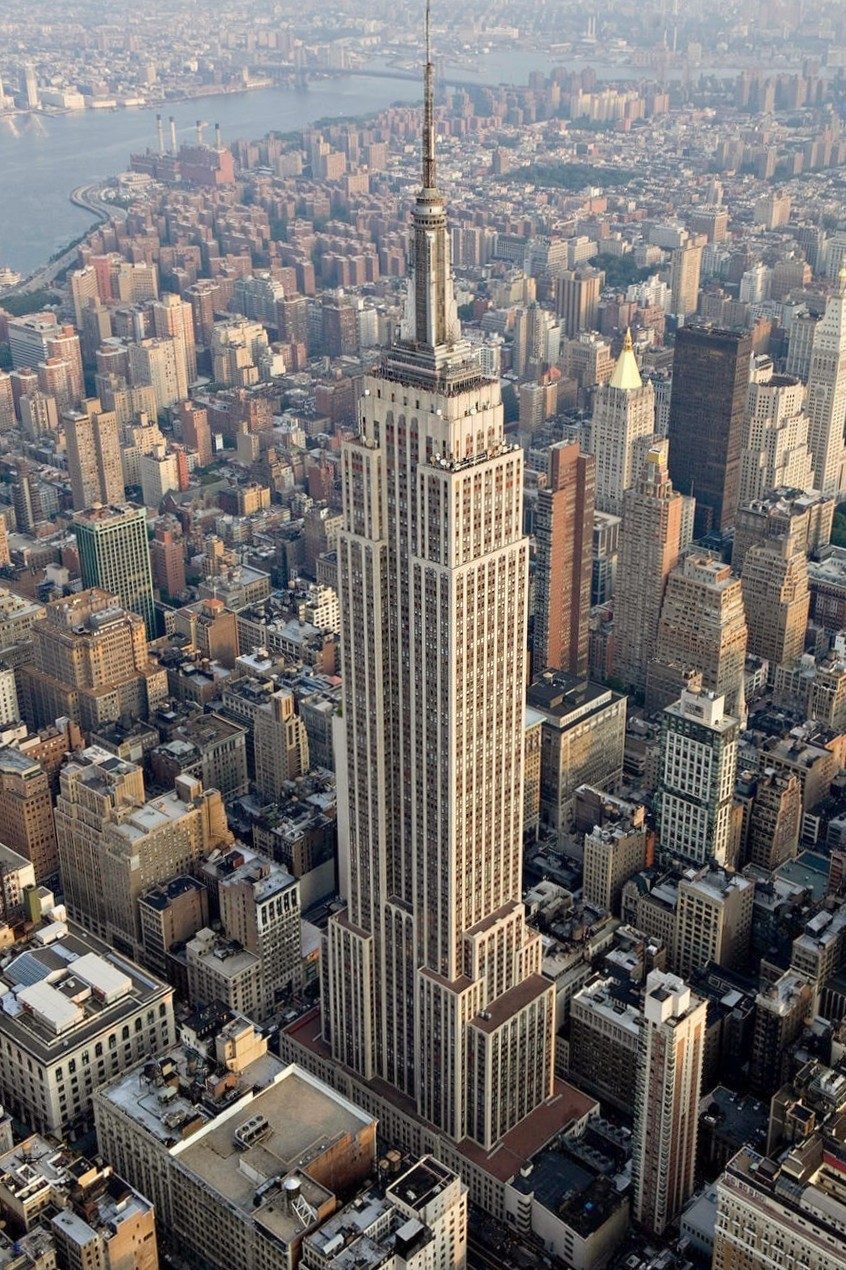
Prince's $100 million Warner deal paid its $10 million per album only if the previous album sold 5 million copies — a threshold he rarely hit.
 ILLUSTRATION · AI
Prince's celebrated $100 million Warner Bros. deal paid its $10 million per-album advance only when the previous album had sold at least 5 million copies — a bar he seldom cleared.
The headline number was the fantasy. The fine print was the fact. When Prince signed a contract extension with Warner Bros. on August 31, 1992, the press release that followed announced a record-shattering $100 million deal and named him a corporate vice president. What it didn't say was that the money arrived only if the records did. Each $10 million album advance was contingent on the prior album selling five million copies — a threshold Prince rarely reached.
That gap between the announced sum and the achievable sum is the engine of one of pop music's strangest chapters: the 1993 decision to abandon his name for an unpronounceable symbol.
Why the $100 million figure was marketing spin
The most direct account comes from inside Warner itself. In a 2023 interview with Variety, tied to the 30th anniversary of the name change, Warner Bros. senior vice president Jeff Gold described the $100 million press release as "jiggered together." The real structure, in Gold's words, was that Prince "had to sell 5 million copies of each record to get the next $10 million advance." Multiply six albums by ten million and you reach the round, quotable $100 million — but only in the best-case world where every record went multi-platinum.
The contemporaneous record backs the shape of the deal without confirming the spin. A UPI wire report dated September 4, 1992 announced the six-album agreement, the roughly $10 million advance per album, and Prince's new title as a corporate VP — while noting that the parties themselves kept the actual financial details undisclosed. In other words, the $100 million number was never something Warner formally verified. According to the Prince-history site Housequake, the press release touting the figure was issued by Prince's own publicist, without Warner's consent.
So the "$100 million deal" was, from its first day, a number the label had not signed off on and a payout Prince would have to earn record by record, at a sales pace few artists sustain.
How the money math fueled the name change
Here is the vivid part. Prince was one of the most prolific musicians alive, capable of recording faster than any label could release. Warner wanted to space out his catalog to protect sales; Prince wanted to flood the market with new work. A contract that only paid the next advance if the last album hit five million copies effectively tied his hands: to unlock the money, he needed blockbusters, and to make blockbusters at the volume he produced, he needed the label's cooperation on release schedules.
The friction over who controlled his output — and his name — is what produced the symbol. On June 7, 1993, his 35th birthday, Prince announced he would go by an unpronounceable glyph, a fusion of the male and female signs. He appeared in public with "slave" written on his cheek. The point was to argue that the name "Prince" was a brand Warner owned, and that a symbol no one could speak or trademark the same way put distance between the artist and the corporate machine that held his contract.
The music itself became the counterargument. Prince began pushing out albums at a pace designed less to top charts than to burn through his contractual obligation, treating the six-album commitment as a countdown rather than a career.
What's still open to argue
Whether the deal was a genuine humiliation or a shrewd headline Prince welcomed remains contested. The press release inflating the terms came from his side, not Warner's — which complicates the tidy story of an artist purely victimized by a label. Gold's account is candid and on the record, but it's one executive's memory of a private contract whose actual figures the parties never released.
What's not in dispute is the arithmetic that made the fight inevitable: a hundred-million-dollar promise built on a five-million-copy trigger, offered to a man who couldn't stop making records.
More facts
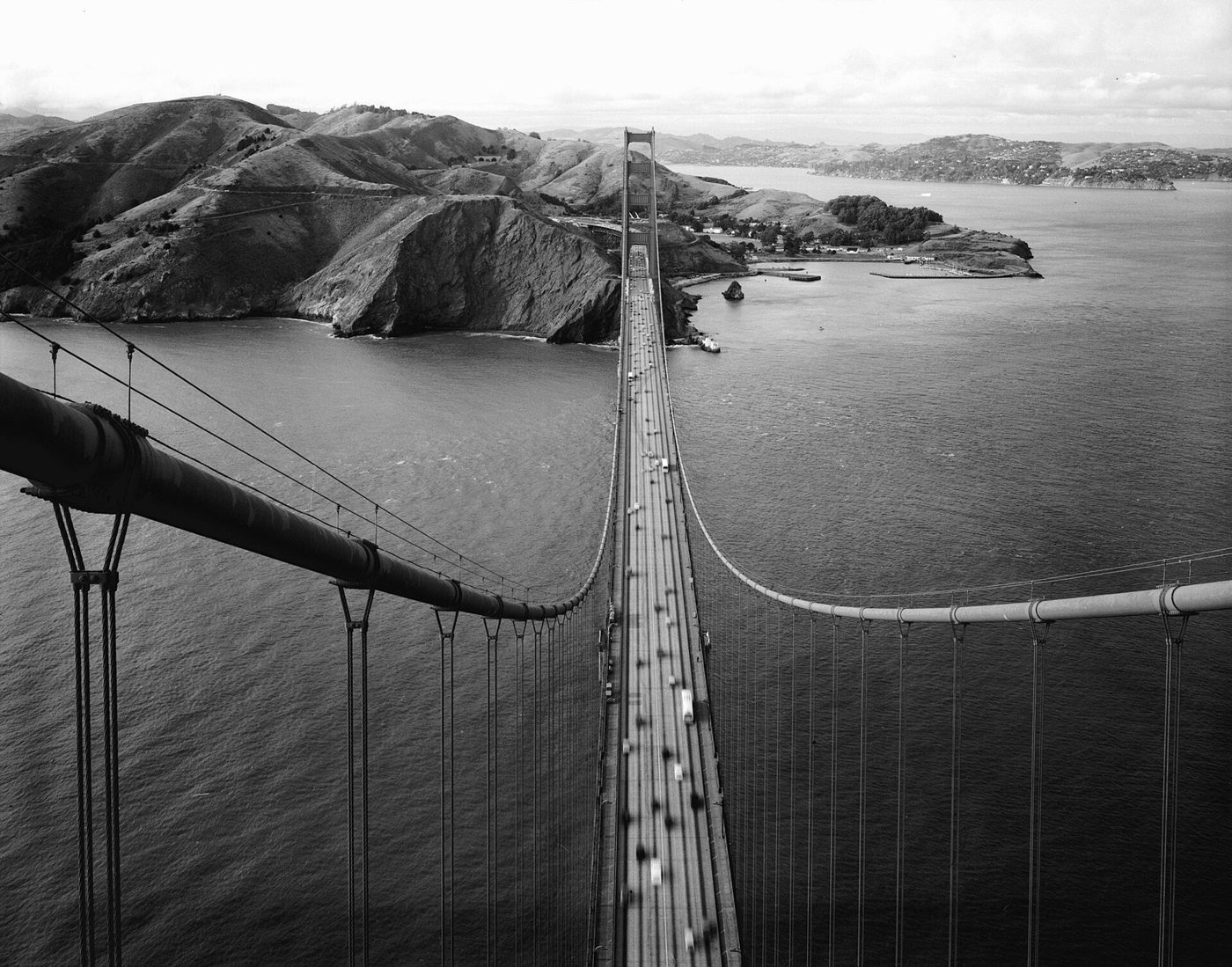
The Golden Gate Bridge's two main cables hold 80,000 miles of steel wire. Each cable is made of 27,572 separate wires bundled together.
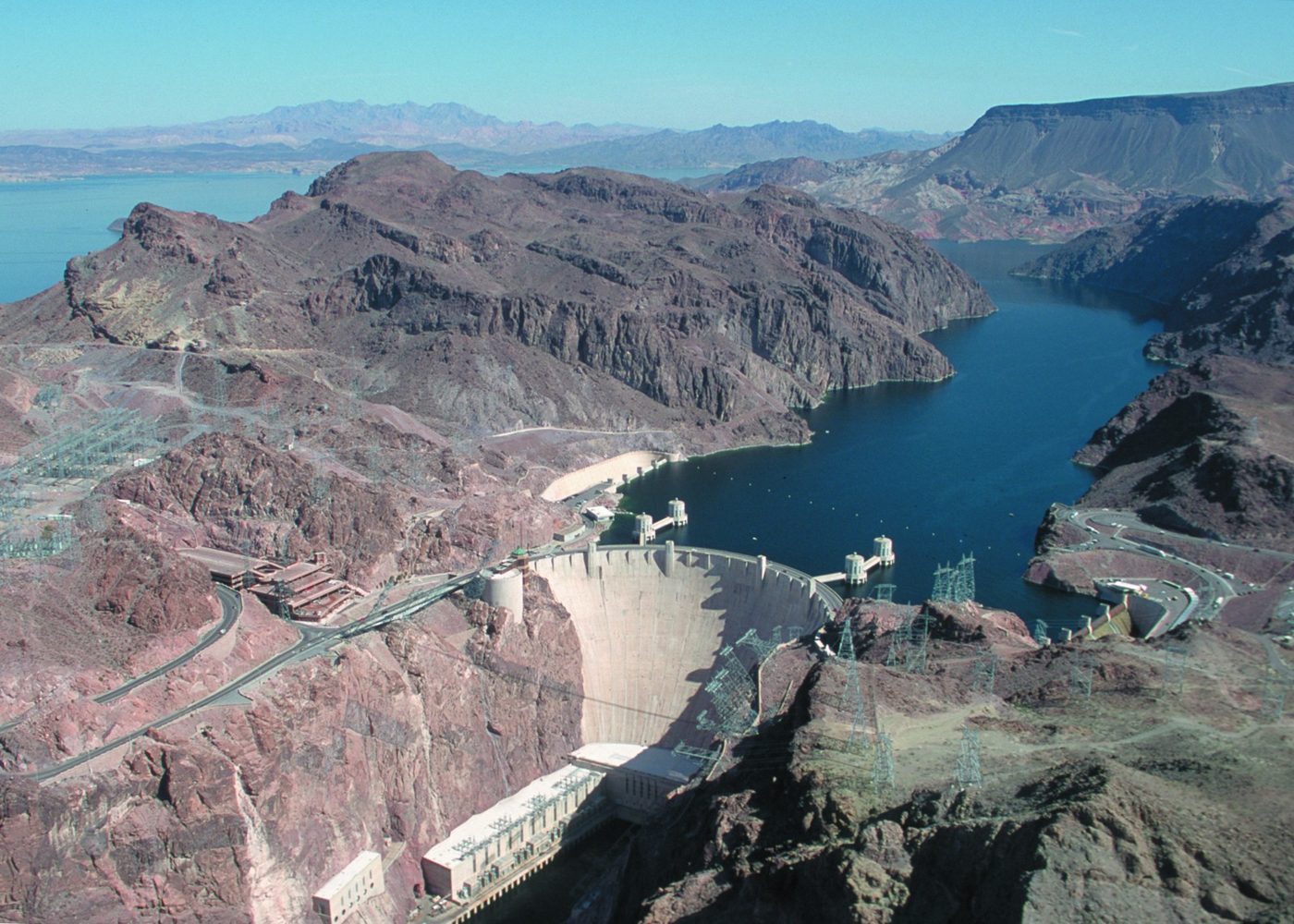
The Hoover Dam complex, the dam, powerplant and related works, holds 4.36 million cubic yards of concrete: enough to pave a 16-foot-wide highway from San Francisco to New York.