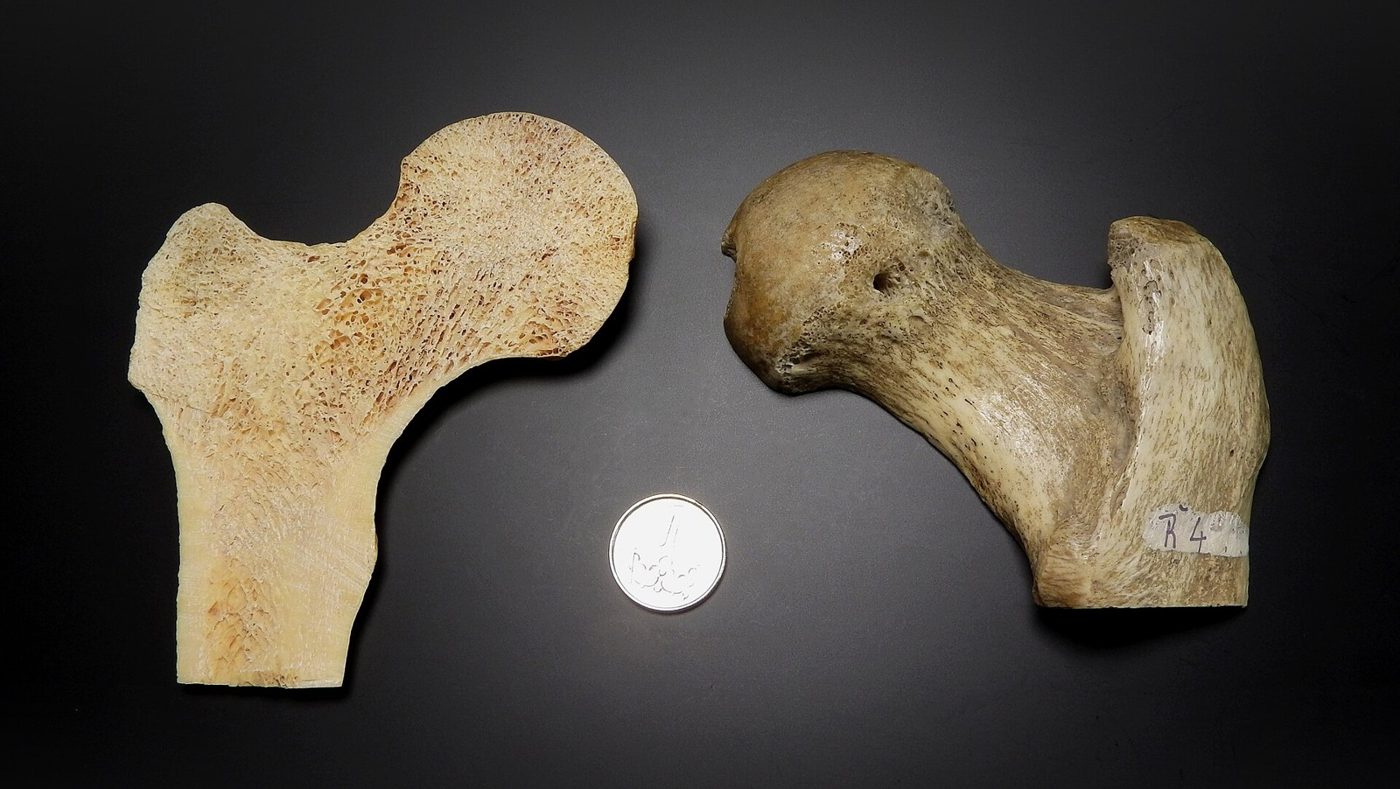
Real sneeze droplets travel just 2 to 5.4 m/s — about walking speed — not the 100 mph figure that's been repeated for decades.
 ILLUSTRATION · AI
When researchers actually filmed and measured real human sneezes, the droplets moved at 2 to 5.4 meters per second — roughly brisk walking speed, not the highway-speed figures long repeated in the press.
A sneeze does not launch droplets at 100 miles per hour. When physicists actually tracked the droplets coming out of real human noses and mouths, the mean droplet velocity landed between 2 and 5.4 meters per second — somewhere around a fast walk, and nowhere near the dramatic figures that have circulated for years.
That measurement comes from a 2021 study in *Physics of Fluids*, published by AIP Publishing (vol. 33, article 111901; DOI 10.1063/5.0067609). Prashant Bahl, Charitha de Silva, C. Raina MacIntyre, Shovon Bhattacharjee, Abrar Ahmad Chughtai, and Con Doolan set out to do something surprisingly rare: measure the speed of the droplets themselves, from genuine sneezes, rather than infer it from a model or a mannequin.
How they measured a real sneeze
The team recruited four volunteers and captured 35 actual sneezes. To clock the droplets, they used particle tracking velocimetry — a technique that follows individual particles across successive high-speed video frames and calculates how far each one moved between frames. Divide displacement by time and you get velocity, droplet by droplet, rather than a single blurry guess for the whole cloud.
That distinction matters. Much of what the public "knows" about sneeze speed traces back to simulations, replicated sneezes using pressurized nozzles, or measurements of the fast-moving jet of air rather than the liquid droplets riding in it. Air can move quickly; the droplets, heavier and quickly slowed by drag, do not keep up. The authors are direct about the gap. In their own words, the mean droplet velocities of 2–5.4 m/s "are significantly lower than what is usually assumed in the studies simulating or replicating sneezes."
The paper is open-access under a Creative Commons license, so anyone can read the full text through PubMed Central and check the numbers against the figures — the velocity distributions, the tracked trajectories, the frame-by-frame breakdown. This is the "verified" part: not a press release, but the primary record with its data on display.
Why the 100 mph number stuck
If real droplets crawl along at walking speed, where did the highway figure come from? Part of the answer is that different things get measured and then conflated. The initial burst of air leaving the nose and mouth can be genuinely fast, and some early estimates described that airflow rather than the droplets. Over decades of retelling — in health advisories, science segments, and viral posts — the scary top-line number detached from what it originally described and became "how fast a sneeze travels." A vivid figure is easy to repeat and hard to dislodge.
The vivid detail in the actual data cuts the other way. Watching those 35 sneezes frame by frame, the researchers found droplets that behaved like heavy little projectiles losing steam almost immediately, not like bullets. The cloud spreads and settles under the physics of drag and gravity, not the ballistics of a firearm.
None of this means a sneeze is harmless. Slow droplets can still carry pathogens, and how far respiratory particles ultimately travel depends on their size, the surrounding airflow, humidity, and how the smallest particles linger as an aerosol long after the initial burst. The Bahl team measured droplet velocity from four people — a small, controlled sample — and speed is only one variable in transmission.
That's the seam still open to argue about: real droplets are slower than the legend claims, but "slower" is not the same as "shorter range" or "safer." How that modest launch speed translates into actual exposure risk — across many more people, in real rooms with real ventilation — is exactly the question the next round of measurements has to settle.
More facts
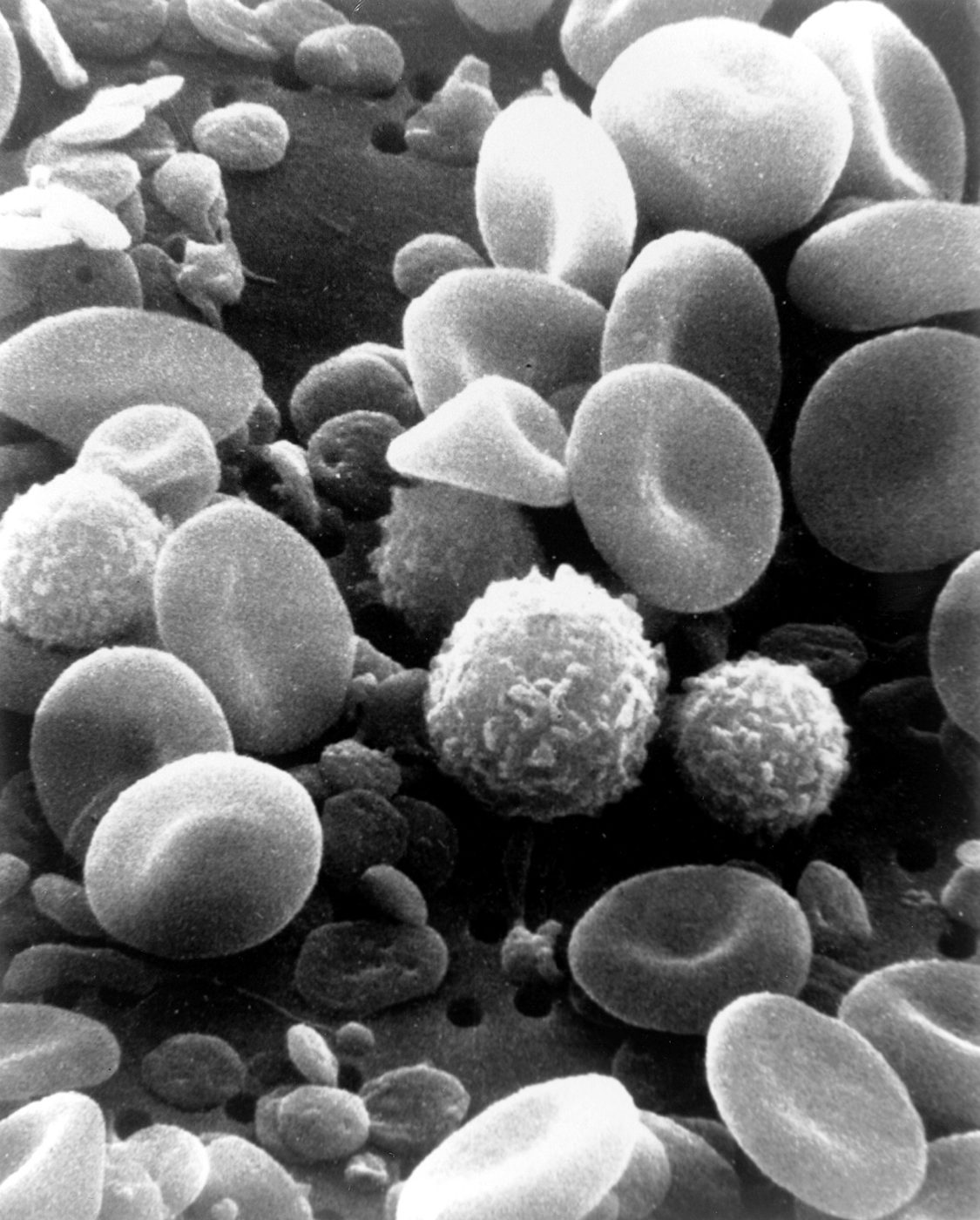
In a healthy person, a red blood cell usually survives for about 120 days, a 2023 review notes. Mature human red blood cells also have no nucleus.
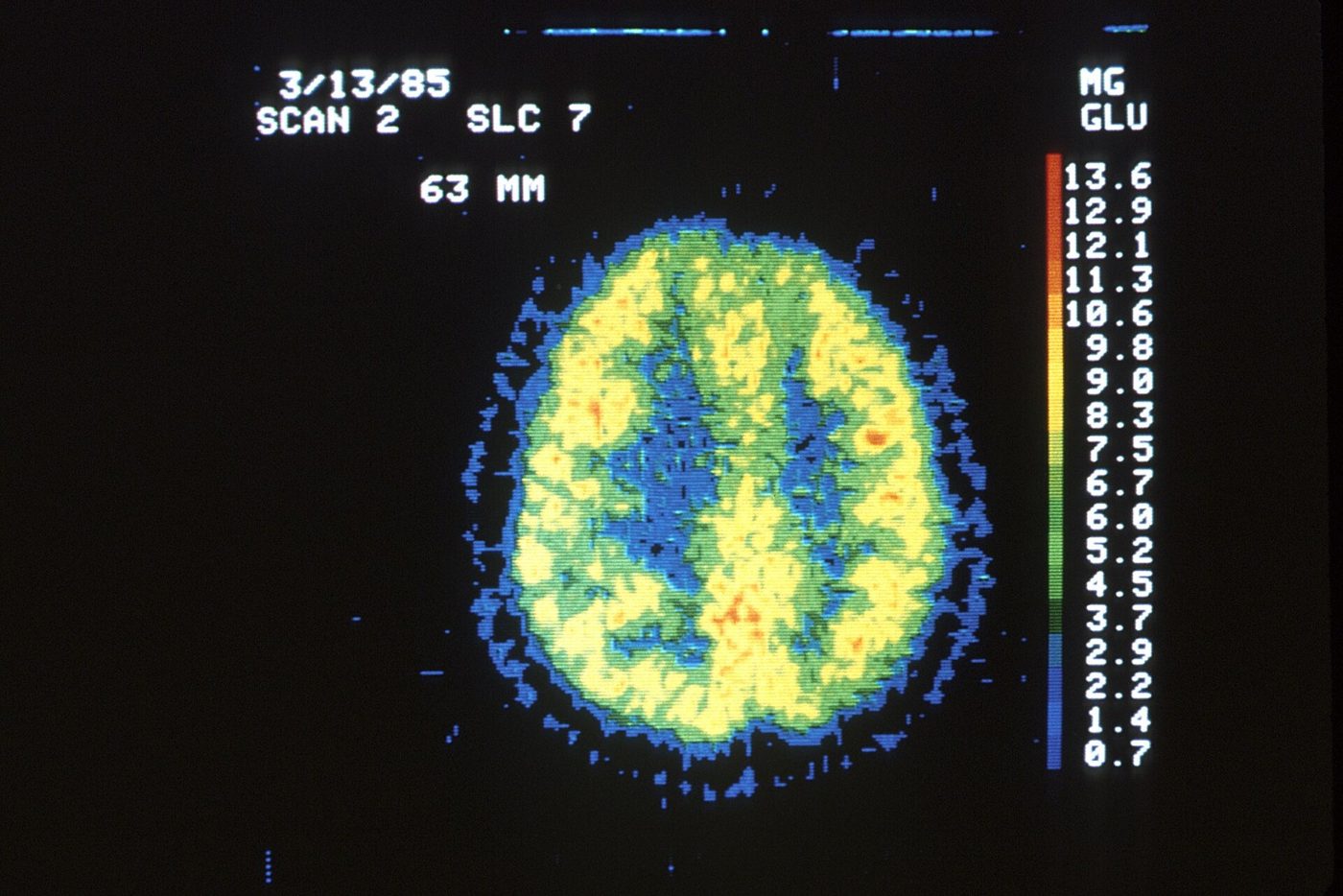
In the average adult at rest, the brain is only about 2% of body weight, yet it uses about 20% of the oxygen and calories the body consumes.