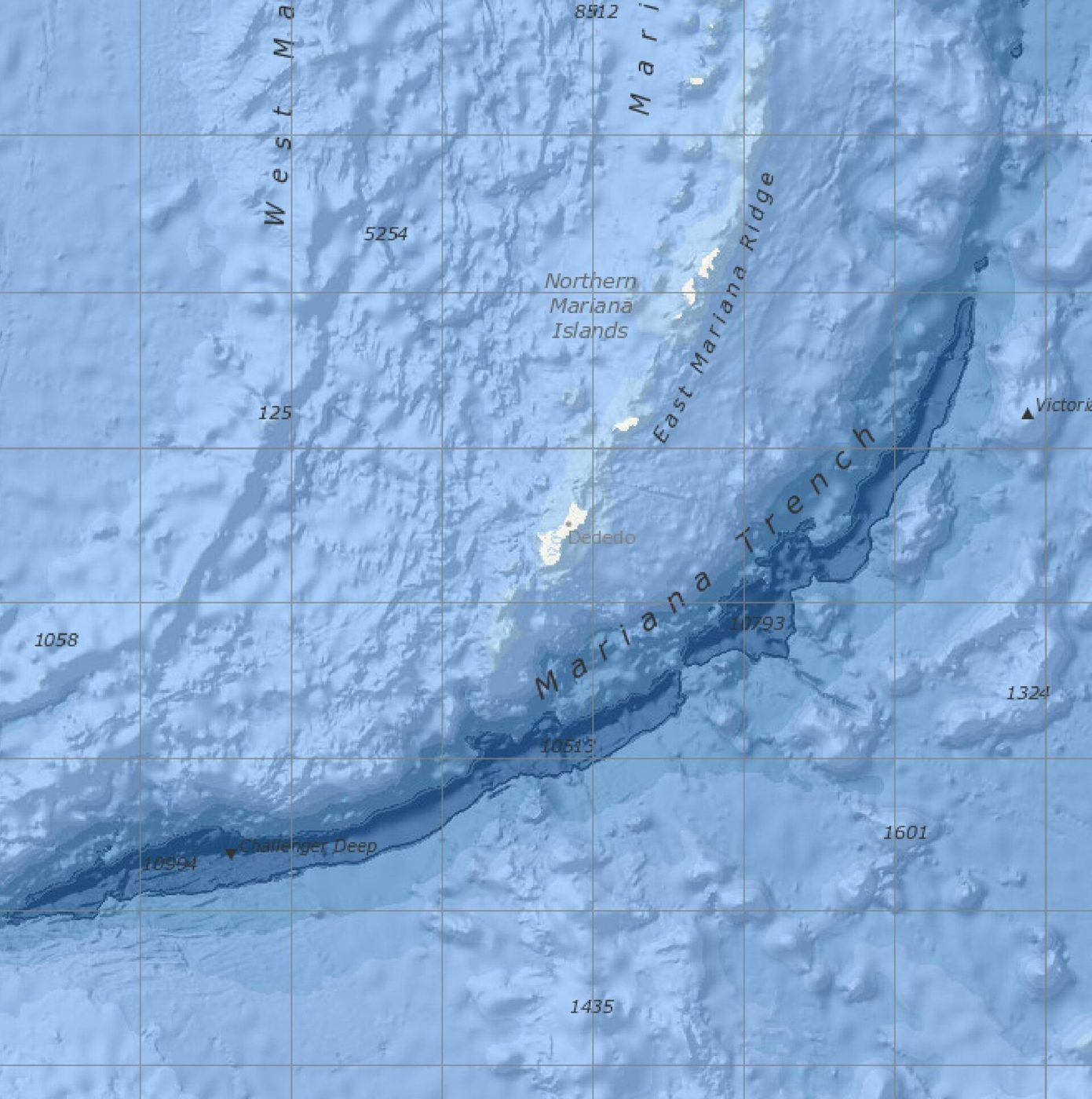
Satellites clocked −135.8°F on the East Antarctic Plateau in 2010 — colder than any thermometer has ever officially measured on Earth.
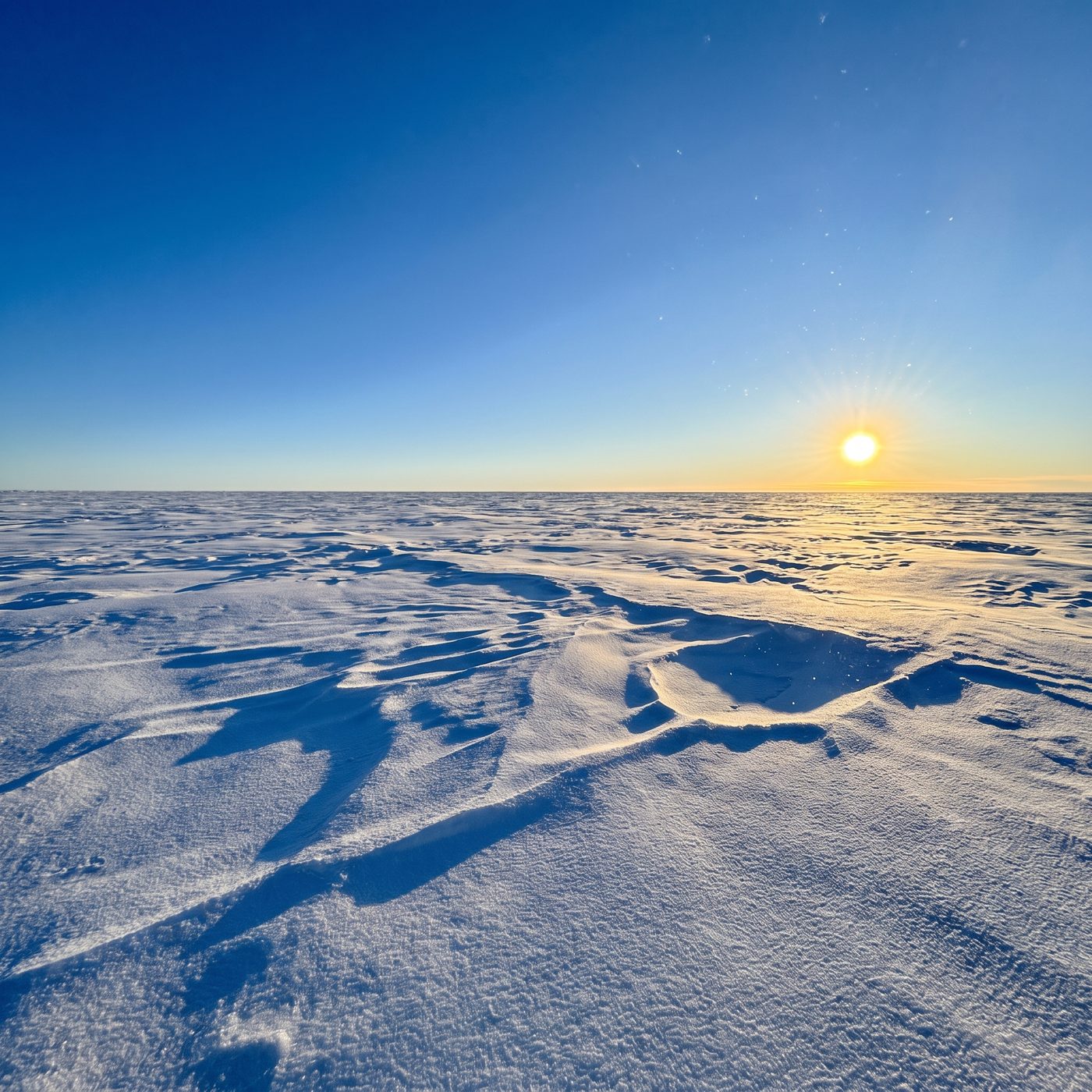 ILLUSTRATION · AI
Satellites reading the ice surface on the East Antarctic Plateau recorded −93.2°C (−135.8°F) in 2010 — colder than the official −89.2°C thermometer record from Vostok Station, though the world's record-keepers still don't count it.
On August 10, 2010, in a shallow dip in the ice near the ridge between Dome Argus and Dome Fuji on the East Antarctic Plateau, the surface of the snow fell to −93.2°C — that's −135.8°F. It is the coldest temperature ever measured anywhere on Earth. And yet, if you ask the World Meteorological Organization, the coldest place on record is still Vostok Station at −89.2°C, set on July 21, 1983. Both facts are true, and the gap between them is a story about how we measure cold.
How satellites found a colder cold than any thermometer
The −93.2°C reading did not come from a thermometer on a pole. It came from spacecraft. Ted Scambos, a glaciologist then at the National Snow and Ice Data Center in Colorado, led a team that combed through years of thermal-infrared data — the wavelengths that reveal how much heat a surface is radiating. They pulled from NASA's MODIS instruments aboard the Aqua and Terra satellites, from the AVHRR sensors on NOAA's weather satellites, and from the sharp-eyed Landsat 8 built by NASA and the U.S. Geological Survey.
What they announced in 2013, and later published in Geophysical Research Letters in 2018, was not a single frozen spot but a belt of extreme cold. Along a 1,000-kilometer stretch of the highest part of the East Antarctic ice divide, the snow surface routinely dropped to between −92 and −94°C on the clearest, calmest winter nights. In the 2018 paper, after refining their methods, Scambos and colleagues put the true minimum even lower — around −98°C in small hollows.
The mechanism is almost simple. On the high plateau, the air is thin, bone-dry, and utterly still for days. With no clouds and no water vapor to trap heat, the surface radiates its warmth straight out to space and keeps cooling. Cold air, being dense, then pools in shallow topographic dips — like water collecting in a low spot. Sit in one of those hollows through a long polar night and the snow beneath you gets colder than the air a few feet above it.
Why it's still not the official record
Here is the catch that keeps Vostok on the throne. The satellite figure is a *skin* temperature — the reading of the actual ice surface. The WMO's official record requires something different: a standard air temperature taken by a thermometer at roughly 1.5 meters above the ground, at a recognized weather station.
Randy Cerveny, the Arizona State University climatologist who serves as the WMO's rapporteur on weather extremes, explained the distinction plainly when the news broke in 2013. A surface radiating at −93.2°C is a genuine measurement, but it isn't the same quantity as air temperature, and it wasn't made with the standardized instrument the record demands. So the satellite value, extraordinary as it is, stays outside the official ledger. The −89.2°C at Vostok — recorded by an actual thermometer at an actual staffed station — remains the coldest temperature officially observed on Earth.
One vivid detail from the hunt makes the strangeness concrete: the coldest spots weren't peaks but pockets. The very lowest readings sat in clefts and depressions only a few feet deep, where the heaviest, coldest air had nowhere to drain. The record cold hides in the dents, not the summits.
That leaves an honest argument still open. Should the definition of "coldest place on Earth" bend toward what a satellite can see across an entire continent, or hold to the disciplined tradition of a thermometer at head height? Scambos himself has been careful to call his findings surface temperatures, not a new record. For now the two numbers coexist — one measured from orbit, one from a pole in the snow — and choosing between them is less about the ice than about what, exactly, we mean when we say we've measured the cold.
More facts
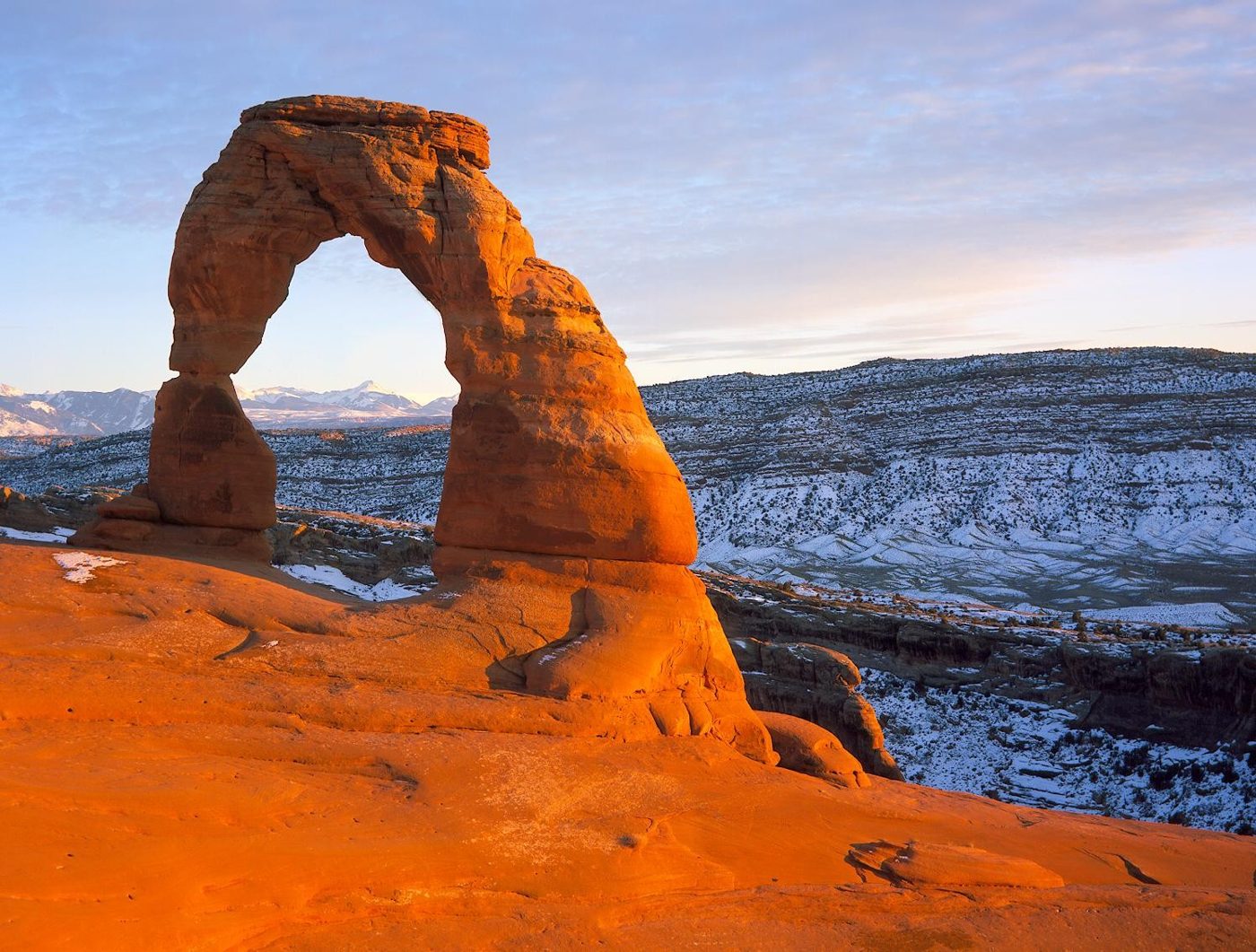
Arches National Park in Utah has over 2,000 documented natural stone arches, from sliver-thin cracks to spans greater than 300 feet, the National Park Service says.
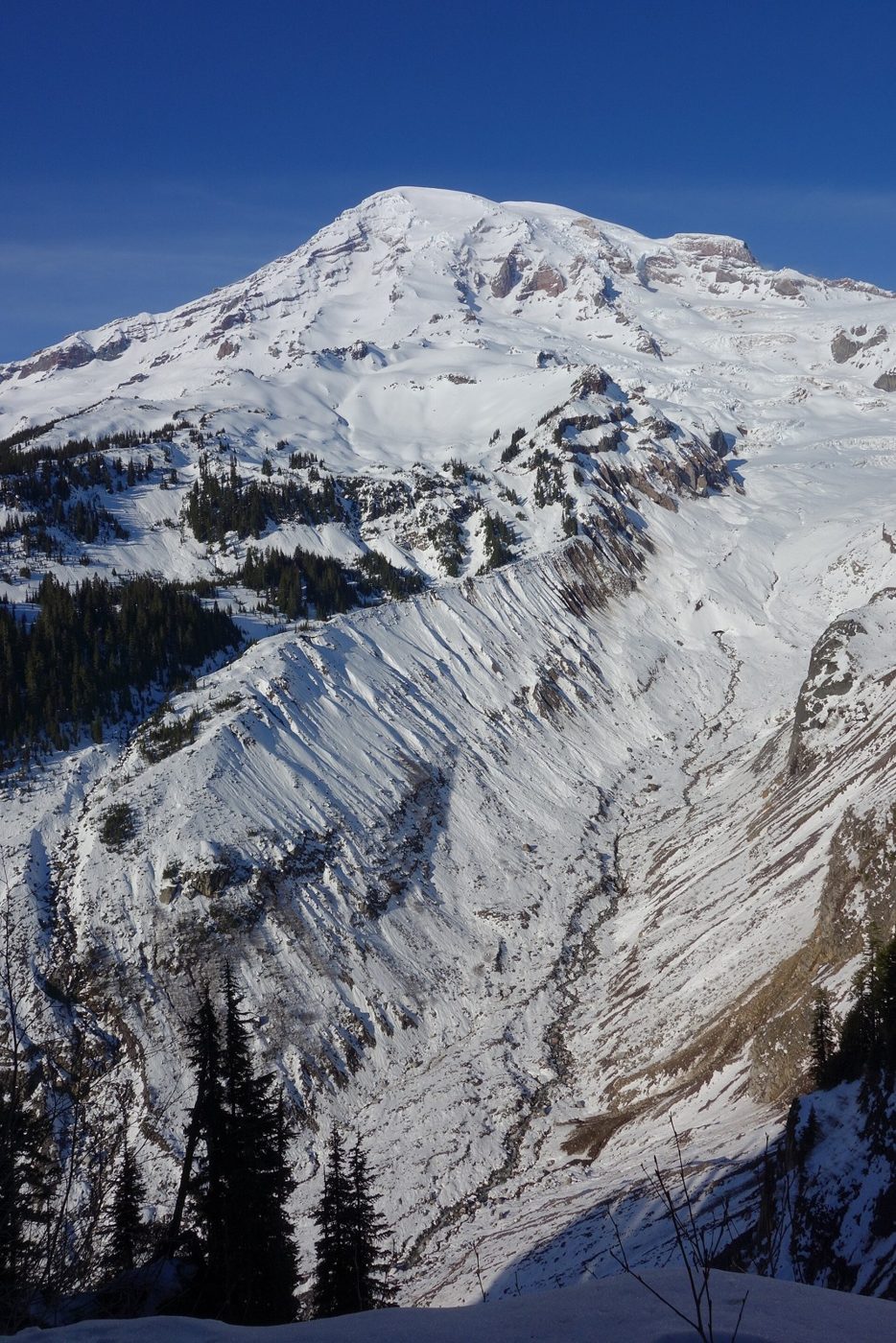
Mount Rainier carries 28 major glaciers. Together with its smaller snow and ice patches, they cover about 30 square miles and feed five major river systems.