The Amazon dumps enough fresh water into the sea in ONE day to supply New York City for over 9 years — per the USGS.
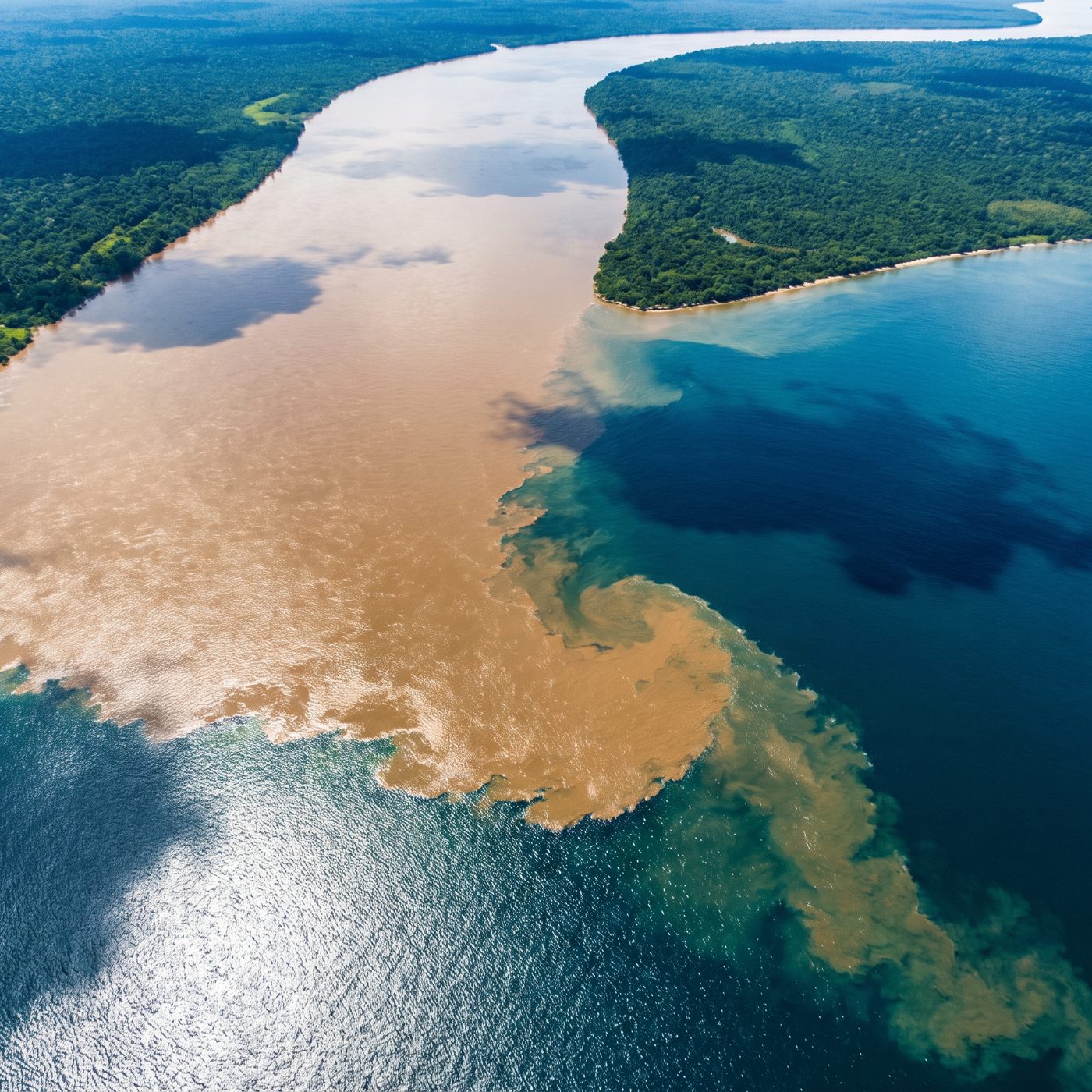 ILLUSTRATION · AI
A 1967 U.S. Geological Survey report found the Amazon River pours enough fresh water into the sea in a single day to meet New York City's water needs for more than nine years.
In one day, the Amazon River empties enough fresh water into the sea to keep New York City in drinking water for over nine years. That is not a figure of speech or a viral exaggeration — it comes straight from a U.S. Geological Survey report titled "The Amazon, measuring a mighty river," published in 1967. Its abstract puts it plainly: the river "discharges enough water into the sea each day to provide fresh water to the City of New York for over 9 years."
Sit with that comparison. A city of millions, its taps and hydrants and reservoirs, running for nearly a decade — and the Amazon supplies the equivalent before the sun sets once.
How the Amazon moves that much water
The number is enormous because the river is enormous. The Amazon drains a basin of roughly 2.7 million square miles, gathering rainfall from the Andes to the Atlantic. Modern gauge measurements, cross-checked by the USGS and Brazilian hydrological services, put its average discharge at about 209,000 cubic meters per second. No other river on Earth comes close by volume. The Amazon alone accounts for something like a fifth of all the fresh water that rivers carry into the world's oceans.
Multiply 209,000 cubic meters every second by the 86,400 seconds in a day and you get a torrent measured in the tens of billions of cubic meters. Set that against a single city's daily demand and the arithmetic runs out to years — which is exactly the kind of scale the 1967 report was trying to make graspable for a reader who had never stood on the riverbank.
The plume is real enough to see and taste. Where the Amazon meets the Atlantic, its outflow pushes fresh, sediment-heavy water more than a hundred miles offshore, diluting the salt sea itself. Sailors in the age of exploration reported drawing drinkable water from the ocean while still out of sight of land — the river reaching past the coastline to remind them it was there.
Why the "nine years" figure needs a little care
Two things are worth being precise about, since the whole point of a checkable fact is checking it. First, the USGS report says the water goes into "the sea," not specifically "the Atlantic," though the Amazon does in fact empty into the Atlantic. Second, this is a 1967 document, and its comparison rests on New York City's water consumption as it stood in the 1960s. A city's daily draw is not a fixed constant; it shifts with population, plumbing, industry, and conservation habits over the decades.
That is the honest seam in the fact. The Amazon's discharge is a physical measurement, refined but not overturned by later gauging. The "nine years" ratio, though, is only as current as the denominator — how much water a city actually uses. New York today runs its system on roughly a billion gallons a day, and its per-capita consumption has drifted down over the years even as the metro area has grown. Redo the comparison with a modern figure and the exact number of years would move.
What does not move is the order of magnitude. Whether the answer lands at nine years or a few more or a few less, the Amazon still delivers, in a single day, what one of the world's largest cities takes the better part of a decade to drink. The USGS chose the comparison in 1967 for the same reason it still works: raw discharge in cubic meters per second means little until you hang a human life against it.
So the next time you fill a glass from the tap, consider that the Amazon has already replaced your city's yearly supply — nine times over — since yesterday.
More facts
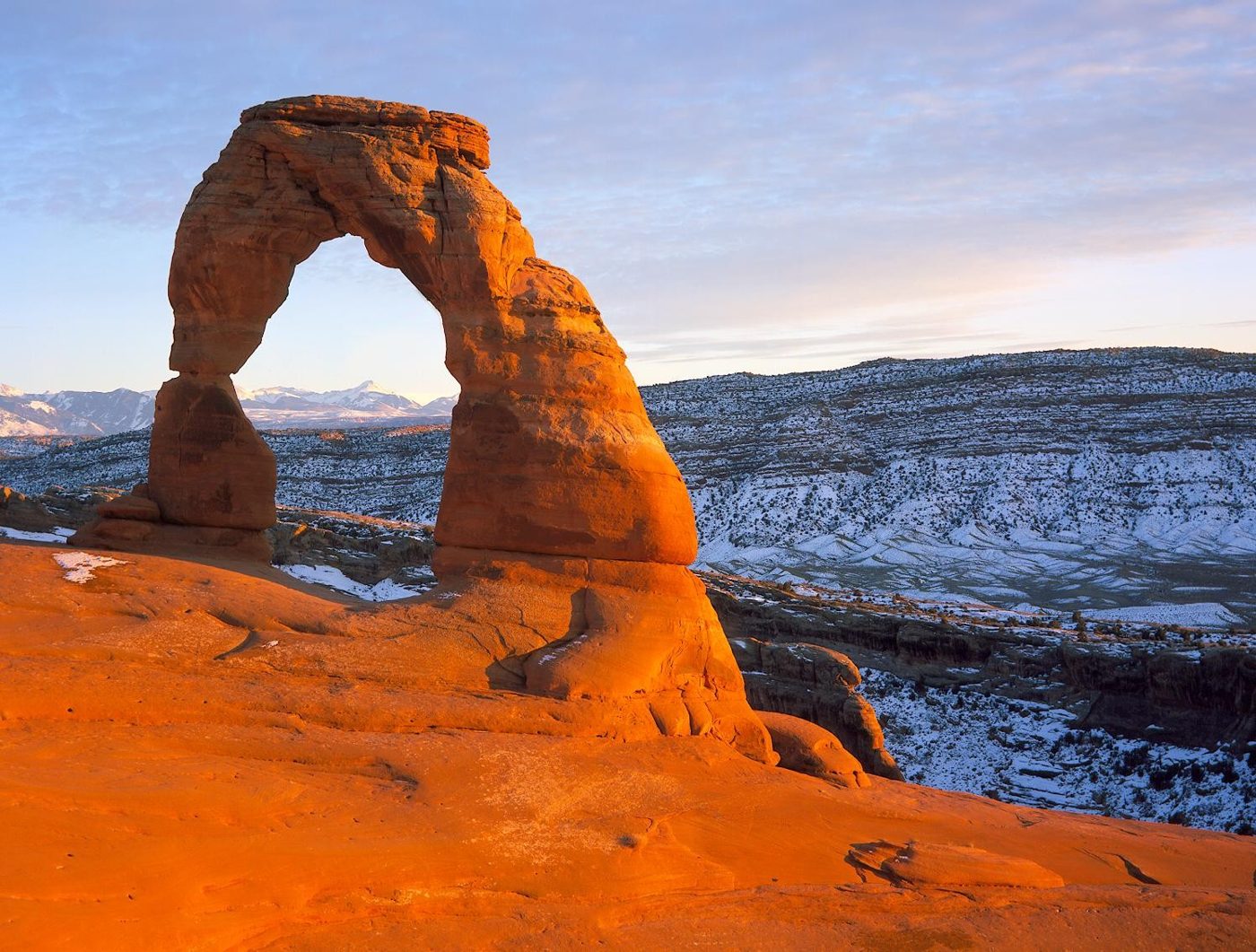
Arches National Park in Utah has over 2,000 documented natural stone arches, from sliver-thin cracks to spans greater than 300 feet, the National Park Service says.
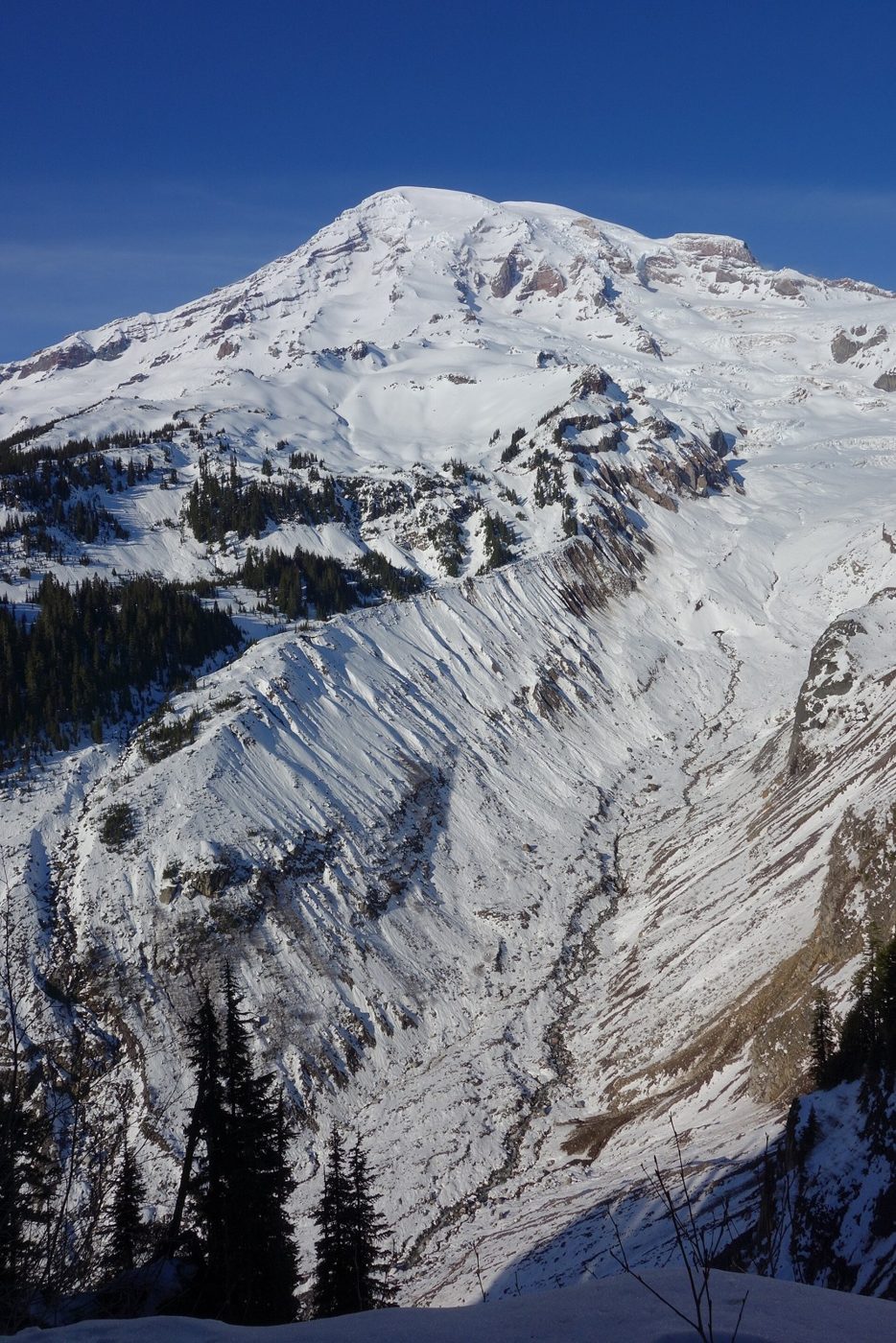
Mount Rainier carries 28 major glaciers. Together with its smaller snow and ice patches, they cover about 30 square miles and feed five major river systems.