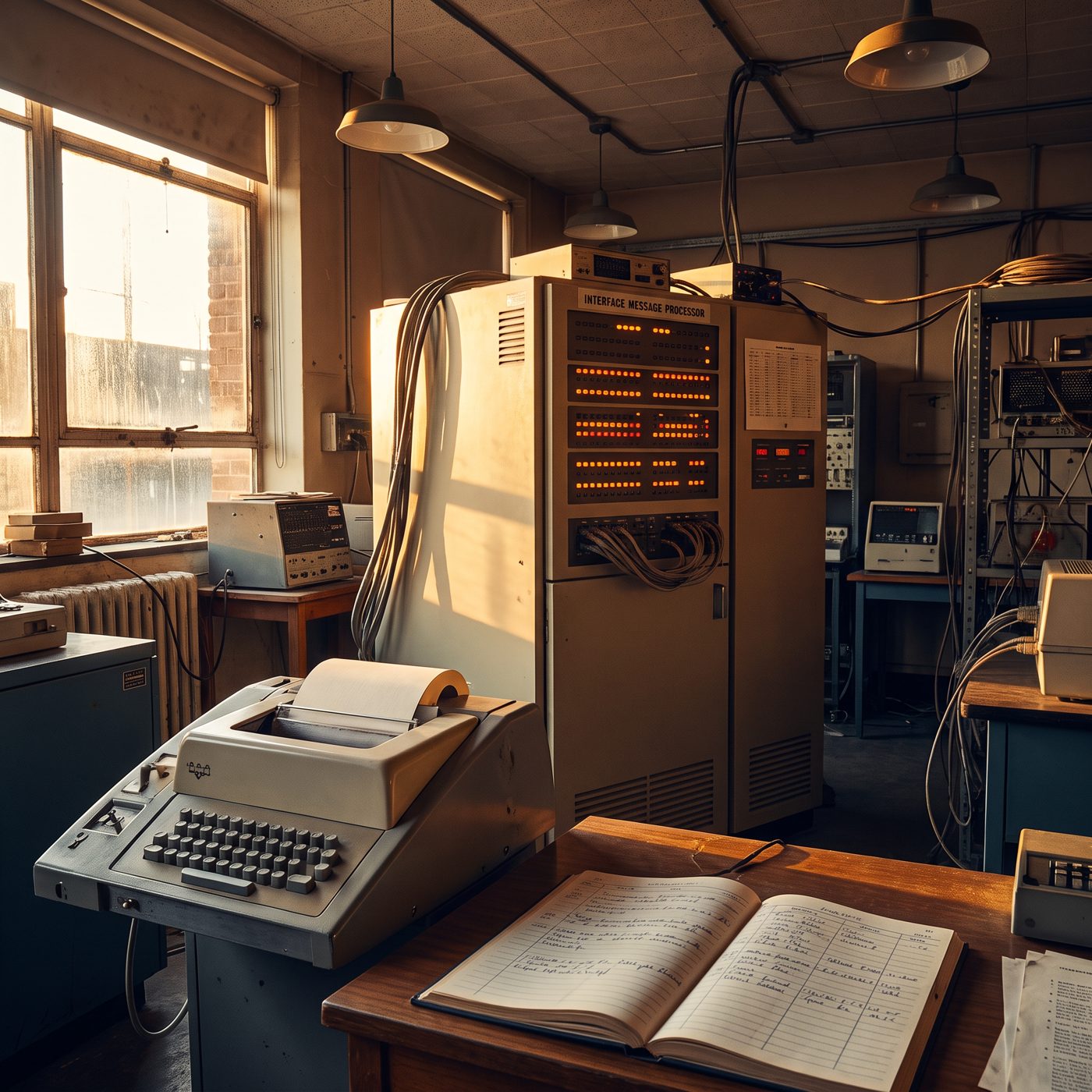
The Antikythera Mechanism, the world's first known computer, survives as just 30 corroded bronze gears—27 of them crammed into a single fragment.
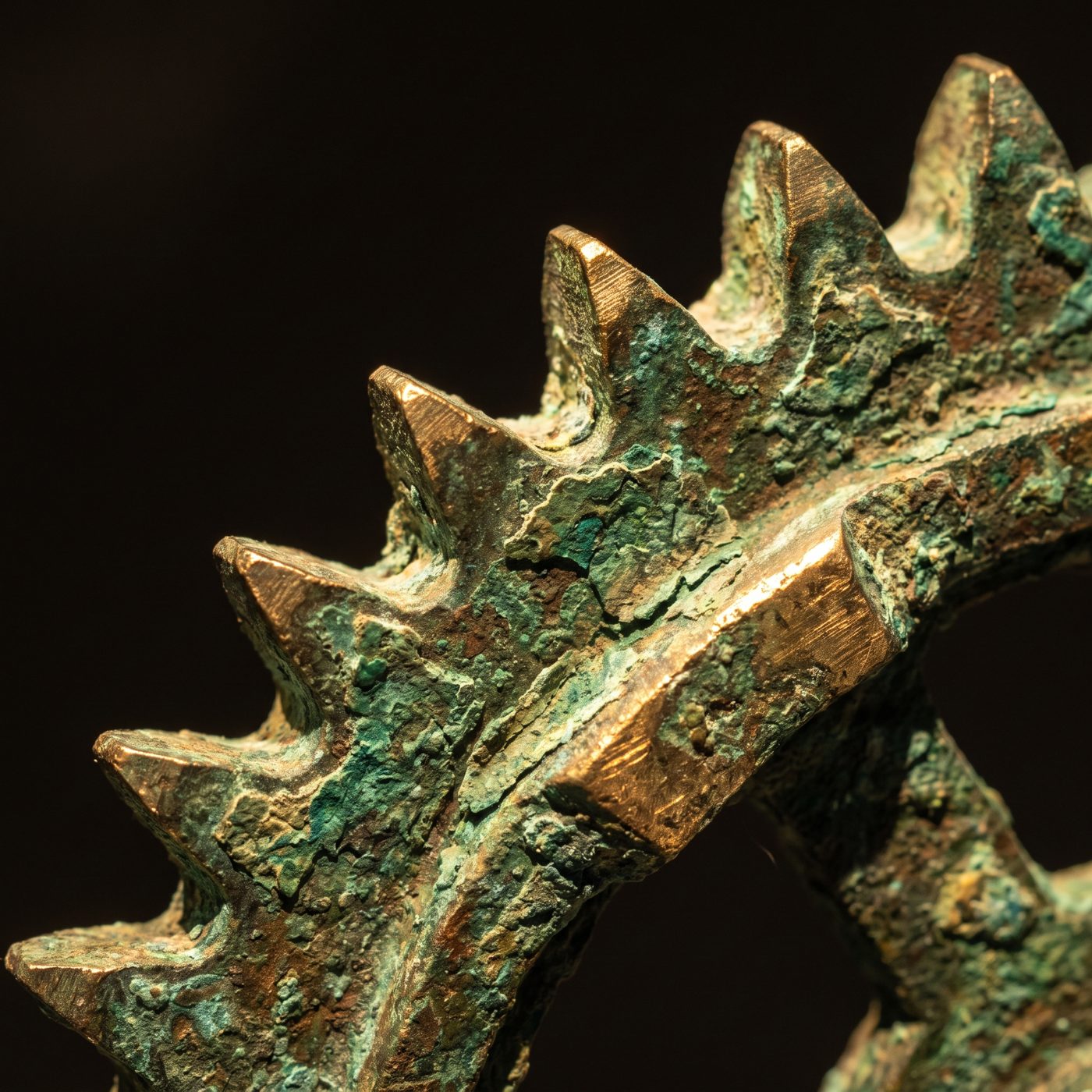 ILLUSTRATION · AI
The Antikythera Mechanism, the earliest known geared computer, survives today as roughly 30 corroded bronze gears scattered across 82 fragments—and 27 of those gears are packed into a single lump called Fragment A.
Pull the whole thing out of the display case in Athens and lay it on a table, and you would not have a machine. You would have 82 pieces of green-crusted bronze, most of them small enough to hold in a fist. Only about a third of the original device survives at all. Of the gearwheels that once turned inside it—the toothed heart of what many call the world's first computer—just 30 remain. And 27 of them are crammed into one fragment.
That fragment has a plain name: Fragment A. The other three surviving gears are stragglers, one each in Fragments B, C, and D. Everything else—the rest of the gear train, the missing dials, the pointers—is simply gone, dissolved by two thousand years underwater or lost in the wreck.
How we know 30 gears survive
The device came up from a Roman-era shipwreck off the small Greek island of Antikythera, salvaged by sponge divers working the site across 1900 and 1901. For decades it sat as an unreadable puzzle. Nobody could count the gears, because most of them are locked inside solid corroded masses—you cannot see them by looking.
The gears had to be found without opening the object. In the 1970s the physicist Charalampos Karakalos, working with the historian Derek de Solla Price, ran X-rays through the fragments and began resolving hidden wheels inside the metal. That work established the basic count: 30 distinct gears, 27 in the largest fragment and one apiece in three others, as Scientific American recounted in its 2024 retelling of the investigation.
The modern confirmation came in 2021, when Tony Freeth and colleagues at University College London published "A Model of the Cosmos in the ancient Greek Antikythera Mechanism" in *Scientific Reports*. Using high-resolution X-ray tomography—which produces detailed cross-sections rather than flat shadows—they state plainly that the Mechanism is "now split into 82 fragments," that "only a third of the original survives, including 30 corroded bronze gearwheels," and that "Fragment A contains 27 of the surviving 30 gears, with a single gear in each of Fragments B, C and D."
Why 27 gears hide in one lump
The tomography did more than count teeth. It let Freeth's team read faint inscriptions and measure gear spacings buried in the bronze, and from those measurements they reconstructed a machine of about 37 gears total—far more than survive—that modeled the motions of the Sun, Moon, and likely the planets, tracked eclipse cycles, and even displayed the four-year rhythm of the ancient games, including the Olympiad.
The vivid part is the density. Fragment A is not much larger than a paperback, yet those 27 wheels were nested inside it in overlapping layers, some with tiny teeth cut by hand. The largest surviving gear carried more than 200 of them. To pack that many interlocking wheels into so little space, in the second century BC, is the fact that keeps historians of technology unsettled: nothing else of comparable mechanical complexity appears in the surviving record for well over a thousand years afterward.
That gap is where the argument still lives. The 37-gear model is a reconstruction, inferred from what survives plus the inscribed instructions—so the exact planetary layout at the front of the machine remains a proposal, not a recovered object. And the deeper question has no artifact to answer it: if a device this sophisticated existed, it was almost certainly not the first attempt. Somewhere behind Fragment A stands a lost tradition of Greek gear-making we have only ever seen in ruins. Thirty corroded wheels are all it left us.
More facts

In a 2015 wire-fraud trial, a judge let the defense argue the numbers were innocent using a 1938 law of how often digits start with 1.

In real-world data, the number 1 leads about 30% of the time—and the IRS uses that skew to flag faked tax returns as fraud.