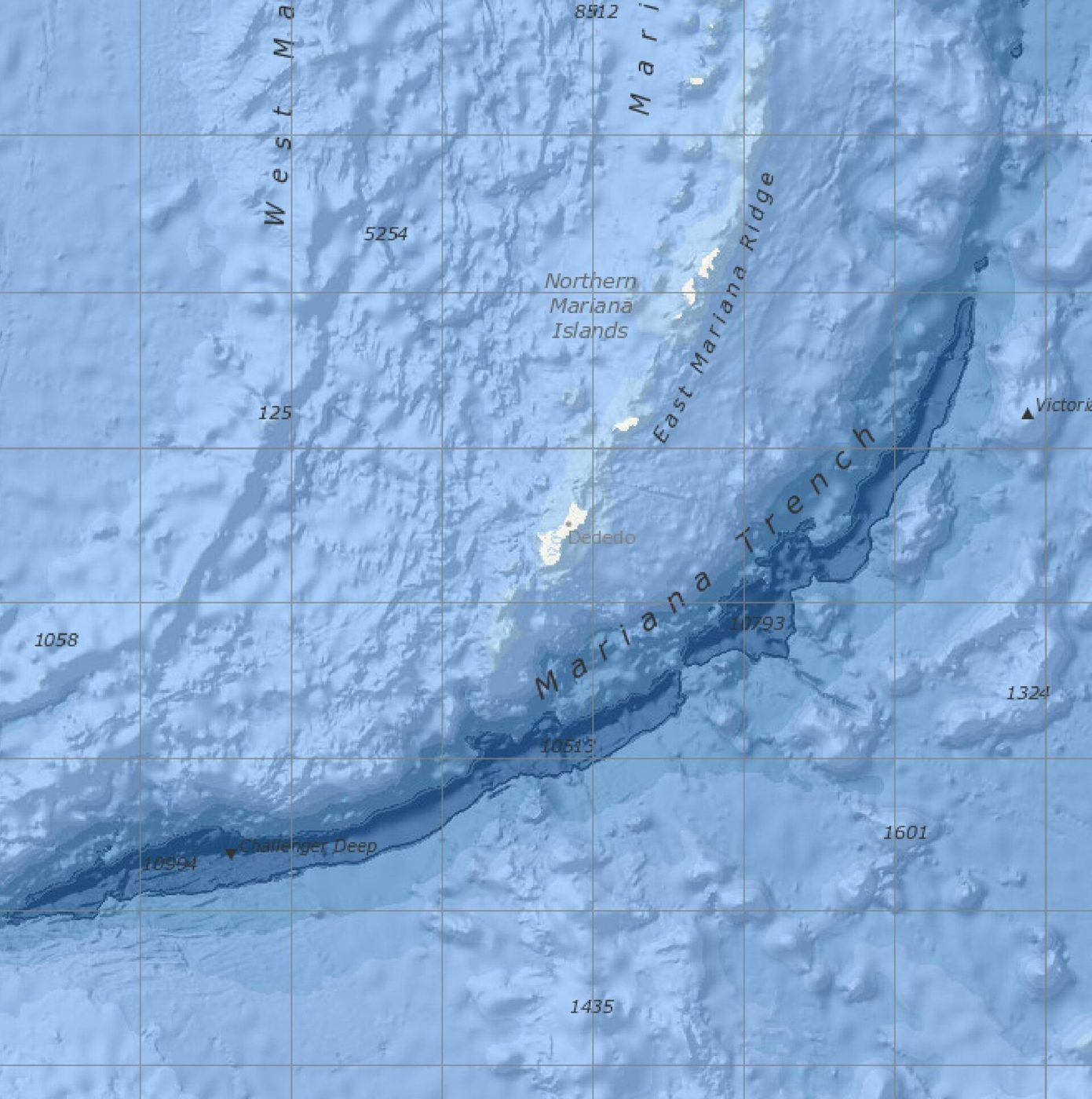
The coldest air ever measured on Earth was -128.6°F, recorded by thermometer at Vostok Station, Antarctica on July 21, 1983.
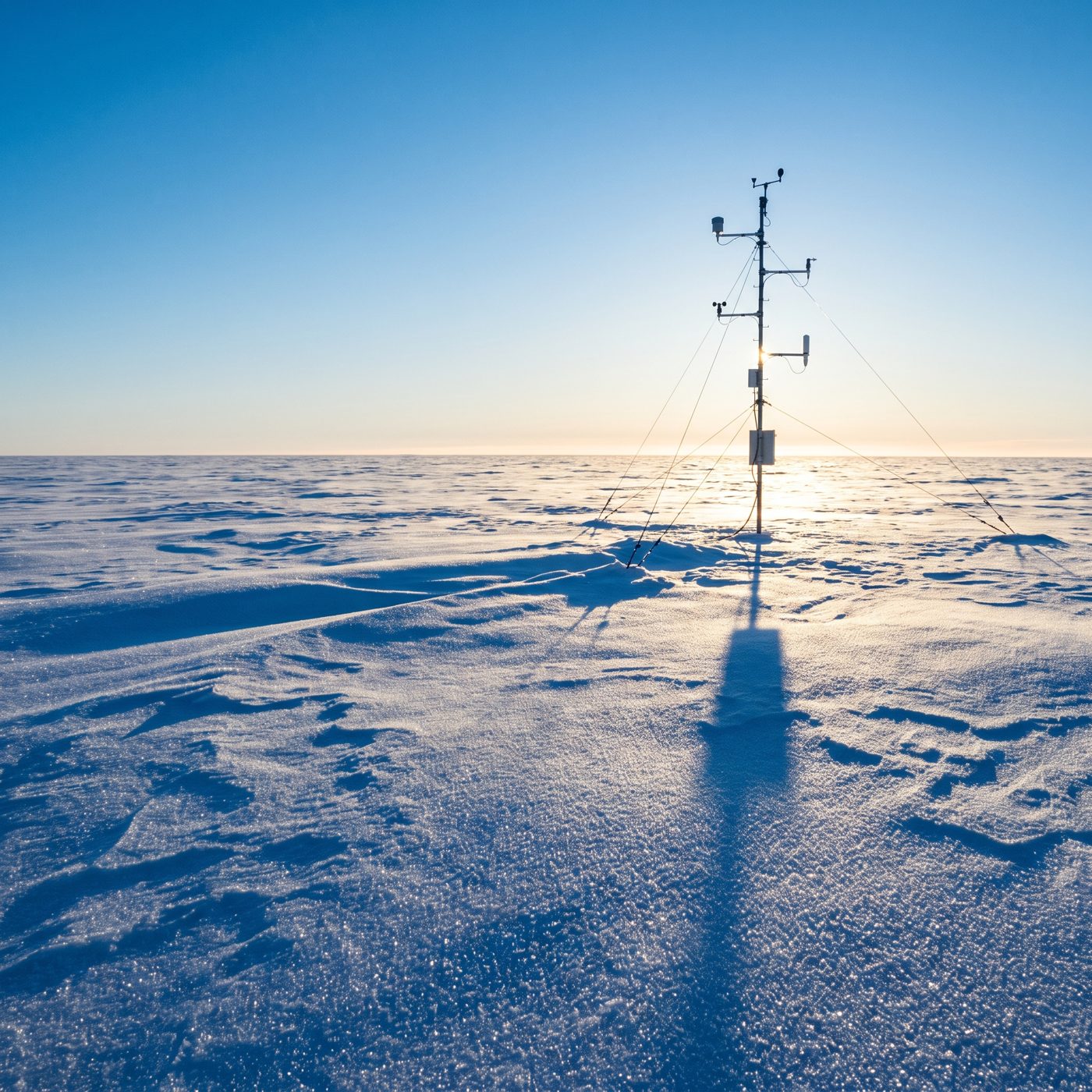 ILLUSTRATION · AI
The coldest air temperature ever directly measured at Earth's surface was −89.2°C (−128.6°F), logged at the Soviet Union's Vostok Station in Antarctica at 0245 UT on July 21, 1983.
On a midwinter morning in 1983, an observer at Vostok Station read the thermometers and wrote down a number that still stands as the coldest air temperature ever directly measured at the planet's surface: −89.2°C, or −128.6°F. That reading, taken at 0245 Universal Time on July 21, remains the global ground-instrument record recognized by the World Meteorological Organization.
To understand why this happened here and not somewhere else, it helps to know where Vostok sits. The station is a Russian research base perched near the center of the East Antarctic Plateau, roughly 11,400 feet above sea level and far from any coast. It's one of the most punishing outposts on Earth precisely because it combines everything that makes air go cold: high altitude, high latitude, and the long polar night, when the sun never rises for weeks and the surface radiates heat away into space with nothing to replace it.
Why the coldest place on Earth is in the middle of Antarctica
Cold air is dense air, and on the high Antarctic plateau it pools. The interior is essentially a vast dome of ice, and during winter the snow surface loses heat by radiation faster than the atmosphere can warm it back. With clear skies, dry air, and no ocean nearby to moderate the temperature, the layer just above the snow can plunge far below anything experienced in the Arctic, which is largely sea ice over a relatively warm ocean. Vostok's elevation adds the finishing touch—thinner air holds less warmth.
The result is a place where jet fuel can thicken toward slush and where a deep breath is a genuine hazard. The record night belonged to the middle of the polar winter, when Vostok routinely sees temperatures no populated place ever approaches.
How we know the number is real
The record wasn't just a scribble in a logbook that nobody checked. In 2009, John Turner and colleagues published a detailed study in the *Journal of Geophysical Research: Atmospheres* titled "Record low surface air temperature at Vostok station, Antarctica," which examined the measurement and confirmed the value of −89.2°C at 0245 UT on July 21, 1983.
The World Meteorological Organization then folded that reading into its official Archive of Weather and Climate Extremes, maintained with Arizona State University, after a formal review in 2011. The WMO reaffirmed it as recently as 2021, stating plainly that "the lowest temperature yet recorded by ground measurements... was −89.2°C at Vostok station on 21 July 1983"—reported alongside its confirmation of Antarctica's record *high* of 18.3°C.
There's a small but telling wrinkle in the paper trail. An earlier figure of −89.4°C once circulated, appearing in a 2007 compilation by Randall Cerveny and colleagues. The WMO archive notes that this value was an artifact of a Celsius-to-Fahrenheit rounding error, not a separate observation. The number written in the original logbook was −89.2°C, and that is the figure the WMO recognizes.
The colder reading that doesn't count
Here's the seam still open to argument. In 2013, researchers analyzing satellite data announced surface temperatures on the East Antarctic Plateau as low as −93°C, later refined toward −98°C in ice hollows. Those figures are colder than Vostok's—so why isn't one of them the record?
Because they measure a different thing. Satellites read the temperature of the snow *surface* from orbit, not the air temperature at the standard height above the ground where weather stations record. The WMO's record is specifically for a directly measured air temperature from ground instruments, and by that definition Vostok still holds the title.
Which means the honest answer to "what is the coldest temperature on Earth?" depends on what you're willing to count—the thermometer in the snow at Vostok, or the invisible pockets of even colder air that no human has ever stood in to read.
More facts
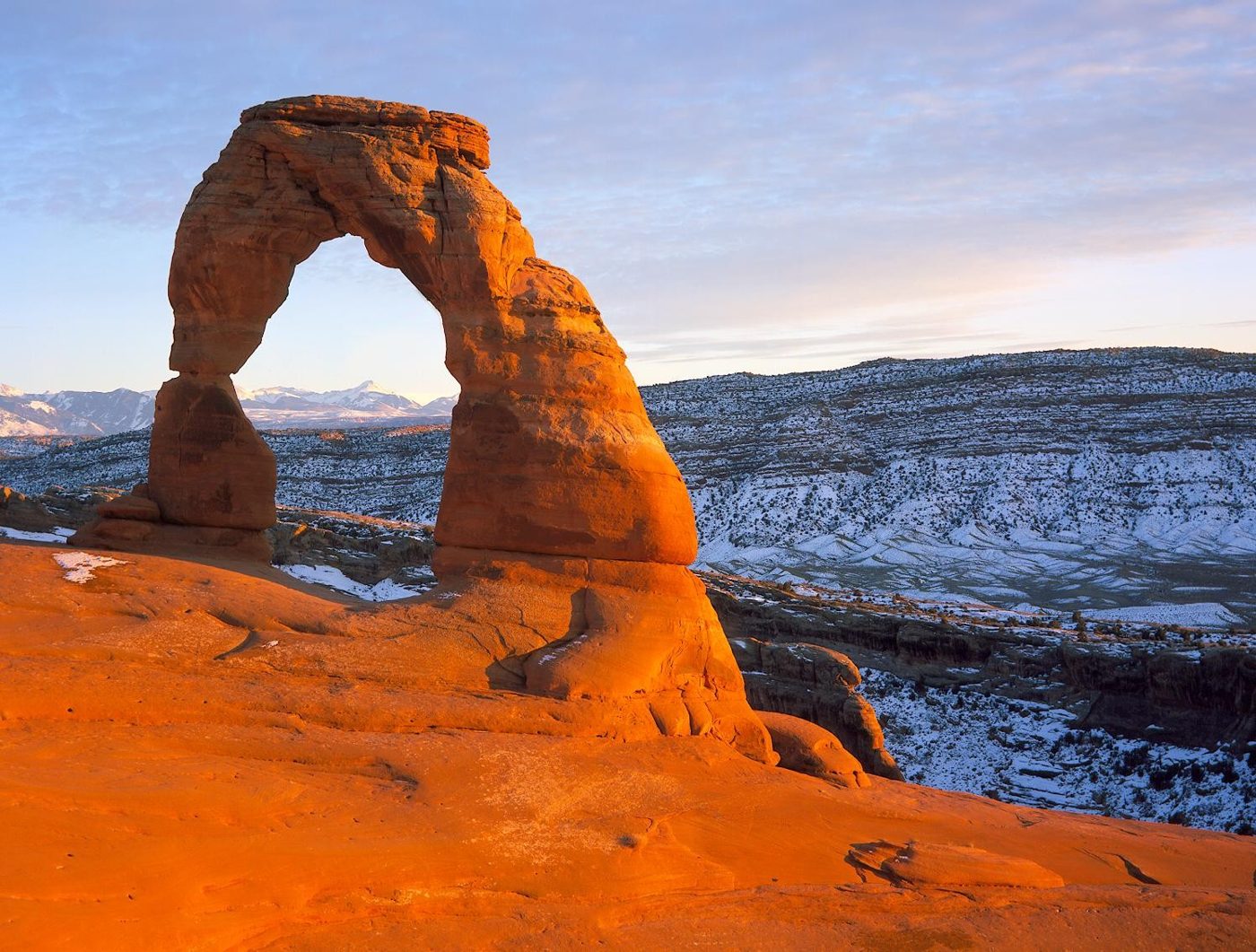
Arches National Park in Utah has over 2,000 documented natural stone arches, from sliver-thin cracks to spans greater than 300 feet, the National Park Service says.
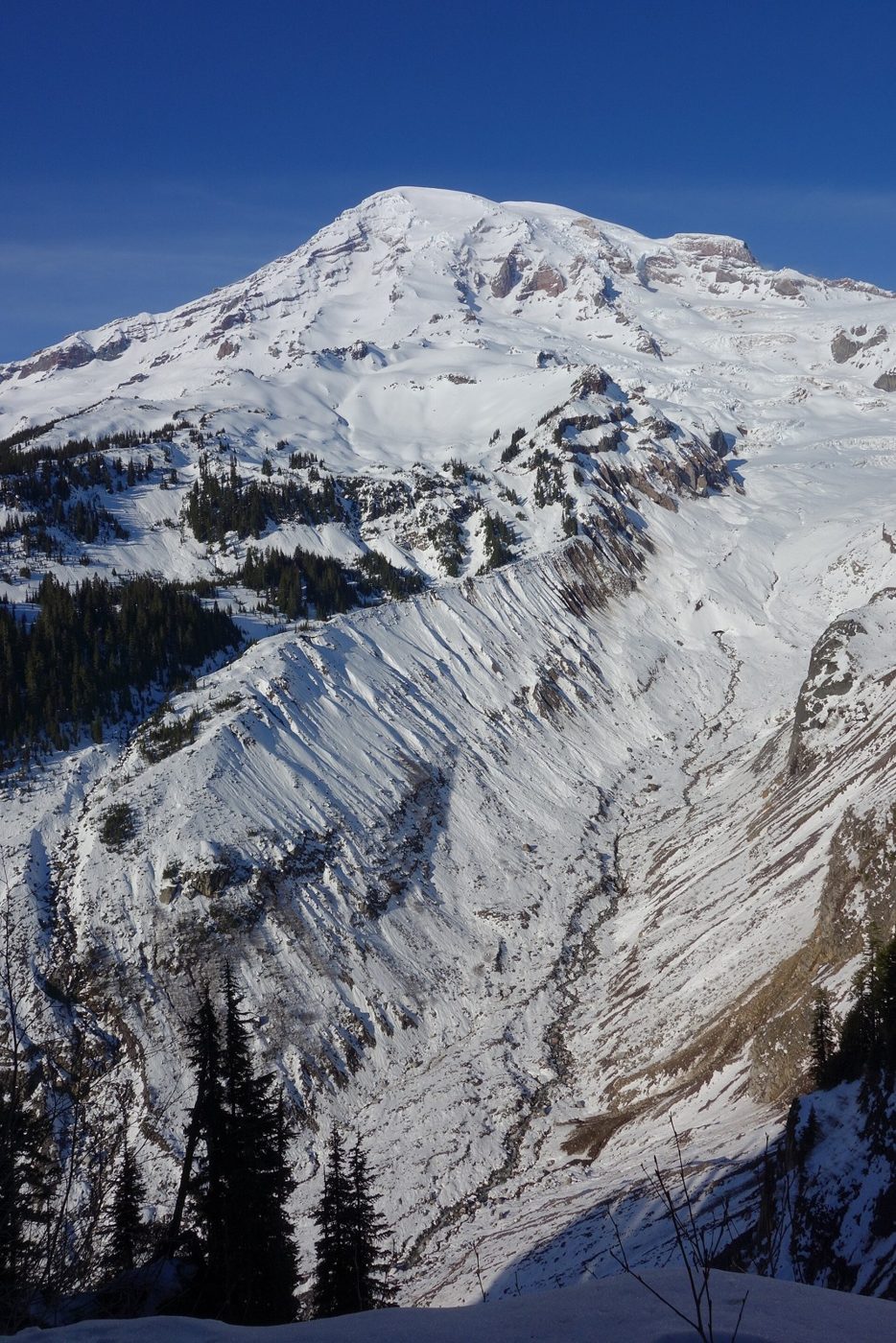
Mount Rainier carries 28 major glaciers. Together with its smaller snow and ice patches, they cover about 30 square miles and feed five major river systems.