The flag that became the Star-Spangled Banner measured 30 by 42 feet. Mary Pickersgill and her helpers spent about seven weeks sewing it and a second flag in 1813.
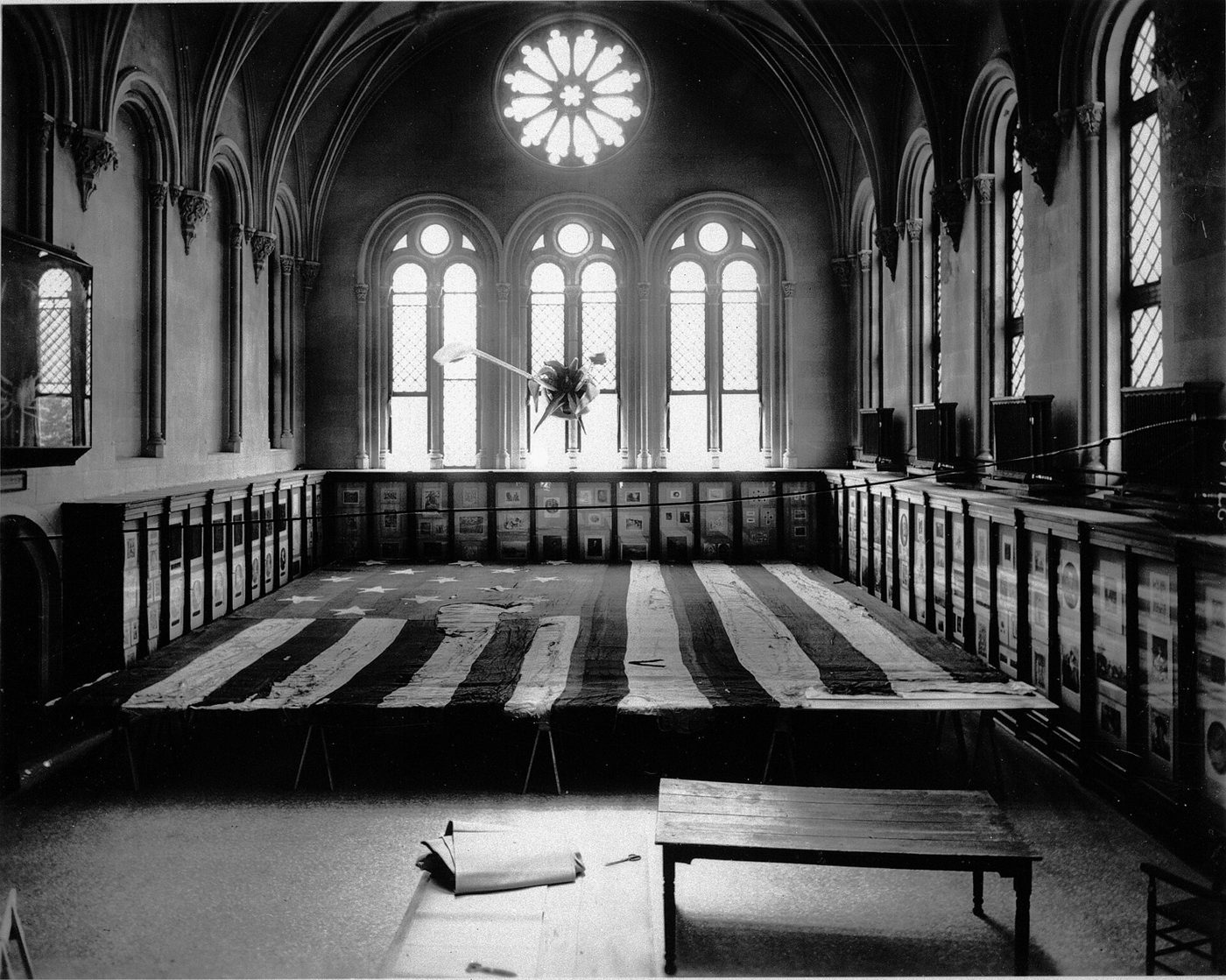 ILLUSTRATION · AI
The flag that became the Star-Spangled Banner was a 30 by 42-foot garrison flag, sewn in Baltimore in 1813.
In the summer of 1813, Mary Pickersgill, a Baltimore maker of ships' flags, was contracted to sew two flags for Fort McHenry: a 17 by 25-foot storm flag and a 30 by 42-foot garrison flag, the Smithsonian's National Museum of American History says.
Her 13-year-old daughter Caroline, her nieces Eliza and Margaret Young, and a 13-year-old African American indentured servant, Grace Wisher, helped. The garrison flag overwhelmed Pickersgill's house, so they assembled it in a brewery across the street, piecing together strips of English wool bunting. The two flags took about seven weeks, and Pickersgill was paid $405.90 for the one that became the Star-Spangled Banner.
- Tier 2 · Secondary1813
More facts
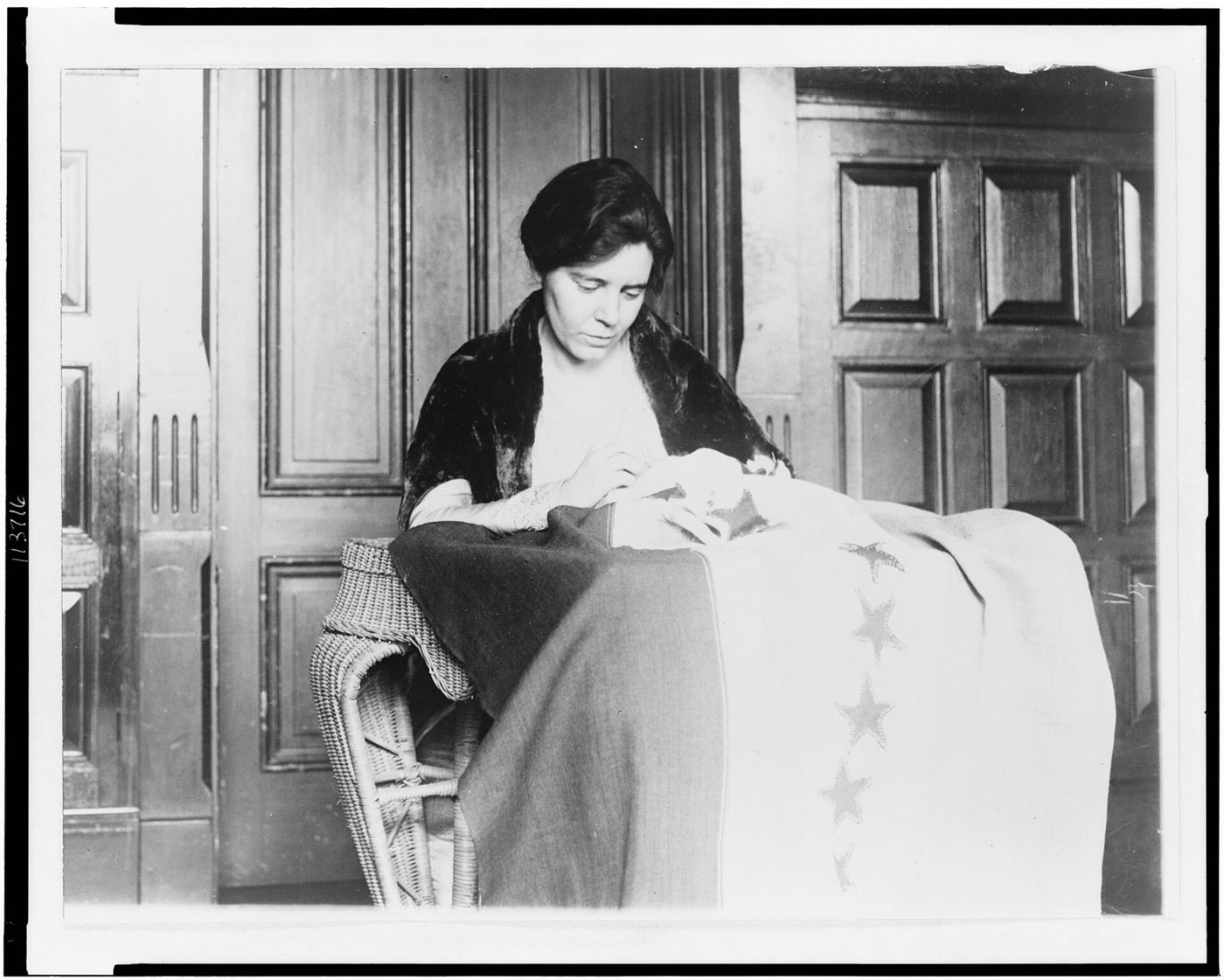
The 19th Amendment, barring denial of the vote on account of sex, was first introduced in Congress in 1878. It was not ratified until August 18, 1920.
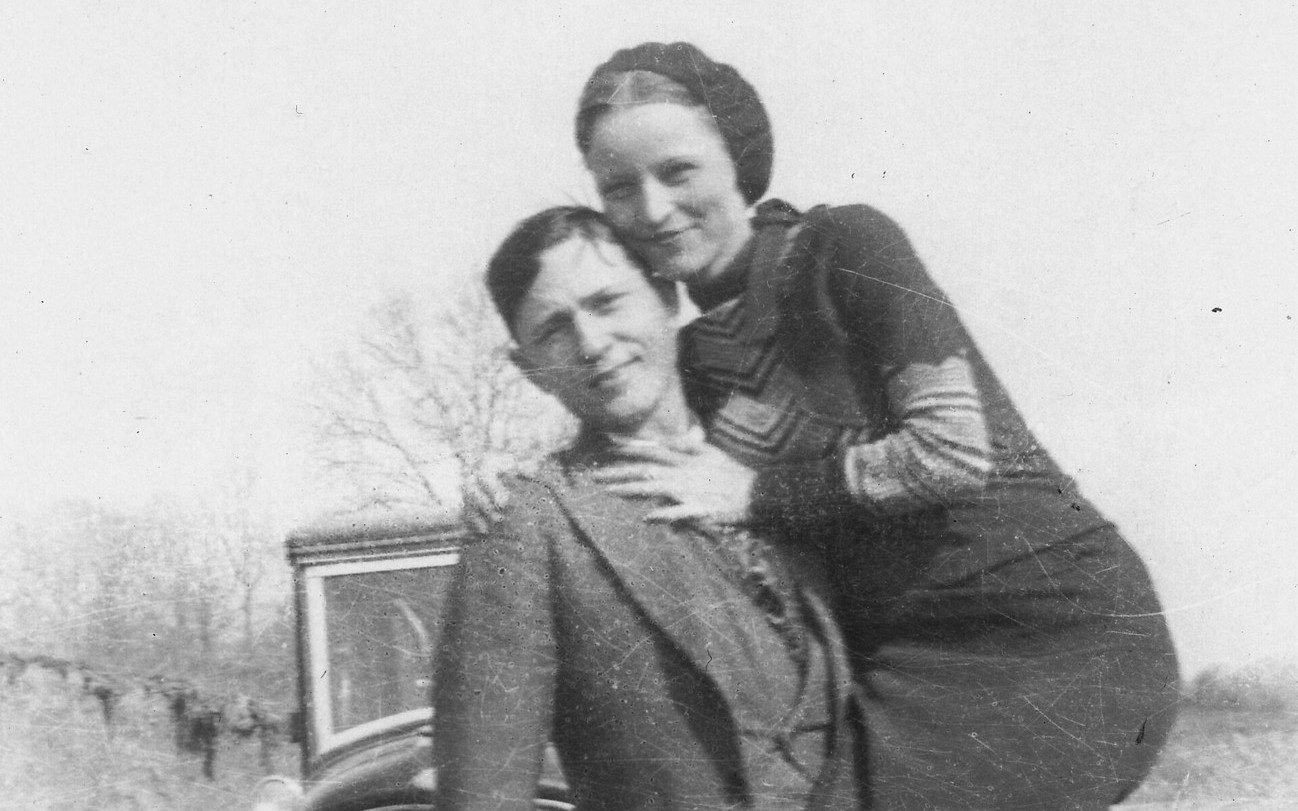
On May 23, 1934, Bonnie and Clyde were killed in a police ambush near Sailes, Louisiana, ending one of the biggest manhunts the nation had seen, the FBI says.