Space
The Moon is shrinking. As its interior cools, it has gotten more than about 150 feet skinnier over the last several hundred million years, NASA says.
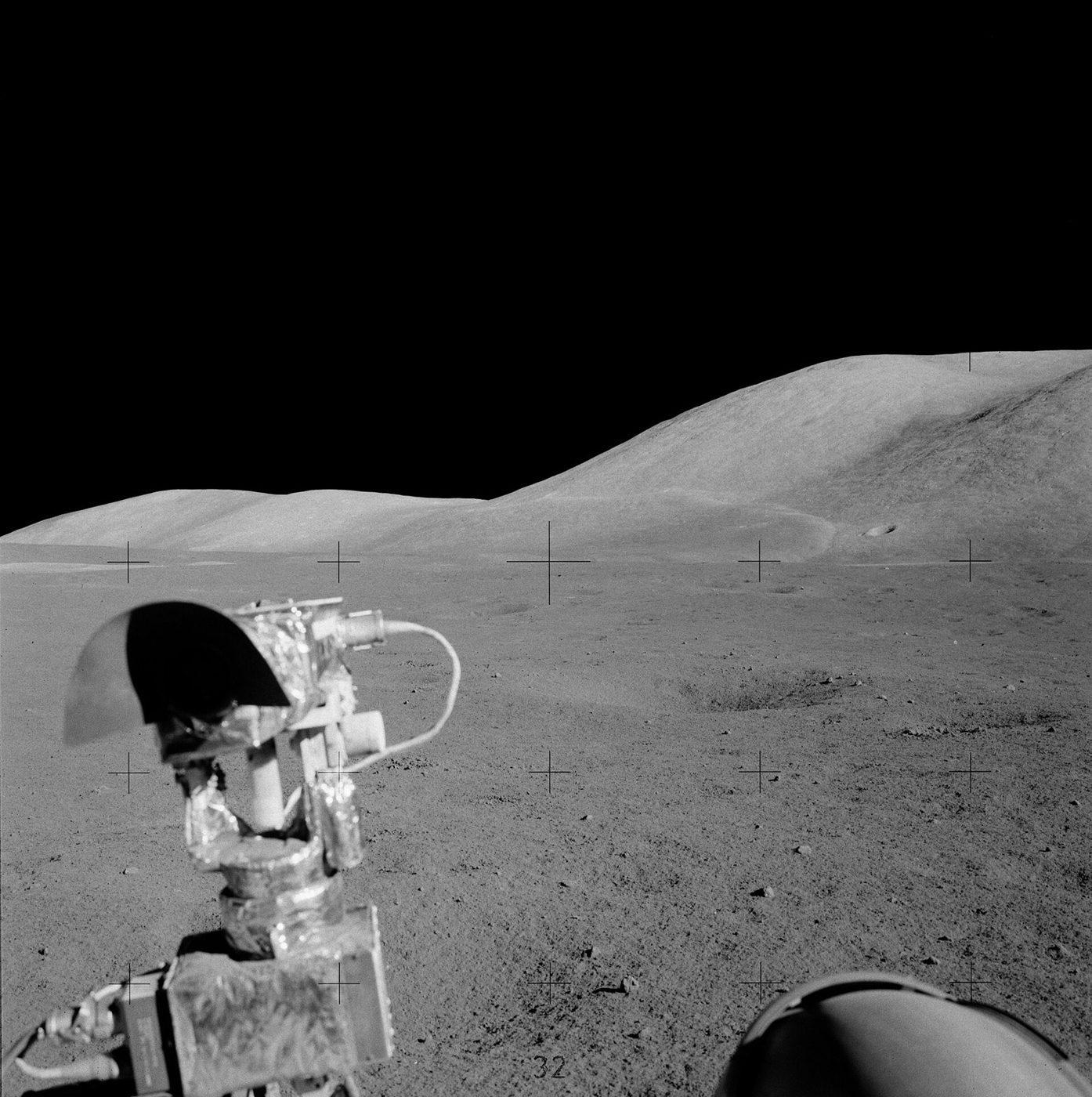 ILLUSTRATION · AI
The Moon is shrinking as its interior cools, getting more than about 150 feet skinnier over several hundred million years, NASA says.
Just as a grape wrinkles as it shrinks down to a raisin, the Moon gets wrinkles as it shrinks, NASA explained in 2019. Its brittle crust breaks, forming thrust faults where one section of crust is pushed up over a neighboring part.
Seismometers placed by Apollo astronauts recorded 28 shallow moonquakes from 1969 to 1977, ranging from about 2 to around 5 on the Richter scale. Researchers found that eight of them were within 30 kilometers of faults visible in lunar images.
SourcesEvery claim traced
- Tier 1 · Primary2019
Advertisement
Keep reading
More facts
Space
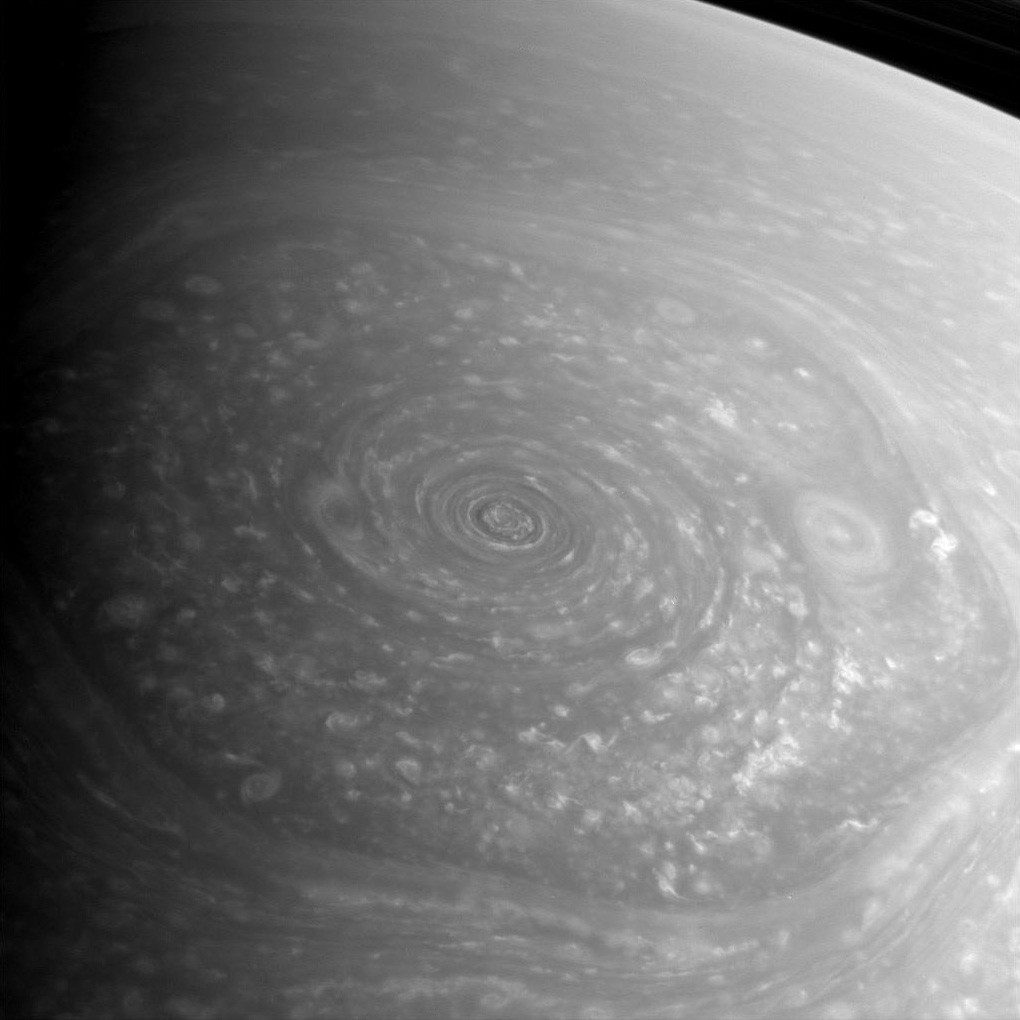
A six-sided storm pattern circles Saturn's north pole. The hexagon spans about 20,000 miles and is a jet stream of 200-mile-per-hour winds, NASA says.
Verified2 min
Space
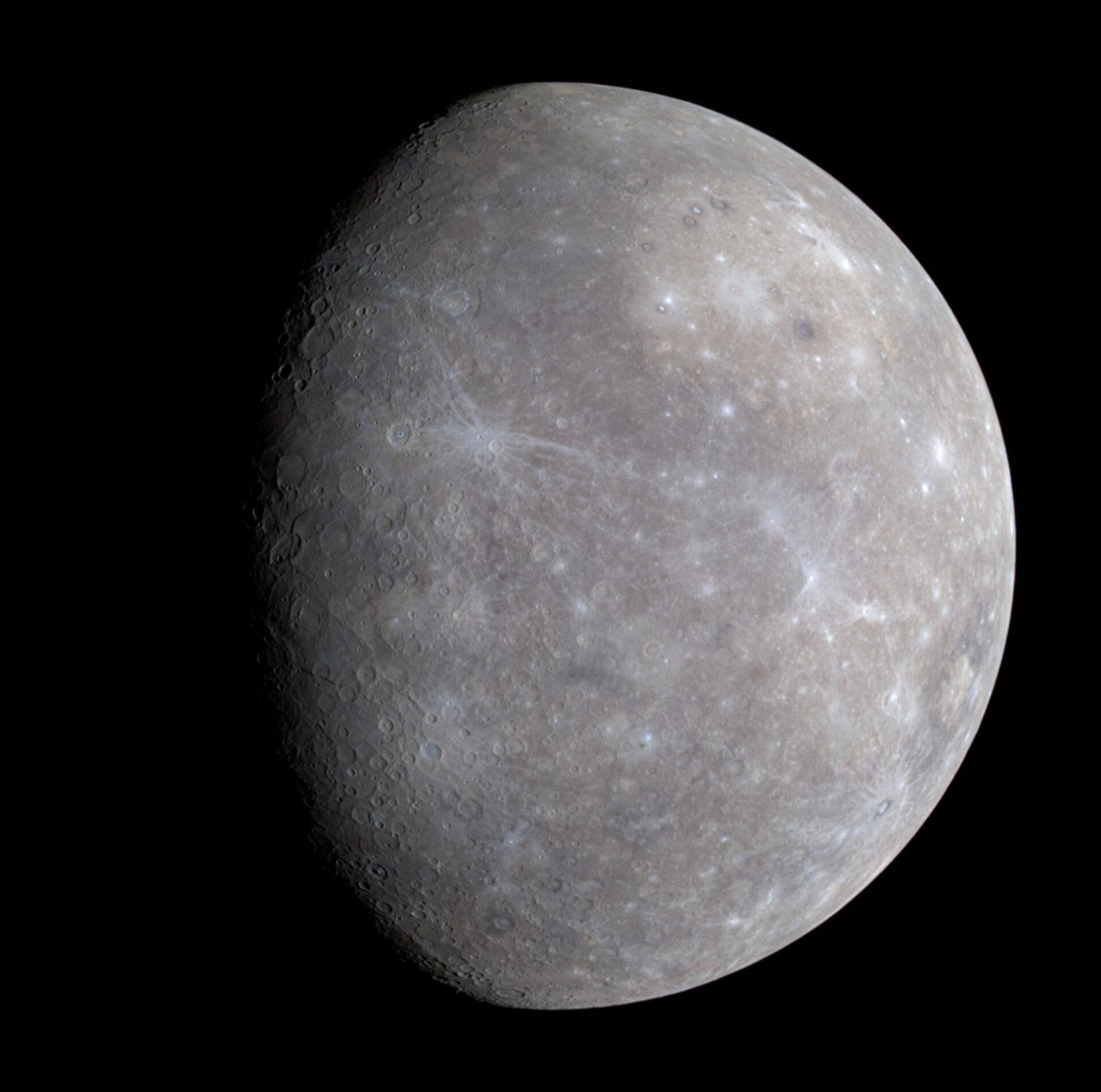
Daytime on Mercury can reach 800 degrees Fahrenheit. With no substantial atmosphere to hold that heat, nights can plunge to minus 290 degrees, NASA says.
Verified2 min
Space
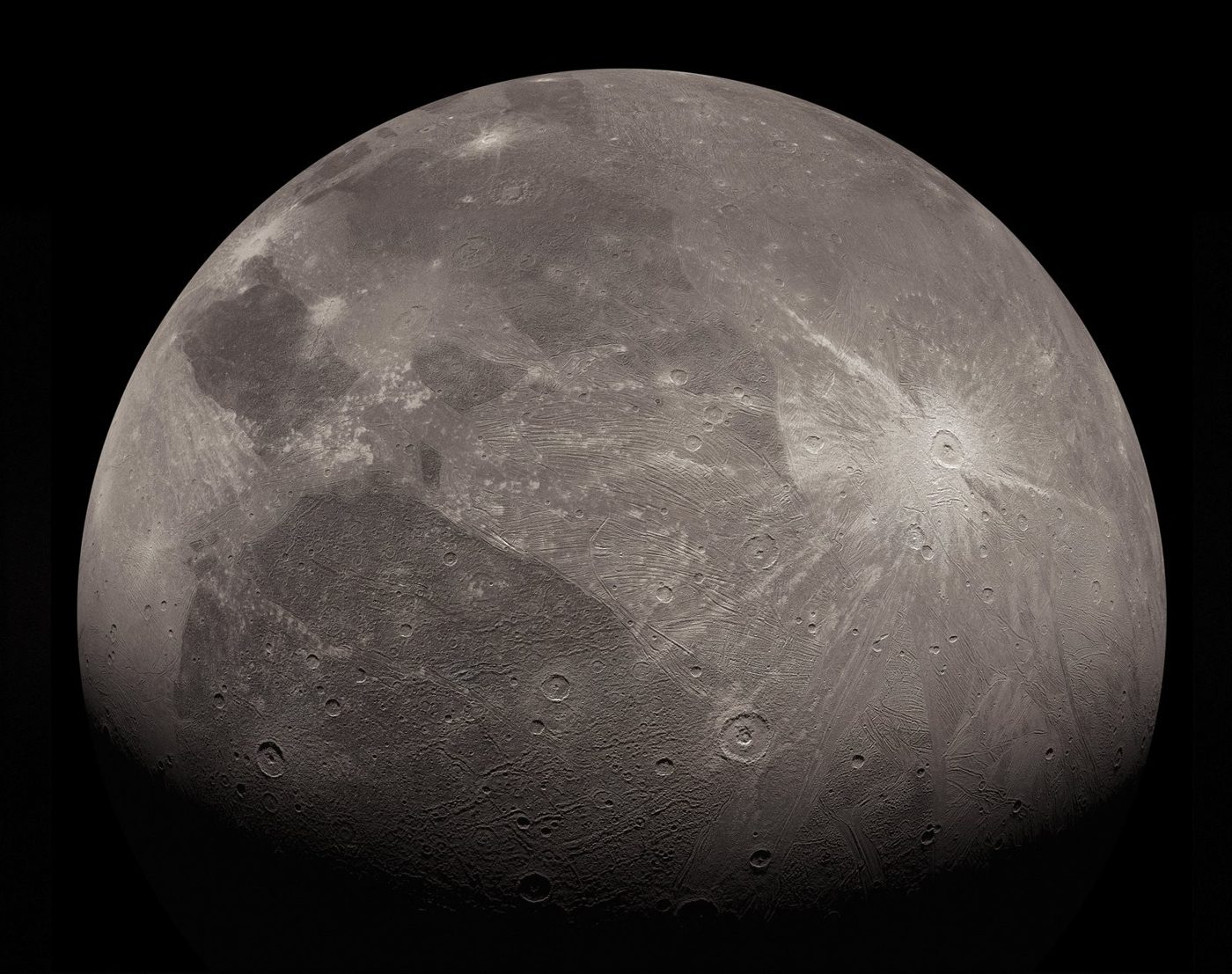
Jupiter's moon Ganymede is the largest moon in the solar system, bigger than the planet Mercury. It's also the only moon known to have its own magnetic field.
Verified2 min