The symbol Prince renamed himself in 1993 held 4 real U.S. federal trademarks — one registered Feb. 22, 1994, for records and videos.
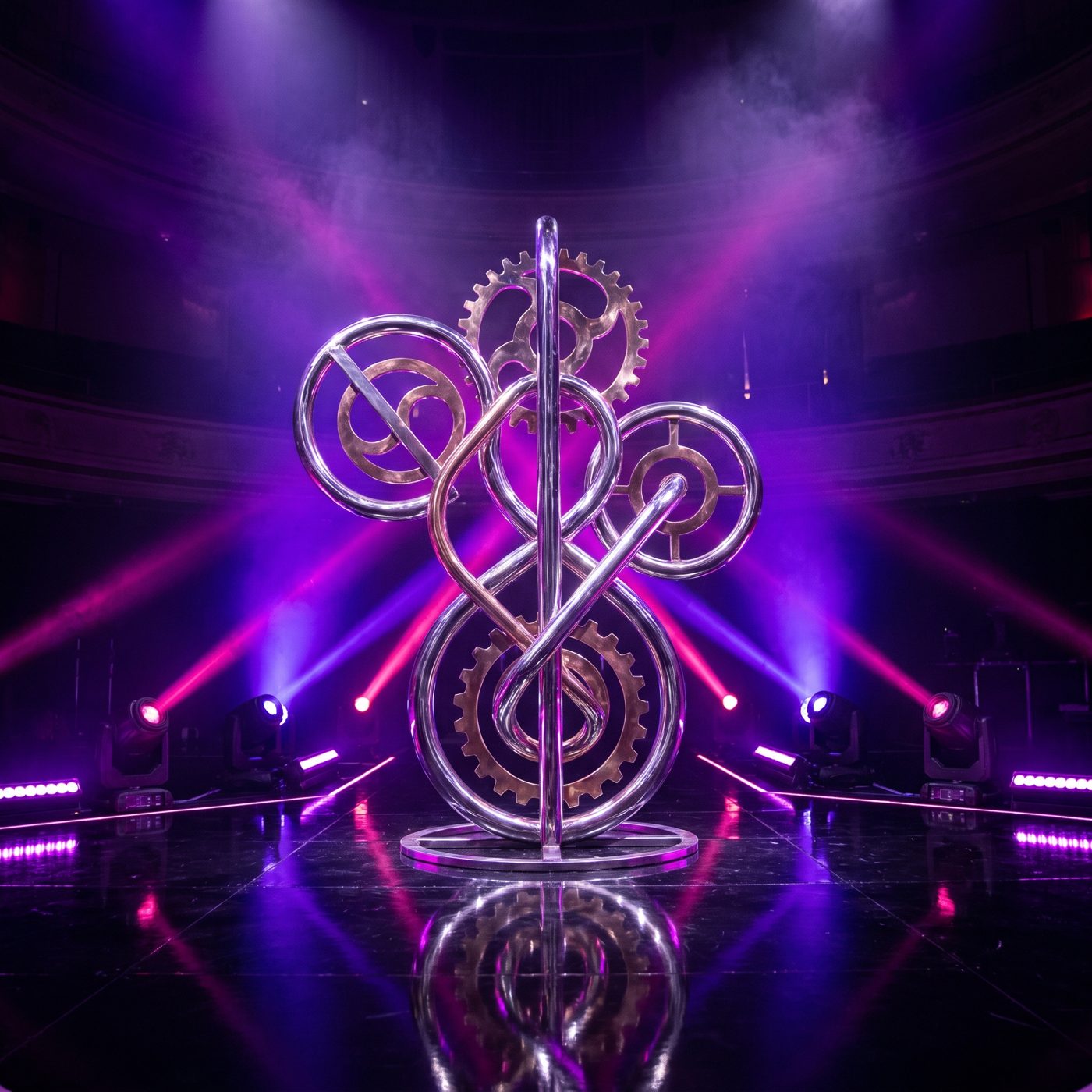 ILLUSTRATION · AI
When Prince swapped his name for an unpronounceable glyph, that symbol wasn't just a gesture — it became the subject of four real U.S. federal trademark registrations.
When Prince announced in 1993 that he would no longer go by "Prince," he replaced his name with a symbol — a fused Venus-and-Mars glyph with a curl at its base — that nobody could type or say. What's less remembered is that the symbol wasn't only an artistic statement. It was intellectual property. The United States Patent and Trademark Office issued four separate federal registrations for it, covering everything from records to bumper stickers.
The first and most important of those, Registration No. 1,822,461, was issued on February 22, 1994, and covered sound recordings and videotapes — the core of what a musician actually sells. Three more followed: No. 1,849,644 for entertainment services, No. 1,860,429 for clothing (registered October 25, 1994), and No. 1,871,900 for posters, publications, bumper stickers, and stickers (registered January 3, 1995). Four registrations, four categories, one shape that had no pronunciation at all.
Why an unpronounceable symbol could be trademarked
A trademark doesn't have to be a word. It has to identify the source of goods or services in the marketplace, and a distinctive design does that as well as a name does — think of the Nike swoosh or the Apple silhouette. Prince's glyph qualified precisely because it was singular and immediately linked to him. The irony is that the thing making it hard to say was the same thing making it easy to protect: no one else was using it, so it functioned cleanly as a source identifier.
The registrations map neatly onto the empire around the artist. Sound recordings and videotapes were the product. Entertainment services covered the performances. Clothing and the poster-and-sticker category covered the merchandise table. A symbol that began as a rebellion against his record label, Warner Bros., ended up being registered across the full commercial footprint of a pop career.
How we know the registrations are real
Three of the four numbers can be checked against a government database that isn't even American. When the mark was later filed in Canada as "PRINCE SYMBOL" (Application 1962730), the applicant listed the corresponding U.S. registrations as foreign priority filings. The Canadian Intellectual Property Office's official Canadian Trademarks Database, as it stood in 2022, records three of them with exact U.S. registration dates: 1,822,461 (February 22, 1994), 1,860,429 (October 25, 1994), and 1,871,900 (January 3, 1995). That's a national trademark office citing the American paperwork in its own file — about as clean a paper trail as this kind of claim gets.
The full set of four, including No. 1,849,644 for entertainment services, appears in a 2014 legal write-up by the firm Stites & Harbison, published on its Trademarkology blog under the title "'90's Flashback: Prince's Trademark Cautionary Tale" and reprinted on the legal-news site Mondaq the same year. Those attorneys laid out all four registration numbers alongside the goods and services each covered.
There's one honest gap. The entertainment-services registration, No. 1,849,644, rests on those legal-blog accounts rather than on the Canadian government file, which cites only the other three. It's well-attested but not independently confirmed by a primary government record, so it belongs a notch below its siblings on the evidence ladder.
The vivid part — and what's left to argue
Here's the concrete detail that makes the whole thing tangible: because the symbol couldn't be typed, Warner Bros. reportedly mailed out floppy disks containing a custom font so that journalists and publications could reproduce it. A trademark you have to distribute a font to render is a strange object in the history of branding.
Prince returned to his name in 2000, when his publishing contract with Warner Bros. lapsed. The registrations, like most trademarks, needed maintenance to stay alive, and interest in whether they were renewed, allowed to expire, or later revived is exactly where the story stays open. Stites & Harbison framed the episode as a "cautionary tale" for a reason — protecting a mark is one thing, keeping it alive across decades is another. The symbol endures culturally. Whether all four registrations endured legally is the seam still worth arguing.
More facts
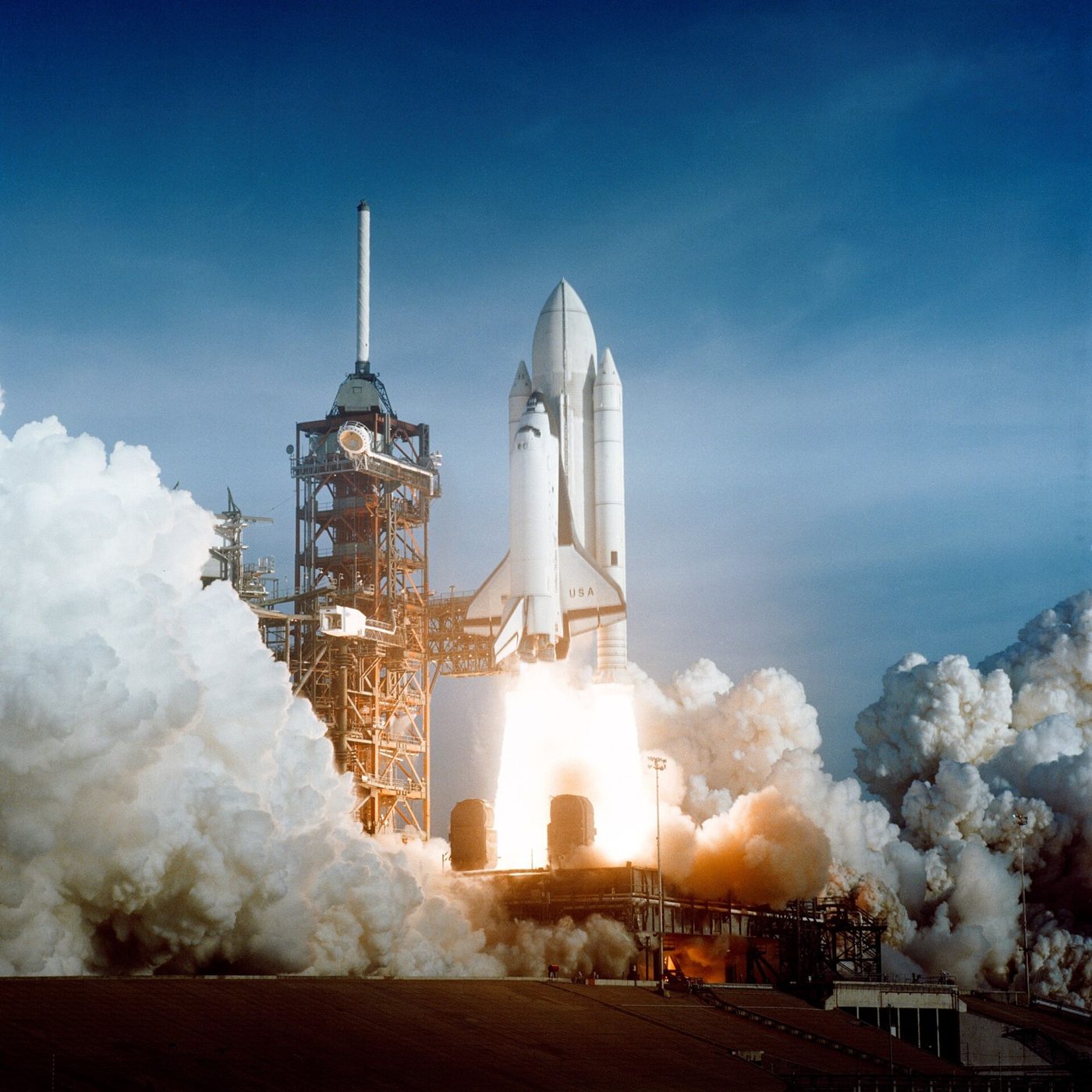
NASA's space shuttles flew 135 missions in 30 years, from the first launch on April 12, 1981, to the final landing on July 21, 2011.
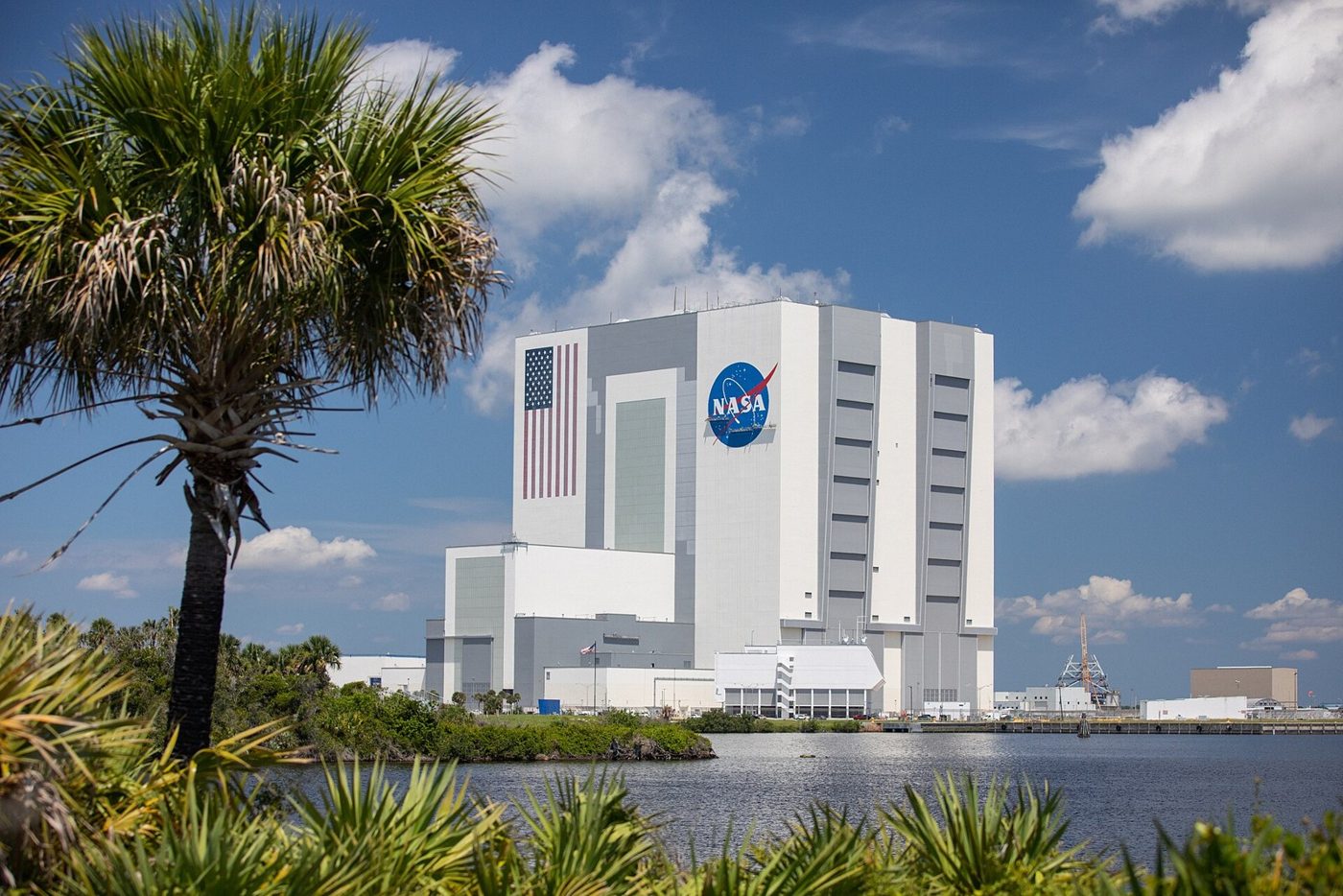
NASA's Vehicle Assembly Building is 525 feet tall. Its high bay doors are 456 feet high and take about 45 minutes to open or close completely.