Viagra's molecule was first patented on June 20, 1990 — as a heart drug for angina, not for sex. The famous use came three years later.
 ILLUSTRATION · AI
The compound sold as Viagra was first patented on June 20, 1990, as a treatment for cardiovascular disease — its use for erectile dysfunction wasn't filed until three years later.
When Pfizer filed UK patent application GB 9013750 on June 20, 1990, no one in the room was thinking about sex. The application protected a family of compounds — including the molecule now known as sildenafil — and their use against a list of cardiovascular disorders: angina, hypertension, heart failure, and atherosclerosis. The drug that would eventually become Viagra entered the patent record as a heart medicine.
The famous use came later, and it got its own paperwork. Pfizer filed a separate new-use application, UK GB 9311920.4, on June 9, 1993, covering the same molecule's effect on erectile dysfunction. That application led to a May 1994 PCT filing — the international route under which the drug was ultimately brought to market in 1998 as Viagra. Three years separate the two filings, and they describe two very different ambitions for a single chemical.
Why was Viagra first patented as a heart drug?
Sildenafil was designed to relax blood vessels. It inhibits an enzyme called phosphodiesterase type 5 (PDE5), which lets the signaling molecule cyclic GMP persist and smooth muscle in vessel walls relax. On paper, that's exactly what you want for angina — widen the vessels, ease the heart's workload. The 1990 application, and the European compound patent EP 0463756 filed in June 1991, carried the plain and unsexy title "Pyrazolopyrimidinone Antianginal Agents." Antianginal. The molecule was literally named for the chest pain it was meant to treat.
The angina results in clinical testing were underwhelming. The erectile side effect reported by trial volunteers was not. Pfizer pivoted, and the 1993 new-use application is the legal fingerprint of that pivot — a company reaching back to a compound it already owned and claiming a purpose it hadn't originally imagined.
How do we know the dates are real?
These aren't dates from a press release; they're from the patent docket and the courts that litigated it. The clearest public account comes from the law firm Jones Day, which in 2008 summarized the September 7, 2007 ruling of the Beijing High People's Court upholding Pfizer's Viagra patent in China. That document states flatly that Pfizer filed GB 9013750 on June 20, 1990, to protect sildenafil and its use for angina, hypertension, heart failure, and atherosclerosis, and that the erectile-dysfunction application GB 9311920.4 followed on June 9, 1993.
Pfizer's own filings say the same thing. The company's later patent WO2015134815A1, published in 2015, opens its background section by noting that "sildenafil citrate (sildenafil) was discovered by Pfizer and filed as a patent application on June 20, 1990, as a treatment of various cardiovascular disorders such as angina, hypertension, heart failure and atherosclerosis." And the peer-reviewed record agrees: Vašková, Vaško and colleagues, writing in the journal *Chemické Listy* in 2013 under the title "Patent history of Viagra," date the first priority filings to June 20, 1990, with the European compound patent following in June 1991.
Three independent sources — a court summary, the inventor's own patent, and an academic history — converge on the same number and the same date. That convergence is the point. The story that "Viagra was discovered by accident" gets told loosely; the patent docket pins it down to a specific application number and a specific day.
What's still worth arguing about
The clean version — heart drug fails, lucky side effect saves it — flattens a messier truth. The separation between a *compound* patent and a *use* patent is doing real work here. Owning the molecule in 1990 and claiming a new use in 1993 is how pharmaceutical companies extend commercial life on a single invention, and courts around the world spent years fighting over whether that second patent was a genuine discovery or a repackaging of something already known. The Beijing ruling landed on Pfizer's side; others didn't always.
So the open question isn't the date. It's what the date means: was the erectile-dysfunction patent a new invention deserving its own protection, or a second bite at a molecule the company already owned? The docket settles when. It doesn't settle that.
More facts
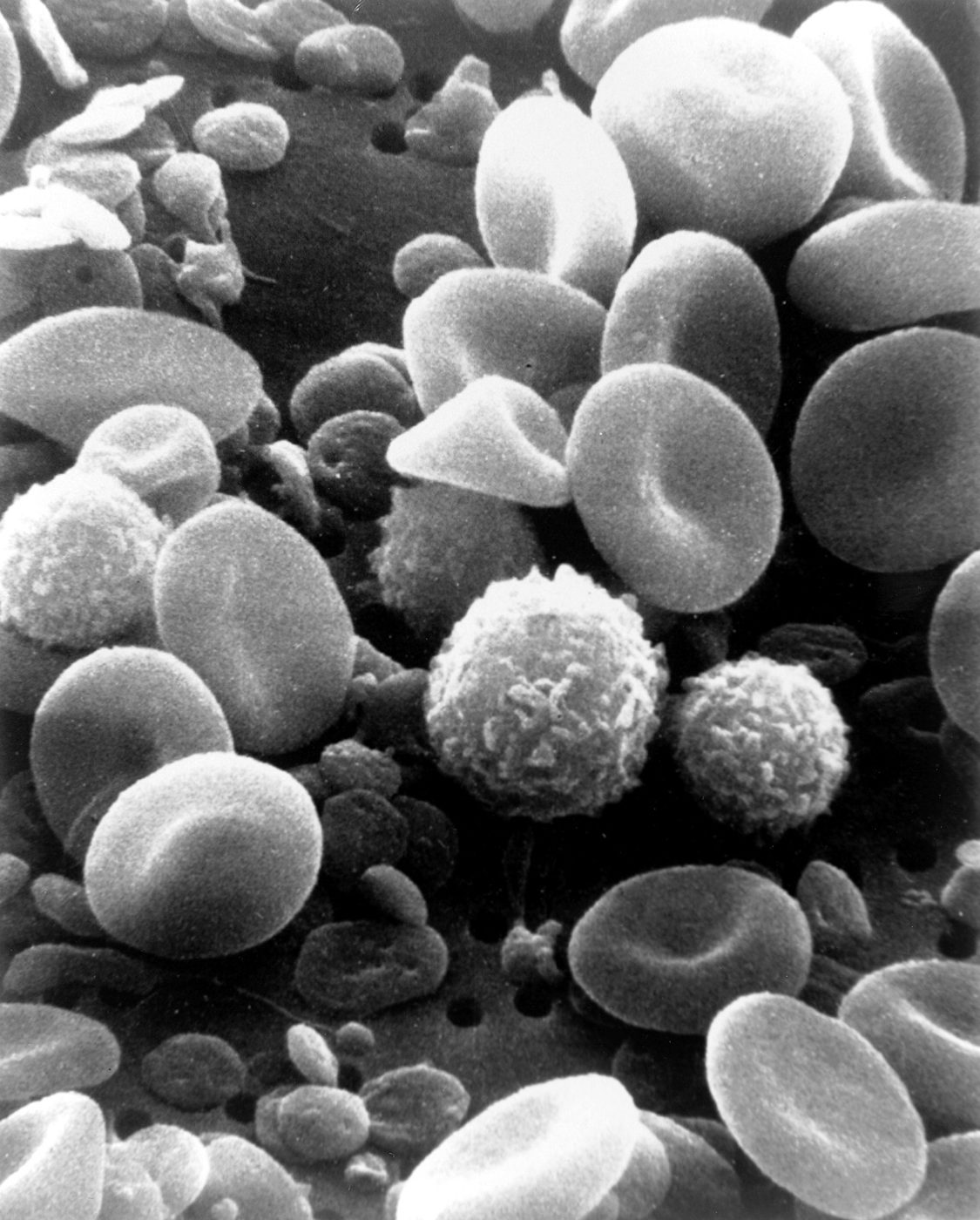
In a healthy person, a red blood cell usually survives for about 120 days, a 2023 review notes. Mature human red blood cells also have no nucleus.
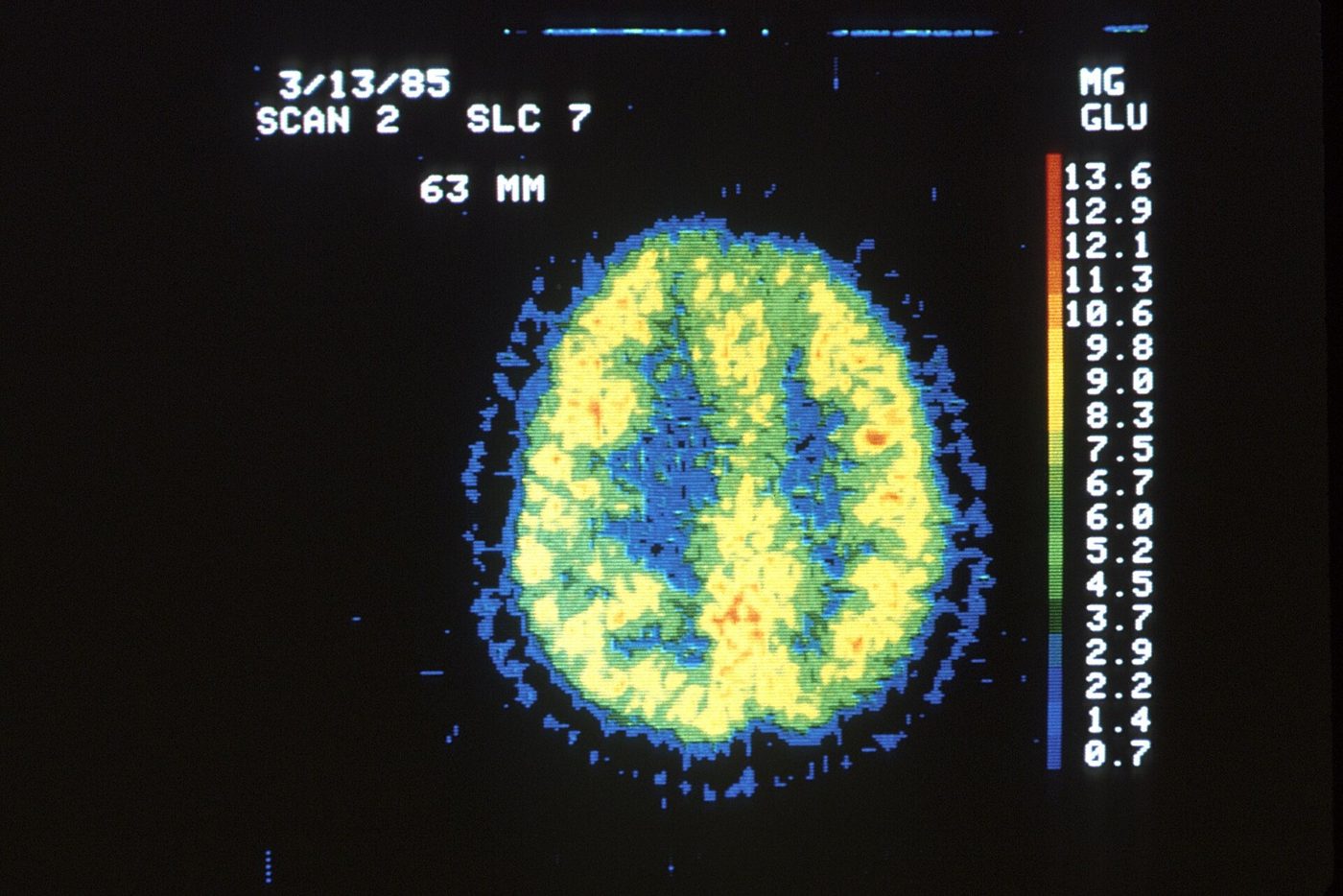
In the average adult at rest, the brain is only about 2% of body weight, yet it uses about 20% of the oxygen and calories the body consumes.