Walter Hunt invented the safety pin in 1849, then sold every right to it for $400 — and never earned another cent.
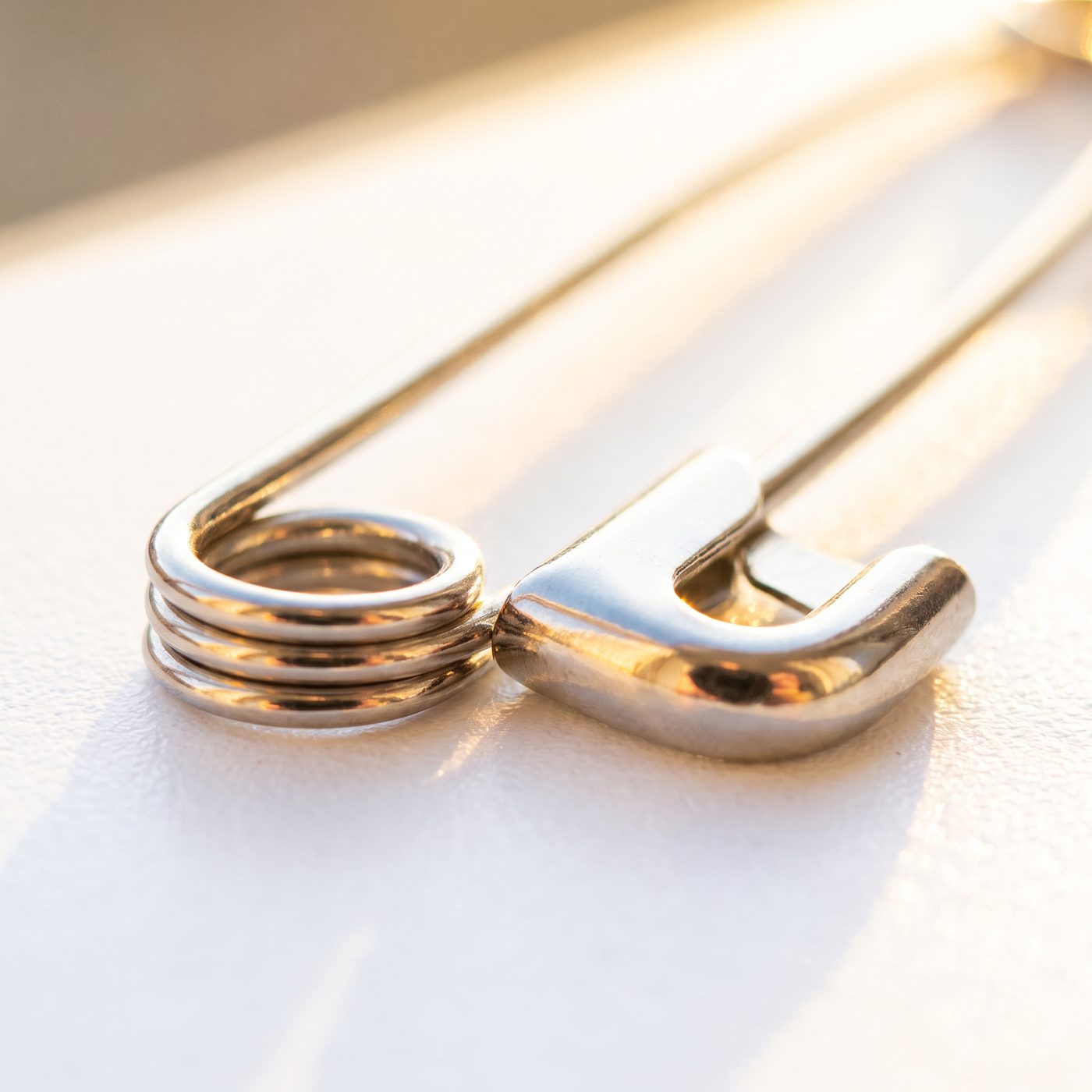 ILLUSTRATION · AI
Walter Hunt patented the safety pin on April 10, 1849, and sold every right to it for a flat $400, never collecting a single royalty as it became a permanent global product.
Walter Hunt spent an afternoon twisting a piece of wire into a coil, and by the time he was done he had invented something that would outlive him by centuries. On April 10, 1849, he received U.S. Patent No. 6,281 for the safety pin. Then he sold the whole thing — every right, forever — for $400, and never earned another cent from it.
The math of that decision is what makes the story sting. The safety pin never went obsolete. It sits in sewing kits, diaper drawers, and punk-rock jackets today, essentially unchanged from Hunt's drawing. Yet the man who dreamed it up walked away with a one-time payment and no stake in any of it.
Why he sold the safety pin for only $400
Hunt didn't invent the pin to get rich. According to the Lemelson-MIT Program's profile of him, he was working to pay off a $15 debt to a friend. He wanted quick cash, not a fortune, so he sat down with a coil of wire and thought his way to a solution: a single length of metal, bent so that a spring in the coil forced the point back into a protective clasp. No loose ends, no jabbed fingers.
Smithsonian Magazine, in its 2013 profile "The Inventive Mind of Walter Hunt, Yankee Mechanical Genius," identifies the buyer as J.R. Chapin, a draftsman who paid Hunt $400 for all rights to the twisted-wire design. That $400 covered both the debt and a tidy profit in 1849 terms. What it did not cover — what Hunt apparently never seriously weighed — was the possibility that his throwaway solution would become one of the most-manufactured objects on Earth.
How we know the story is true
The record is unusually firm for a nineteenth-century patent tale. The patent itself, No. 6,281, is dated April 10, 1849, and is on file with the U.S. Patent Office. The $400 flat-sale figure appears in the Lemelson-MIT Program's account, which states plainly that Hunt "willingly sold rights to it for just $400" and never earned another penny. History.com's 2025 entry, "Safety pin is patented, rights sold for just $400," reaches the same conclusion. Three independent sources, one number.
It's worth noting where the sources diverge. The National Inventors Hall of Fame, which enshrined Hunt, doesn't cite the exact $400 figure — it says only that he "realized only a tiny fraction of the wealth his invention generated." That's the same story in spirit, told with less precision. The specific dollar amount rests on the Lemelson-MIT, History.com, and Smithsonian accounts, all of which agree.
The safety pin wasn't even Hunt's most consequential idea. He also built one of the earliest lockstitch sewing machines — and, in a move that would haunt the history of invention, declined to patent it because he worried it would put seamstresses out of work. That hesitation left the field open for Elias Howe and later Isaac Singer to claim the sewing-machine fortune. Hunt, meanwhile, kept inventing: a repeating rifle, a fountain pen, a nail-making machine, a streetcar bell. He rarely held onto the rewards.
The seam
What's genuinely open to argue is whether Hunt made a mistake at all. Judged against Singer's millions, the $400 looks like one of the worst deals in the history of American invention. But Hunt seems not to have measured himself that way. He was a man who solved problems for the pleasure and the paycheck in front of him, then moved on to the next puzzle — a compulsive fixer rather than a fortune-builder.
Whether that makes him a cautionary tale about undervaluing your own work, or a portrait of someone who simply cared more about the making than the owning, is a question the record can't settle. Hunt kept the coil-spring idea for an afternoon. The rest of us have kept it for 175 years.
More facts
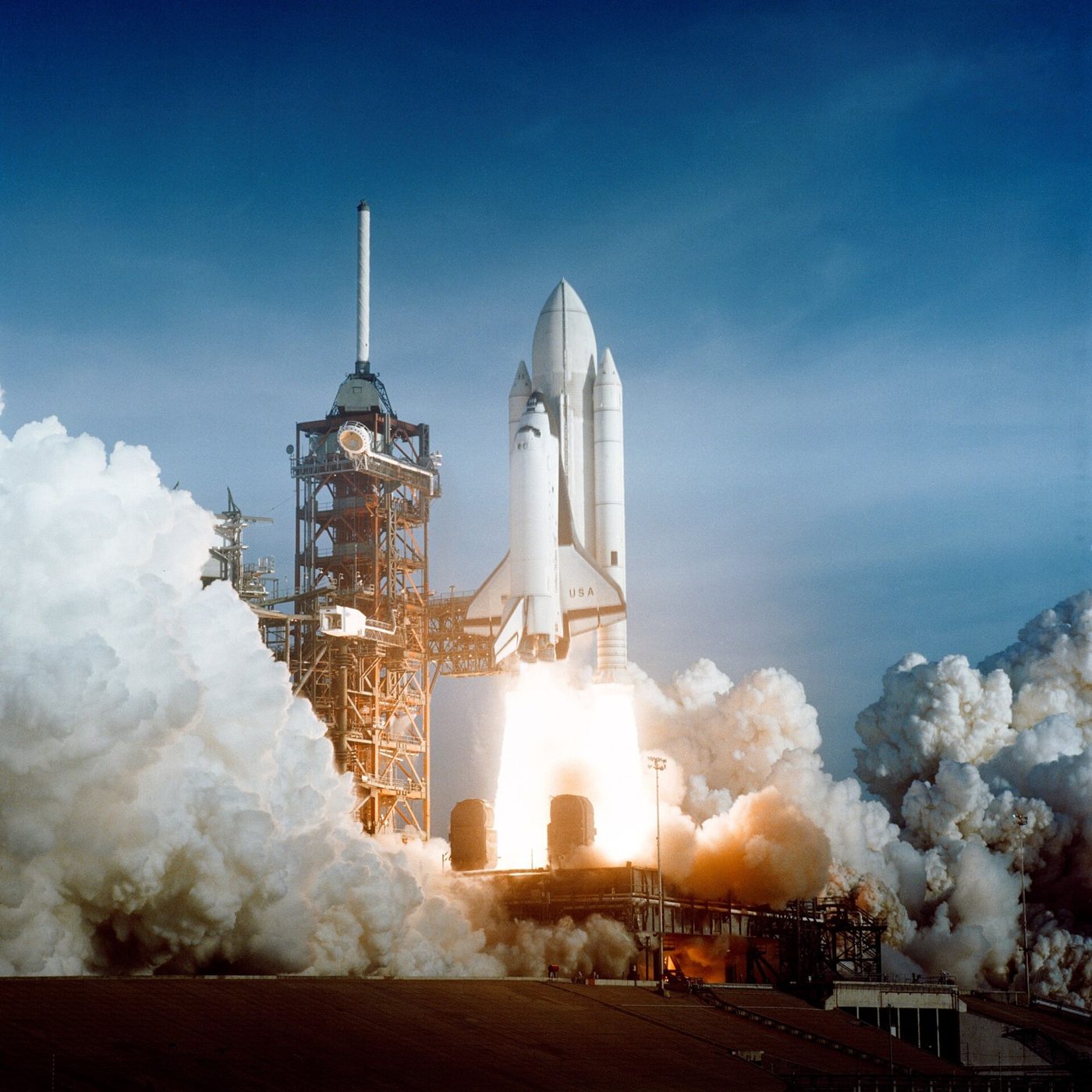
NASA's space shuttles flew 135 missions in 30 years, from the first launch on April 12, 1981, to the final landing on July 21, 2011.
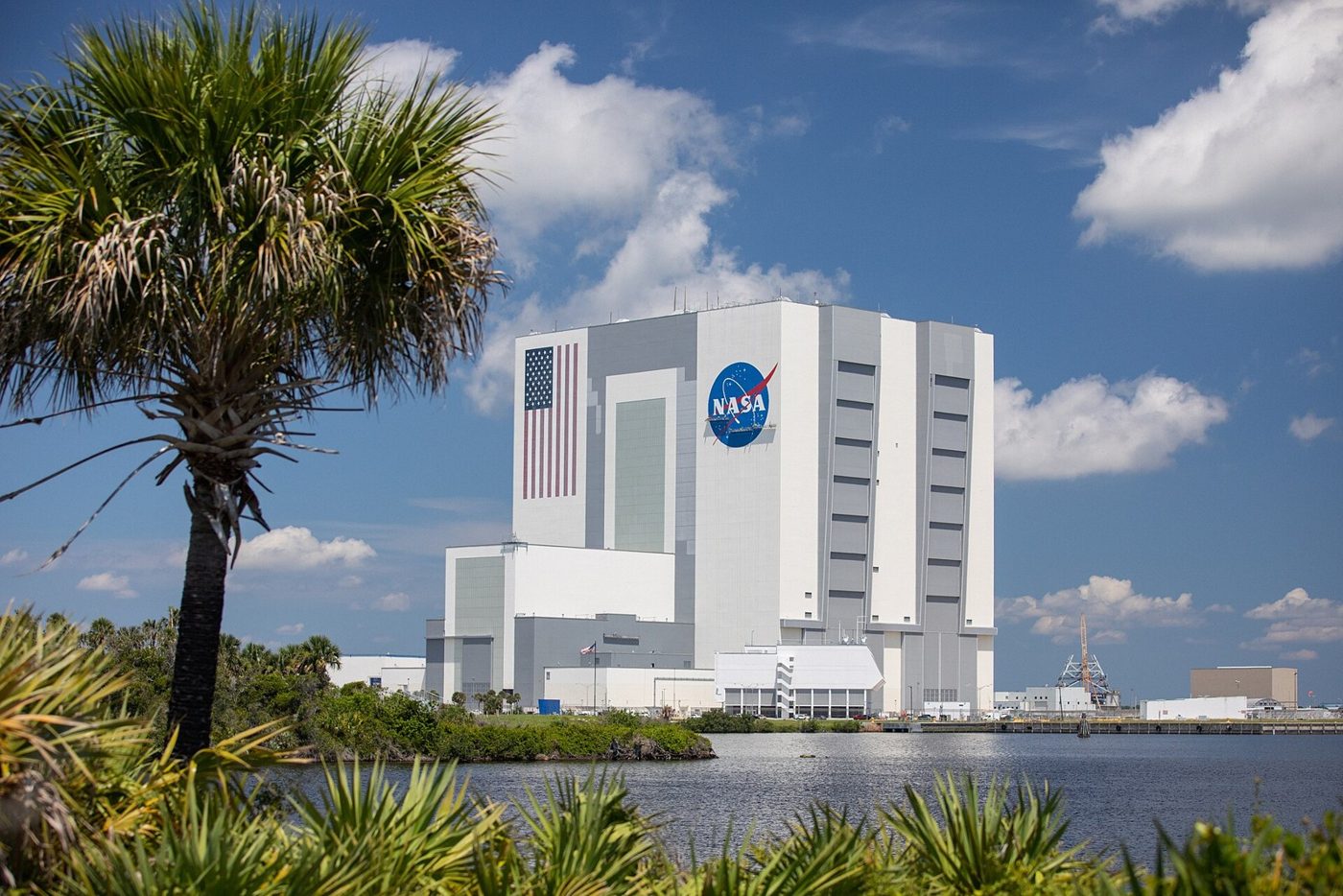
NASA's Vehicle Assembly Building is 525 feet tall. Its high bay doors are 456 feet high and take about 45 minutes to open or close completely.