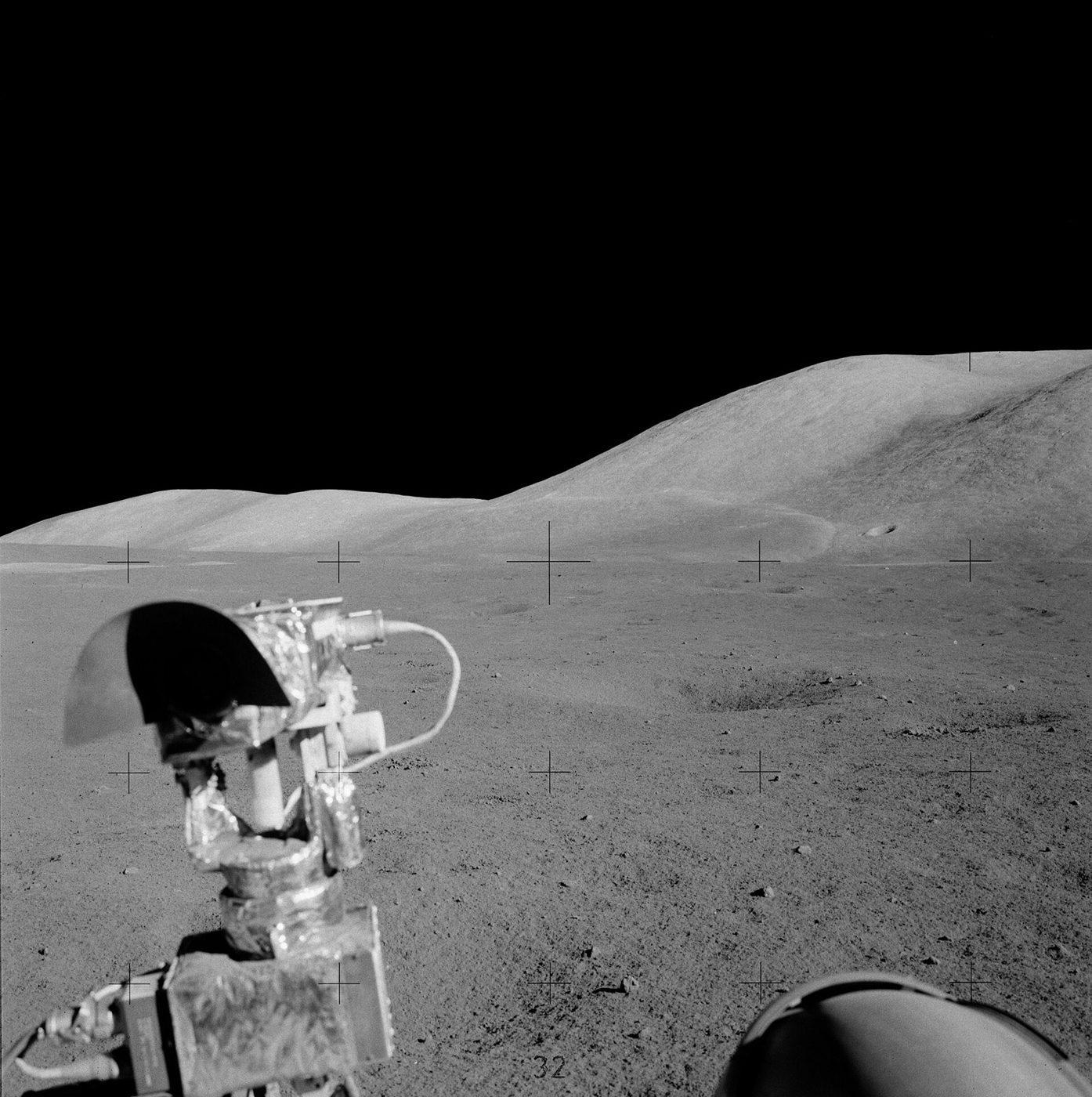
A neutron star is just 12 miles across—the size of a city—yet one teaspoon of it would weigh a billion tons on Earth.
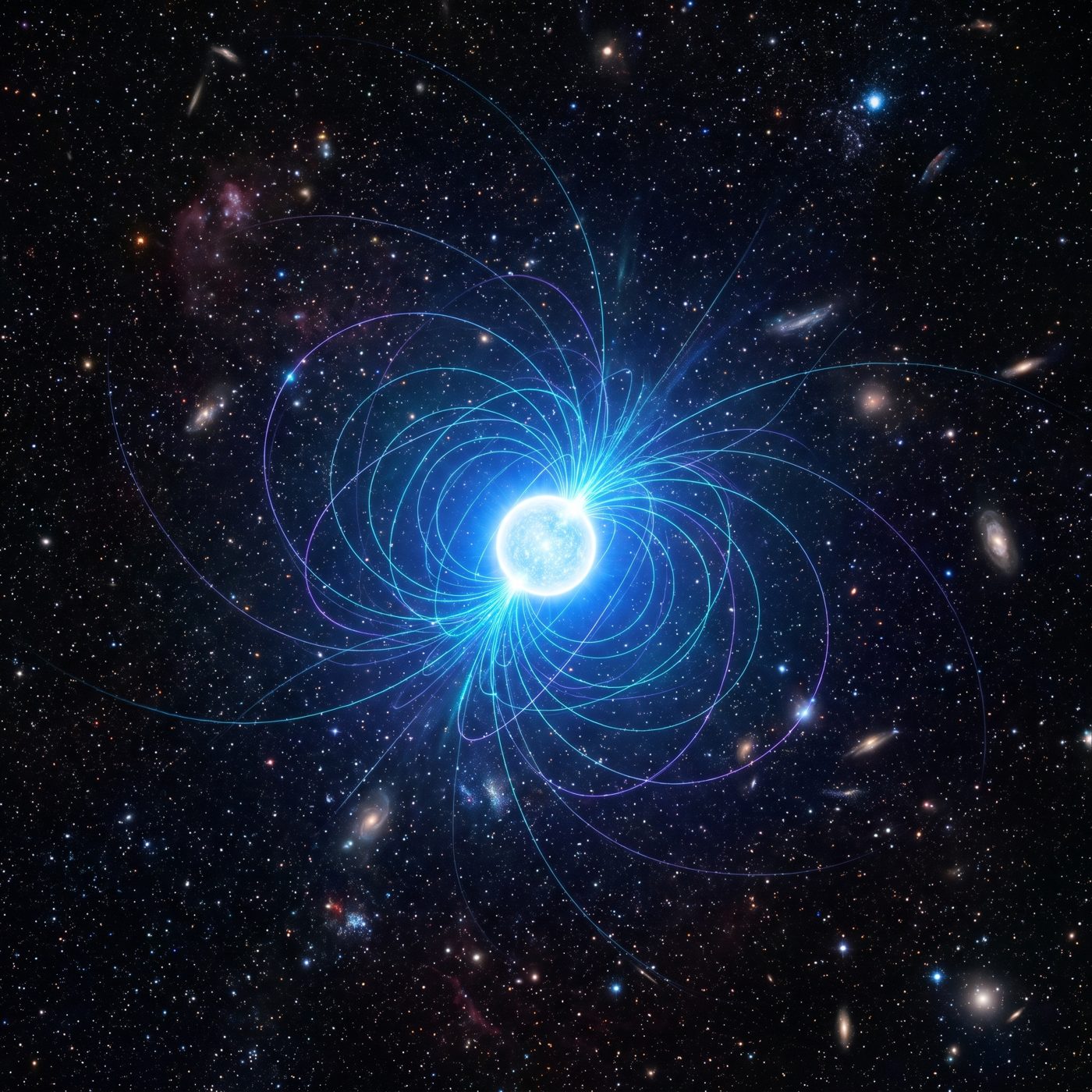 ILLUSTRATION · AI
A neutron star packs up to twice the Sun's mass into a sphere only about 12 miles wide, so dense that a single teaspoon of it would weigh a billion tons on Earth.
Take a city—say the span from one end of Manhattan's downtown to the next neighborhood over—and imagine crushing more than an entire Sun's worth of matter into that footprint. That is a neutron star. According to NASA's NICER mission page, it's an ultra-dense sphere only about 12 miles (20 kilometers) across, yet carrying up to twice the mass of our Sun. Scoop out one teaspoon of the stuff, and on Earth it would weigh a billion tons.
That's not a metaphor stretched for effect. It's the number NASA prints. And the reason it sounds impossible is that nothing in ordinary life is packed anywhere close to this tightly.
How a whole star fits inside a city
A neutron star is what's left when a massive star runs out of fuel and its core collapses. Gravity wins, crushing protons and electrons together until the matter is packed almost entirely as neutrons—hence the name. Swinburne University of Technology's COSMOS Astronomy Encyclopedia puts the density at roughly 10^17 kilograms per cubic meter, describing an object 10 to 20 kilometers across with about twice the Sun's mass. That density is comparable to the nucleus of an atom, which is normally mostly empty space surrounded by orbiting electrons. In a neutron star, that emptiness has been squeezed out.
The teaspoon figure follows directly from that density. NASA Goddard's "Imagine the Universe!" educational page frames it slightly differently but arrives at the same place: a sugar-cube-sized piece of neutron star material would weigh about a trillion kilograms—roughly a billion tons—the same as a mountain.
How we know—and what the numbers really mean
The size and mass figures come straight from NASA institutions. The NICER mission page—NICER stands for Neutron star Interior Composition Explorer, an instrument mounted on the International Space Station—supplies the exact wording quoted here. NASA Goddard's independent educational page corroborates the roughly 20-kilometer (about 12.5-mile) diameter, the solar-scale mass, and the billion-ton teaspoon. Swinburne's encyclopedia, compiled by professional astronomers, backs all three from outside NASA.
Two details deserve honesty. First, "up to twice the mass of our Sun" is an upper bound. A typical neutron star weighs closer to about 1.4 solar masses; the heaviest confirmed ones push toward two, and beyond that limit the star can't hold itself up and collapses into a black hole. Second, the teaspoon-on-Earth image is a thought experiment. You could never actually bring a spoonful here. Freed from the crushing gravity that holds it together, that material would explode instantly and violently—the neutrons themselves are only stable under the star's immense pressure.
The vivid part is that these objects don't sit still. Many neutron stars spin, some hundreds of times per second, their surfaces whipping around at a large fraction of the speed of light. NICER exists precisely to measure how big they are and how the ultra-dense matter inside behaves—reading the X-ray light from hot spots on their surfaces to pin down the size-to-mass relationship that ordinary physics can't fully predict.
The seam: what's inside is still unsettled
Here is where the certainty stops. We know the outside numbers—diameter, mass, density—remarkably well. We don't fully know what the matter does at the very center, where the pressure exceeds anything achievable in any laboratory on Earth. Physicists still argue over whether the core holds neutrons packed shoulder to shoulder, or whether the crushing forces break neutrons down into their constituent quarks, forming something exotic that has no name in everyday matter.
That's the reason NICER was launched at all. The city-sized star with a mountain in every spoonful is settled science. What sits in its heart—stranger, denser, and stubbornly out of reach—is the question still open to argue about.
More facts
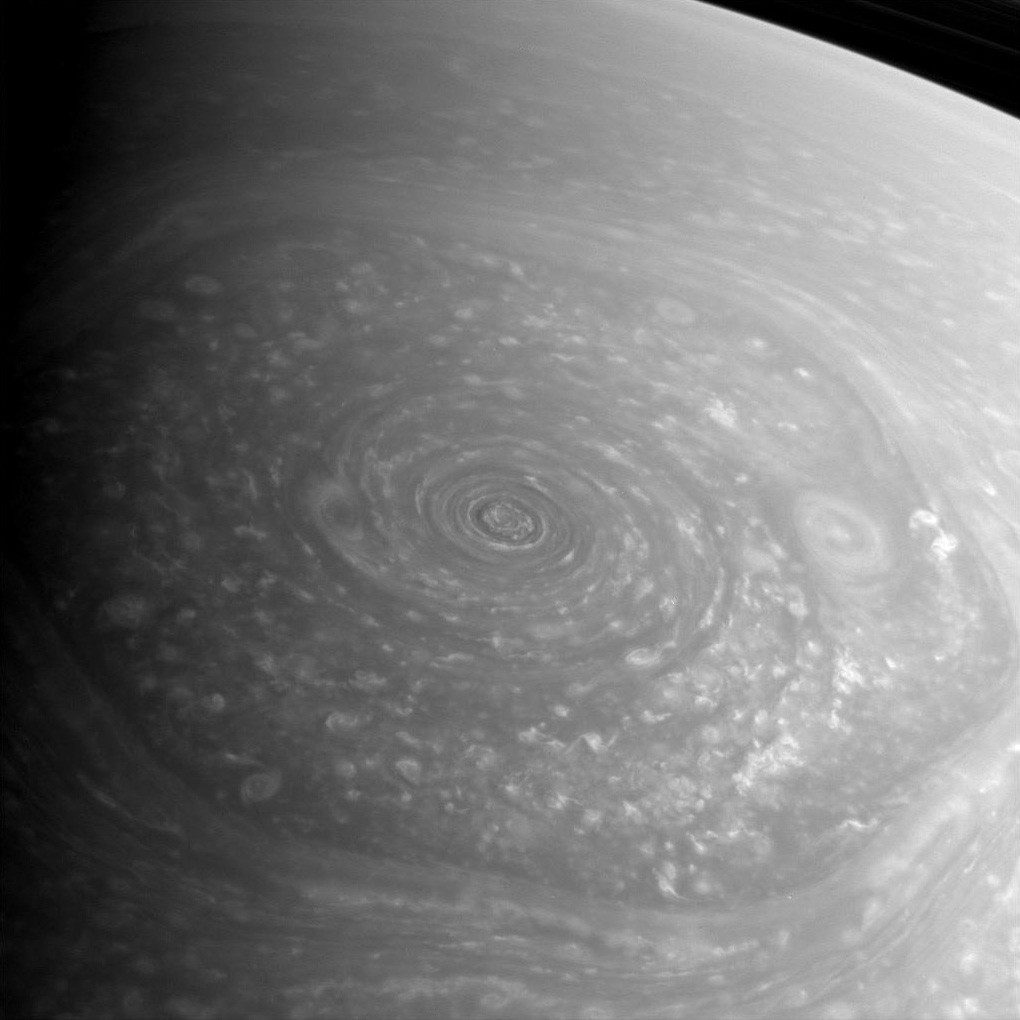
A six-sided storm pattern circles Saturn's north pole. The hexagon spans about 20,000 miles and is a jet stream of 200-mile-per-hour winds, NASA says.
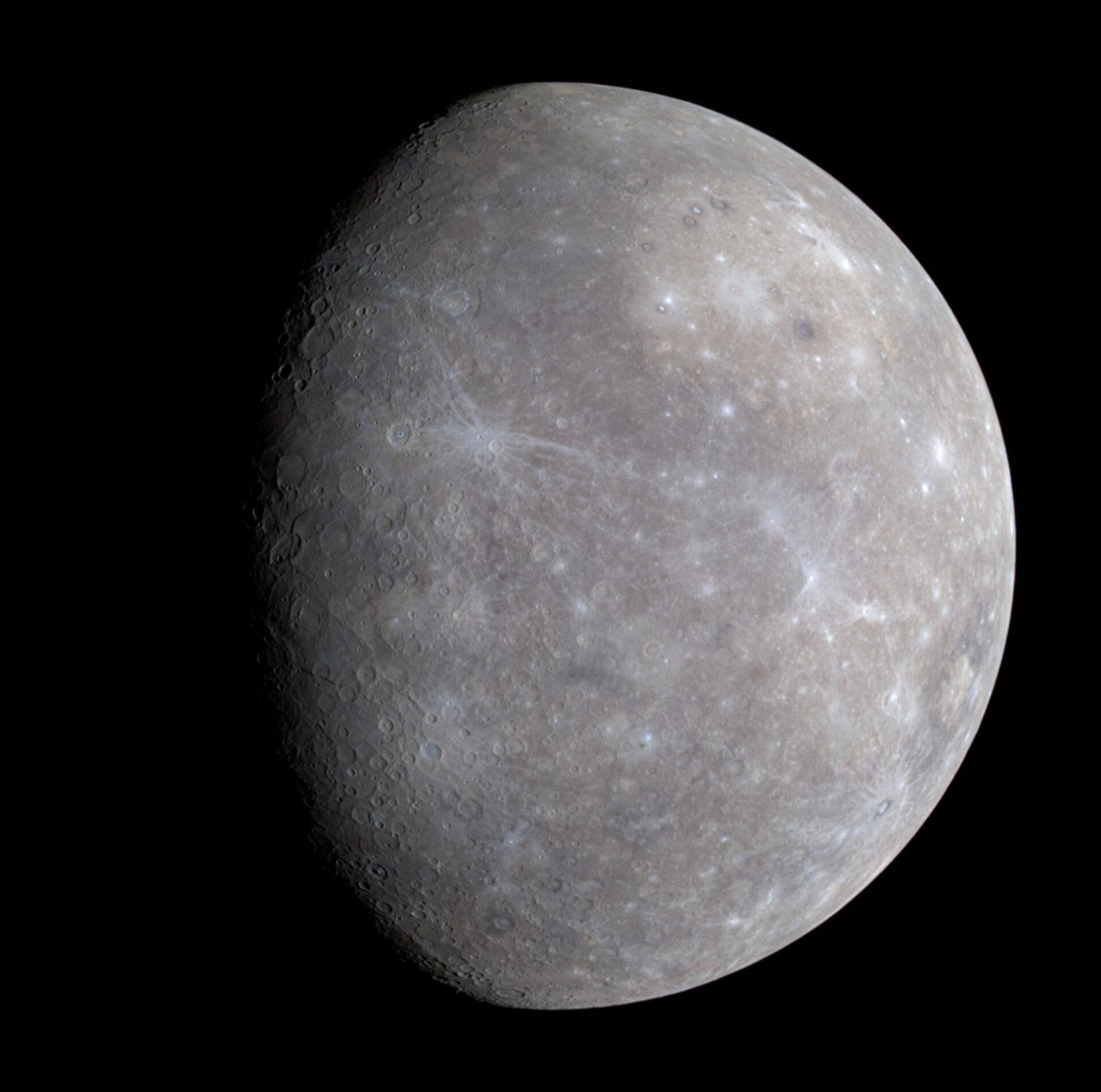
Daytime on Mercury can reach 800 degrees Fahrenheit. With no substantial atmosphere to hold that heat, nights can plunge to minus 290 degrees, NASA says.