Nature
About half of Earth's oxygen production comes from the ocean. Tiny Prochlorococcus bacteria account for up to 20% of global oxygen production, NOAA says.
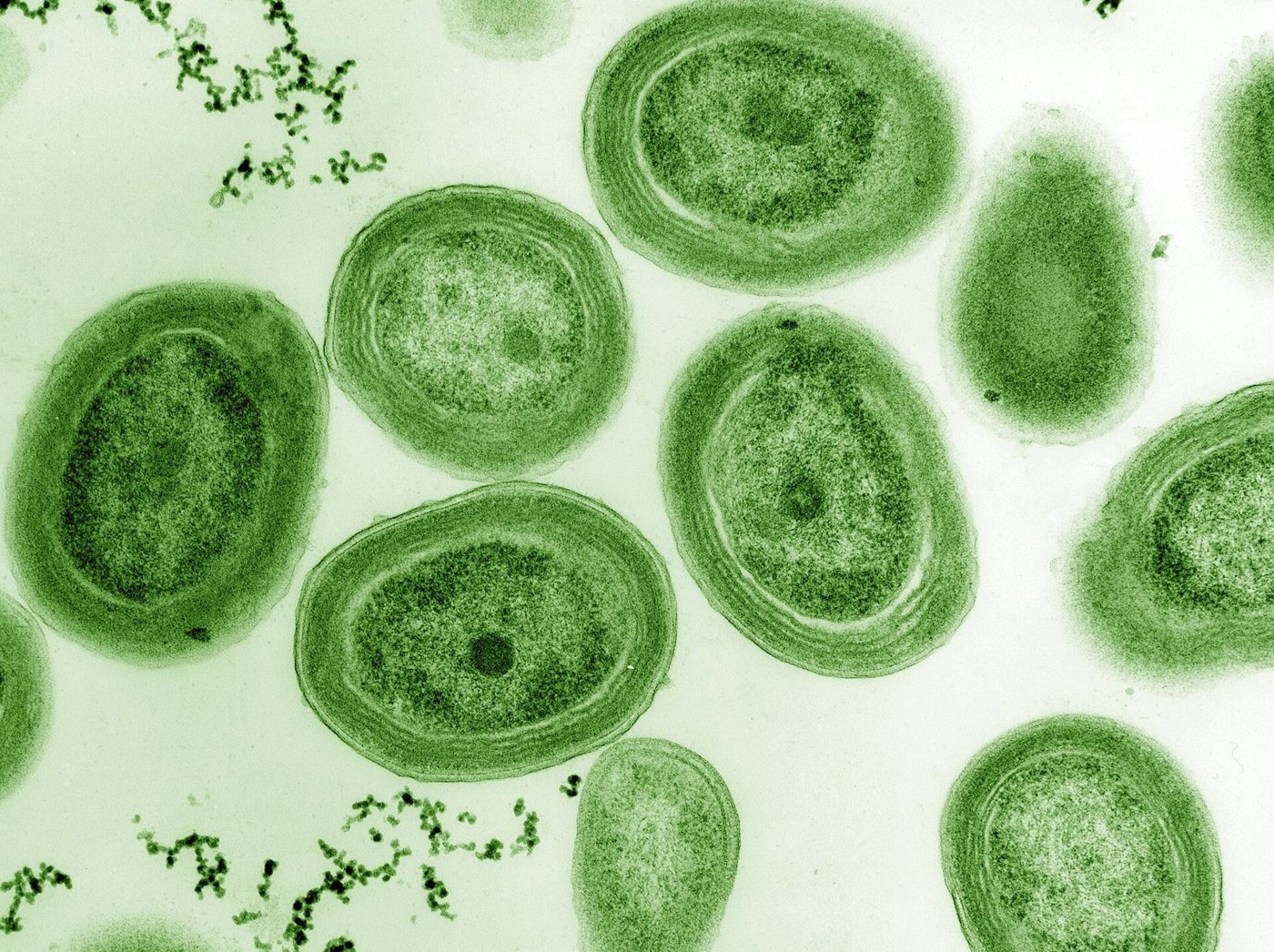 ILLUSTRATION · AI
Roughly half of global oxygen production comes from the ocean, and Prochlorococcus bacteria account for up to 20% of it, NOAA says.
Most of the ocean's oxygen production comes from plankton: drifting plants, algae and some bacteria that can photosynthesize. Prochlorococcus bacteria, the smallest photosynthetic organisms on Earth, account for up to 20% of global oxygen production.
NOAA notes that roughly the same amount of oxygen the ocean produces is consumed by marine life, and that the exact percentage is hard to calculate because it is constantly changing.
SourcesEvery claim traced
- Tier 1 · Primary
Advertisement
Keep reading
More facts
Nature
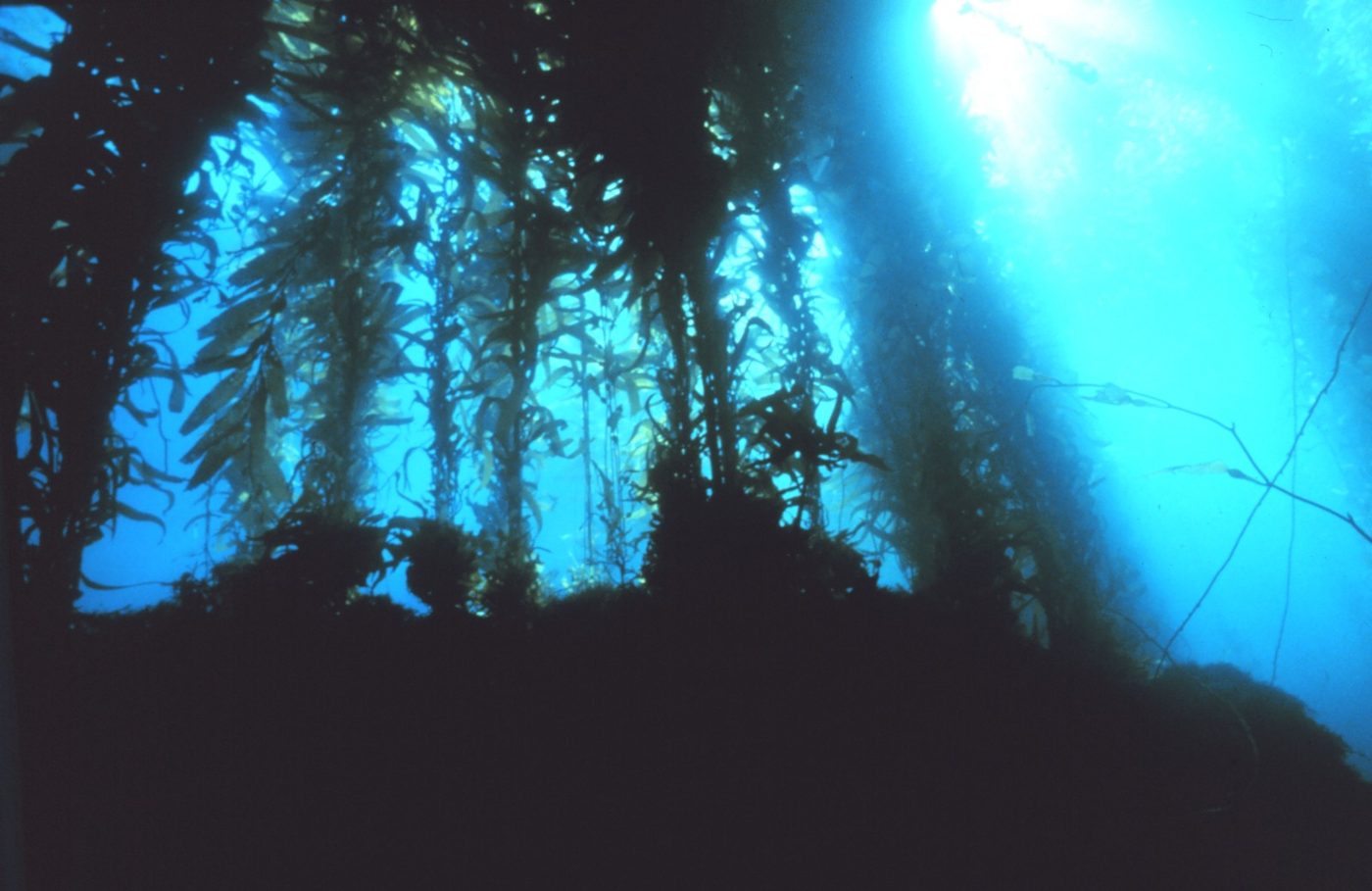
In ideal conditions, kelp can grow up to 18 inches in a single day. Kelp forests provide food and shelter for thousands of species, NOAA says.
Verified2 min
Nature
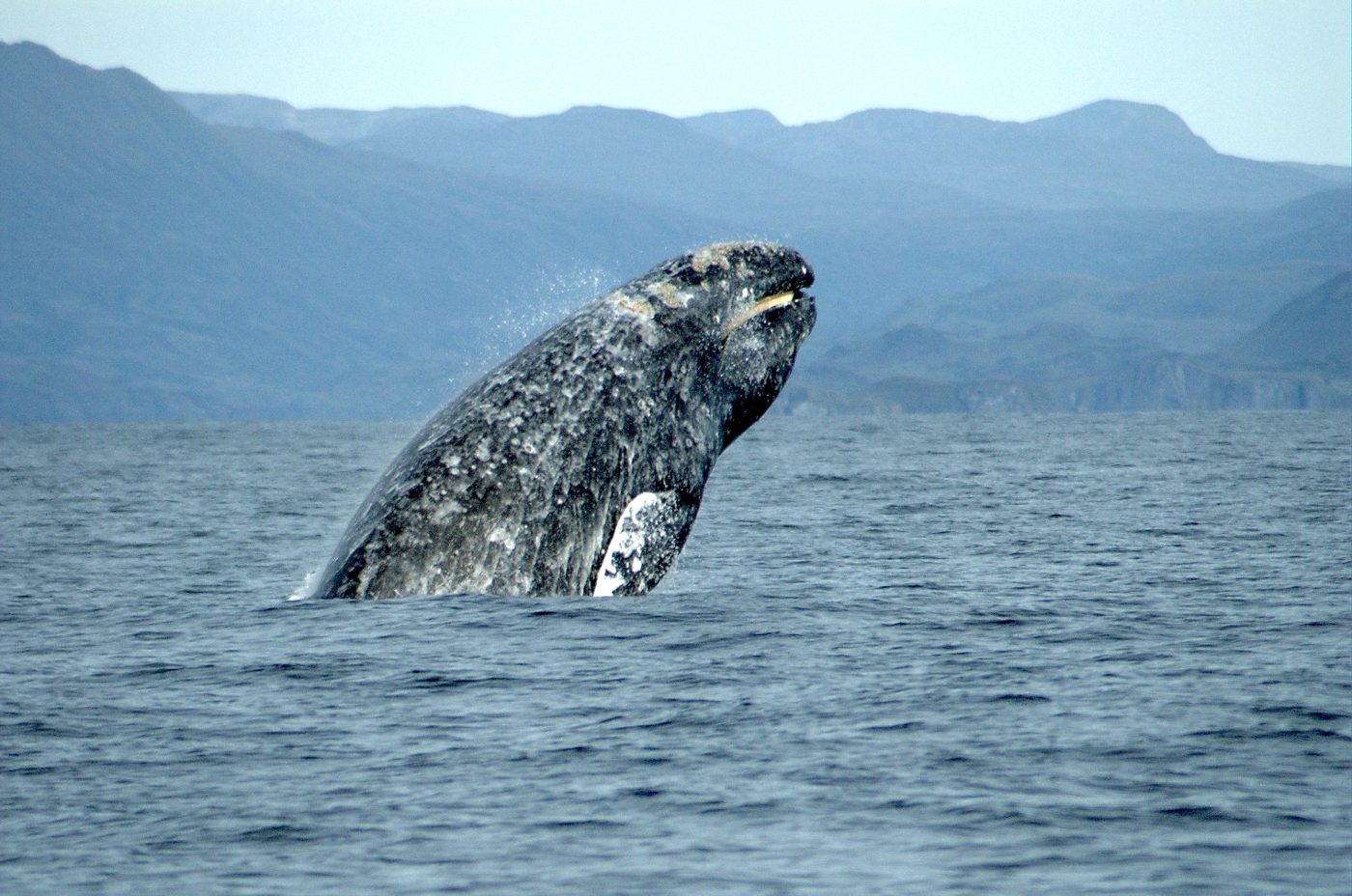
Gray whales travel about 10,000 miles round-trip every year, and some go more than 14,000, one of the longest annual migrations of any mammal, NOAA says.
Verified2 min
Nature
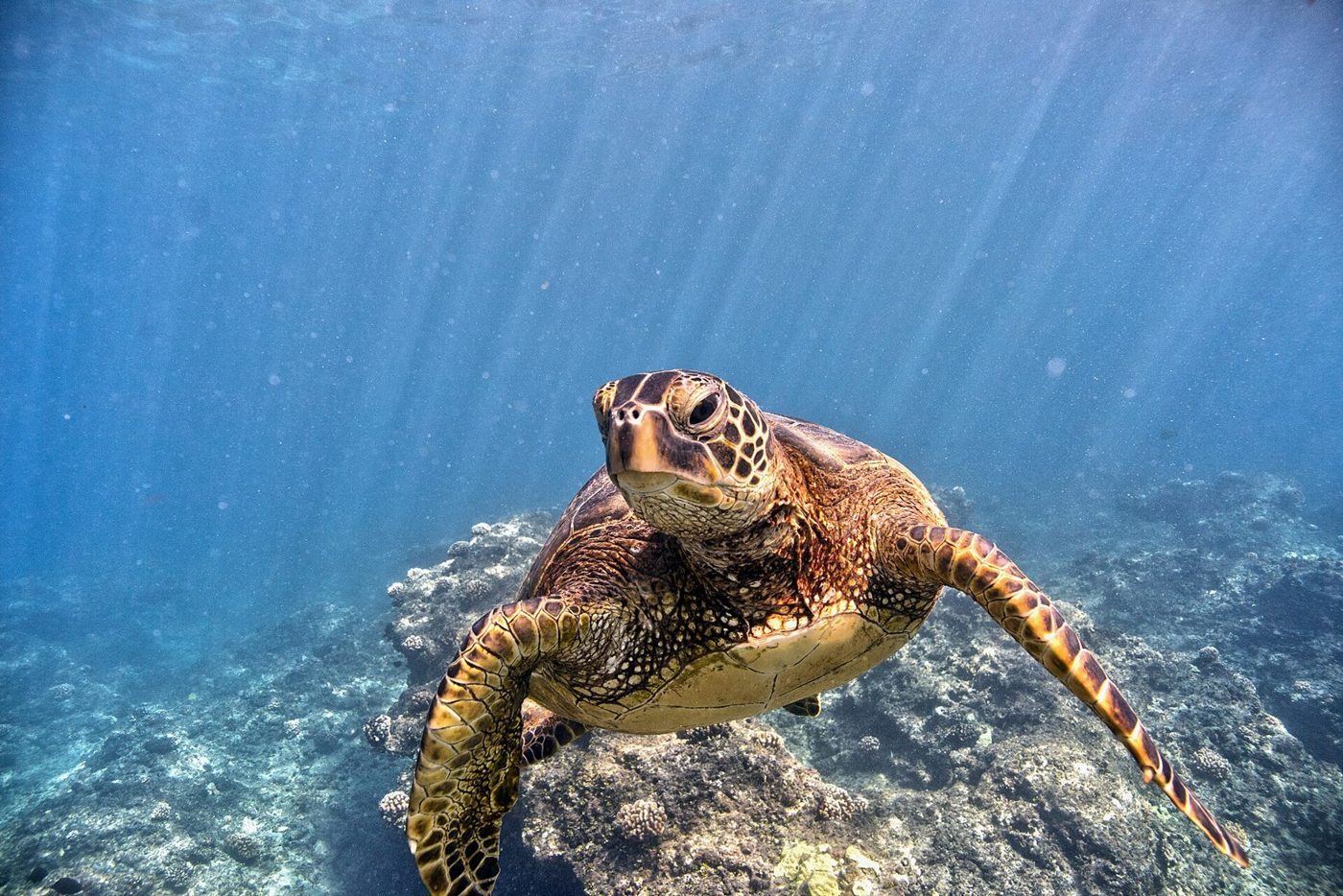
Sand temperature decides whether a sea turtle hatches male or female. A 2018 study found 99.1% of young green turtles from warmer northern Great Barrier Reef beaches were female.
Verified2 min