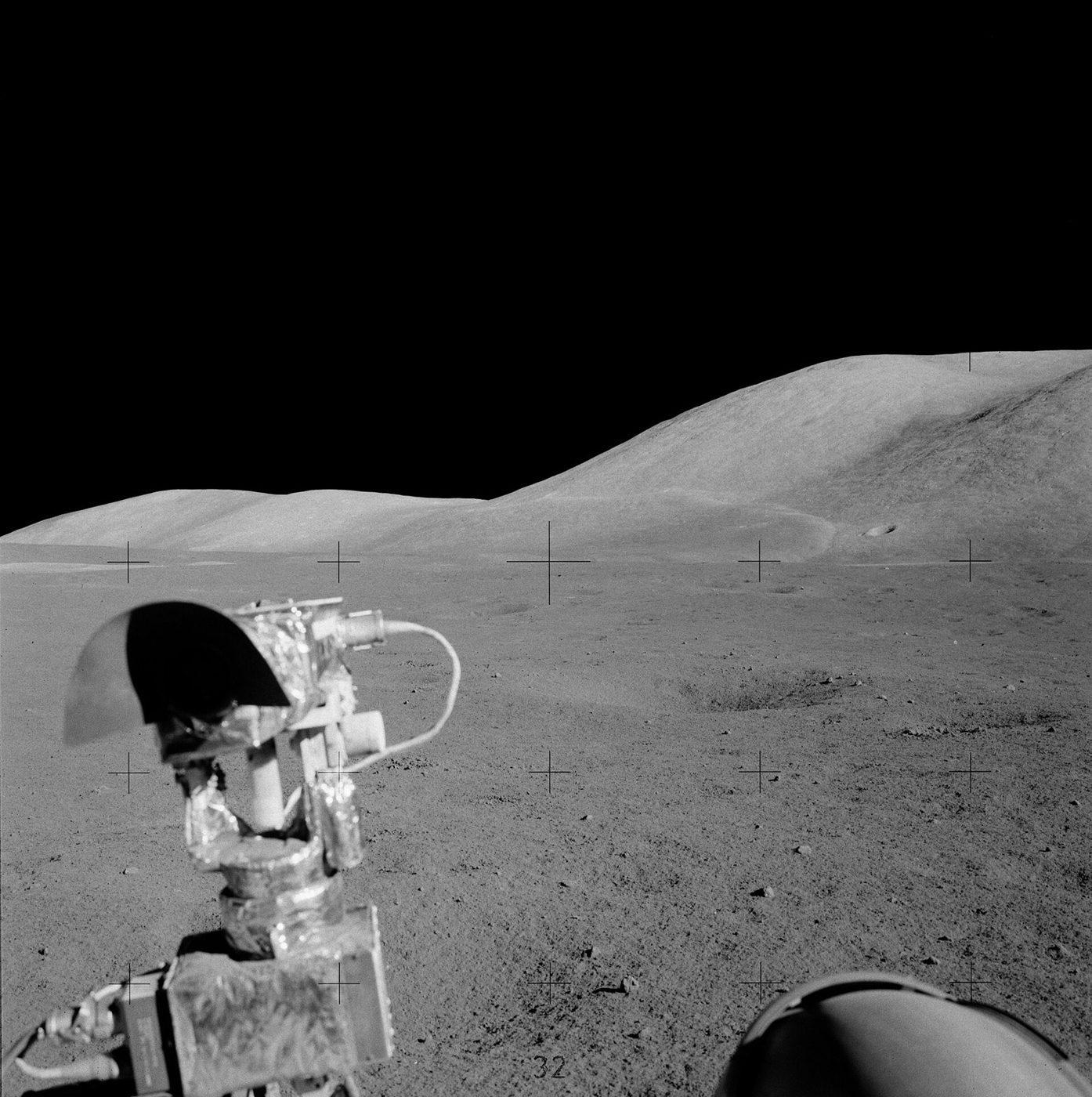
Astronauts on the International Space Station watch 16 sunrises and 16 sunsets every single day — one every 90 minutes.
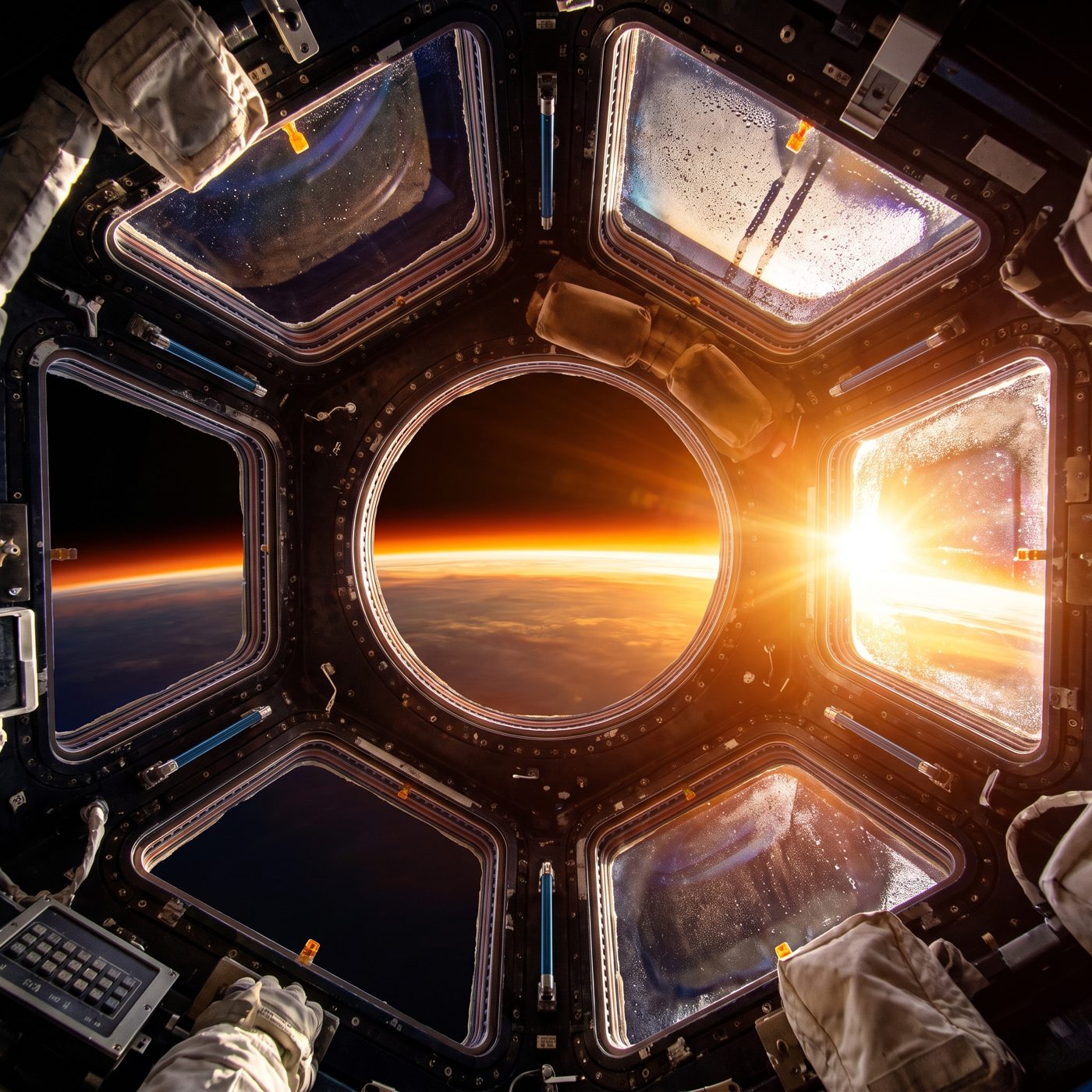 ILLUSTRATION · AI
An astronaut aboard the International Space Station sees the Sun rise and set 16 times in a single day because the station circles Earth roughly once every 90 minutes.
Fasten your watch to the wrong clock and life on the International Space Station gets strange fast. A crew member floating 250 miles up doesn't get one dawn and one dusk in a day. They get sixteen of each. According to NASA's own "International Space Station Facts and Figures," the station travels "at a speed of five miles per second, orbiting Earth about every 90 minutes," and "in 24 hours, the space station makes 16 orbits of Earth, traveling through 16 sunrises and sunsets."
The math is almost disappointingly simple. A full day is 24 hours, or 1,440 minutes. Divide that by a 90-minute orbit and you get 16. Each loop carries the station out of Earth's shadow into daylight and back again, so every 90 minutes brings one full sunrise-to-sunset arc.
Why does the ISS orbit so fast?
The station isn't racing for the fun of it. Speed is what keeps it from falling. At its altitude, roughly 250 miles up, an object has to move fast enough sideways that as it falls toward Earth, the planet's surface curves away beneath it just as quickly. That balance point works out to about 17,500 miles per hour—the "five miles per second" NASA cites. Slow the station down and it would spiral back into the atmosphere; that's why periodic engine boosts are needed to fight the faint drag of the thin air still present at that height.
NASA's Johnson Space Center lays out the mechanics in its "Space Station Orbit Tutorial," which notes that each orbit takes between 90 and 93 minutes depending on the station's exact altitude, with part of Earth in darkness and part in daylight during every pass. That range matters: the ISS doesn't sit at a fixed height. It slowly loses altitude and gets reboosted, so the precise orbital time drifts a little across weeks and months. Sixteen is the round, reliable figure, not a fixed constant.
What a 90-minute sunrise actually looks like
The people who live it describe something the number can't capture. ESA astronaut Thomas Pesquet, writing from the station in November 2016, put it plainly: "We experience 16 sunrises every 24 hours on the International Space Station as it takes us 90 minutes to do a complete orbit... flying at 28,800 km/h." A sunrise from the ground unfolds over long minutes of shifting color. From orbit, the whole event—the thin blue line of atmosphere igniting at the horizon, the Sun cresting, the flood of light across the station's solar panels—compresses into seconds. The terminator, the line between day and night, sweeps across the windows sixteen times a day.
That relentless rhythm is exactly why the station runs on Coordinated Universal Time rather than any local dawn. If the crew tried to sleep when it got dark outside, they'd be trying to nap every 45 minutes. So the schedule ignores the view entirely and imposes an artificial 24-hour day, with darkness engineered by window shades and lights on a timer.
Which leaves the genuinely open question: what does a body do with sixteen dawns? Human circadian rhythms evolved under a single Sun on a 24-hour cycle, and researchers studying long-duration spaceflight are still working out how the mismatch affects sleep, alertness, and long-term health—an increasingly urgent problem as agencies plan missions to Mars, where crews will spend far longer away from the one dawn our biology was built for. The station gives its crew a spectacle no one on Earth will ever match. Whether our bodies can be argued into ignoring it is the part still being tested, one orbit at a time.
More facts
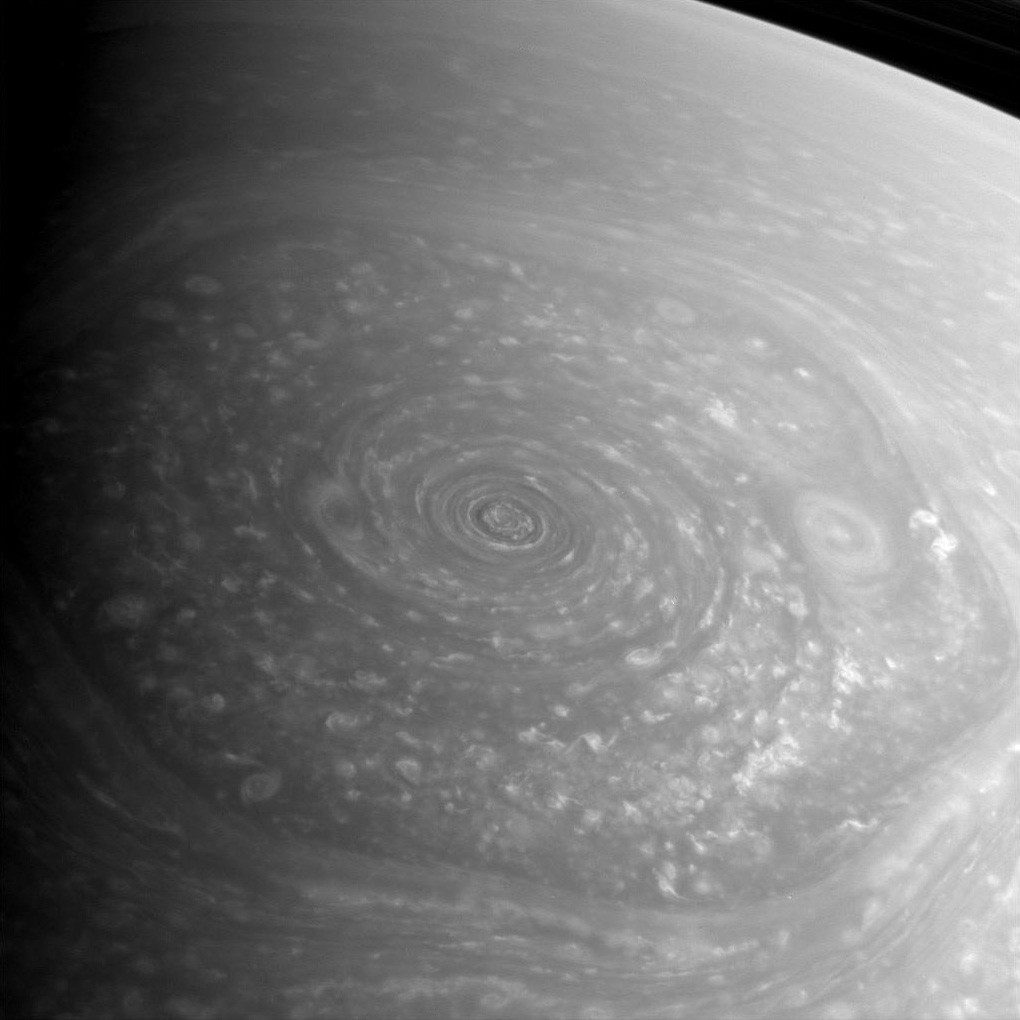
A six-sided storm pattern circles Saturn's north pole. The hexagon spans about 20,000 miles and is a jet stream of 200-mile-per-hour winds, NASA says.
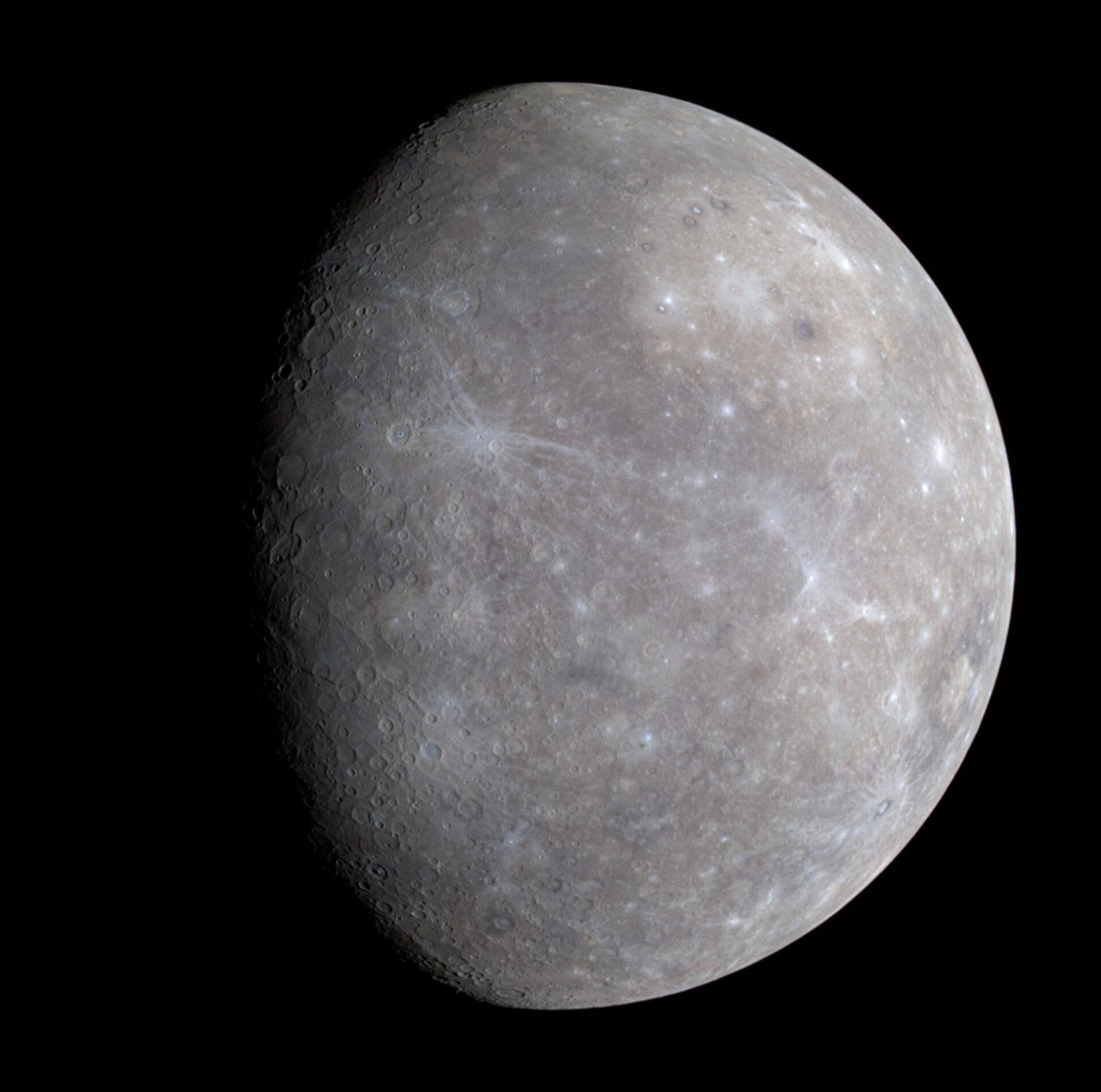
Daytime on Mercury can reach 800 degrees Fahrenheit. With no substantial atmosphere to hold that heat, nights can plunge to minus 290 degrees, NASA says.