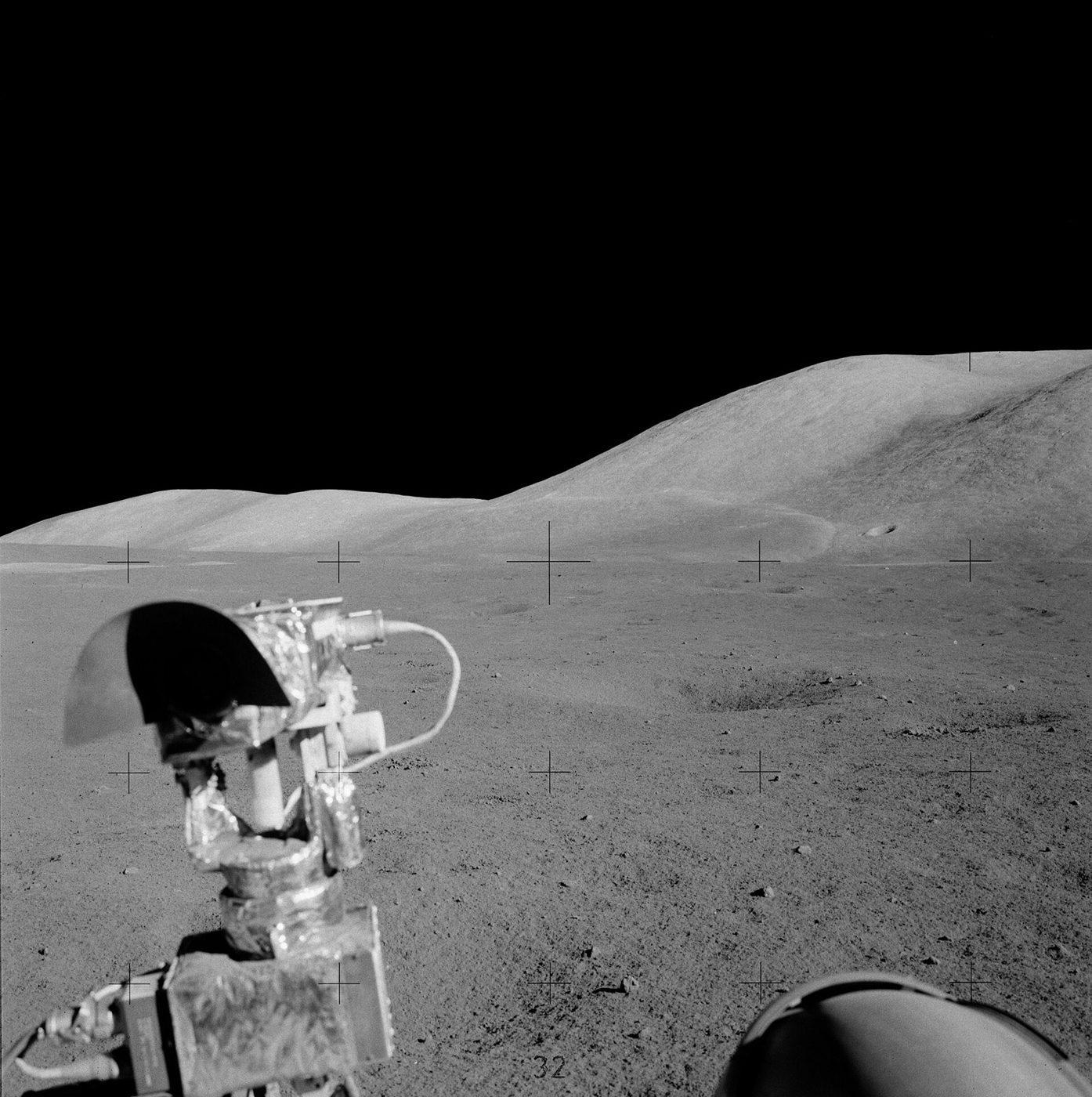
Averaged across time, Earth's closest planet isn't Venus — it's Mercury, at a mean 1.04 AU versus Venus's 1.14.
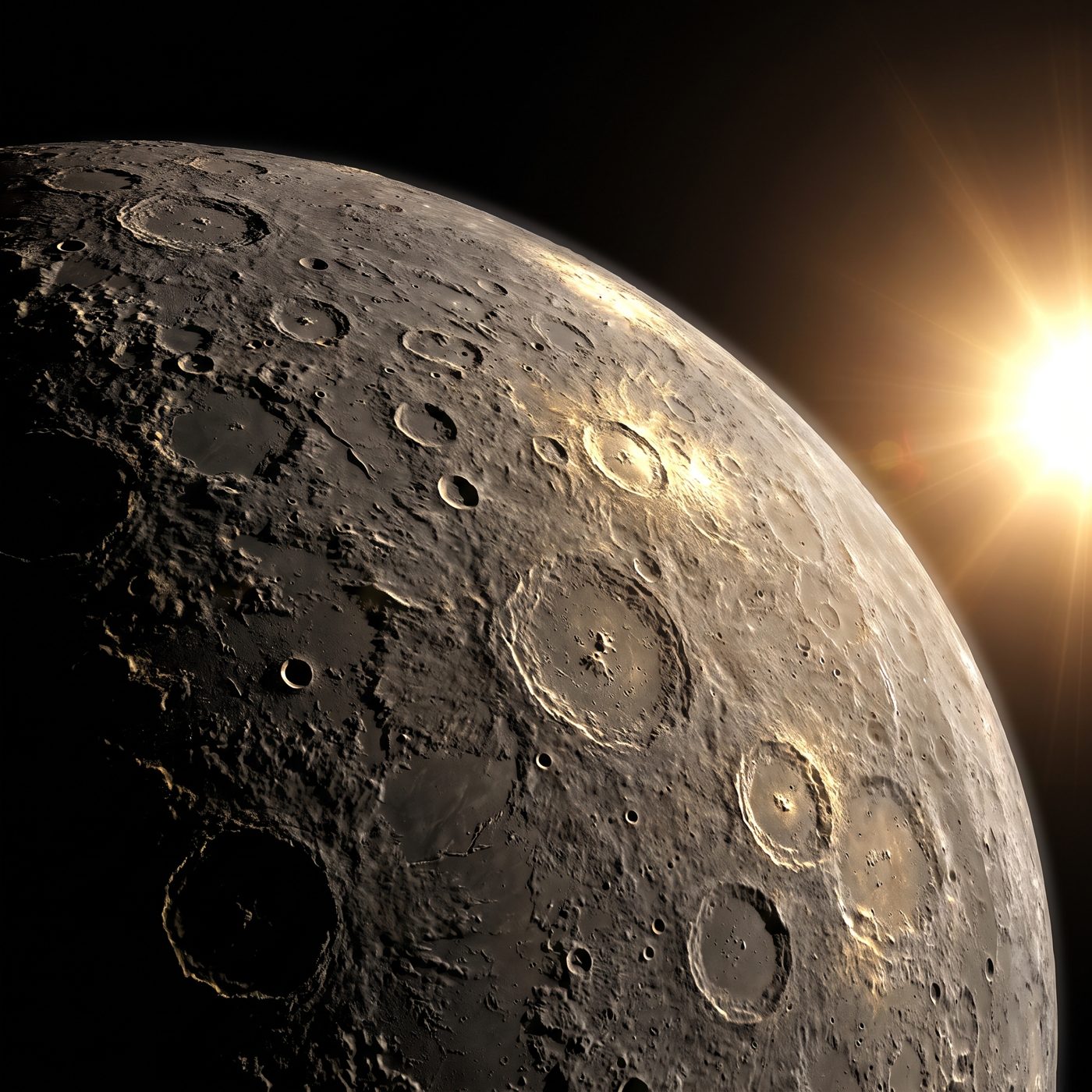 ILLUSTRATION · AI
Averaged over the years, Mercury — not Venus — spends more time as Earth's nearest planetary neighbor, at a mean distance of 1.04 astronomical units versus Venus's 1.14.
You were taught that Venus is Earth's closest neighbor, and in one narrow sense that's true: when the two planets line up on the same side of the Sun, Venus swings within about 0.28 astronomical units of us — closer than any other planet ever gets. But "closest" usually means closest on average, and by that measure the winner is Mercury. Over the long haul, Mercury sits an average of 1.04 AU from Earth, while Venus averages 1.14.
The reason is a piece of orbital geometry that most of us never stop to picture.
Why Mercury, not Venus, is usually nearer
Planets are almost never lined up. Most of the time, the planet you're measuring against is off on the far side of the Sun, or somewhere along its orbit at an awkward angle. So the honest question isn't "how close can two planets get?" but "how far apart are they, on average, across every configuration?"
Here's the counterintuitive part. Venus's orbit is larger, so when Venus is on the opposite side of the Sun from Earth, it's very far away indeed — its distance from us can swing wildly. Mercury's orbit is small and tight, hugging close to the Sun. That means Mercury never wanders very far from the center of the whole system, and as a result it never gets extremely far from Earth either. A planet that stays close to the Sun stays, on average, close to everybody.
That last clause is where the finding gets genuinely strange.
How we know: a 10,000-year simulation
The claim comes from a 2019 commentary in *Physics Today*, the American Institute of Physics magazine, written by Tom Stockman, Gabriel Monroe, and Samuel Cordner. To test it, they ran a simulation using PyEphem, tracking the positions of all eight planets across 10,000 years and sampling the distances between them every 24 hours.
The numbers held up. Mercury, they found, is not just Earth's average closest neighbor — it is the closest planet, on average, to *every* other planet in the solar system. Mars's nearest average neighbor is Mercury. Jupiter's is Mercury. Even Neptune, out on the frigid edge of the system, spends more of its time closer to little Mercury than to any of its giant siblings. The reason is the same each time: Mercury clings to the Sun, and the Sun is the point everything else orbits around.
To sanity-check the brute-force simulation, the authors derived a simple "point-circle" formula — a way of averaging the distance between two circular orbits — and it landed within one percent of the numerical result. The vivid detail worth holding onto: reporting on the paper, *ScienceAlert* summarized the upshot bluntly in 2019 — the planet that spends the most time as our nearest neighbor is the one closest to the Sun, not the one closest to us.
It's worth being precise about what the record actually is. The *Physics Today* piece is a commentary, not a peer-reviewed research paper, and the authors are clear that they assumed roughly circular, coplanar orbits to keep the math clean. The real solar system is tilted and elliptical, which nudges the exact figures without overturning the conclusion.
So the seam left to argue over isn't the arithmetic — it's the word. If "closest neighbor" means the planet that comes nearest in a single dramatic pass, Venus keeps its crown at 0.28 AU. If it means the planet you'd most often find nearby if you dropped in on a random Tuesday across ten thousand years, it's Mercury by a comfortable margin. Both answers are correct. They're just answers to different questions — and the one we were all taught in school happens to be the less common of the two.
- Tier 2 · Secondary2019
More facts
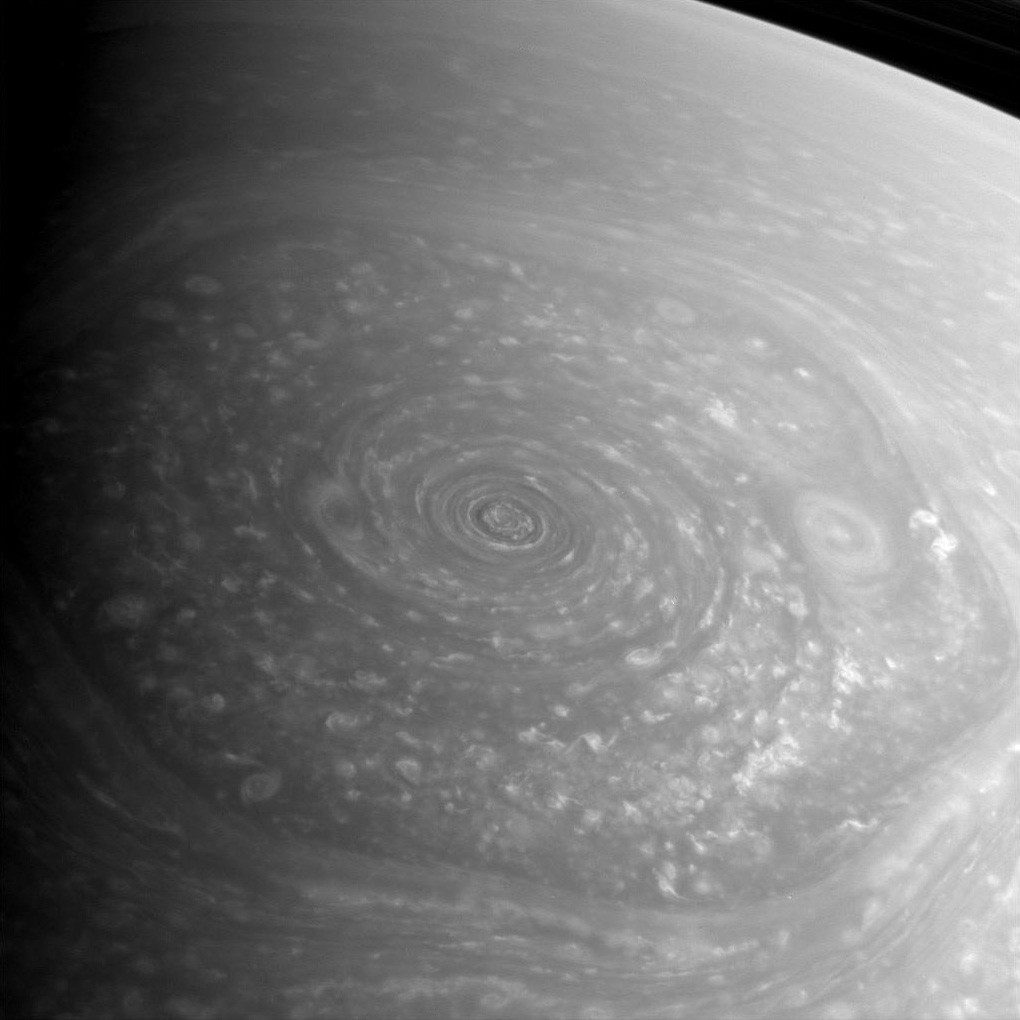
A six-sided storm pattern circles Saturn's north pole. The hexagon spans about 20,000 miles and is a jet stream of 200-mile-per-hour winds, NASA says.
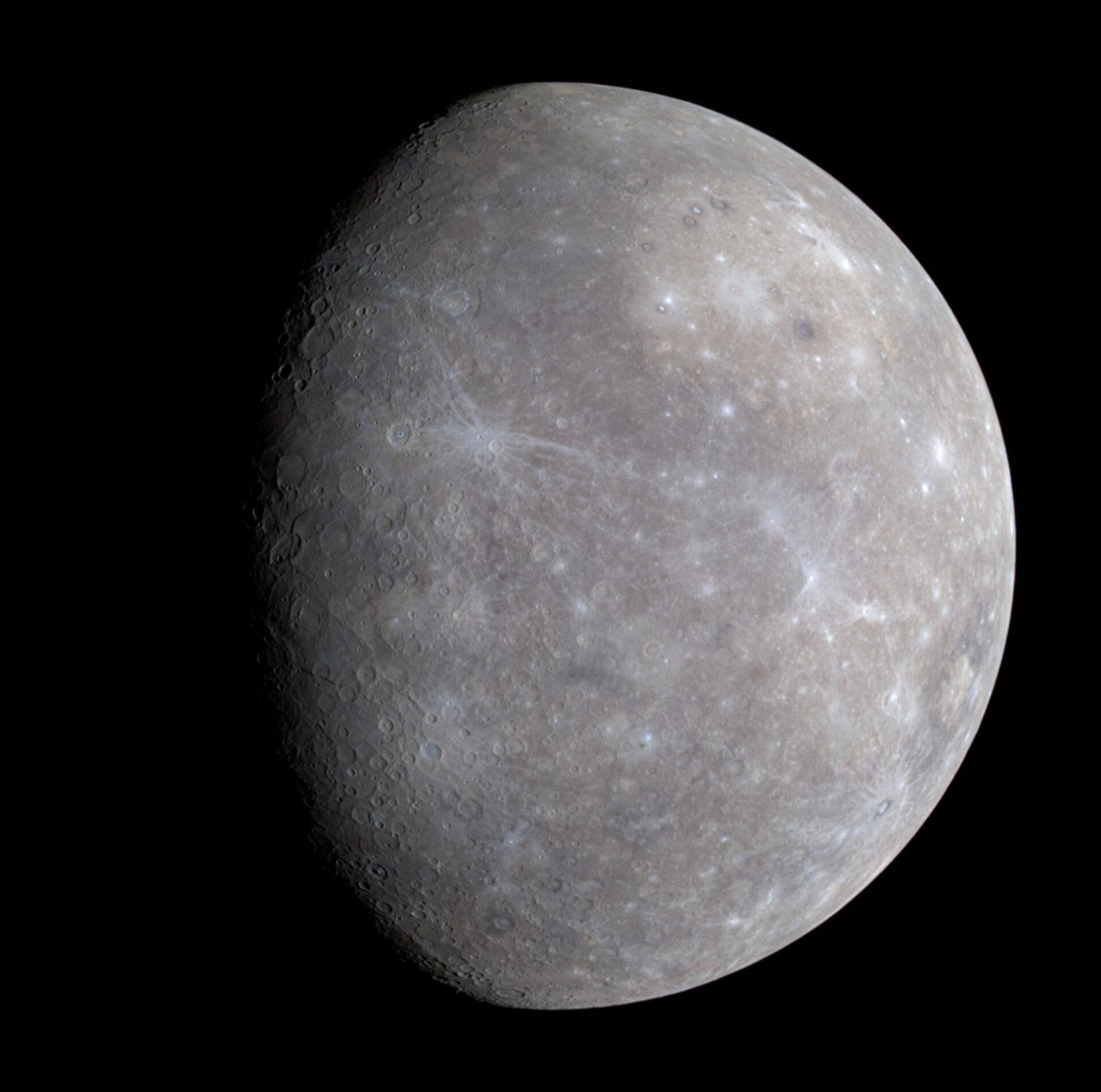
Daytime on Mercury can reach 800 degrees Fahrenheit. With no substantial atmosphere to hold that heat, nights can plunge to minus 290 degrees, NASA says.