Every bitter flavor you've ever tasted is read by about 25 genes — packed into just 3 spots on your chromosomes.
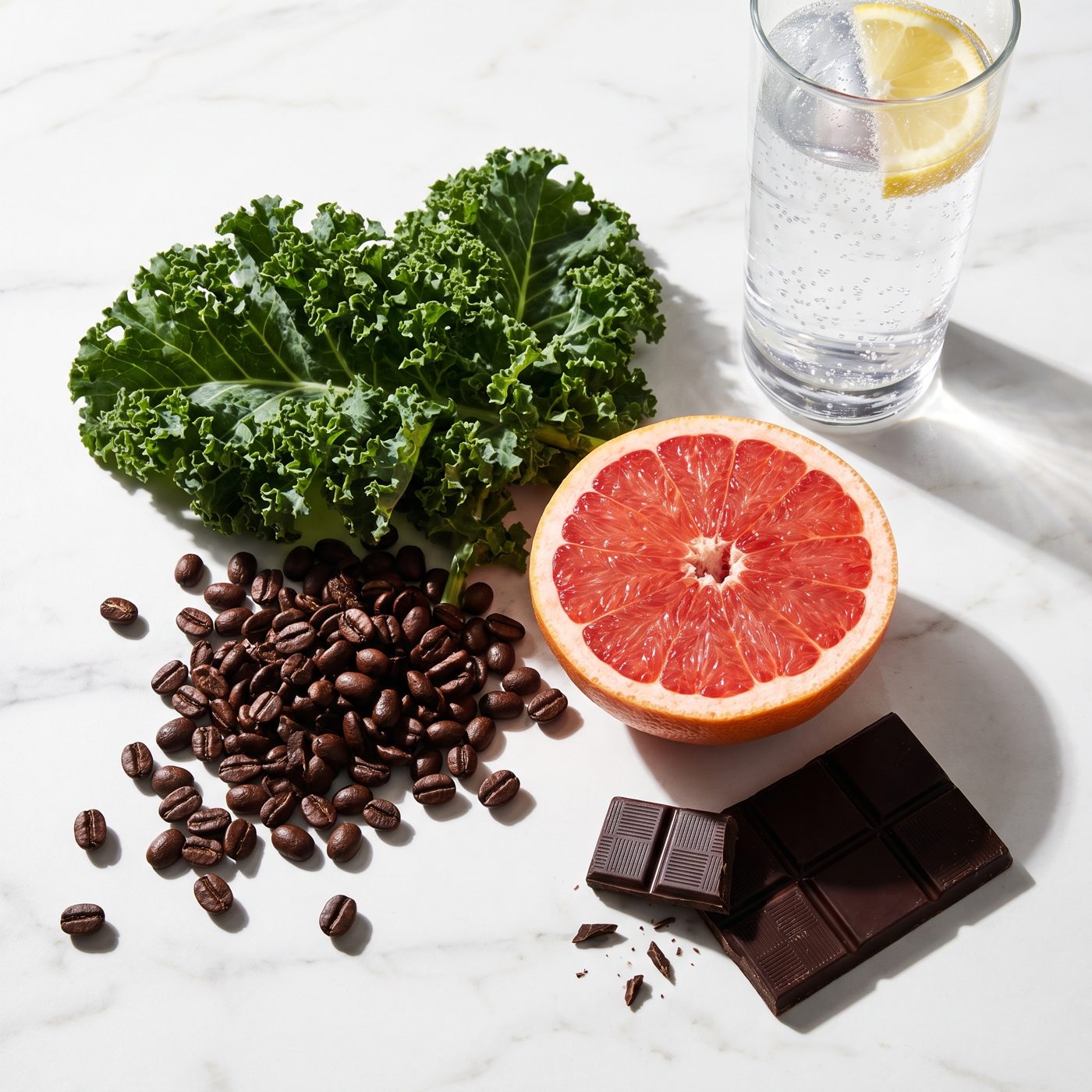 ILLUSTRATION · AI
The full range of bitter tastes humans can detect is encoded by roughly 25 receptor genes, and they sit in only three clusters on your chromosomes.
Every bitter thing you have ever recoiled from — black coffee, tonic water, raw kale, the aspirin that missed your throat — gets read by a receptor family of only about 25 genes. And those genes are not scattered evenly across your DNA. As Natacha Roudnitzky and colleagues laid out in *PLOS Genetics* in 2015, all 25 members of the TAS2R bitter-taste receptor family are restricted to just three cytogenetic locations: 5p15, 7q31–7q35, and 12p13.
That is a strikingly small toolkit for a strikingly large job. Bitterness is chemistry's warning label — the flavor most associated with plant toxins and spoiled food — and yet the human body meets thousands of bitter compounds with only a couple dozen sensors.
How 25 genes cover thousands of bitter compounds
The trick is that TAS2R receptors are generalists. Some respond to only a handful of substances; others are broadly tuned, firing in response to dozens of unrelated bitter molecules. Together the small family casts a wide net. Klaudia Tuzim and Agnieszka Korolczuk, reviewing the field in the *Journal of Translational Medicine* in 2021, counted the same twenty-five different TAS2Rs in humans and noted the same three clusters — 5p15, 12p13, and 7q31–7q35.
The word to hold onto is *about*. Careful sources say "about 25" or "twenty-five" functional genes, not a hard round number, because the family also carries broken copies. Marcinek and colleagues, writing in *Molecular Biology and Evolution* in 2017, traced the functional count back to Adler and coworkers in 2000, and pointed to eleven TAS2R pseudogenes identified by Go and colleagues in 2005 — genes that once worked and no longer do. Bitter perception, in other words, is a graveyard as much as a garden.
Why the genes clump in just three places
The geography is the most vivid part. One lone gene, TAS2R1, sits by itself on the short arm of chromosome 5. Nine genes crowd into a stretch of chromosome 7 spanning roughly 20.5 million base pairs. And fifteen — the largest share — are packed into a tight region of chromosome 12 only about 400,000 base pairs across, according to the layout reported by Roudnitzky's team.
That clustering is a fingerprint of how the family grew. Gene families expand by duplication: a gene gets accidentally copied, the copy drifts and takes on a new job, and over evolutionary time a single ancestor becomes a neighborhood of relatives sitting shoulder to shoulder. The dense knot on 12p13 is what that process looks like when it runs hot — fifteen receptors born from repeated copying in a span of DNA shorter than many single genes elsewhere in the genome.
This is also why bitter perception varies so much between people. Because the receptors are clustered and closely related, small spelling changes in individual genes — the polymorphisms in the title of Roudnitzky's paper — ripple into real differences in what people can taste. The classic case is the compound PROP: some people find it searingly bitter, others taste almost nothing, and the split traces largely to variants in a single 7q gene, TAS2R38.
The open question is what all these receptors are doing outside the mouth. TAS2Rs turn up in the airways, the gut, the heart, even sperm — the "extra-oral" receptors Tuzim and Korolczuk set out to review. Nobody fully knows why a bitter sensor belongs in your lungs. It may be a chemical alarm system for inhaled toxins and bacterial byproducts; it may be something else entirely. The genes are counted and mapped. What they are all listening for, three chromosomes deep, is still being argued over.
More facts
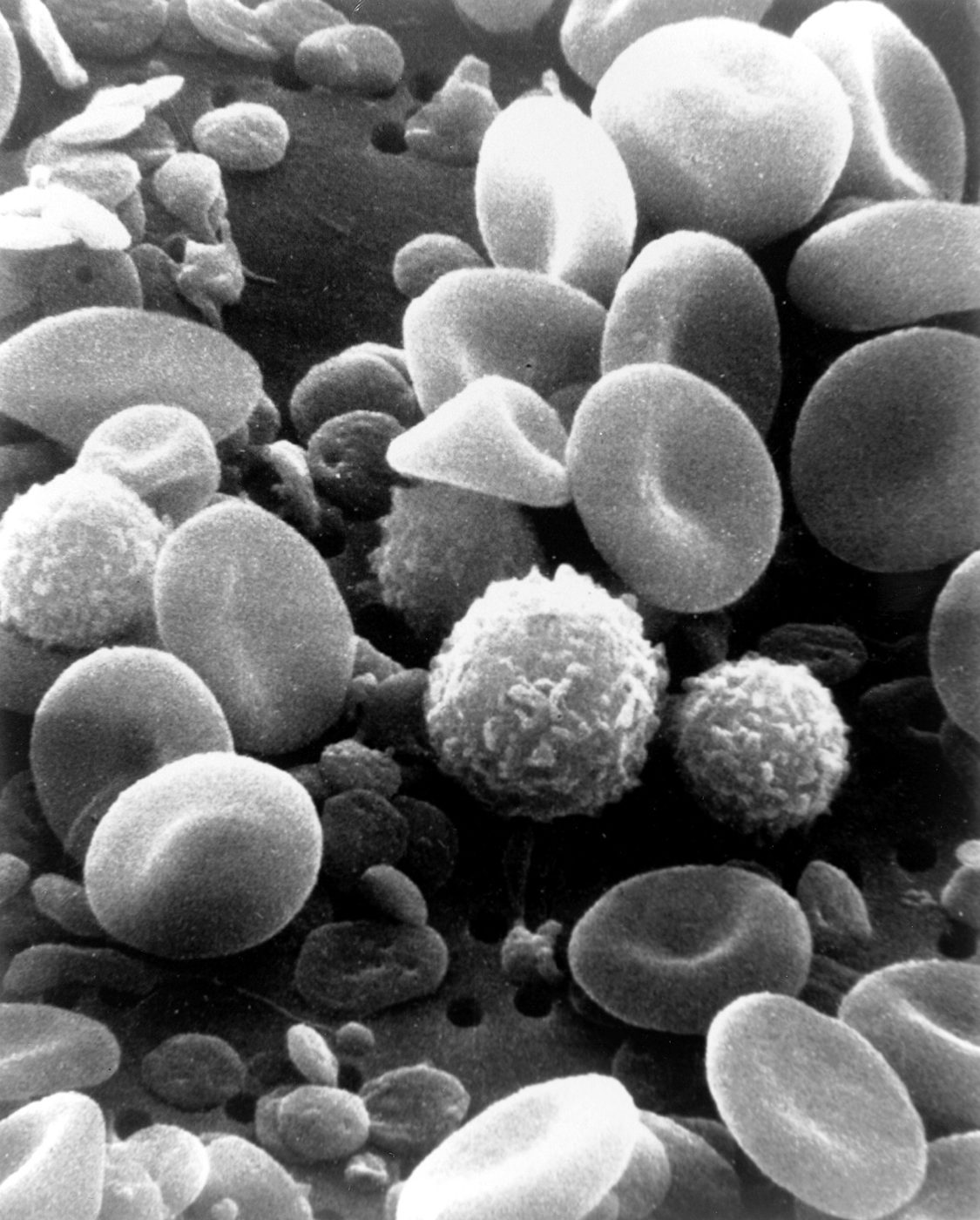
In a healthy person, a red blood cell usually survives for about 120 days, a 2023 review notes. Mature human red blood cells also have no nucleus.
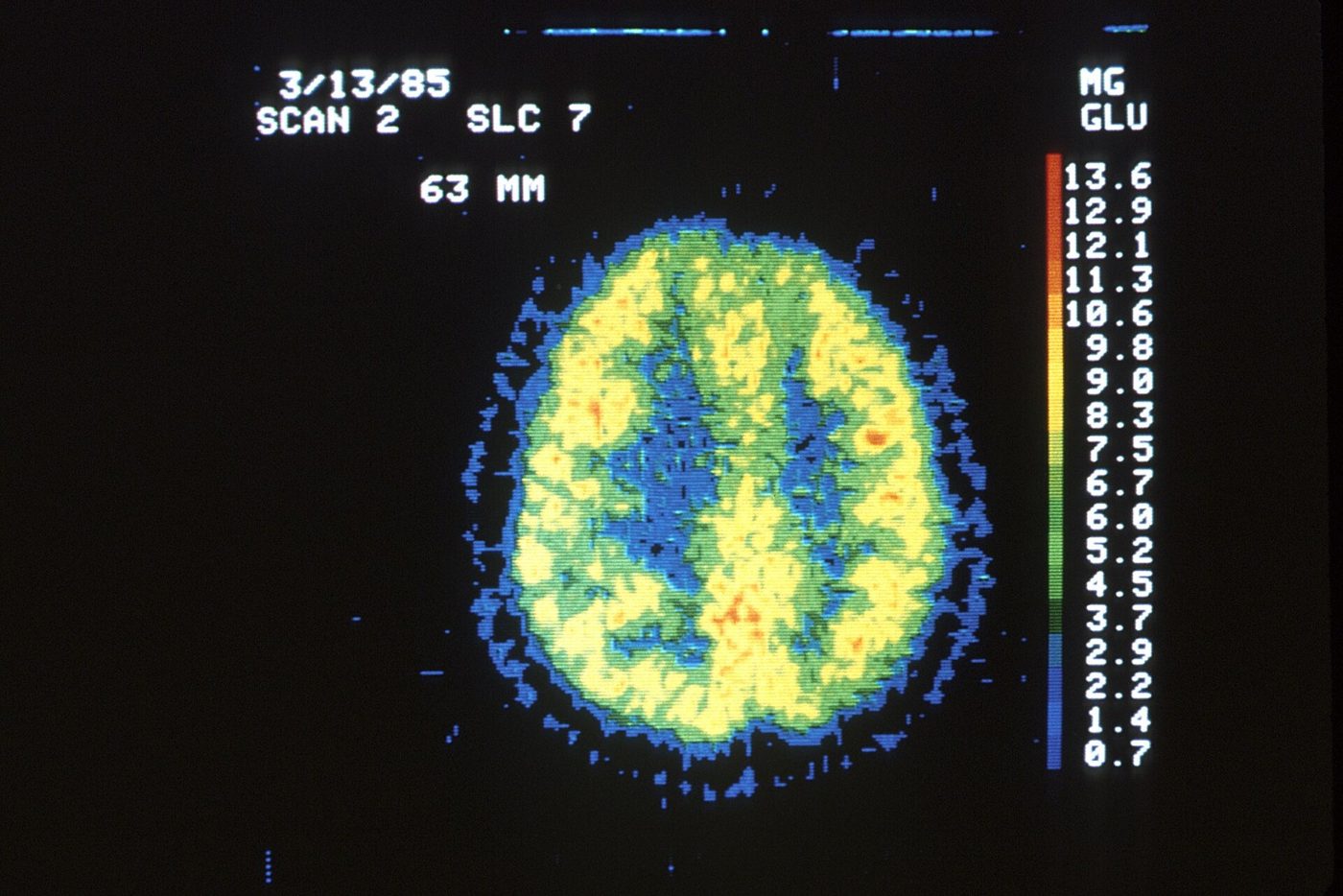
In the average adult at rest, the brain is only about 2% of body weight, yet it uses about 20% of the oxygen and calories the body consumes.