For more than 70 years, astronomers assumed Mercury kept one face to the Sun. In 1965, radar measurements from Arecibo showed it spins about once every 59 days.
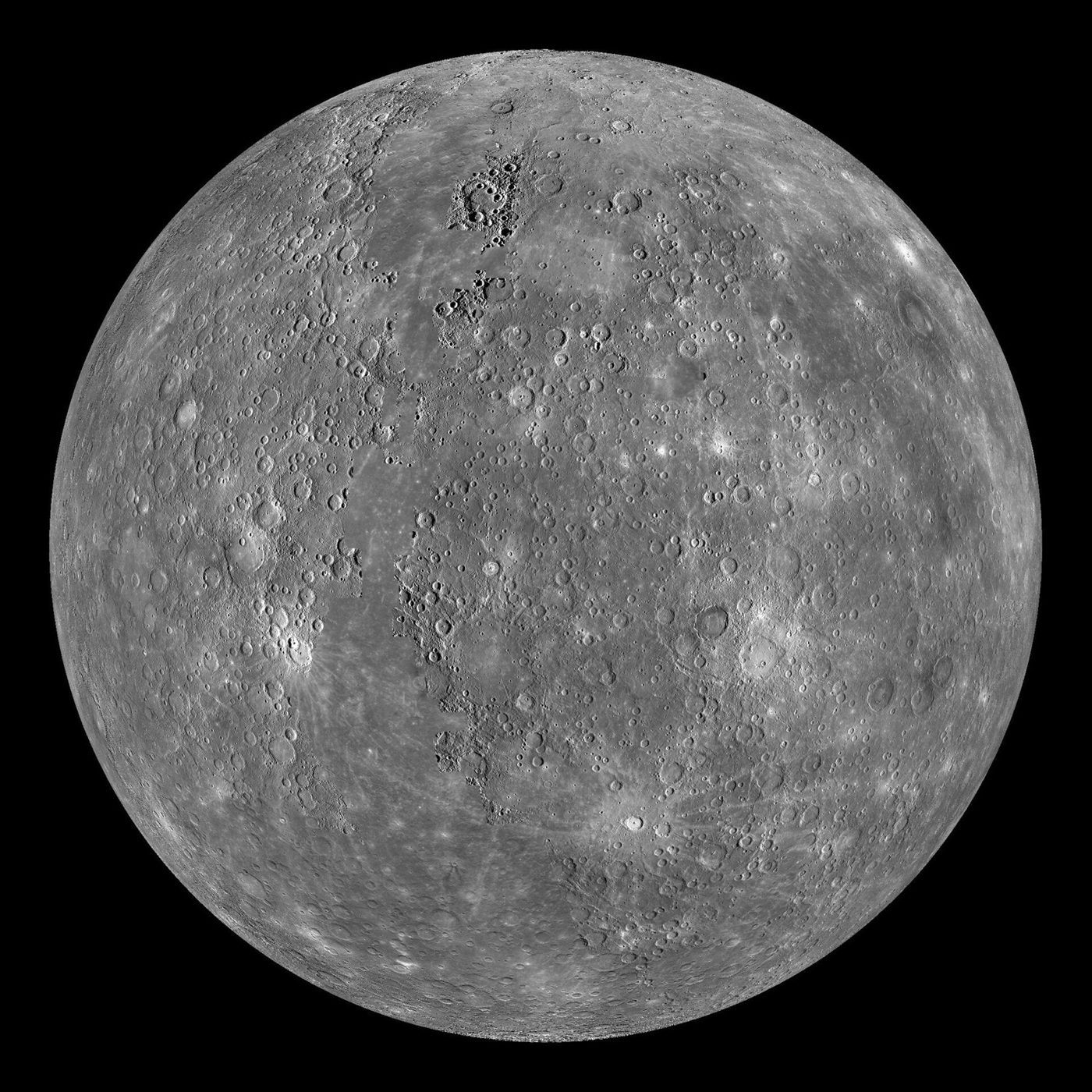 ILLUSTRATION · AI
Radar measurements from the Arecibo dish in 1965 showed Mercury spins about once every 59 days, not the 88 days astronomers had assumed for more than 70 years.
For decades after Giovanni Schiaparelli's telescopic observations in the late 1880s, astronomers assumed Mercury rotated once per orbit, about every 88 days, so that one side always faced the Sun.
More than 70 years of assumption, and a radar answer
Beginning on April 6, 1965, Gordon Pettengill and Rolf Dyce used the 305-meter Arecibo dish in Puerto Rico to bounce radar signals off Mercury. Different parts of a spinning planet move at different speeds relative to Earth, so the returning echo is spread across a range of frequencies. By measuring that spread, they could estimate how fast Mercury turns.
Their result, published in Nature in 1965, was a rotation period of 59 ± 5 days, not the assumed 88. Mercury does spin relative to the Sun; it is not locked with one face toward it.
More facts
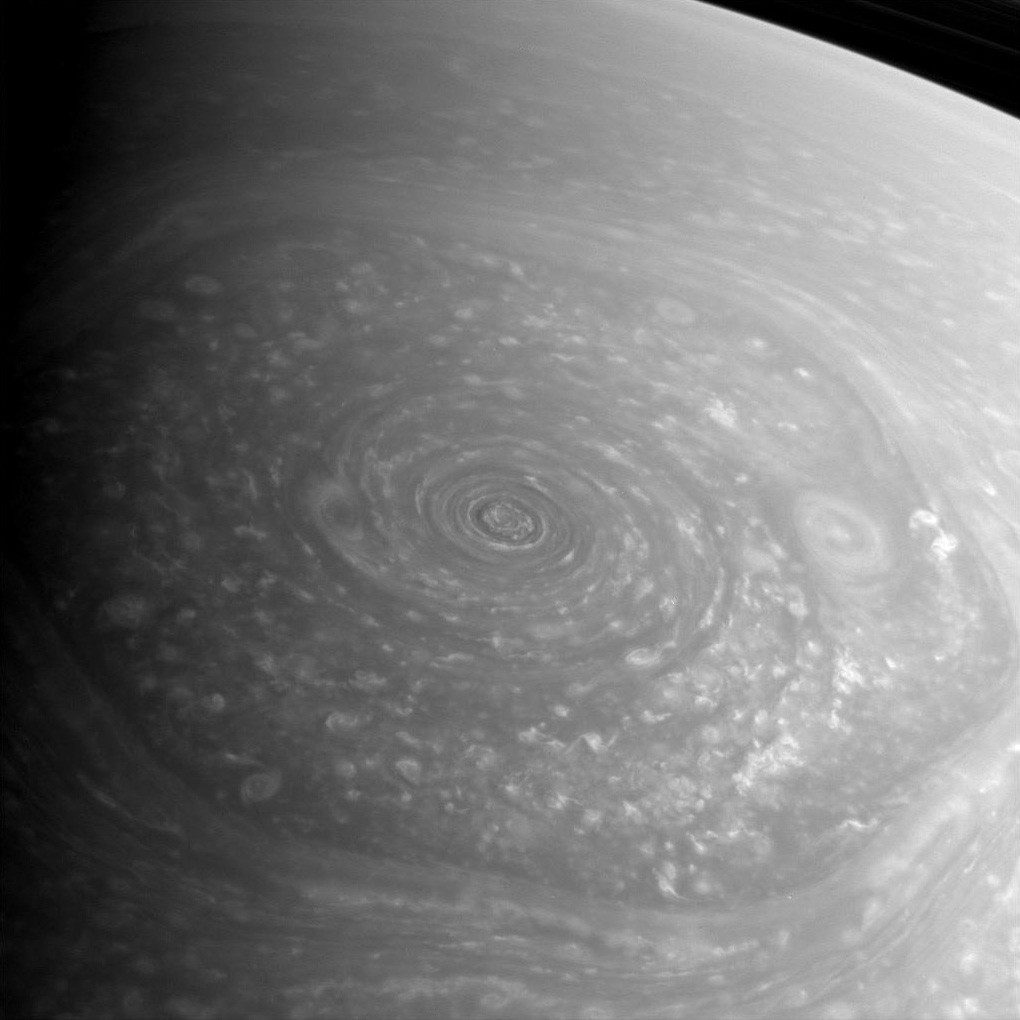
A six-sided storm pattern circles Saturn's north pole. The hexagon spans about 20,000 miles and is a jet stream of 200-mile-per-hour winds, NASA says.
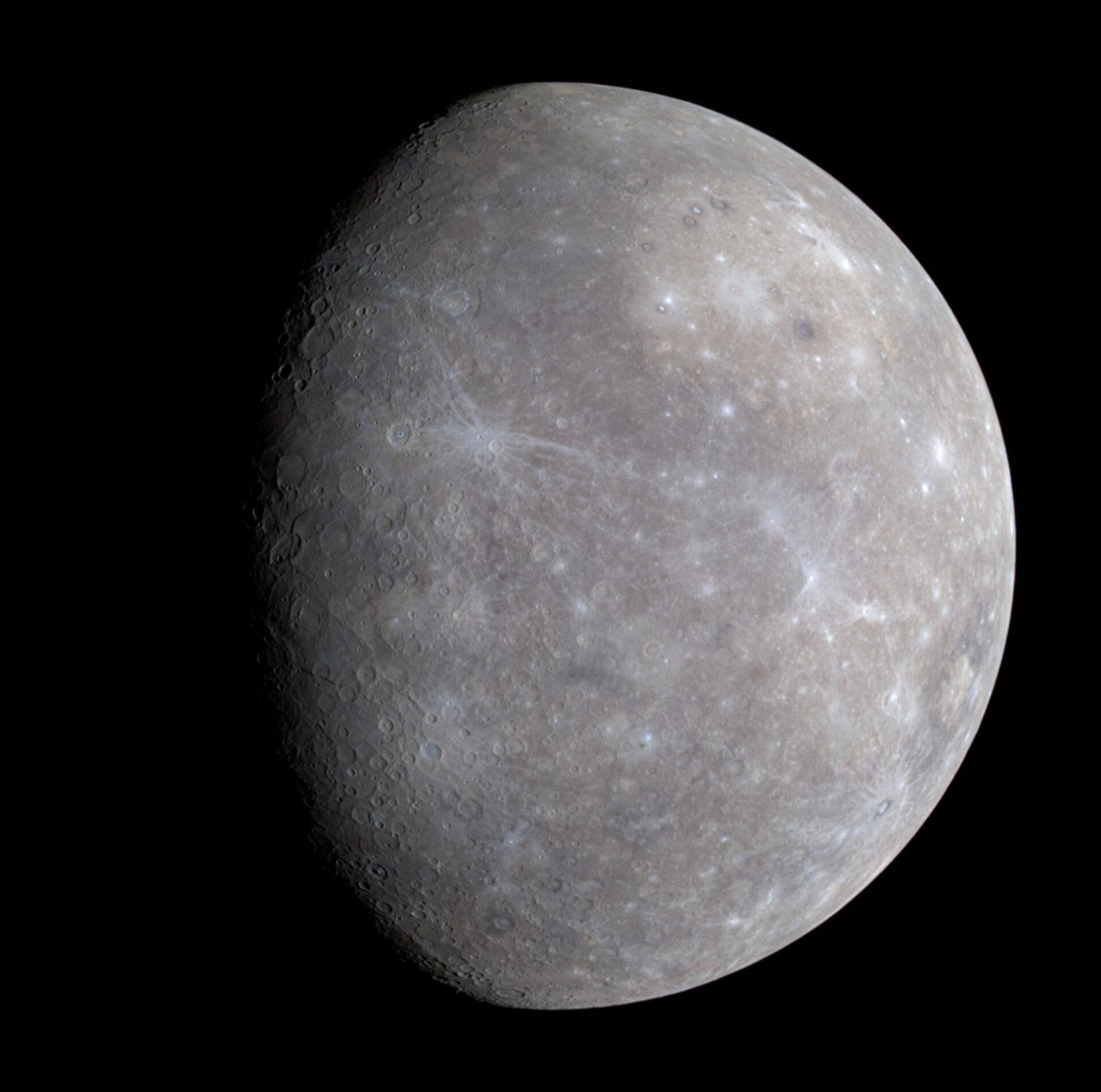
Daytime on Mercury can reach 800 degrees Fahrenheit. With no substantial atmosphere to hold that heat, nights can plunge to minus 290 degrees, NASA says.