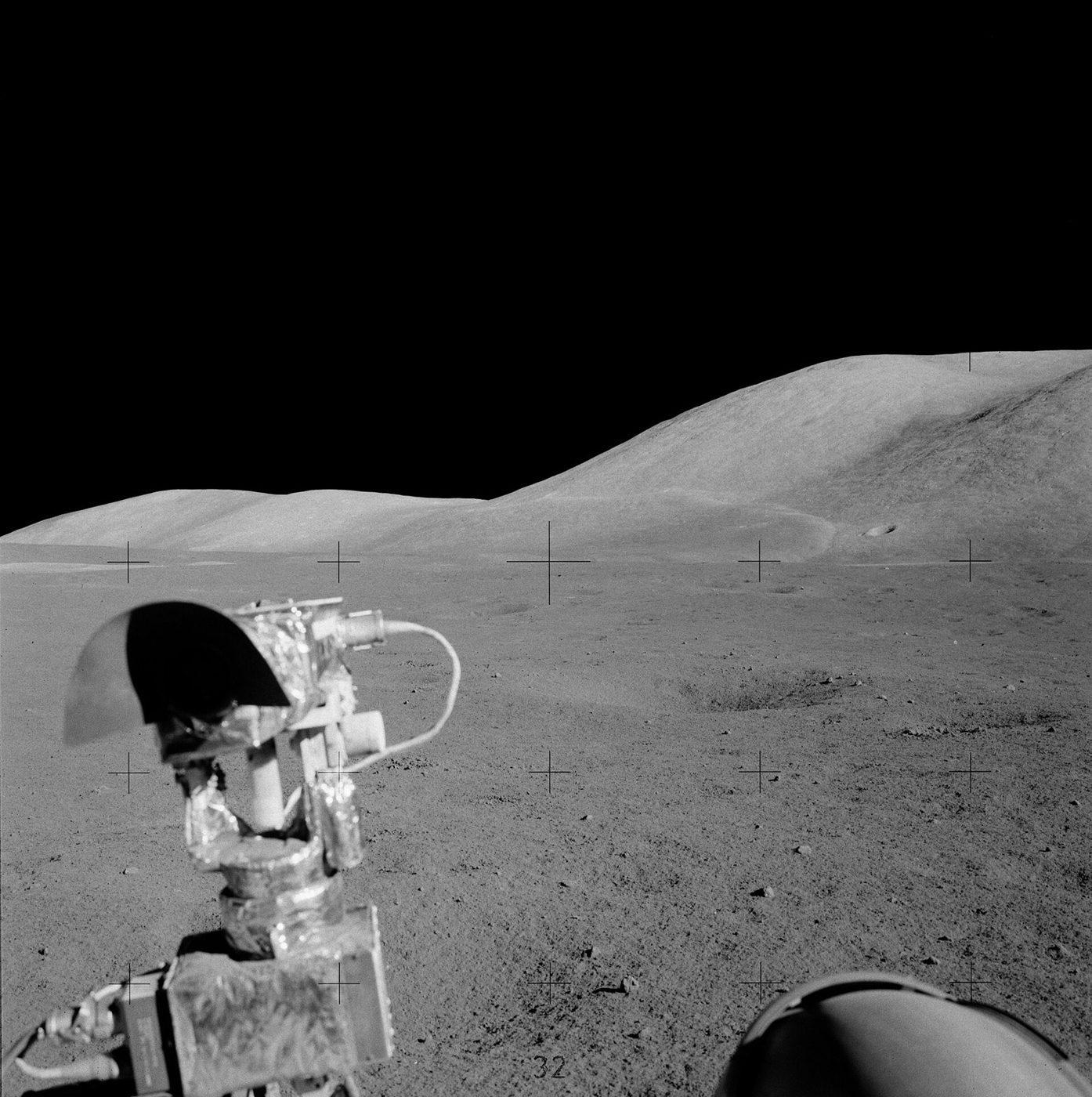
GJ 3378 b, 25 light-years away, gets 90% of the sunlight Earth does — and it may be a rocky world in the habitable zone.
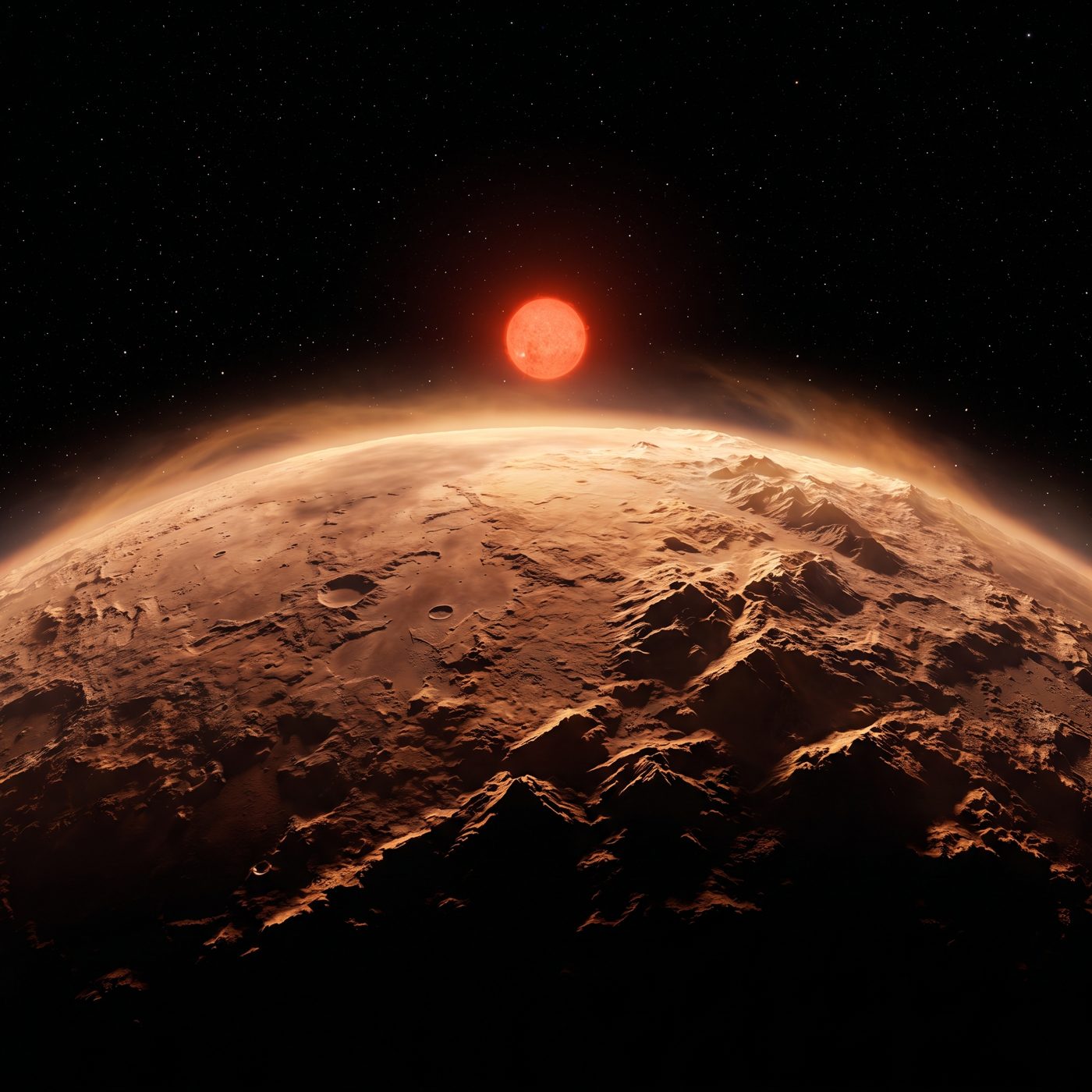 ILLUSTRATION · AI
A UC Irvine-led team confirmed GJ 3378 b, a likely-rocky super-Earth 25 light-years away, and found it sits in its star's habitable zone receiving about 90% of the sunlight Earth gets.
Twenty-five light-years from here, in the faint northern constellation Camelopardalis, a small red star holds a planet that receives about 90% of the starlight energy Earth soaks up from the Sun. That planet, GJ 3378 b, has a minimum mass of roughly 2.3 times Earth's — light enough to suggest a rocky, terrestrial world rather than a gassy mini-Neptune. In June 2026, a team led by Paul Robertson of UC Irvine confirmed it and placed it squarely inside the star's habitable zone, the band where liquid water could survive on a surface.
That combination — nearby, small, and getting almost exactly Earth's dose of light — is what makes astronomers pay attention. It doesn't mean anyone has found life, or even water. It means one more world has landed in the narrow category worth studying hard.
How they know GJ 3378 b is there
The planet wasn't discovered in 2026. It first surfaced as a candidate in 2024, when Claire Moutou and colleagues, working with the SPIRou infrared spectrograph, picked up a faint tug on the star and estimated a planet of about 5.26 Earth masses on a 24.73-day orbit. A candidate is a lead, not a verdict — the signal needed independent confirmation.
That confirmation came from Robertson's team in "A Revised Mass and Period for the Habitable Zone super-Earth GJ 3378 b," published in *The Astrophysical Journal* on June 30, 2026. Using the Habitable-zone Planet Finder at Penn State's Hobby-Eberly Telescope alongside the NEID spectrograph, they tracked the star's radial velocity — the tiny back-and-forth wobble a planet's gravity induces in its host. Their data sharpened the orbit to 21.45 days and revised the mass sharply downward, to about 2.3 Earth masses. A heavier candidate became a lighter, more Earth-like one.
Two caveats are worth stating plainly, because they matter for what we can honestly claim. First, 2.3 Earth masses is a *minimum* mass. Radial velocity can't pin down the angle at which we view the orbit, so the true mass could be higher; the real planet is at least this heavy, not exactly this heavy. Second, the "habitable zone" describes distance and starlight, not habitability. As the Habitable-zone Planet Finder team put it, the low mass points toward a terrestrial composition, but whether the world could actually hold liquid water depends on whether it kept an atmosphere at all.
Why red-dwarf planets are the hard case
That last point is the whole argument. Robertson's paper calls GJ 3378 b "a planet straddling the cosmic shoreline" — a phrase for the boundary between worlds that manage to retain a thick atmosphere and those stripped bare by their star.
Red dwarfs are stingy with light but violent with flares, especially when young. A planet in the habitable zone of a small, cool star orbits close in, where stellar eruptions and radiation can peel away an atmosphere over time. So a rocky planet at the right distance is a necessary condition for surface water, not a sufficient one. Without air, "90% of Earth's sunlight" describes a sunbaked, airless rock as easily as a temperate one.
What makes GJ 3378 b a genuine target rather than a footnote is proximity. At 7.7 parsecs, it is close enough that future instruments — the kind built to read starlight filtered through a planet's atmosphere — could eventually test whether one exists.
For now, the record holds a rocky-sized world, in the right light, near enough to check. The open question is the one no radial-velocity curve can answer: does GJ 3378 b have an atmosphere, or did its star take it long ago?
More facts
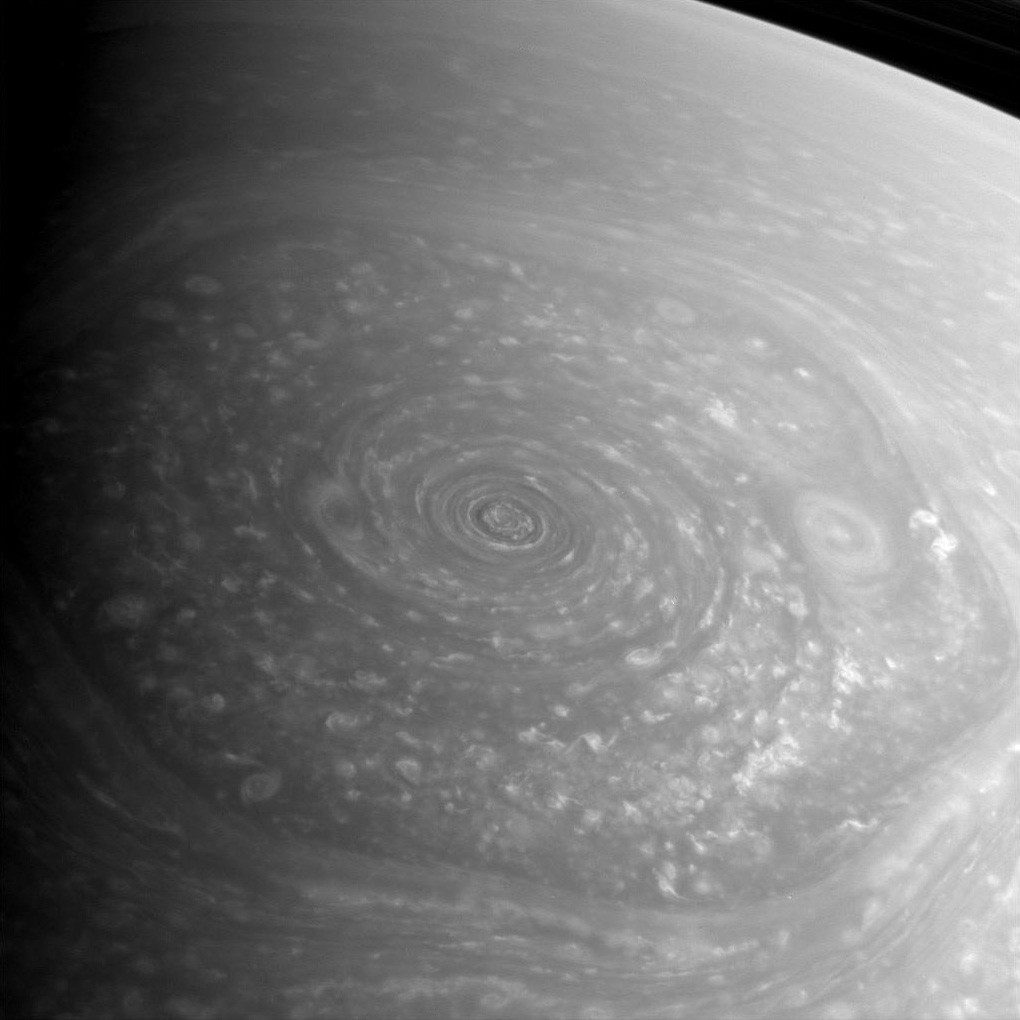
A six-sided storm pattern circles Saturn's north pole. The hexagon spans about 20,000 miles and is a jet stream of 200-mile-per-hour winds, NASA says.
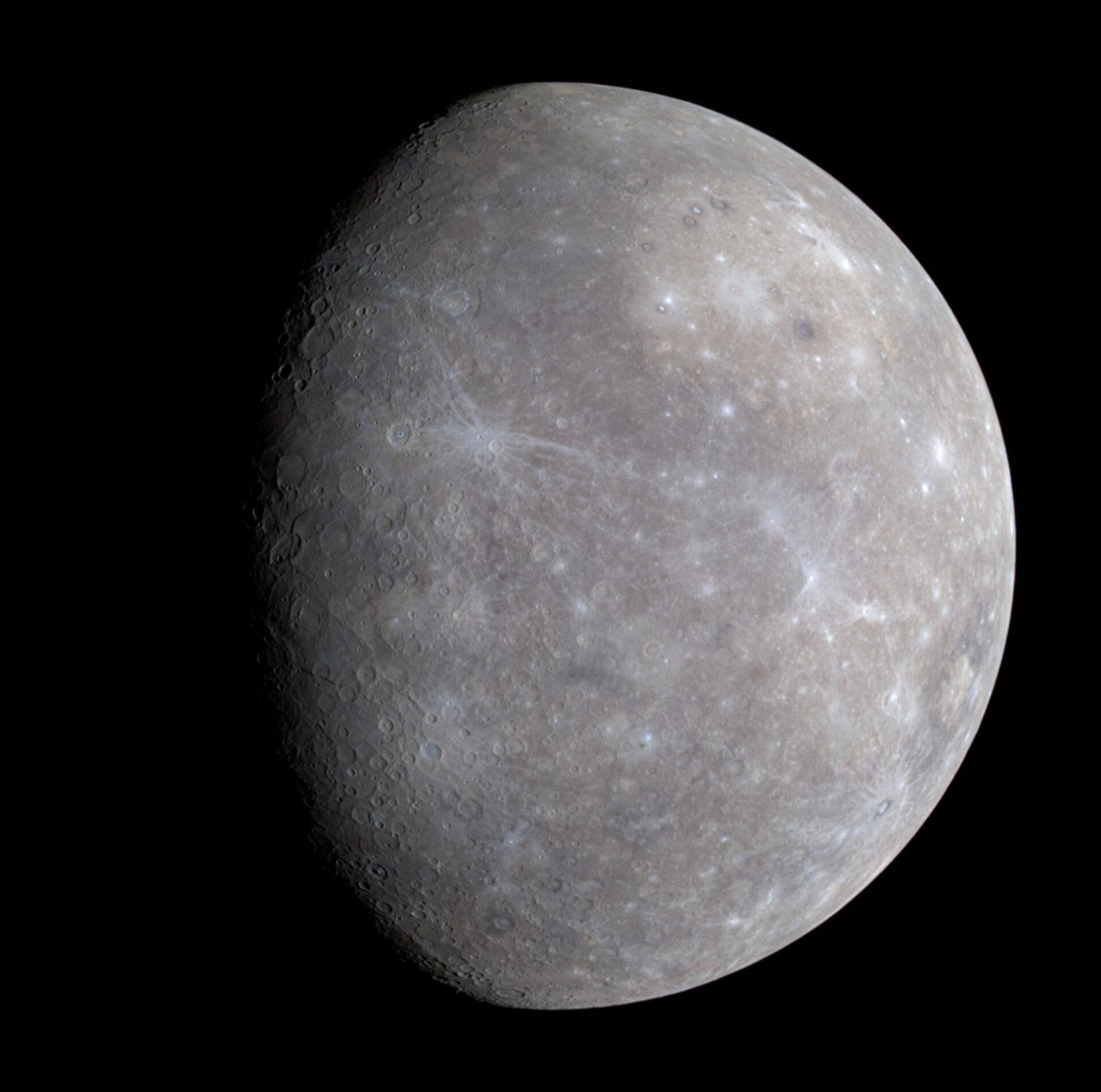
Daytime on Mercury can reach 800 degrees Fahrenheit. With no substantial atmosphere to hold that heat, nights can plunge to minus 290 degrees, NASA says.