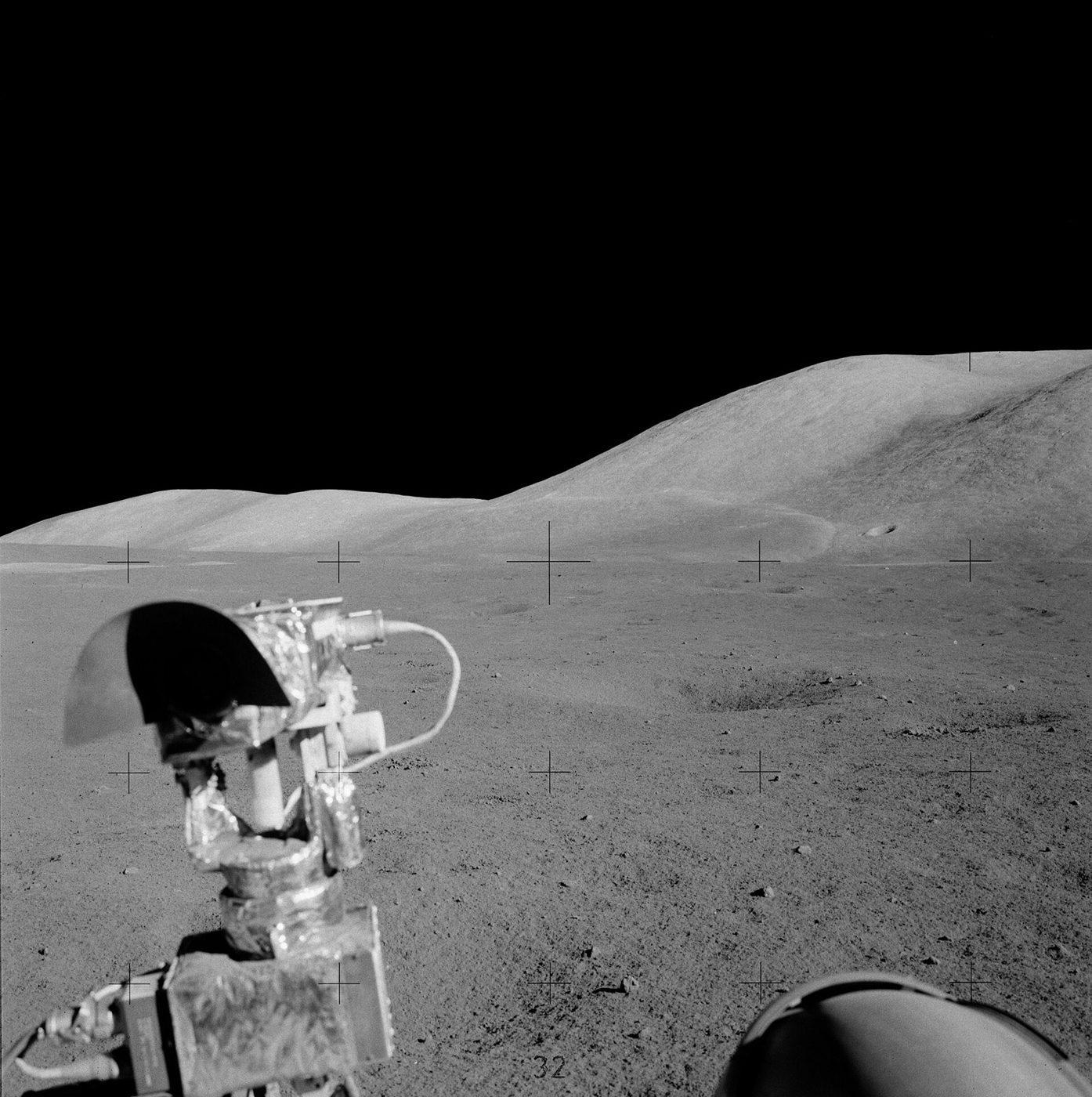
Jupiter's Great Red Spot has been tracked since 1831. A 2024 study says it is probably not the spot astronomers first saw in 1665, which vanished from records after 1713.
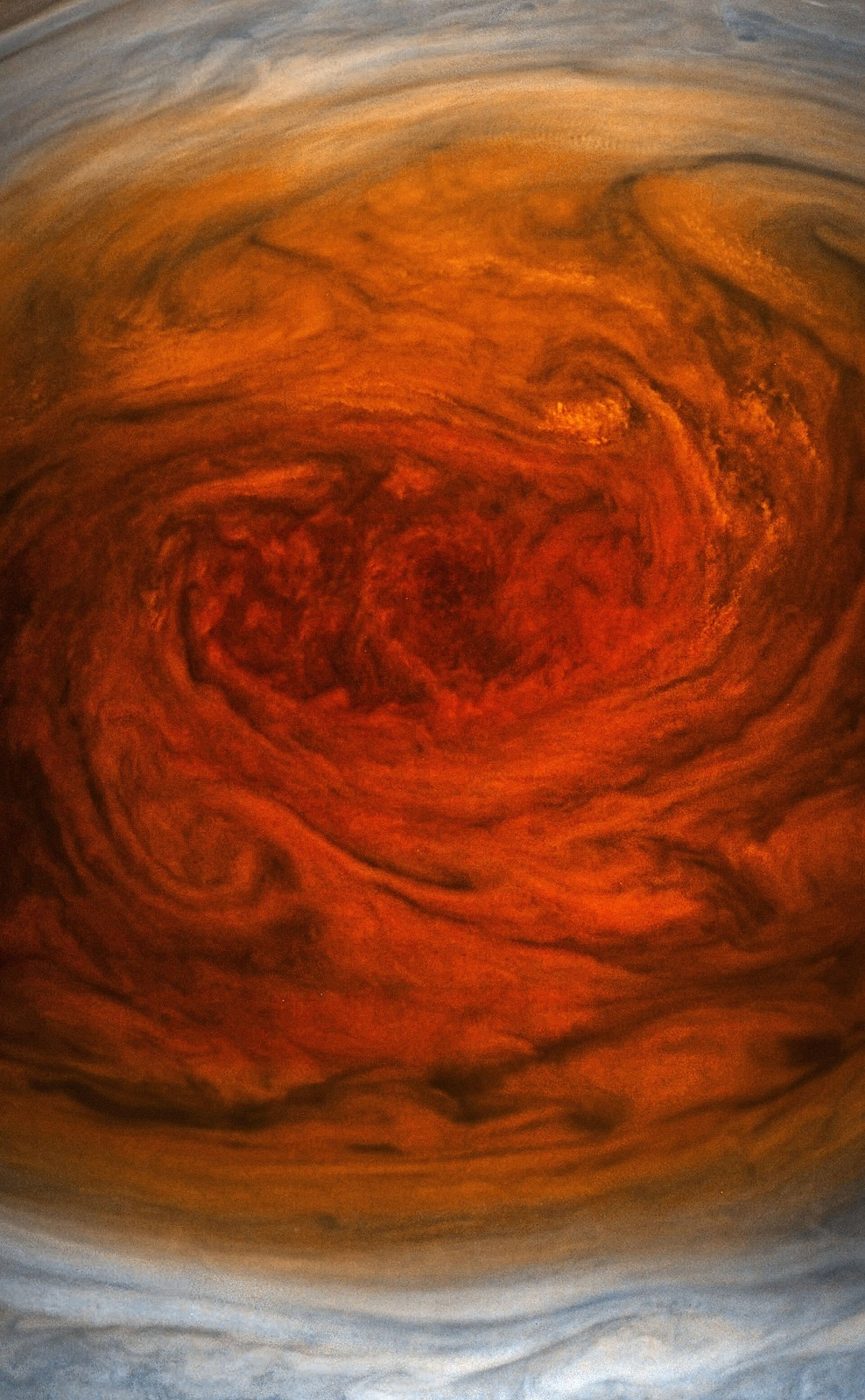 ILLUSTRATION · AI
Jupiter's Great Red Spot has been observed since 1831. A 2024 study says it is likely a different storm from the 'Permanent Spot' first seen in 1665.
In 1665, Giovanni Domenico Cassini discovered a dark oval at the same latitude as today's Great Red Spot and named it the Permanent Spot. He and other astronomers observed it until 1713, when they lost track of it. Only from 1831 did scientists again observe a clear oval at that latitude.
A younger storm
Using historical observations, a team led by Agustín Sánchez-Lavega of the University of the Basque Country concluded in Geophysical Research Letters (2024) that the current Great Red Spot is highly unlikely to be Cassini's Permanent Spot, which probably disappeared sometime between the mid-18th and 19th centuries.
Even so, the current spot has persisted for at least 190 years, making it the longest-lived vortex known in the solar system. In 1879 it was about 39,000 kilometers across its longest axis; it has since shrunk to about 14,000 kilometers, the study reports.
More facts
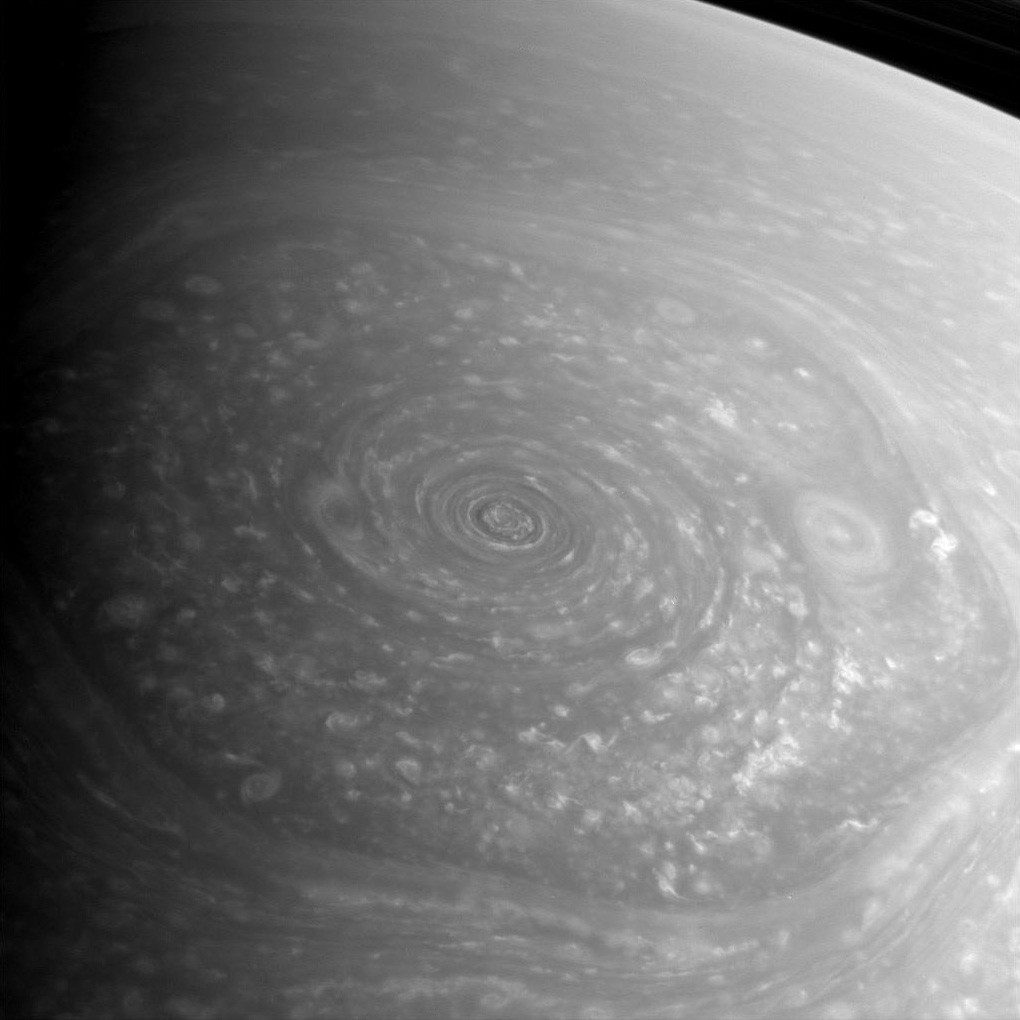
A six-sided storm pattern circles Saturn's north pole. The hexagon spans about 20,000 miles and is a jet stream of 200-mile-per-hour winds, NASA says.
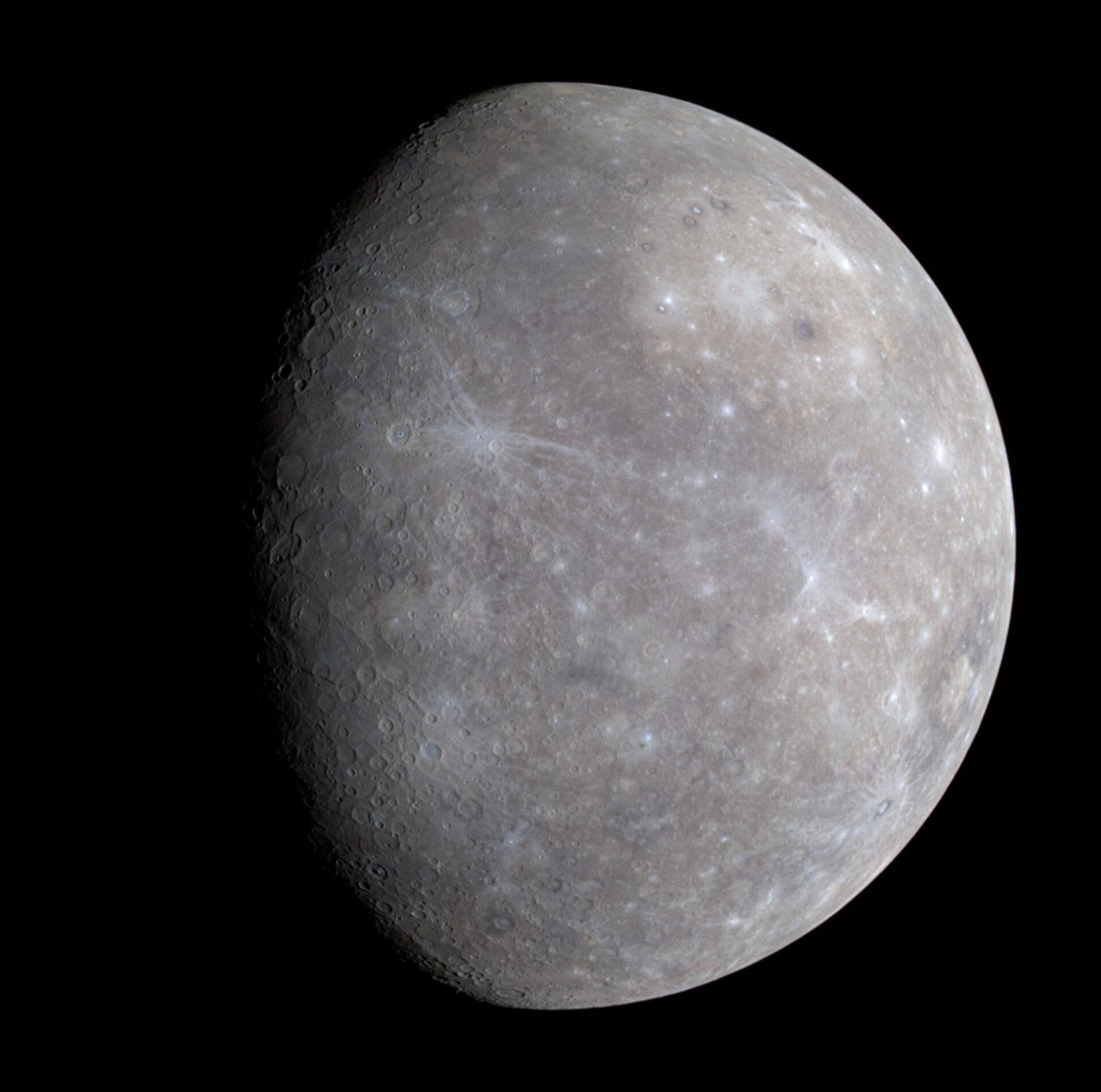
Daytime on Mercury can reach 800 degrees Fahrenheit. With no substantial atmosphere to hold that heat, nights can plunge to minus 290 degrees, NASA says.