Space
Neptune is the windiest world in our solar system. Its winds blow clouds of frozen methane at more than 1,200 miles per hour, NASA says.
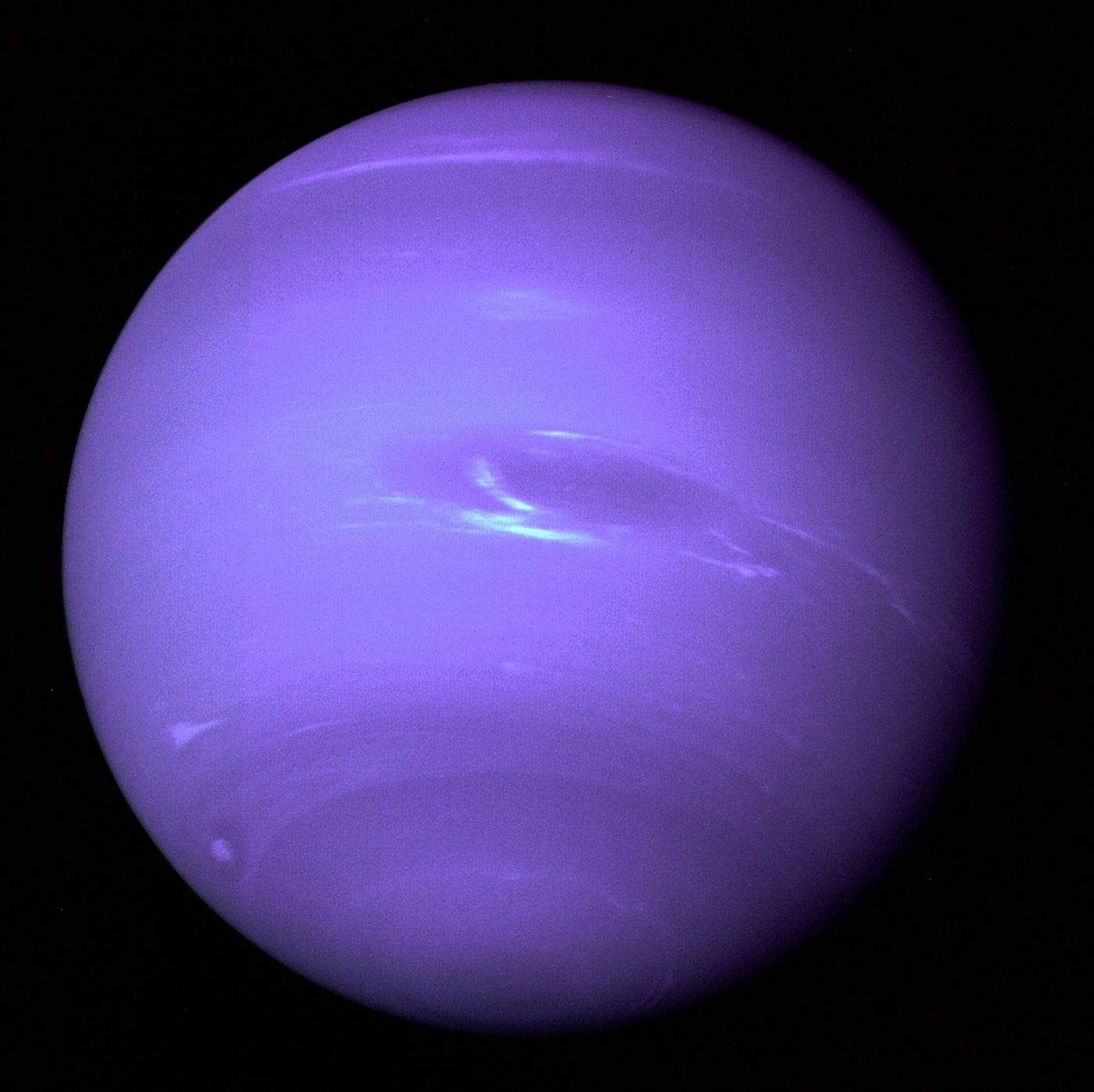 ILLUSTRATION · AI
Neptune's winds blow clouds of frozen methane at more than 1,200 miles per hour, making it the windiest world in the solar system, NASA says.
Despite its great distance and the low energy it receives from the Sun, Neptune's winds can be three times stronger than Jupiter's and nine times stronger than Earth's.
Neptune is more than 30 times as far from the Sun as Earth. NASA's Voyager 2 became the first spacecraft to fly by the planet, in the summer of 1989.
SourcesEvery claim traced
- Tier 2 · Secondary
Advertisement
Keep reading
More facts
Space
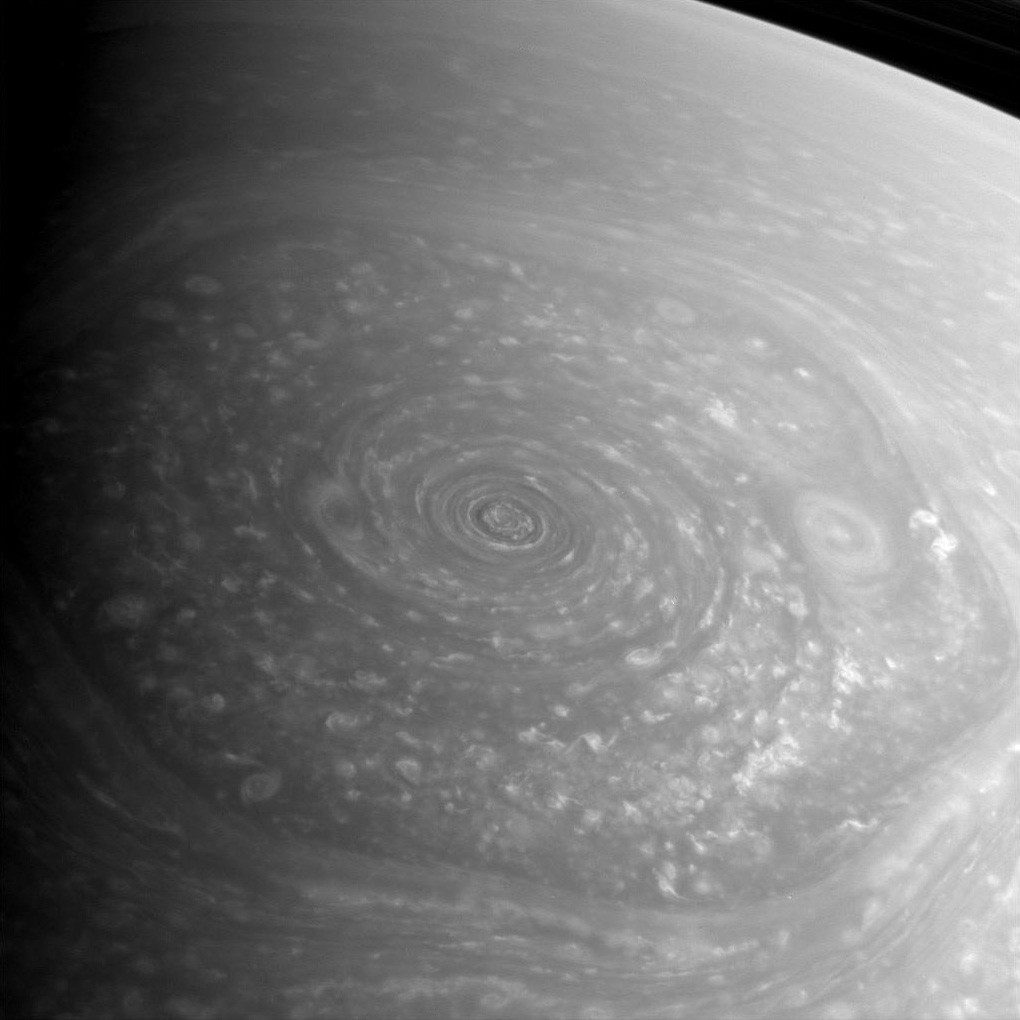
A six-sided storm pattern circles Saturn's north pole. The hexagon spans about 20,000 miles and is a jet stream of 200-mile-per-hour winds, NASA says.
Verified2 min
Space
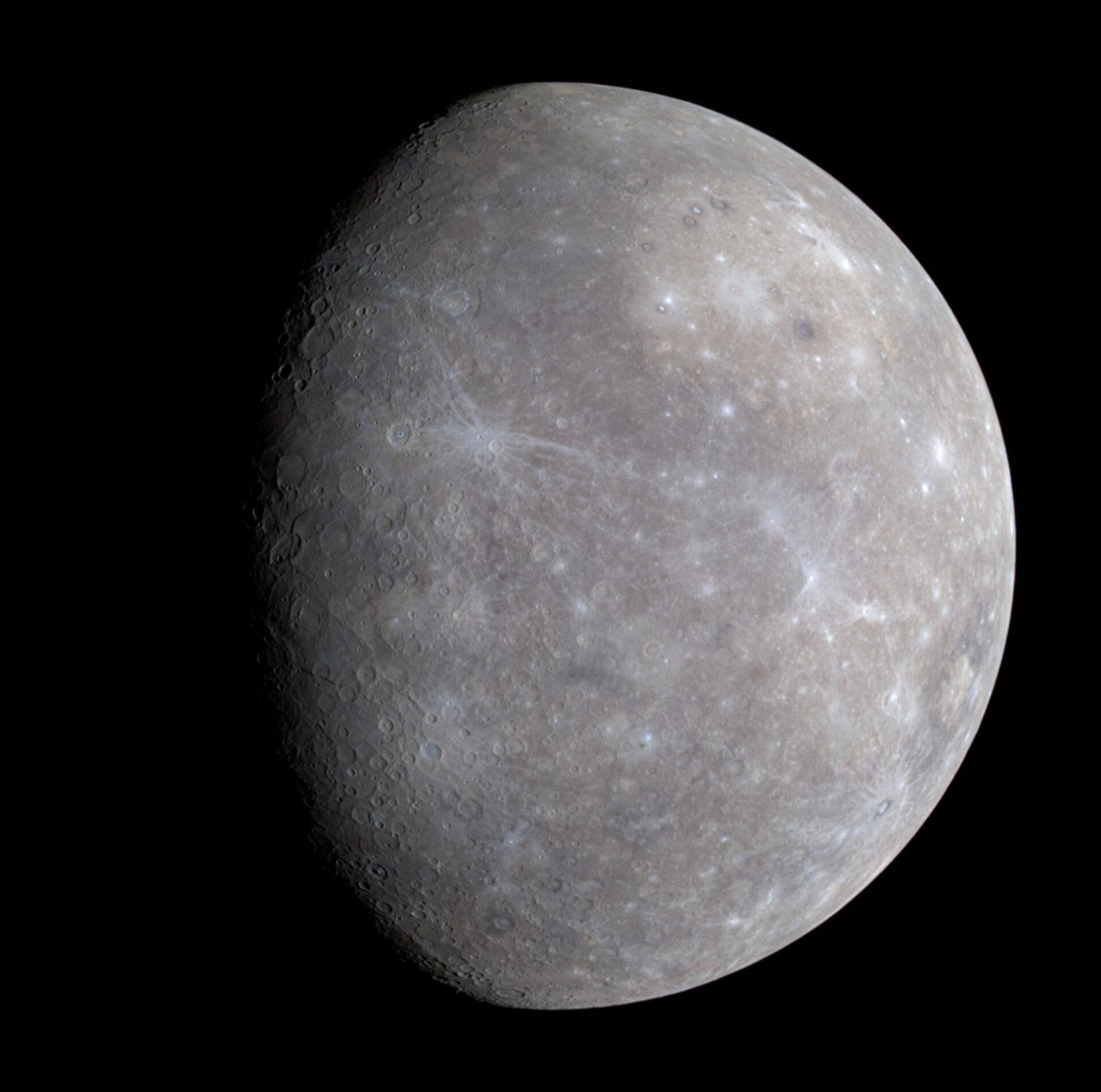
Daytime on Mercury can reach 800 degrees Fahrenheit. With no substantial atmosphere to hold that heat, nights can plunge to minus 290 degrees, NASA says.
Verified2 min
Space
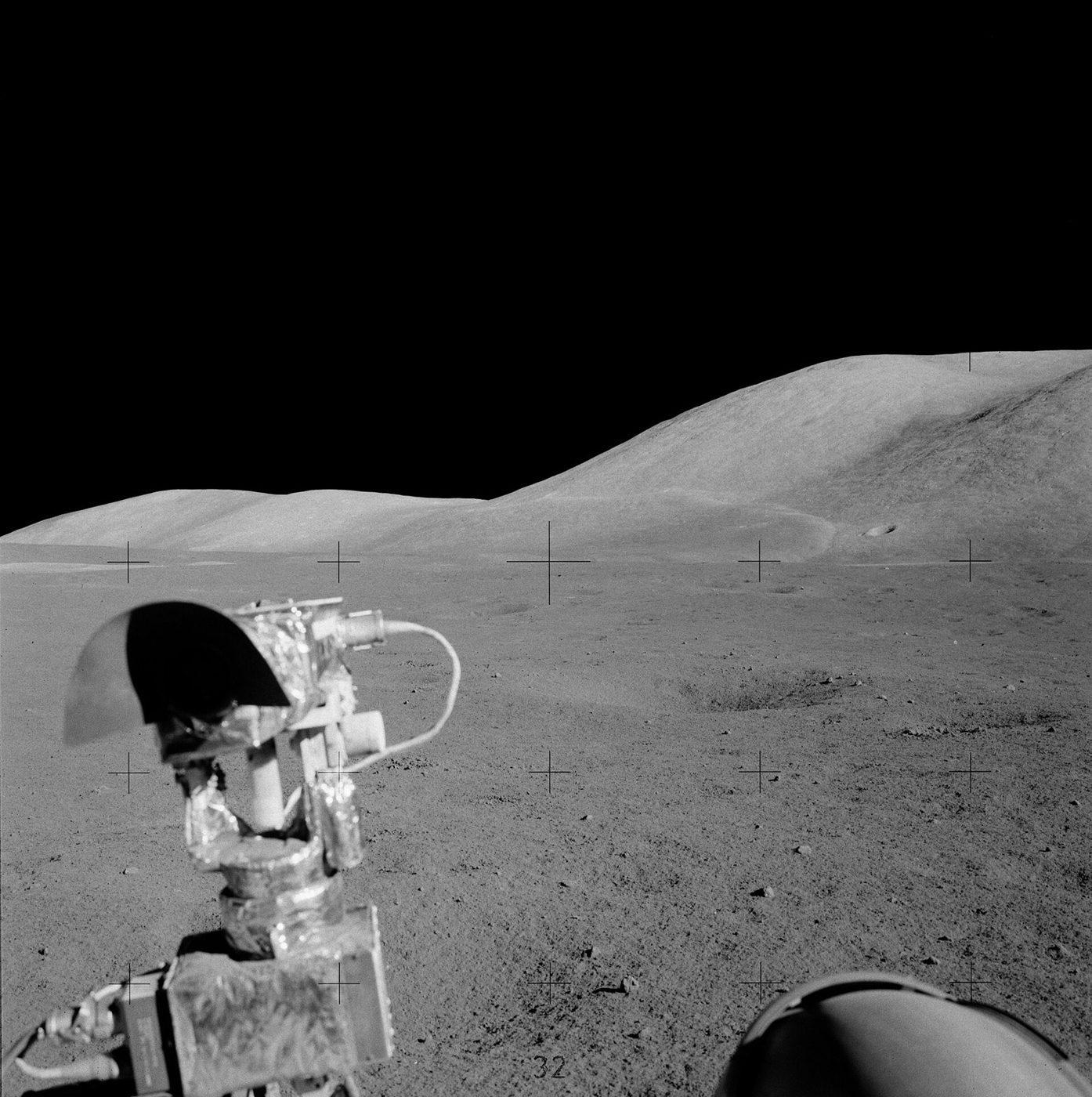
The Moon is shrinking. As its interior cools, it has gotten more than about 150 feet skinnier over the last several hundred million years, NASA says.
Verified2 min