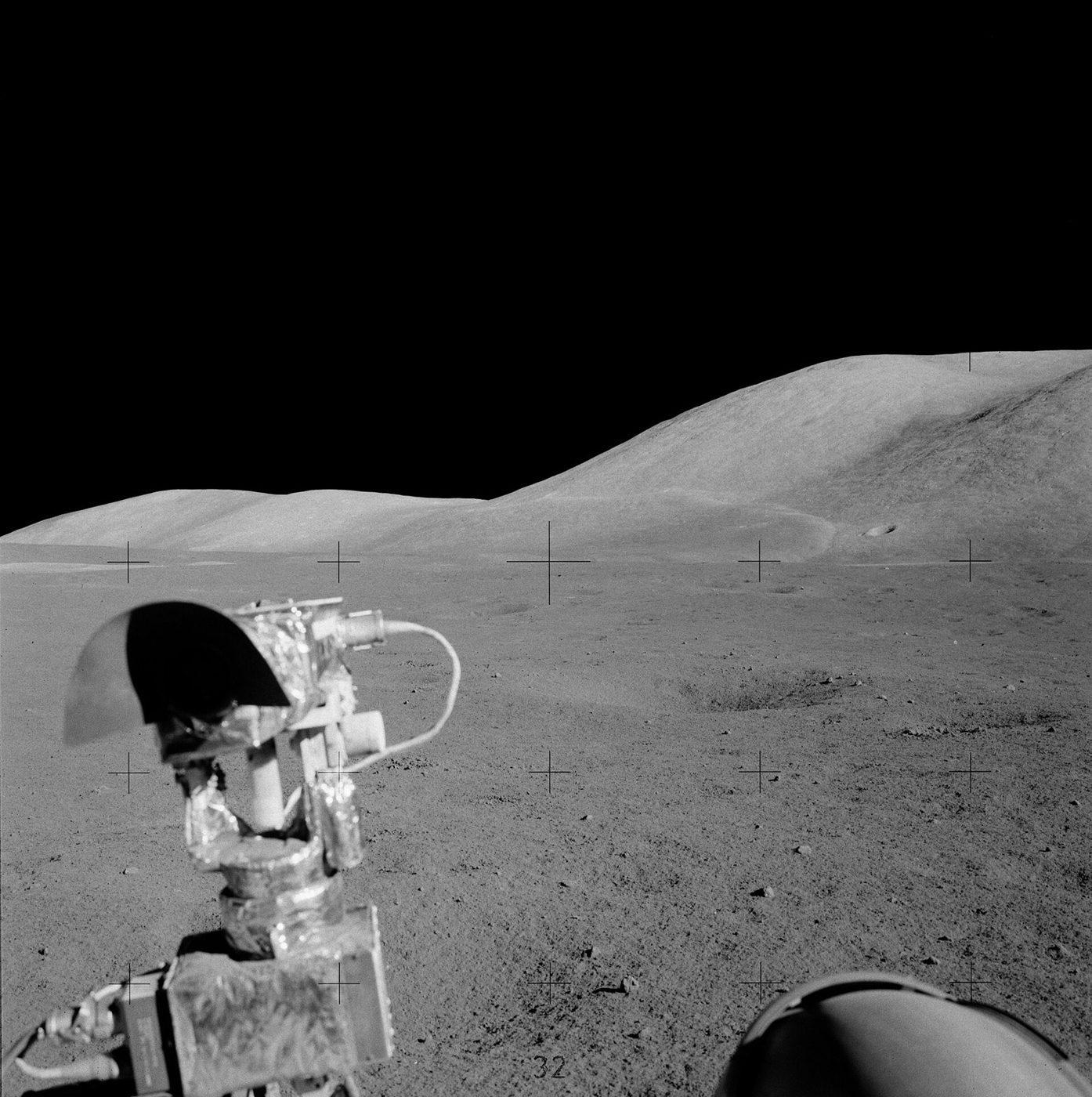
Omega Centauri should hold 10,000 stellar-mass black holes. Until July 2026, astronomers had found exactly zero of them.
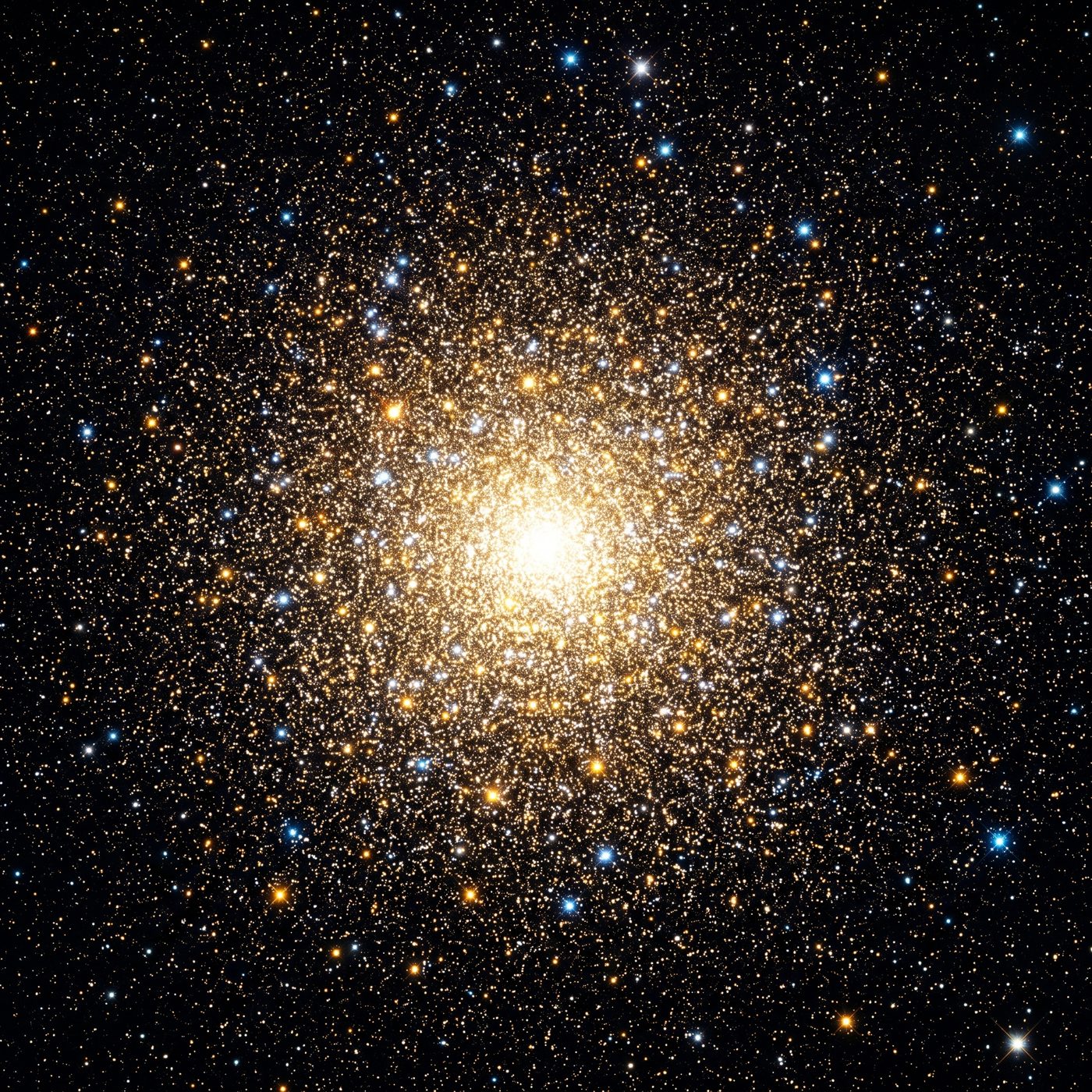 ILLUSTRATION · AI
A University of Utah–led team has confirmed the first stellar-mass black hole ever found in the globular cluster Omega Centauri, a 4.46-solar-mass object detected by watching how it tugs on a visible companion star.
For decades the arithmetic was embarrassing. Models of Omega Centauri — the biggest, brightest globular cluster orbiting our galaxy, a swarm of roughly ten million stars — predicted it should contain something like 10,000 stellar-mass black holes, the collapsed cores of massive stars that died long ago. Astronomers had directly confirmed exactly none of them. On 13 July 2026, that number finally moved to one.
The object is called oMEGACat BH-2, and it weighs 4.46 times the mass of our Sun. A team led out of the University of Utah reported it in *The Astrophysical Journal Letters*, and NASA and ESA announced it the same day. The black hole sits about 18,000 light-years away, near the crowded heart of the cluster, and it gave itself away not by anything it emitted, but by what it pulls.
How do you find a black hole you can't see?
You watch its dance partner. oMEGACat BH-2 has a visible companion star, and an unseen mass swinging that star around leaves a signature astronomers call astrometry — tiny, precise shifts in the star's position over time. The star wobbles because something heavy is yanking on it, and the size of the wobble tells you how heavy.
Measuring a wobble that small in a cluster packed with millions of stars is not a quick job. The team drew on more than twenty years of archival Hubble Space Telescope observations — image after image of the same field, stretching back across two decades of NASA/ESA operations — to track the companion star's motion with enough precision to rule out ordinary explanations. They added near-infrared observations from the James Webb Space Telescope to nail down the companion's properties and confirm the mass of its invisible partner. The result: a compact object too massive to be a neutron star or a faint dim companion, and dark enough that only a black hole fits.
The Whitaker et al. paper is part of the broader oMEGACat program, the same effort that has been methodically mapping the interior of this cluster. As ESA put it in its release, this is the first of the cluster's "missing black holes" — the tip of a population that theory insists must be there.
Why this is not the black hole you may have already heard about
There's an easy point of confusion. In 2024, a separate team reported evidence for an *intermediate-mass* black hole candidate at Omega Centauri's center, weighing something like 8,200 solar masses — a far larger and more exotic beast, and a different question entirely. oMEGACat BH-2 is not that. At 4.46 solar masses it is a run-of-the-mill stellar-mass black hole, the ordinary kind predicted by thousands. Its importance is not its size but its category: it is the first of a hidden multitude to be pinned down by name.
The vivid part is the imbalance. One confirmed detection against a predicted census of ten thousand. Finding a single black hole this way took two decades of archived starlight and one of the sharpest telescopes ever built, and it produced a sample of one. If the models are right, Omega Centauri is quietly hoarding thousands more, each one detectable in principle only by the faint gravitational nudge it gives a neighbor.
Which is where the argument still lives. Confirming one black hole does not confirm ten thousand, and the real test is whether the same painstaking method can start turning up the rest — enough of them to check the prediction against reality. If the population is there, the cluster's dense core should be riddled with these wobbling stars. If astronomers keep hunting and the numbers fall far short, the models that gave us "10,000" will have some explaining to do. For now, the count stands at one, and the far more interesting number is still out there, waiting to be found.
- Tier 2 · Secondary2026
More facts
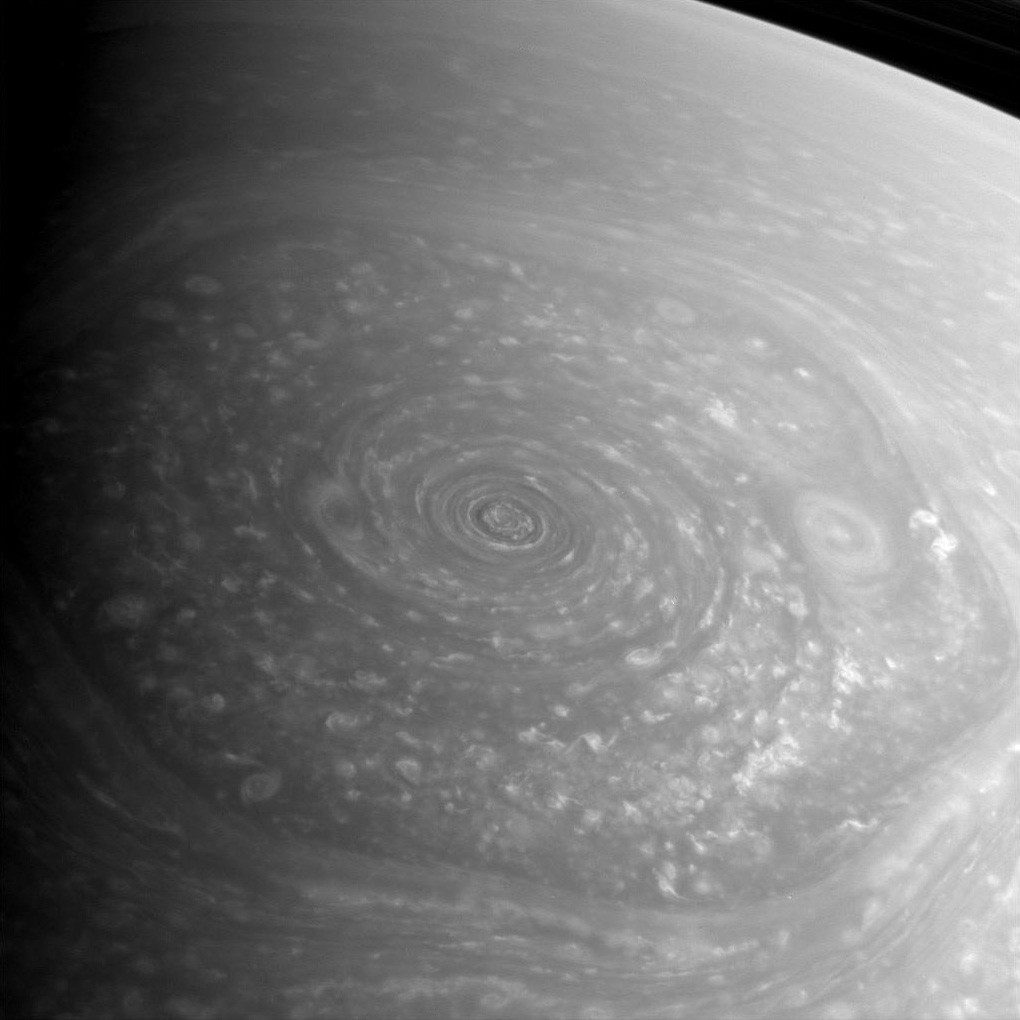
A six-sided storm pattern circles Saturn's north pole. The hexagon spans about 20,000 miles and is a jet stream of 200-mile-per-hour winds, NASA says.
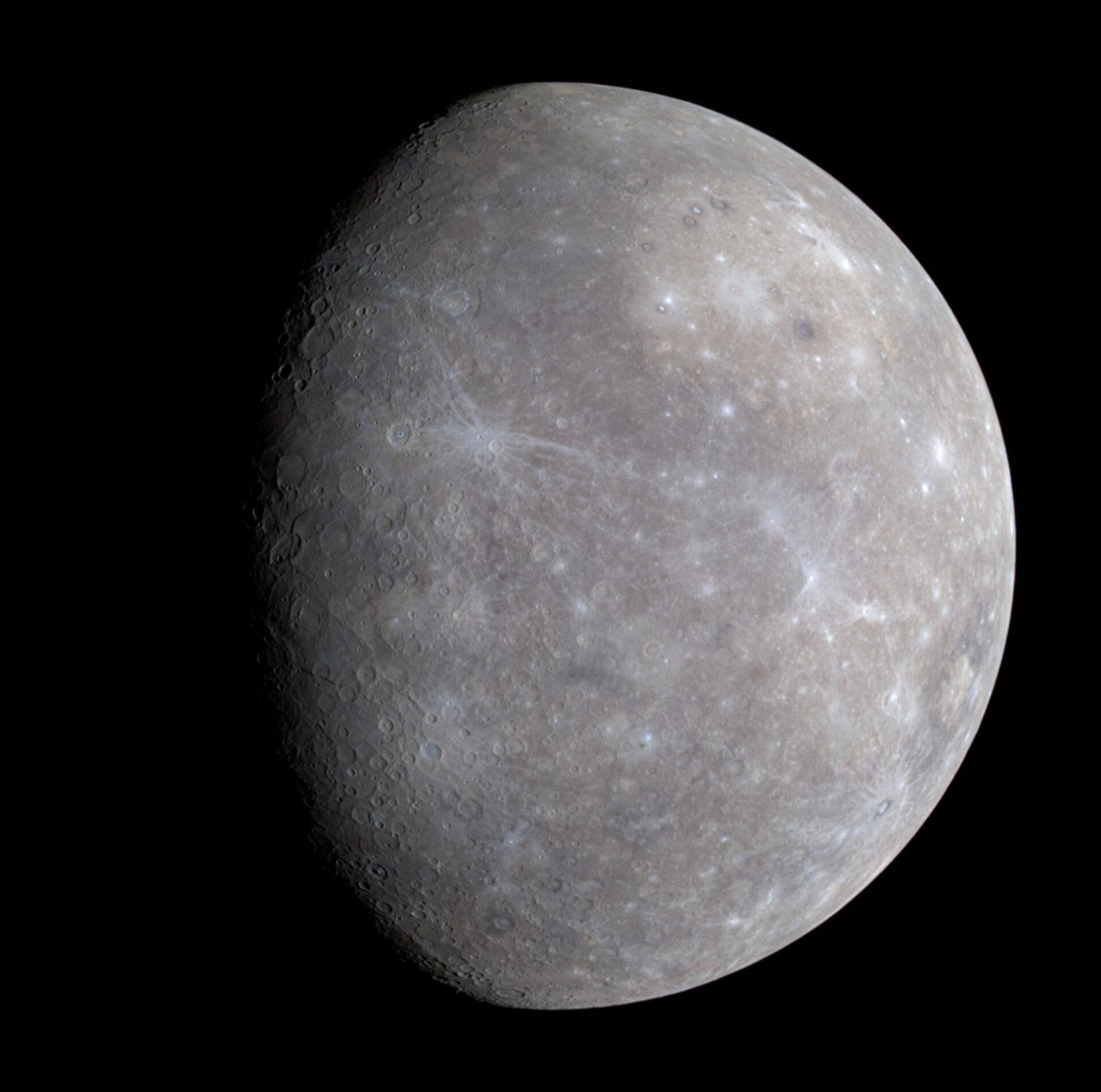
Daytime on Mercury can reach 800 degrees Fahrenheit. With no substantial atmosphere to hold that heat, nights can plunge to minus 290 degrees, NASA says.