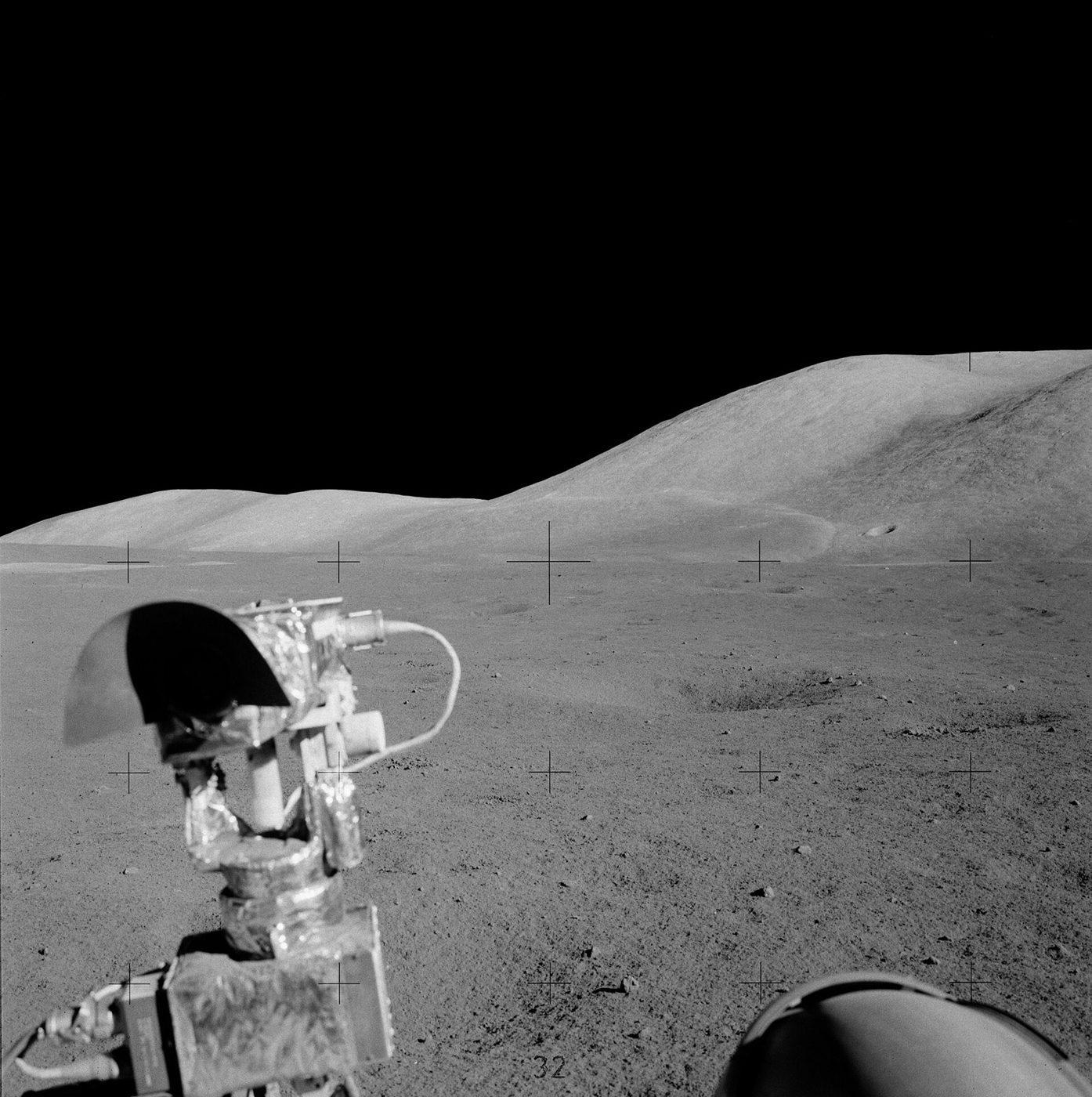
On Nov. 18, 2026, at 2:16:07 a.m. PST, Voyager 1 becomes the first thing humans built to sit one full light-day from Earth.
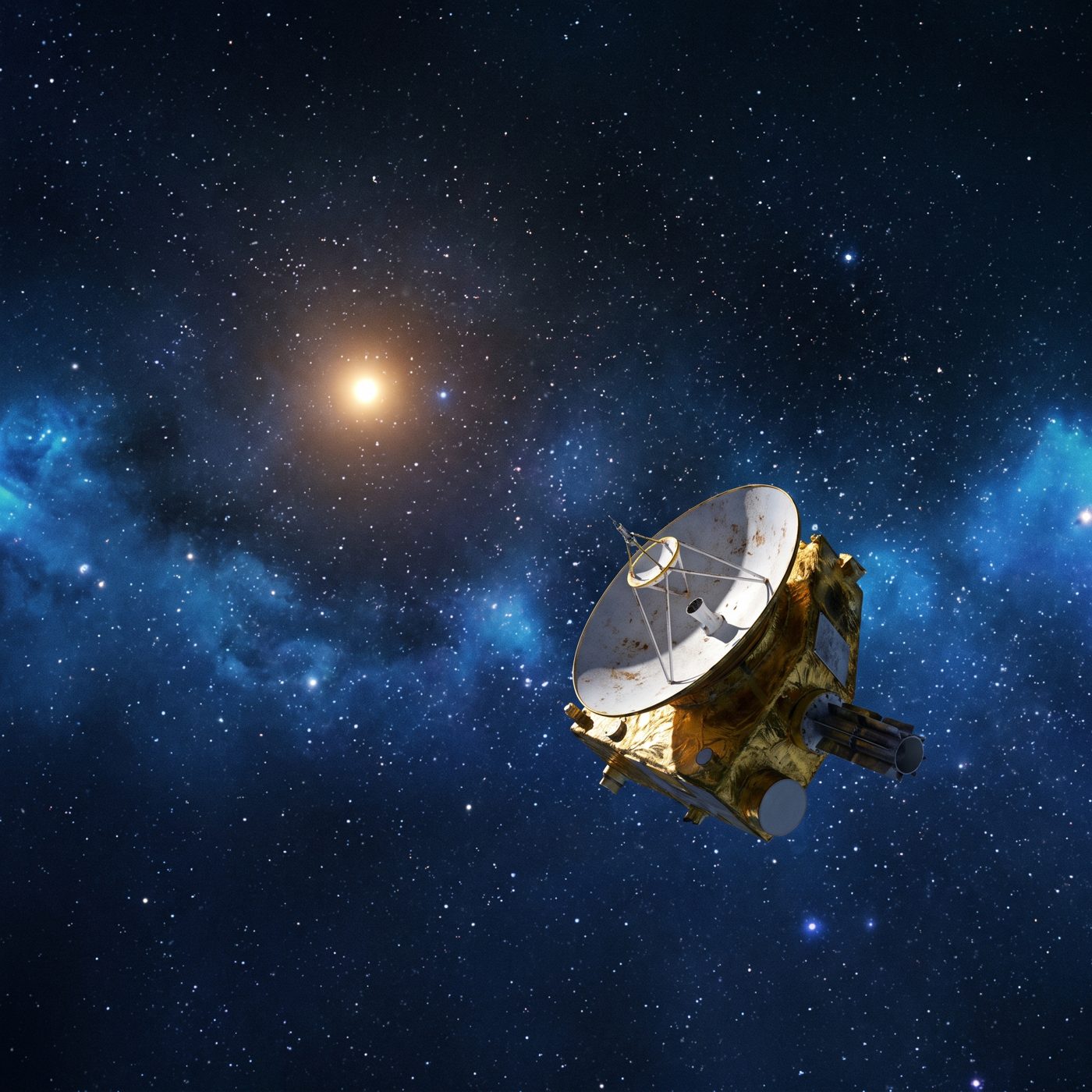 ILLUSTRATION · AI
On Nov. 18, 2026, at 2:16:07 a.m. PST, Voyager 1 will be 16.094 billion miles from Earth — the exact distance light covers in a single day — the first thing humans ever built to travel that far.
At 2:16:07 in the morning, Pacific time, on Wednesday, Nov. 18, 2026, a 1,600-pound spacecraft launched before most people reading this were born will cross a line no human-made object has crossed before. According to NASA, at that moment Voyager 1 will sit 16.094 billion miles from Earth — 25.902 billion kilometers — which is precisely how far light travels in 24 hours. One light-day. Voyager 1 becomes the first thing we built to reach it.
The number matters because of what light-time means for a mission this far out. Radio commands travel at the speed of light, so a light-day of distance means that when engineers at NASA's Jet Propulsion Laboratory send an instruction to Voyager 1, they wait roughly a full day for it to arrive — and another full day to hear whether it worked. A single yes-or-no exchange takes about two days. On the morning of Nov. 18, 2026, the light leaving Earth at 2:16:07 a.m. won't reach the spacecraft until the same time the following morning.
Why one light-day is the milestone
We measure cosmic distance in light-time because ordinary miles stop meaning much once the numbers run past ten digits. A light-second is about 186,000 miles — roughly the distance to the Moon and a bit beyond. A light-minute gets you comfortably past the Sun. A light-day, as Suzy Dodd, the Voyager project manager at JPL, explained to CNN in 2025, is the distance light covers in an entire day: about 16 billion miles. That's the threshold Voyager 1 is about to cross. NASA lays out the same framing on two of its own pages, "Where Are Voyager 1 and 2 Now?" and "Voyager 1: What Is a Light-Day," both of which name the identical date and time down to the second.
That precision is possible because Voyager 1 is tracked continuously by NASA's Deep Space Network, the array of giant radio dishes in California, Spain, and Australia that keeps a lock on the spacecraft's faint signal. From the timing of that signal, engineers can pin the distance and calculate exactly when the light-day mark arrives.
How a 1977 spacecraft is still out there
Voyager 1 launched on Sept. 5, 1977, on a mission originally planned to last a handful of years — a tour of Jupiter and Saturn. It did that job, then kept going. In August 2012 it became the first spacecraft to cross into interstellar space, leaving the bubble of solar wind that surrounds our Sun. It has been coasting outward ever since at roughly 38,000 miles per hour, no longer under power in any meaningful sense, its plutonium heat source slowly cooling.
The vivid detail worth holding onto: the spacecraft's computers run on less memory than a car key fob, and its radio transmitter puts out about 22 watts — less than a refrigerator lightbulb. That whisper of a signal, spread across billions of miles, arrives at Earth so faint it has to be gathered by dishes 230 feet across. And it still arrives. In 2024, engineers spent months coaxing the aging probe back to health after a glitch scrambled its data, sending fixes that took nearly a full day each way to land.
The seam still open to argue about is how much longer any of this lasts. Voyager 1's power drops a little every year, and NASA has been switching off instruments one by one to stretch what remains. The light-day milestone is guaranteed by physics — the spacecraft will keep moving whether or not anyone can hear it. Whether we'll still be listening when it crosses two light-days is the open question, and nobody at JPL will promise an answer.
More facts
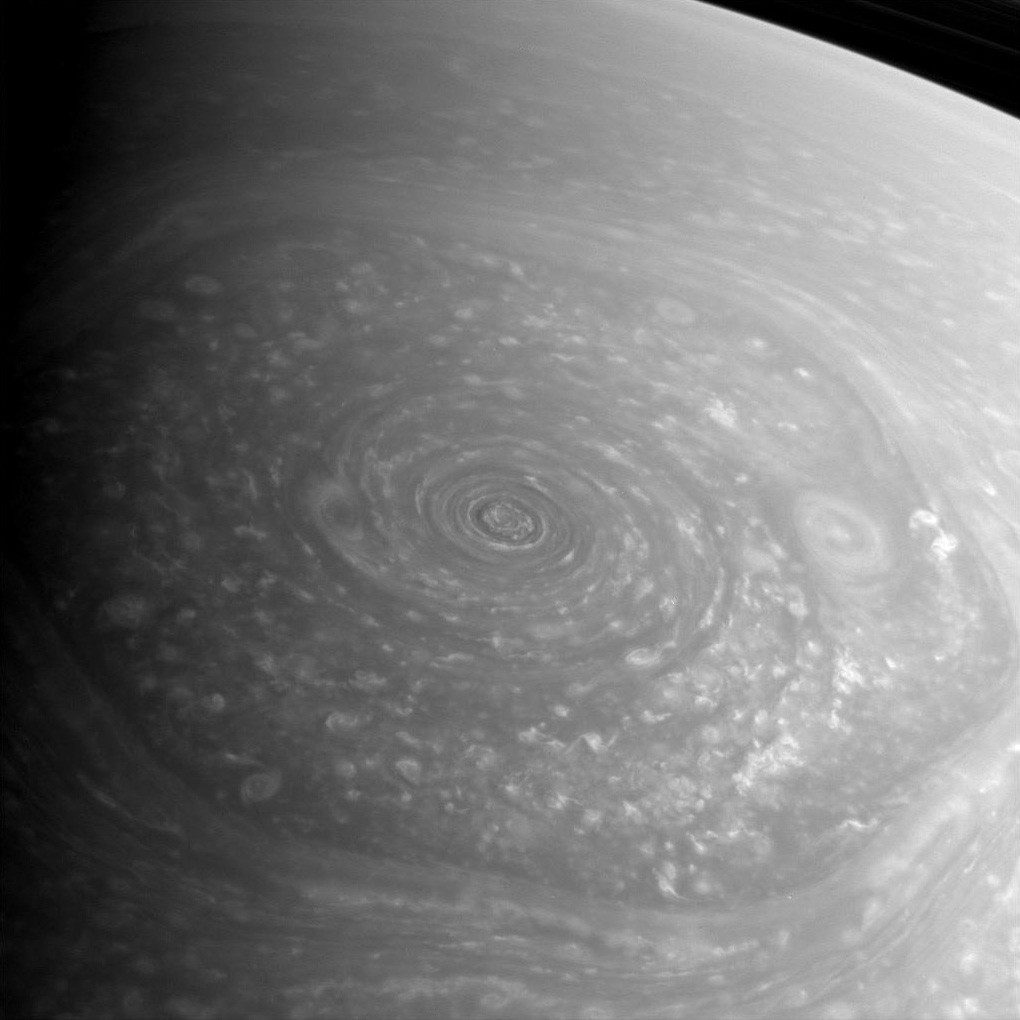
A six-sided storm pattern circles Saturn's north pole. The hexagon spans about 20,000 miles and is a jet stream of 200-mile-per-hour winds, NASA says.
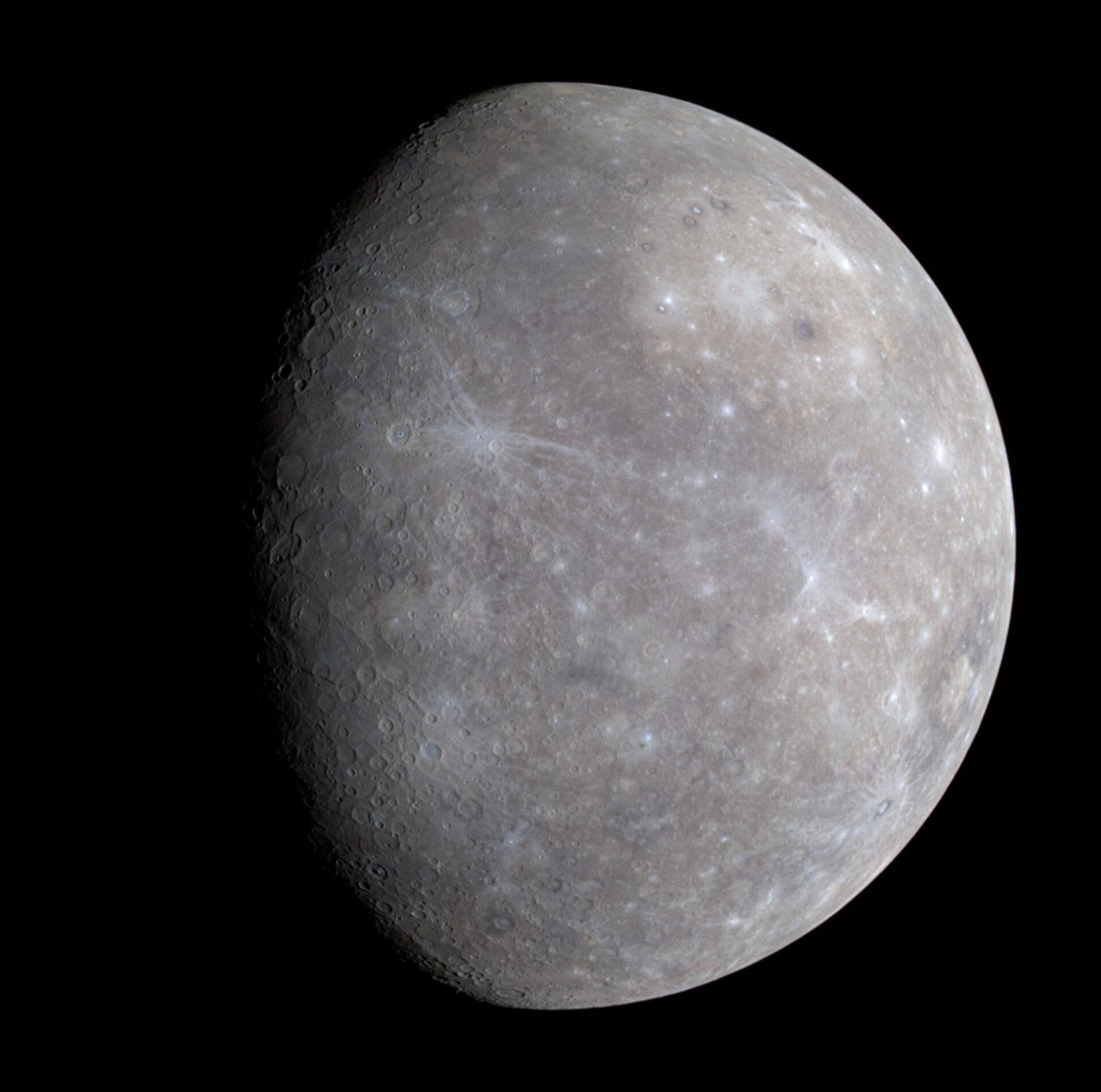
Daytime on Mercury can reach 800 degrees Fahrenheit. With no substantial atmosphere to hold that heat, nights can plunge to minus 290 degrees, NASA says.