'Oumuamua, the first known visitor from another star, is about 10 times longer than it is wide — more elongated than any asteroid or comet in our solar system.
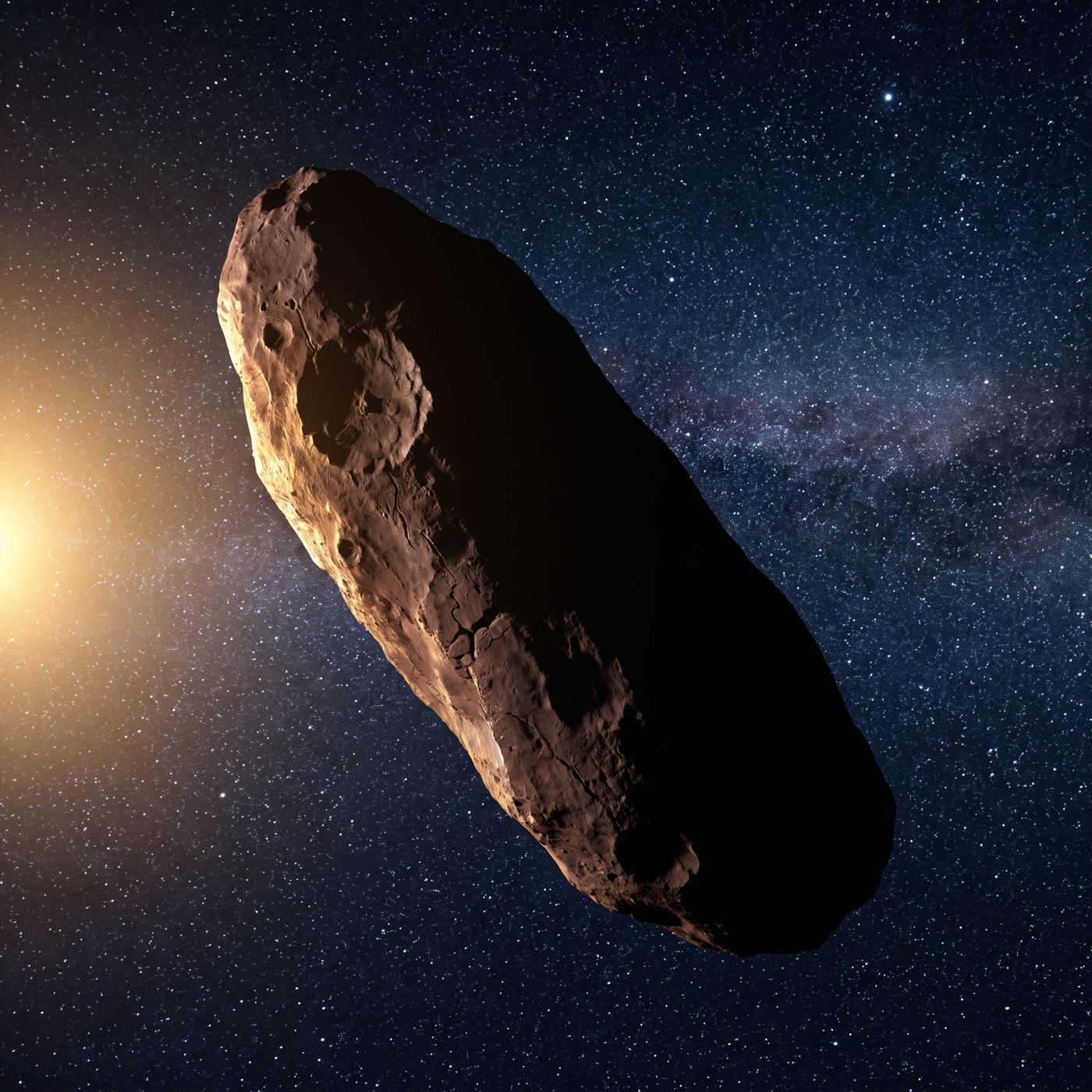 ILLUSTRATION · AI
'Oumuamua, the first confirmed object from beyond our solar system, is roughly 10 times longer than it is wide — a more extreme shape than any asteroid or comet ever seen around our Sun.
In October 2017, a telescope in Hawaii caught something that had never been recorded before: a rock from another star system passing through our own. Astronomers named it 'Oumuamua, a Hawaiian word meaning roughly "a messenger from afar arriving first." And the messenger had a strange shape. According to NASA's solar system page, 'Oumuamua is "up to one-quarter mile (400 meters) long and highly-elongated — perhaps 10 times as long as it is wide." That aspect ratio, NASA states plainly, "is greater than that of any asteroid or comet observed in our solar system to date."
Picture something with the proportions of a cigar, or a skyscraper laid on its side, cartwheeling silently through the dark. Nothing native to our neighborhood is built quite like it.
How do we know the shape of something we never photographed?
We never got a picture. 'Oumuamua was small, faint, and already speeding away by the time anyone realized what it was. No telescope on Earth could resolve it as anything more than a point of light. So how does NASA claim to know it's ten times longer than it is wide?
The answer is in how that point of light flickered. A team led by astronomer Karen Meech of the University of Hawaii's Institute for Astronomy tracked 'Oumuamua as it tumbled, and found its brightness swinging by a factor of about 10 every 7.3 hours. That kind of dramatic pulsing is a fingerprint. A round object presents roughly the same face no matter how it spins, so its brightness stays steady. An elongated object, however, reflects a lot of light when its long side turns toward us and very little when we see it end-on. The bigger the brightness swing, the more stretched-out the object must be.
A factor-of-10 change in brightness points to a body roughly 10 times longer than it is wide. Meech's team published the finding in the journal Nature in 2017, and NASA/JPL's press release, titled "Solar System's First Interstellar Visitor Dazzles Scientists," described it directly: 'Oumuamua is "about ten times as long as it is wide." The reporting in Science (AAAS) that year laid out the same chain of reasoning — light pulsing by a factor of 10 every 7.3 hours, implying something more elongated than anything known in our solar system.
The measurement has held up. A 2022 review of interstellar objects (Ye and colleagues, "The Interstellar Interlopers") revisited the lightcurve and confirmed a peak-to-peak brightness swing of about 2.5 magnitudes — that same factor of 10 — over a period of roughly eight hours, yielding an axis ratio near 10 to 1, consistent with Meech's original 2017 result.
Why the shape still starts arguments
The vivid detail worth holding onto is the trajectory itself. 'Oumuamua wasn't loosely passing through — its path, tracked through NASA's JPL Horizons system, was hyperbolic. It was moving too fast to be bound by the Sun's gravity, which is the signature of an object that fell in from interstellar space and will never return. It came from somewhere else, and it's already gone.
That's exactly why the shape refuses to settle into a tidy story. Our own solar system doesn't manufacture 10-to-1 objects, so what does? Some researchers argue 'Oumuamua may not be cigar-shaped at all but pancake-flat — a lightcurve alone can't fully distinguish the two, only that it's extreme. Others have proposed it's a fragment of a larger body, a shard of nitrogen ice, or a chunk of a shattered planet.
What isn't in dispute is the brightness curve, the 7.3-hour spin, and the conclusion NASA still publishes: 'Oumuamua is more elongated than anything we've ever seen orbiting our Sun. We watched a stranger tumble past, measured its silhouette in flickers of reflected light, and let it slip back into the dark — carrying the answer with it.
More facts
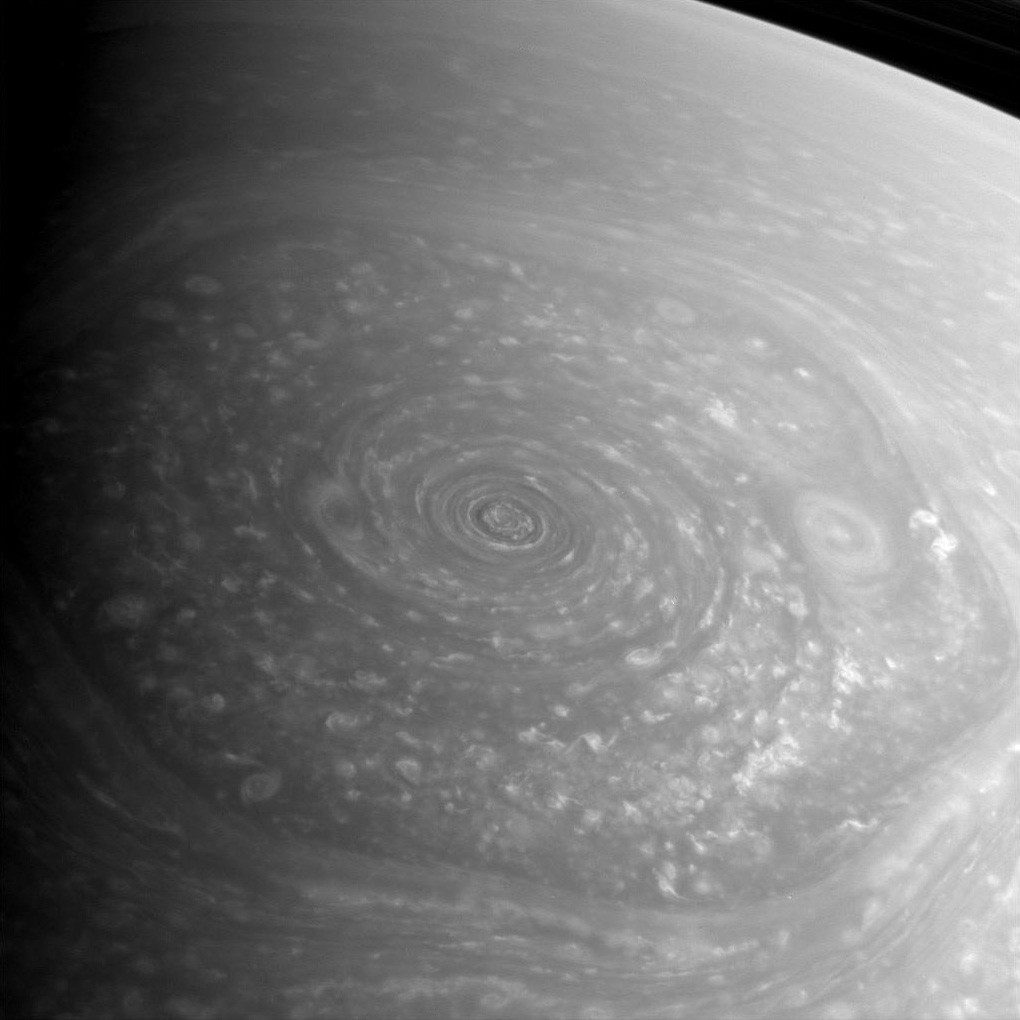
A six-sided storm pattern circles Saturn's north pole. The hexagon spans about 20,000 miles and is a jet stream of 200-mile-per-hour winds, NASA says.
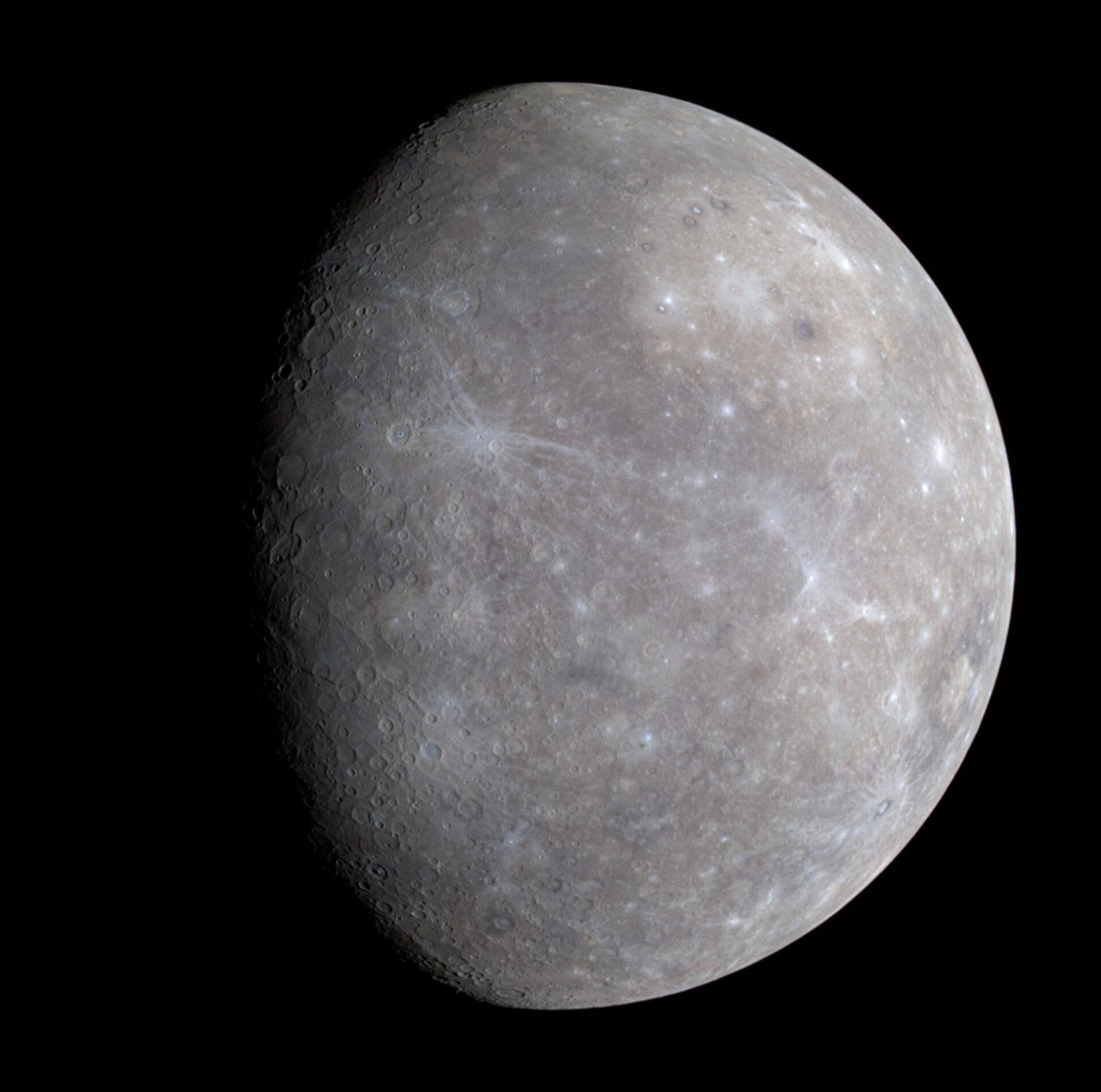
Daytime on Mercury can reach 800 degrees Fahrenheit. With no substantial atmosphere to hold that heat, nights can plunge to minus 290 degrees, NASA says.