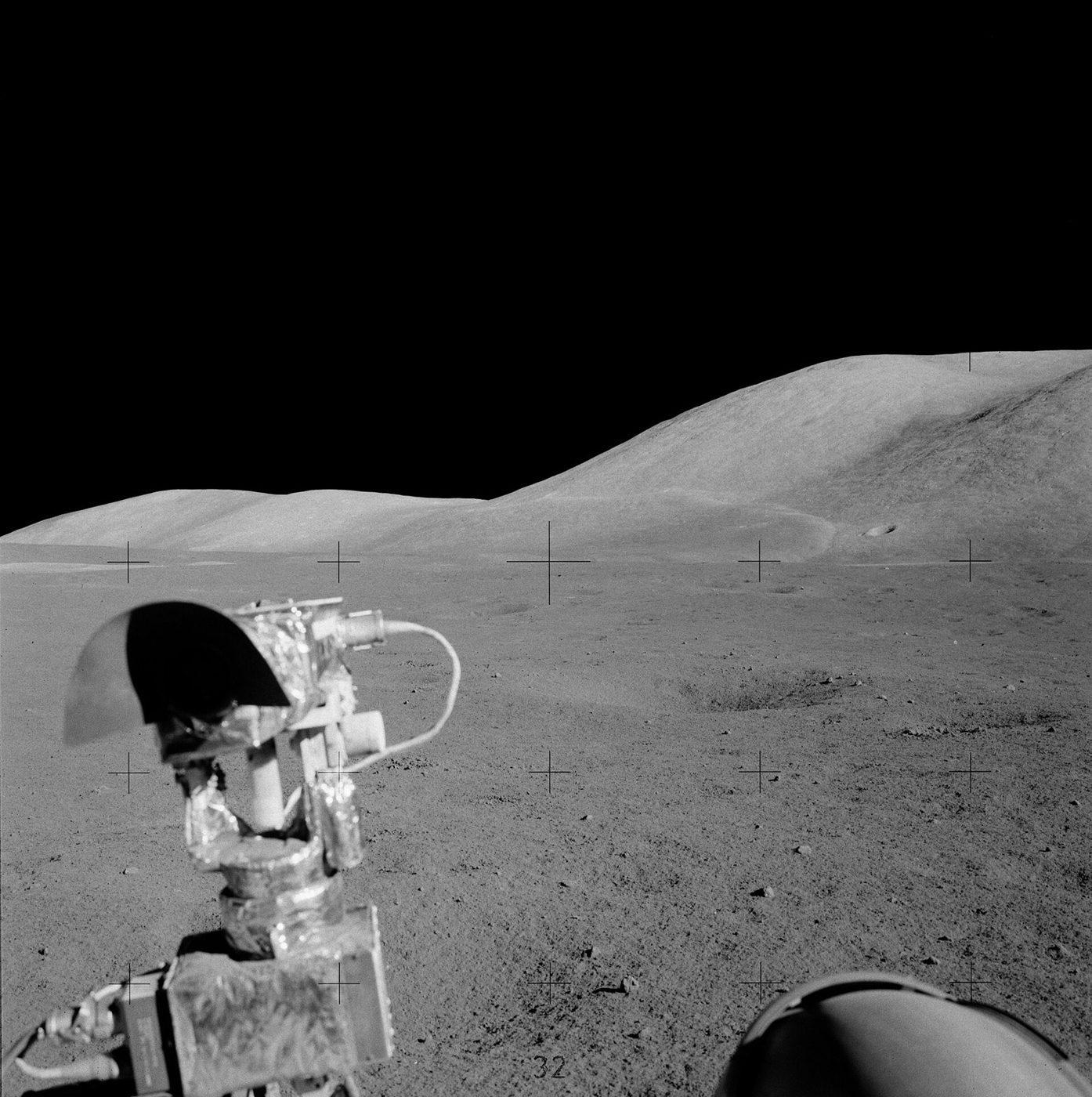
Saturn is the only planet in our solar system less dense than water — 0.687 g/cm³ means it would float in a big enough bathtub.
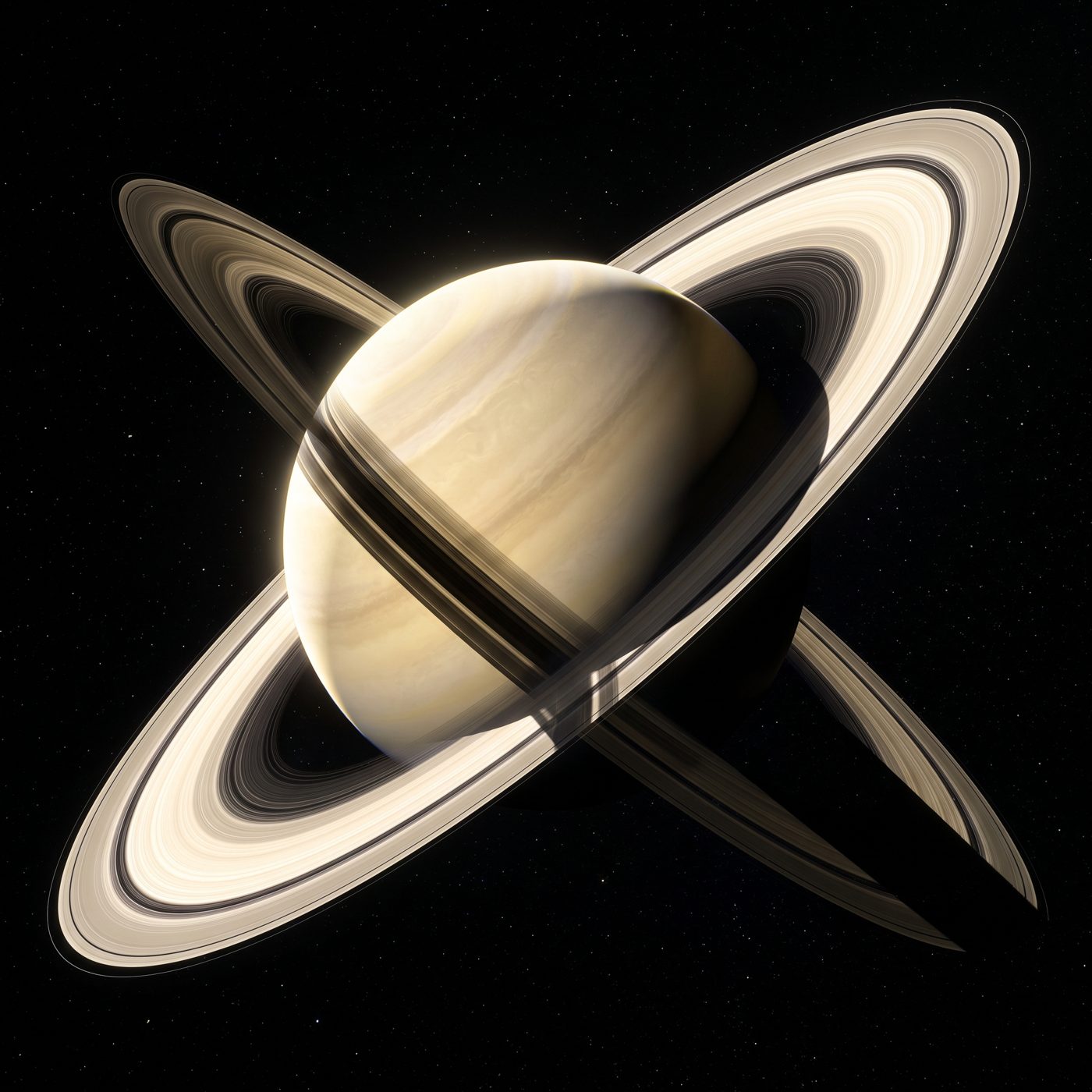 ILLUSTRATION · AI
Saturn's average density is about 0.687 grams per cubic centimeter — lower than water's 1.0 — making it the only planet in our solar system that, by that measure, would float.
Take a bathtub big enough to hold a planet, fill it with water, and drop Saturn in. It would bob at the surface. Every other planet in the solar system would sink like a stone. That's the payoff, and NASA states it plainly on its own "Saturn: Facts" page: "Saturn is the only planet in our solar system with an average density that is less than water." The number behind the claim, as Space.com laid out in its "How Big Is Saturn?" explainer, is a mean density of 0.687 grams per cubic centimeter — comfortably below water's 1.0.
How can a planet be less dense than water?
Density is just mass divided by volume, and Saturn is a study in contrasts on both. Its mass is enormous — 5.68 × 10²⁶ kilograms, about 95 times Earth's, according to Space.com's figures. But it's spread across a truly vast volume. Saturn is a gas giant, made mostly of hydrogen and helium, the two lightest elements in the universe. Pack a planet full of the lightest stuff there is and stretch it wide enough, and the average comes out feathery.
The word "average" is doing quiet but critical work here. Saturn isn't uniformly puffy. Its outer layers are thin gas, but pressure climbs steeply as you descend, crushing hydrogen into a hot, metallic, liquid-like state and concentrating heavier material toward a dense core. The 0.687 figure isn't the density of any one place inside Saturn — it's the whole mass smeared evenly across the whole volume. By that single bulk measurement, and only that one, Saturn beats water.
For comparison, Earth's average density is about 5.5 g/cm³, and even Jupiter — larger and heavier than Saturn — clocks in around 1.3, dense enough to sink. Saturn is the lone exception, and that's the falsifiable, checkable part of the claim: a measured number set against a familiar benchmark.
Why the bathtub image is a metaphor, not a prediction
The line that travels across social media is NASA's own flourish: "The giant gas planet could float in a bathtub if such a colossal thing existed." It's a memorable way to make an abstract number land in your gut, and NASA writes it that way on purpose.
But take it literally and it falls apart, which is worth saying out loud on a site that promises verified awe. There is no tub the size of a planet. More to the point, Saturn has no solid surface to keep it intact — it's gas and liquid all the way down, so it wouldn't sit in water like a rubber duck. It would smear, mix, and dissolve into chaos. And "floating" assumes the object holds together as a single buoyant body, which a diffuse ball of hydrogen simply would not do when introduced to an impossible ocean.
So the honest version is this: Saturn's *average density* is lower than water's. That comparison is real, measured, and repeatable. The bathtub is a picture painted around a true number, not a claim that the experiment would work.
The vivid detail that survives scrutiny is the number itself. If you built a cube of Saturn-stuff one centimeter on a side and set it on a scale, it would weigh less than the same cube filled with water — 0.687 grams against 1.0. That's the whole planet's character in a thimble.
What's still open to argue is everything happening beneath that tidy average. Saturn's interior — the exact size of its core, how sharply hydrogen transitions to metal, how the mass is truly distributed — remains a live research question, refined by Cassini's final orbits and still debated. The bulk density is settled. What produces it, in detail, is not.
More facts
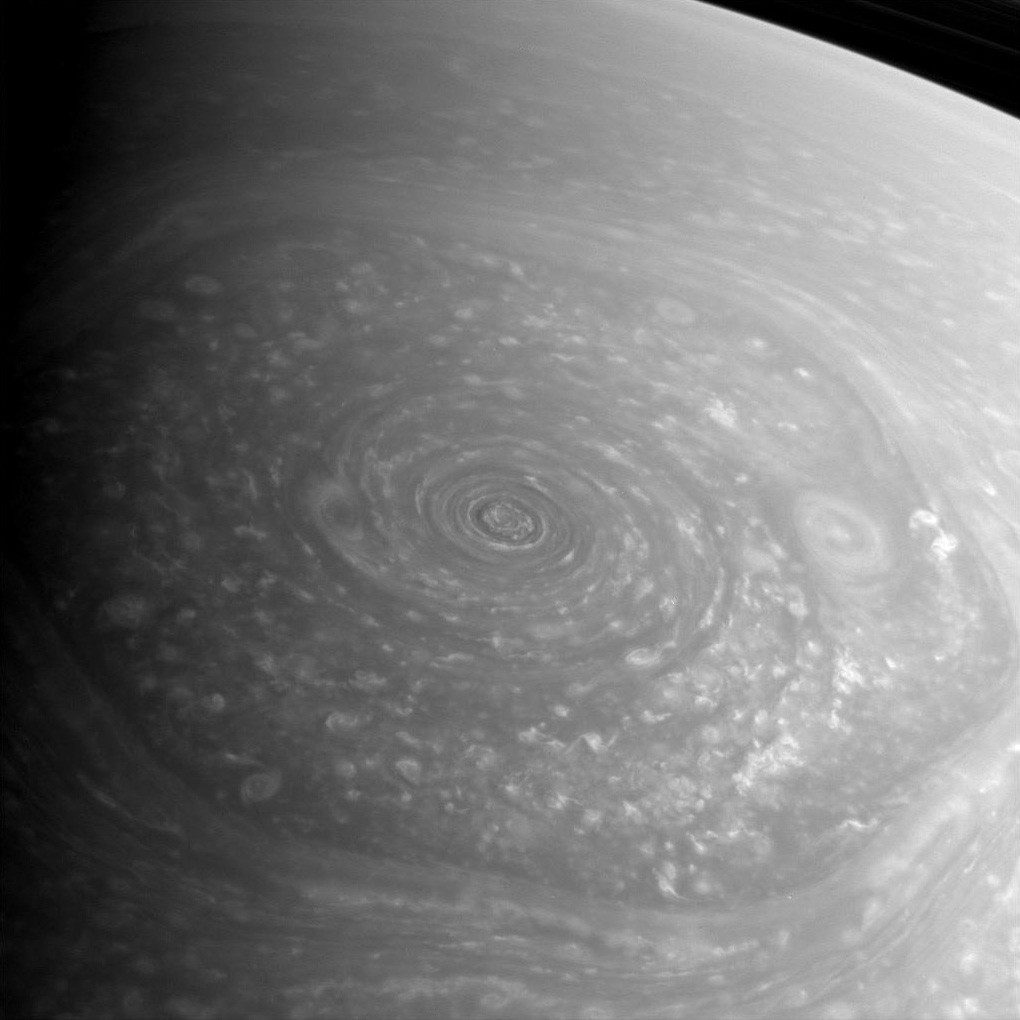
A six-sided storm pattern circles Saturn's north pole. The hexagon spans about 20,000 miles and is a jet stream of 200-mile-per-hour winds, NASA says.
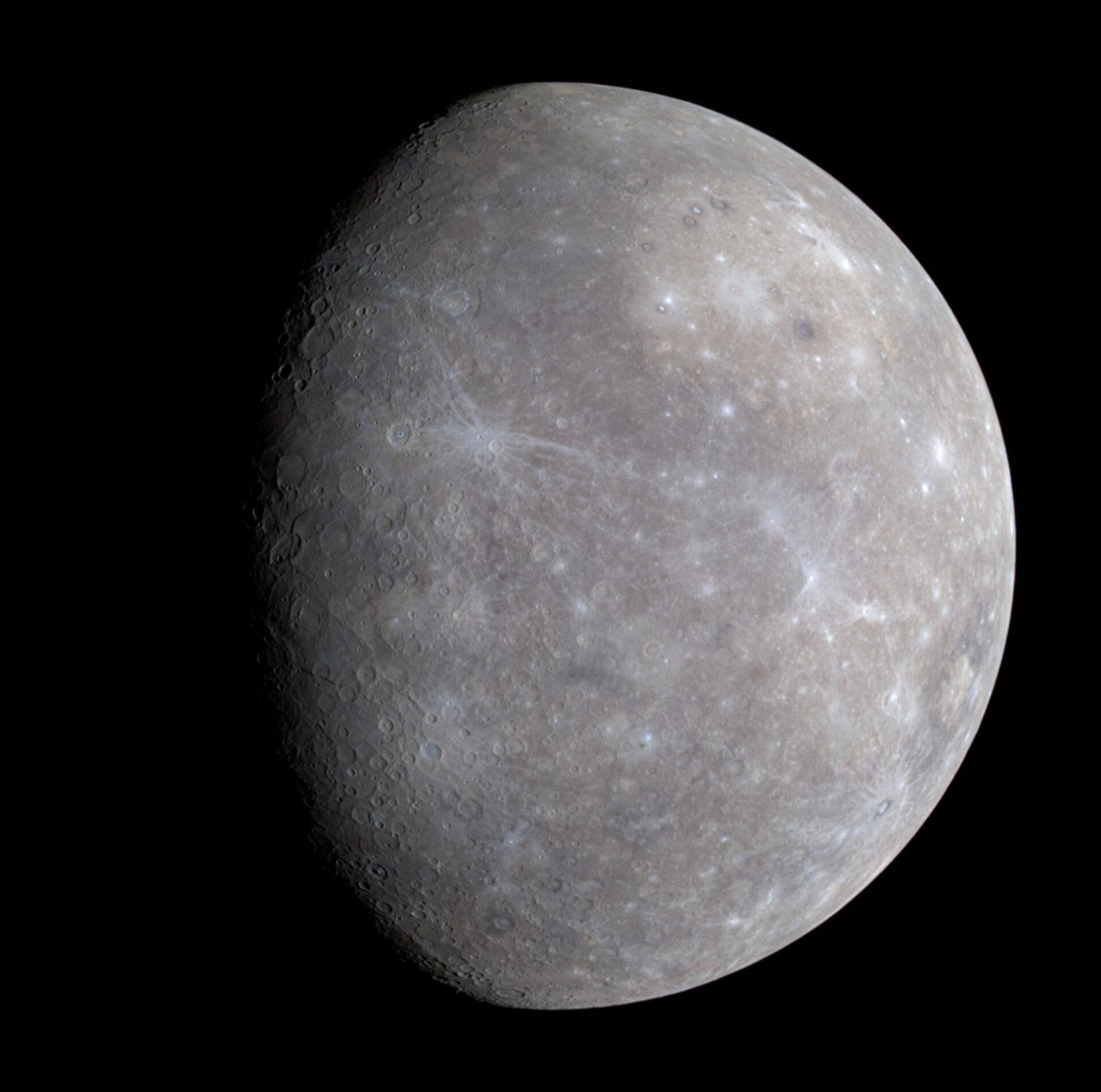
Daytime on Mercury can reach 800 degrees Fahrenheit. With no substantial atmosphere to hold that heat, nights can plunge to minus 290 degrees, NASA says.