Space
Saturn's moon Enceladus is only about 310 miles wide, yet it shoots jets of water vapor and ice into space from a salty ocean hidden under its icy shell.
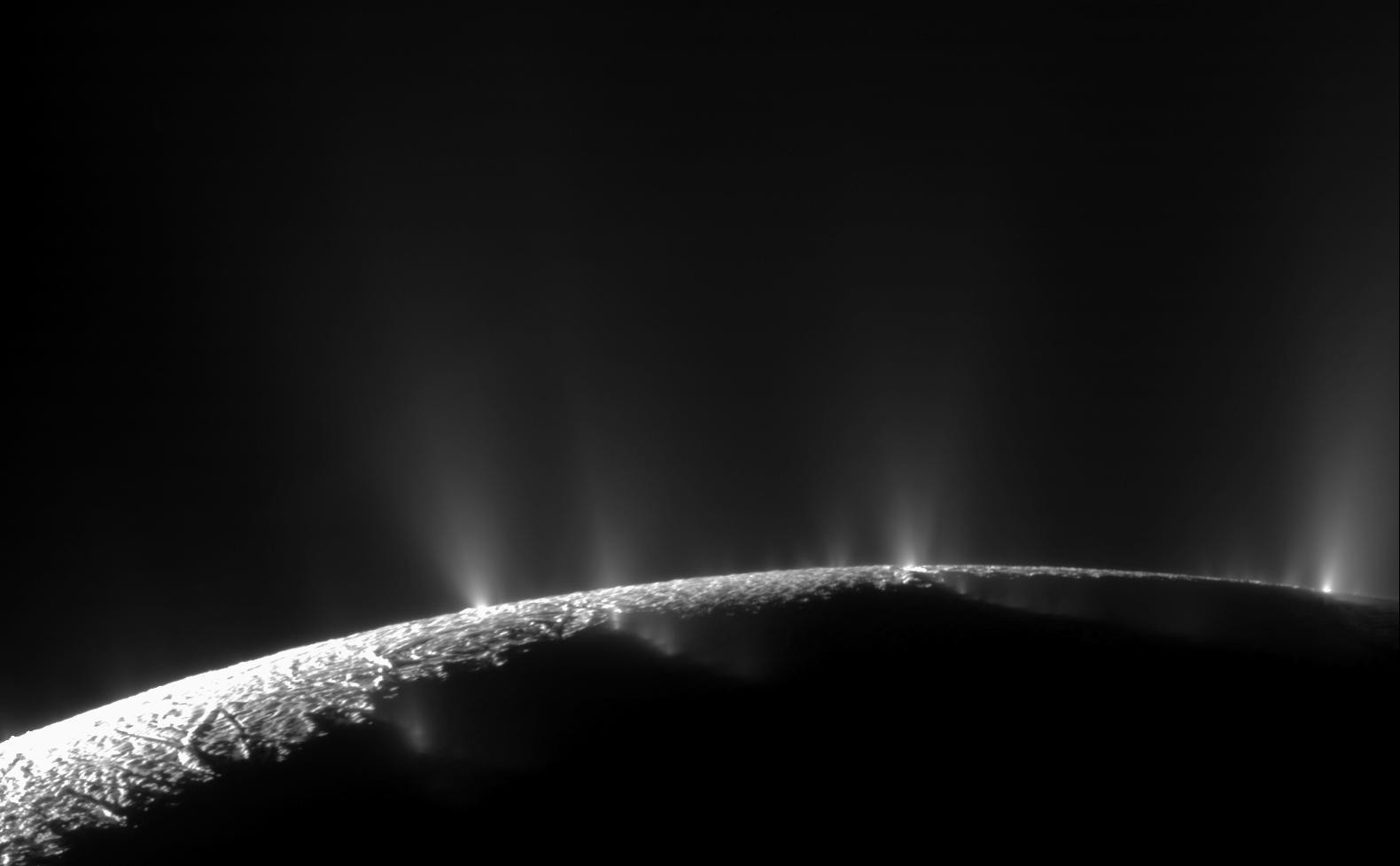 ILLUSTRATION · AI
Saturn's moon Enceladus is only about 310 miles across, but it sprays jets of water vapor and ice into space from a subsurface ocean, NASA says.
NASA calls Enceladus a small, icy world whose geysers give clues that its subsurface saltwater ocean could be a possible habitat for life. Its surface is bright white and, in some places, remarkably smooth.
Enceladus orbits Saturn at about 148,000 miles, between the moons Mimas and Tethys. NASA's Cassini spacecraft came within about 16 miles of its surface in 2008.
SourcesEvery claim traced
- Tier 2 · Secondary
Advertisement
Keep reading
More facts
Space
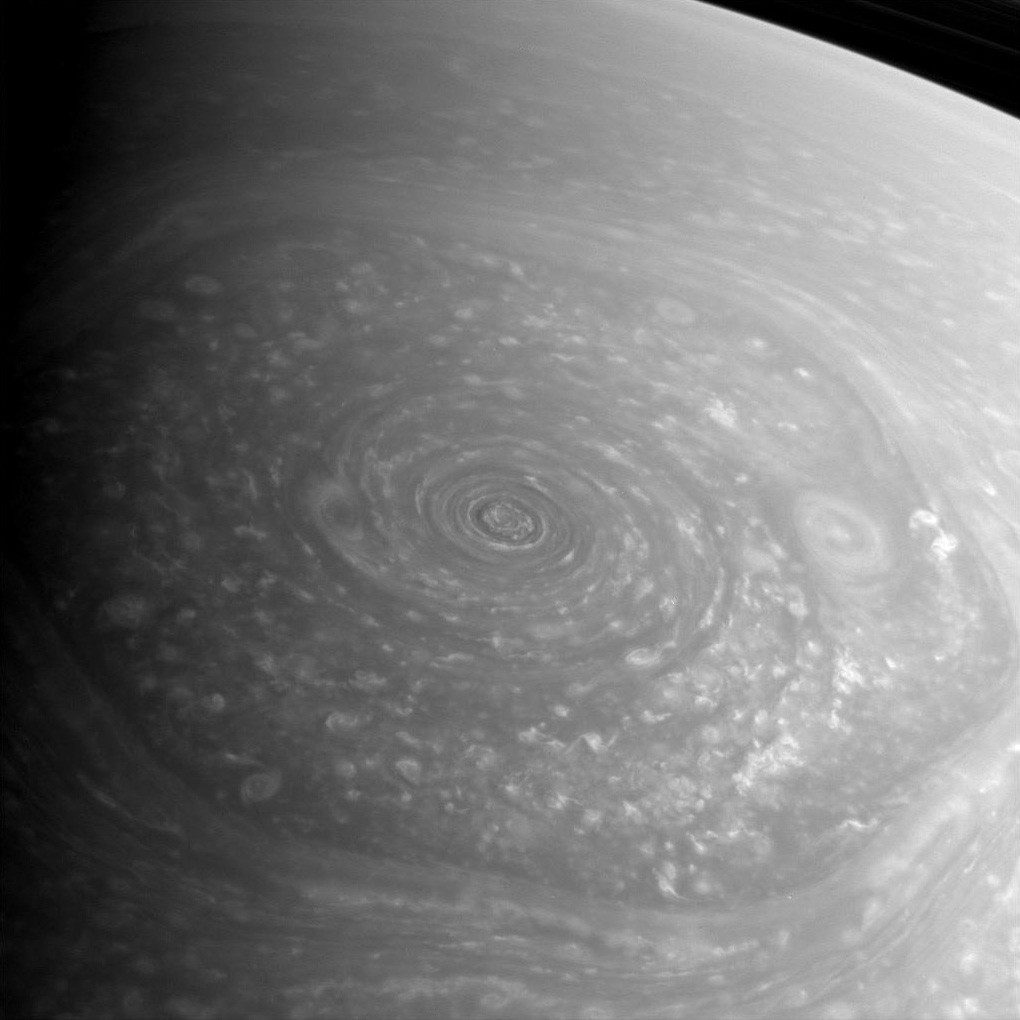
A six-sided storm pattern circles Saturn's north pole. The hexagon spans about 20,000 miles and is a jet stream of 200-mile-per-hour winds, NASA says.
Verified2 min
Space
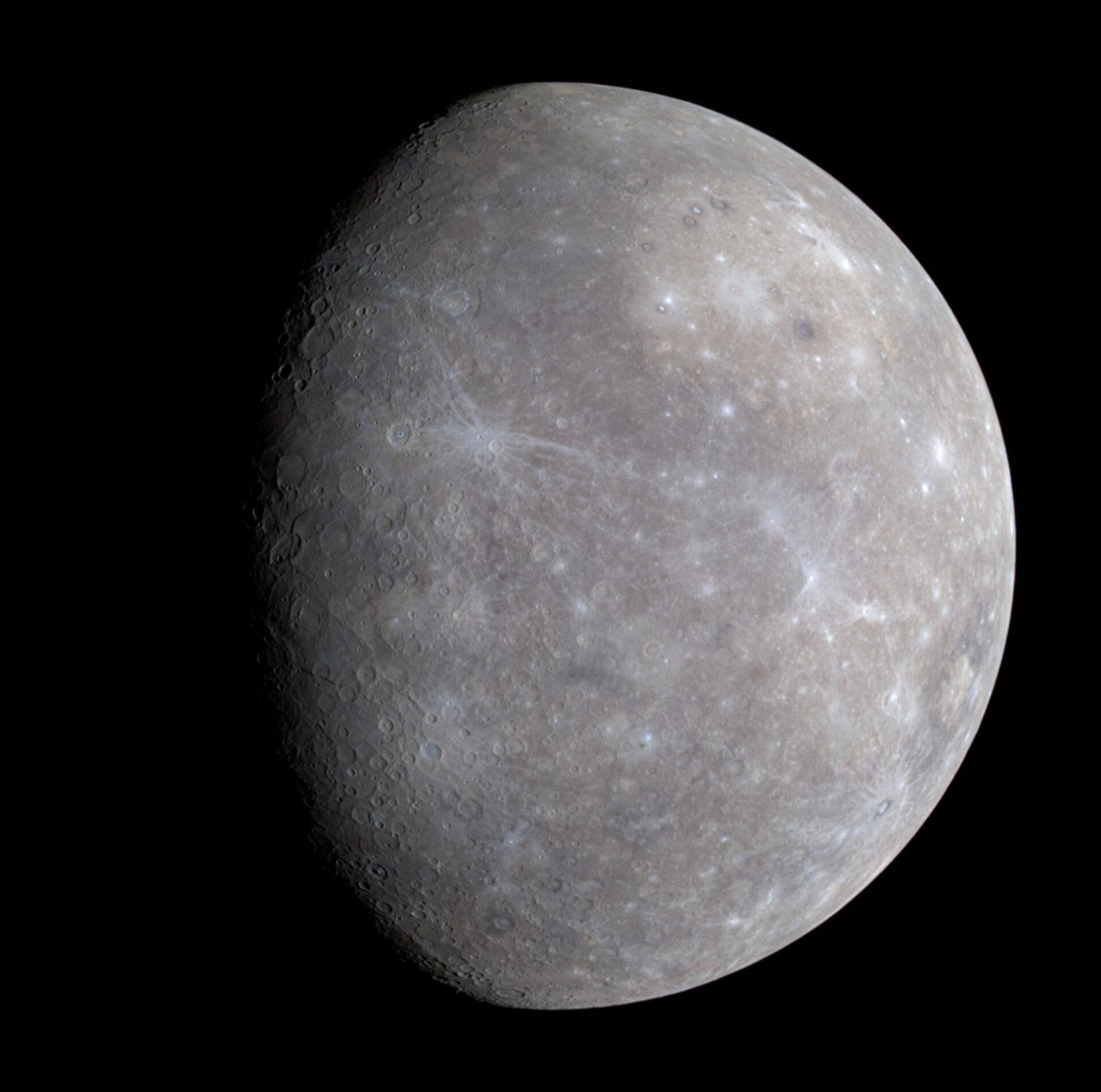
Daytime on Mercury can reach 800 degrees Fahrenheit. With no substantial atmosphere to hold that heat, nights can plunge to minus 290 degrees, NASA says.
Verified2 min
Space
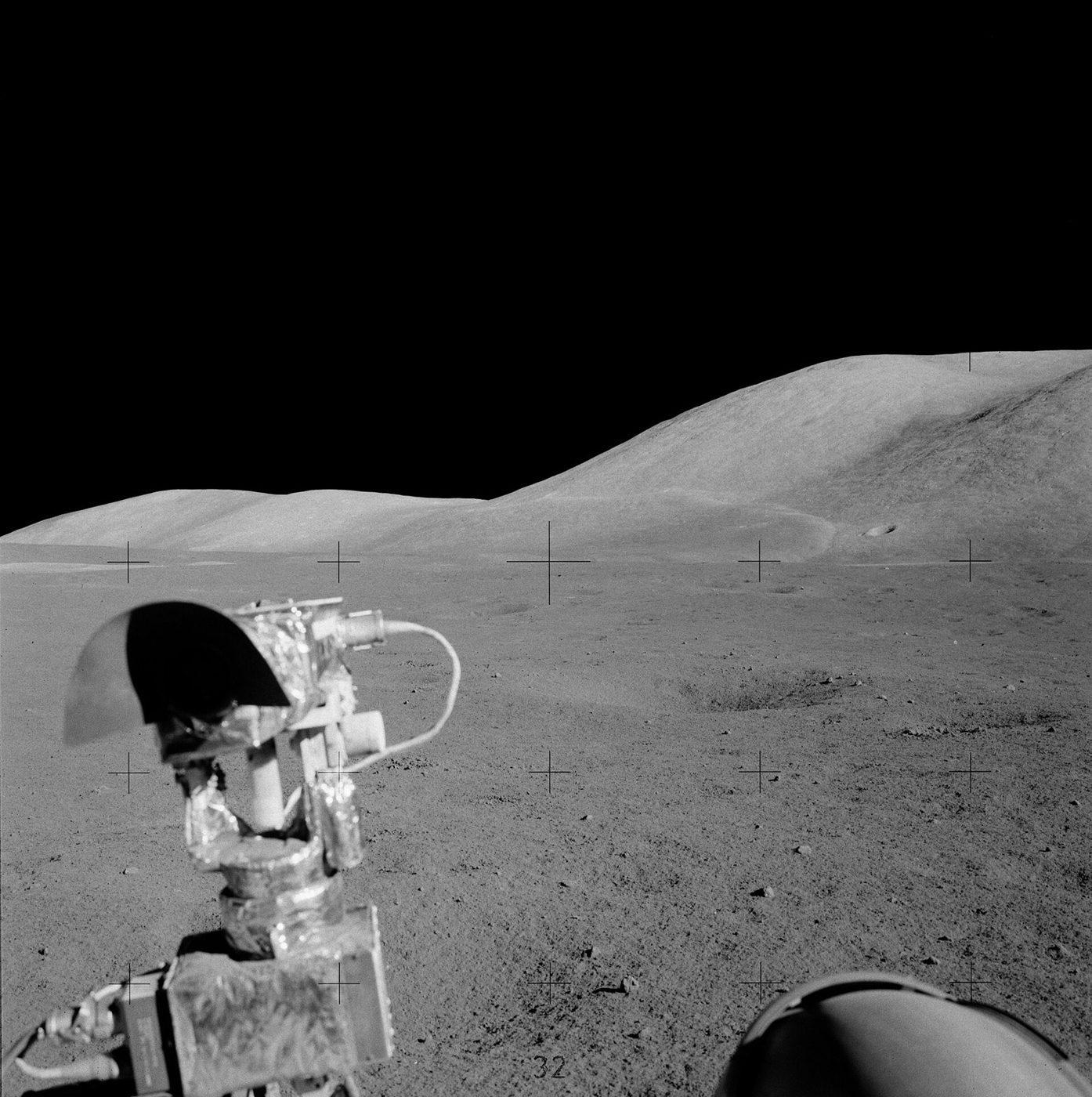
The Moon is shrinking. As its interior cools, it has gotten more than about 150 feet skinnier over the last several hundred million years, NASA says.
Verified2 min