The first message ever sent over the internet was 'LO' — the system crashed on October 29, 1969 as Charley Kline typed the 'G' in 'LOGIN.'
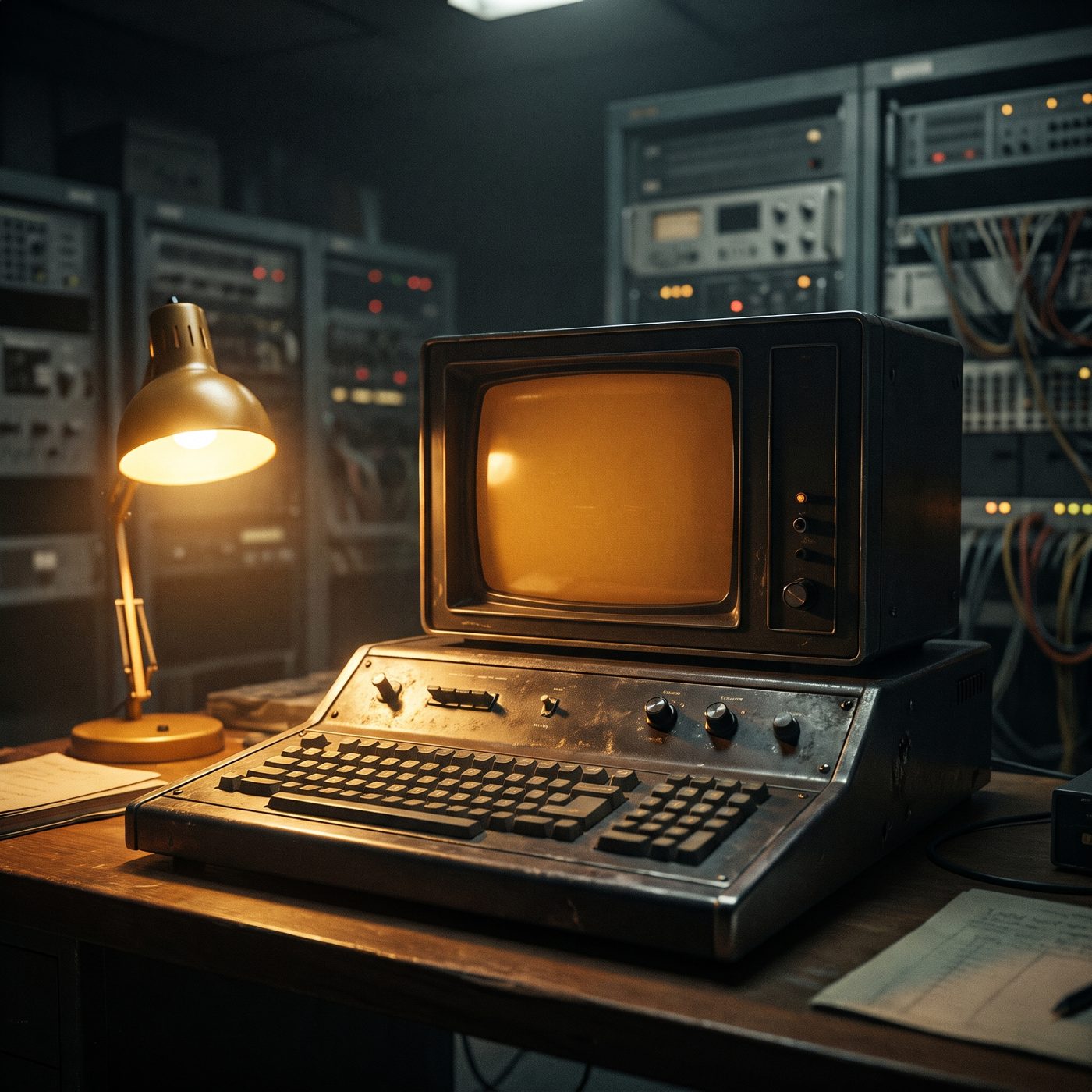 ILLUSTRATION · AI
The first message transmitted between two computers over the ARPANET was the fragment "LO," because the system crashed as a UCLA student typed the "G" in "LOGIN" on October 29, 1969.
The first thing one computer ever said to another over the network that became the internet was two letters: "LO." Not a message anyone composed, but the start of a word cut short by a crash. At 10:30 p.m. on October 29, 1969, a UCLA student programmer named Charley Kline sat down to log in to a distant machine and never finished typing.
Kline was trying to reach an SDS 940 host at the Stanford Research Institute (SRI), roughly 350 miles north, where Bill Duvall waited on the other end. The plan was simple in concept: Kline would type "LOGIN," and the remote SRI system would automatically fill in the "GIN" once it recognized the command. To make sure nothing went wrong, Kline and Duvall kept an ordinary telephone line open between them, reading the characters aloud as they appeared.
How the first message got cut to "LO"
Kline typed the "L." Over the phone, Duvall confirmed he'd received it. Kline typed the "O." Duvall confirmed that too. Then Kline typed the "G" — and SRI's system crashed. The remote host choked before the third letter registered. What had successfully crossed the wire, host to host, was "L" and "O." Hence the message that history records: "LO."
We know this in granular detail because the man who ran the UCLA lab, Leonard Kleinrock, has written about it repeatedly from firsthand memory and from the records his team kept. In his accounts — "The Day the Infant Internet Uttered its First Words" (2019) and a companion piece on the ICANN Blog that same year — Kleinrock points to the UCLA IMP log, the handwritten record kept beside the Interface Message Processor, the refrigerator-sized router that connected UCLA's machine to the network. The log entry for that night notes the time and the event, which is why the moment can be pinned to 10:30 p.m. rather than reconstructed from legend.
Kleinrock has long savored the accident of it. The word they were aiming for was mundane — "login." What the network actually delivered was "lo," as in "lo and behold." As he puts it, they could not have scripted a more fitting first utterance if they'd tried: short, prophetic, and entirely unintentional.
Why "LO" and not a grand opening line
There was no ceremonial first sentence because nobody treated October 29 as a historic occasion. This was a test. The ARPANET, funded by the U.S. Defense Department's Advanced Research Projects Agency, had just been wired together between its first nodes, and the engineers were checking whether two different computers could talk at all. The point wasn't eloquence; it was connection. A crash during a test was ordinary. The team fixed the problem, and about an hour later Kline got the full login to complete. The network worked.
That ordinariness is part of what makes the story durable. Tia Ghose's 2025 account for Live Science, revisiting the anniversary, underscores the contrast: the moment we now treat as the birth of the internet passed without fanfare, recorded in a lab log by people who thought they were debugging.
There's one correction worth making to how the story usually circulates. It's often told as though only "L" and "O" ever arrived and the line simply went dead. Kleinrock's own telling is more precise: both letters were received and acknowledged by voice, and the crash came as Kline typed the "G." The resulting first message was still "LO" — but it was a login interrupted, not a transmission that stopped itself.
What remains genuinely open is whether this even counts as "the first message on the internet" at all. The ARPANET of 1969 was not the internet; the protocols that knit separate networks together — TCP/IP — wouldn't arrive until the 1970s. So was "LO" the internet's first word, or the ARPANET's? The answer depends entirely on where you decide the internet begins — and that line, unlike the IMP log, nobody has ever agreed on.
- Tier 1 · Primary2019
More facts
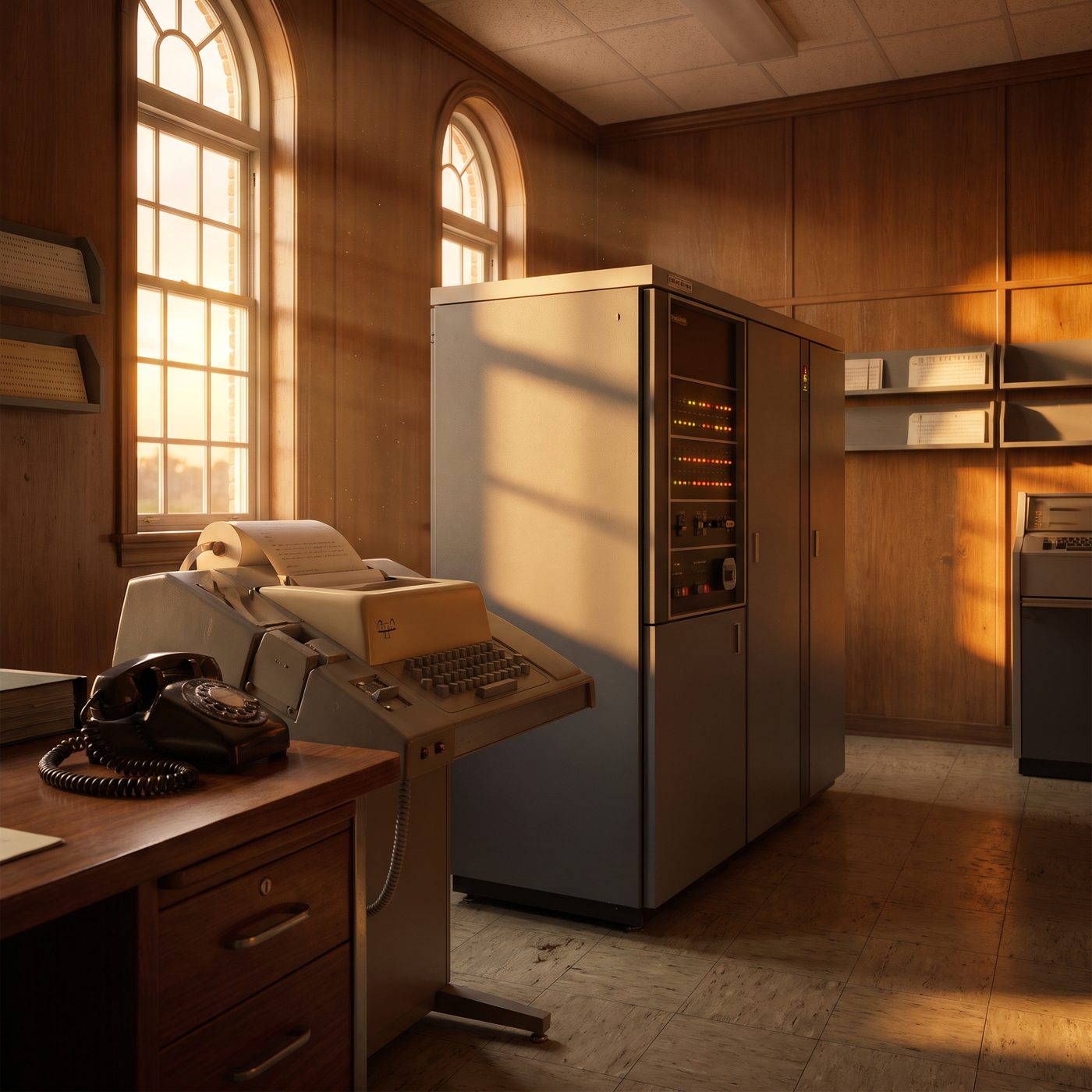
The internet's first message was 'lo' — on October 29, 1969 the receiving computer crashed after just two of the five letters sent.

Emma Haruka Iwao's 2019 record held 31,415,926,535,897 digits of pi — and every one was checked without recomputing the whole thing.