Space
The Moon is drifting away from Earth by about 3.8 centimeters a year. We know because scientists bounce lasers off mirrors that Apollo 11 astronauts left there in 1969.
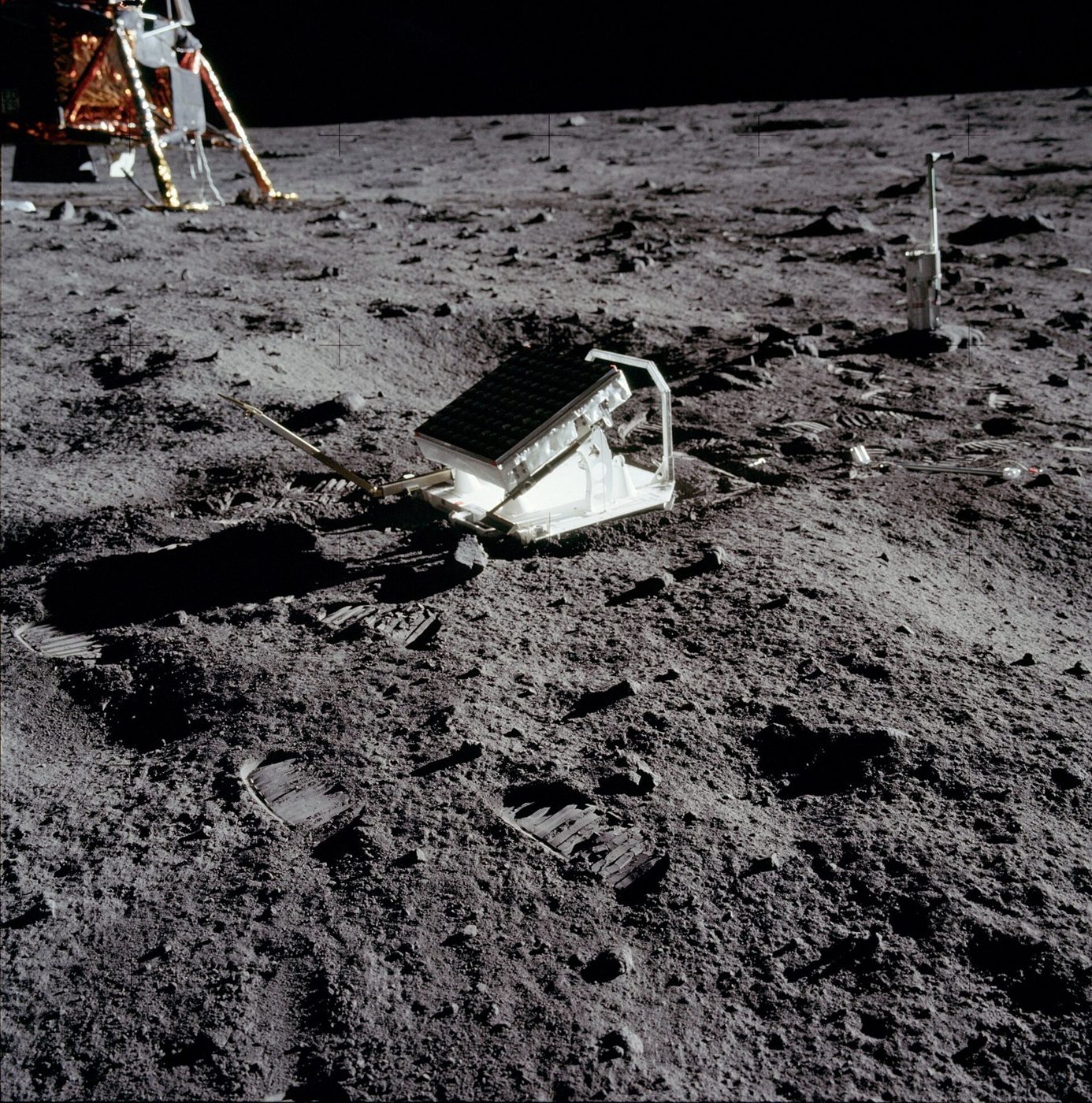 ILLUSTRATION · AI
The Moon is receding from Earth at about 3.8 centimeters a year, a rate measured by bouncing lasers off reflectors that Apollo 11 left on the Moon in 1969.
The Apollo 11 laser reflector is a 46-centimeter square panel holding 100 corner cubes of fused silica. Corner cubes send a beam of light straight back toward its source, so observatories can time a laser pulse's round trip to the Moon and back.
What the lasers found
NASA Goddard reported in 1994 that the measurements show the Moon receding at about 3.8 centimeters per year, and that ocean tides on Earth directly influence the Moon's orbit.
SourcesEvery claim traced
- Tier 2 · Secondary1994
- Tier 2 · Secondary2004
Advertisement
Keep reading
More facts
Space
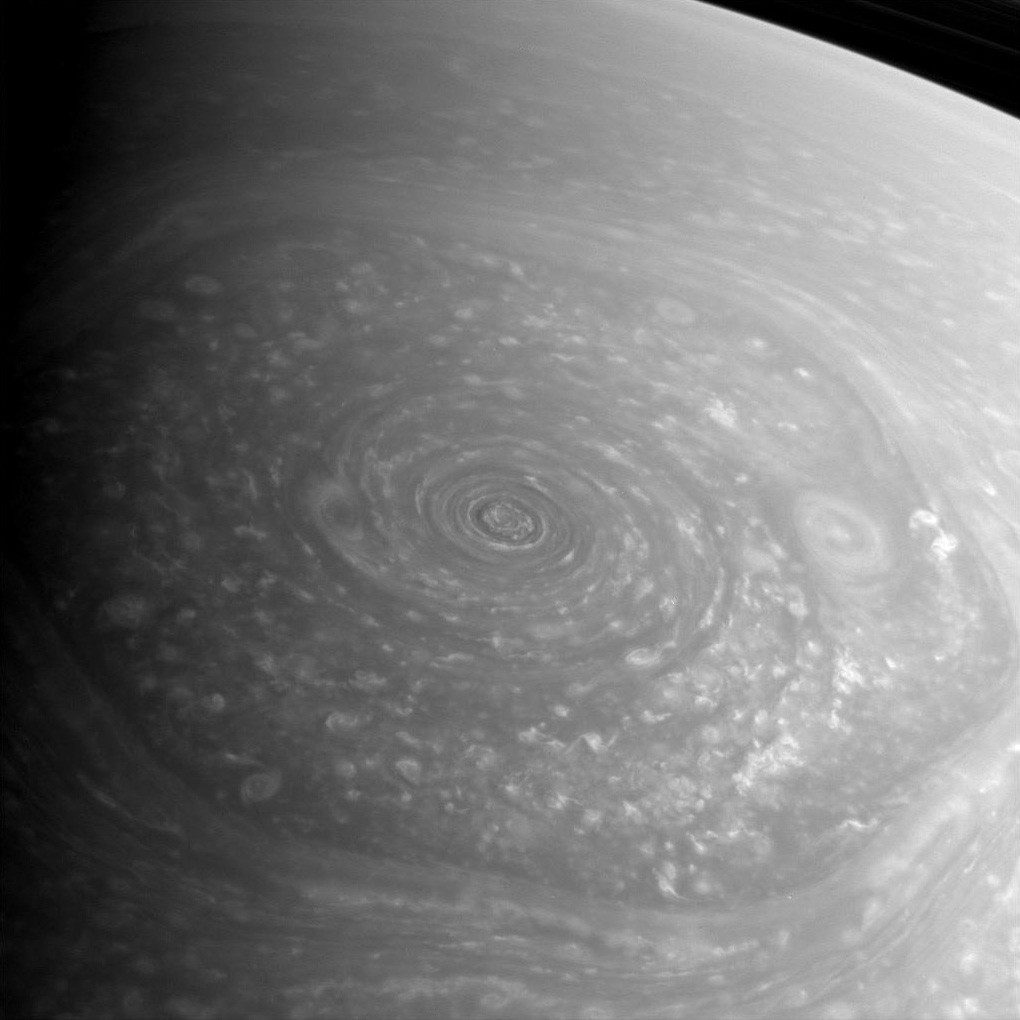
A six-sided storm pattern circles Saturn's north pole. The hexagon spans about 20,000 miles and is a jet stream of 200-mile-per-hour winds, NASA says.
Verified2 min
Space
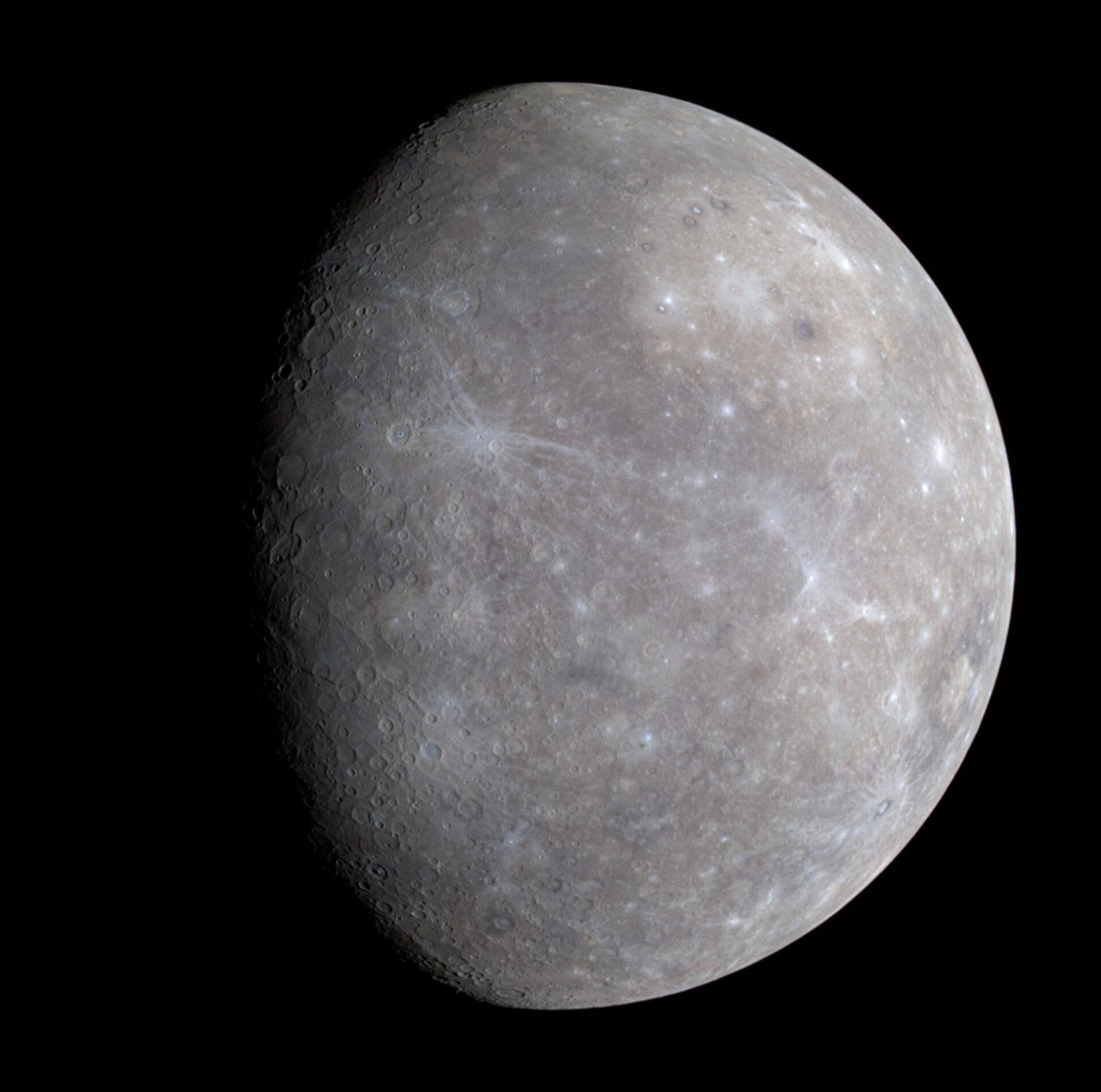
Daytime on Mercury can reach 800 degrees Fahrenheit. With no substantial atmosphere to hold that heat, nights can plunge to minus 290 degrees, NASA says.
Verified2 min
Space
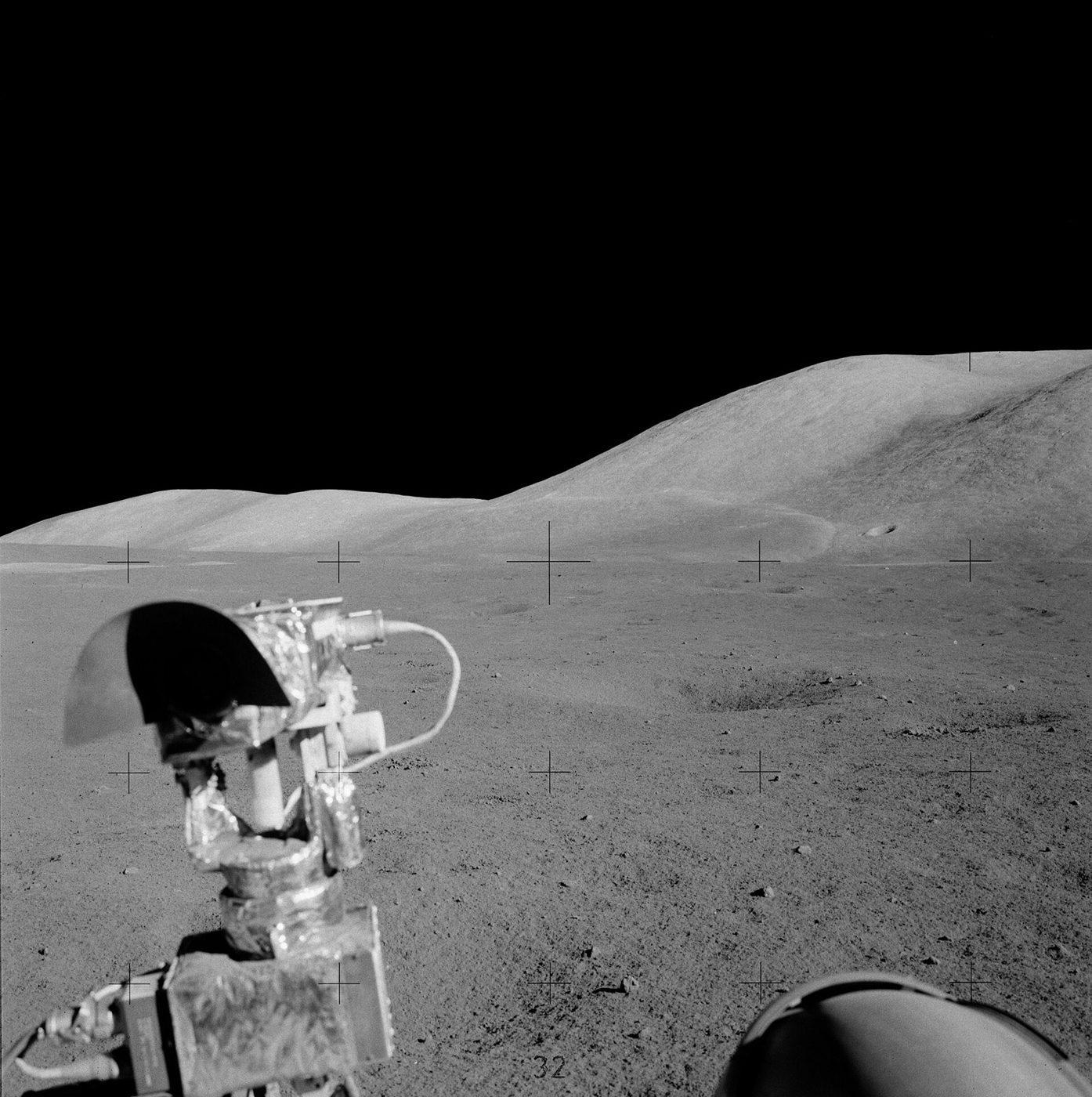
The Moon is shrinking. As its interior cools, it has gotten more than about 150 feet skinnier over the last several hundred million years, NASA says.
Verified2 min