A tiger will swim 5 miles across an open lake just to escape biting flies — the Smithsonian says they cross that easily.
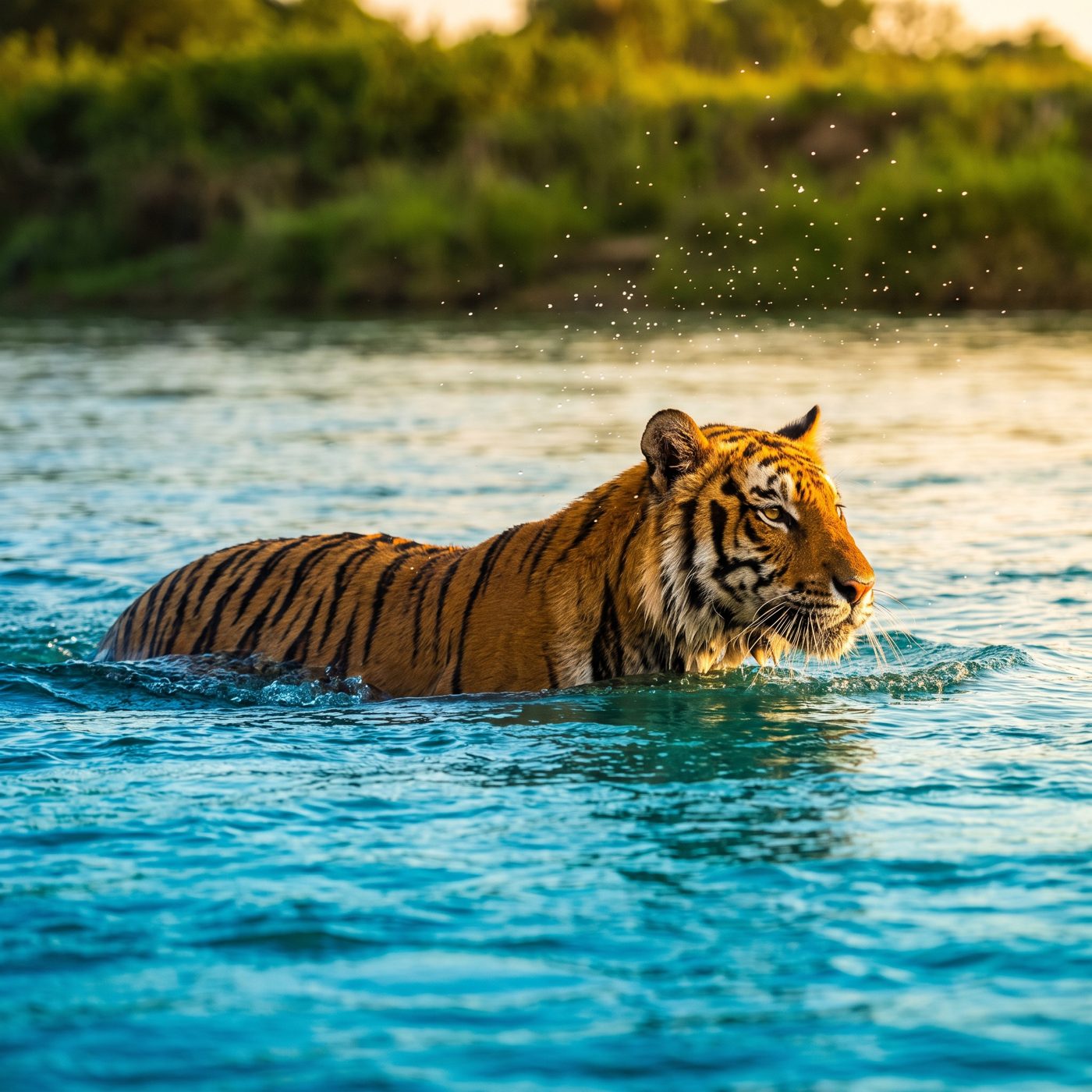 ILLUSTRATION · AI
The Smithsonian's National Zoo states that tigers can easily cross open water five miles wide, and they'll do it to beat the heat or escape biting flies.
Most big cats treat water like a threat to be walked around. A tiger treats it like a shortcut. According to the Smithsonian's National Zoo and Conservation Biology Institute, tigers are "adept swimmers" that "can easily cross rivers and lakes 5 miles (8 km) wide." They don't do it under duress. They do it to cool off in the heat, and — less glamorously — to get away from the clouds of biting flies that plague them on land.
That five-mile figure is the conservative number. The primary research literature records tigers going considerably farther.
Why tigers actually get in the water
Water solves two problems for a tiger at once. The first is temperature. Tigers evolved across a range that runs from the Russian Far East down into the tropics of India and Southeast Asia, and in the hot season a big-bodied predator overheats fast. A tiger will wade into a river or pond and simply sit there, chest-deep, for long stretches — a behavior anyone who has watched tigers at a reserve during the dry season has probably seen.
The second problem is insects. Flies torment tigers the way they torment cattle, settling on the ears, eyes, and any spot the animal can't easily reach. Sinking into water gives the cat relief that shade alone can't. The Smithsonian's species page lists both motives — escaping flies and cooling off — as routine reasons a tiger enters the water in the first place.
Once it's in, the tiger swims well. Its size, which is a liability on a hot day, becomes an asset in the water: powerful limbs, a long body, and enough buoyancy to keep going across distances that would exhaust most land mammals.
How we know tigers cross open water
The Smithsonian's five-mile claim is the tidy, citable version. The deeper record comes from *Riding the Tiger: Tiger Conservation in Human-Dominated Landscapes*, a 1999 volume edited by John Seidensticker, Sarah Christie, and Peter Jackson and published by Cambridge University Press. That book — the standard reference for tiger ecology and conservation — documents crossings well beyond eight kilometers.
According to figures drawn from Seidensticker and his co-editors, tigers have been recorded crossing rivers as wide as 29 kilometers — about 18 miles — and swimming open-water stretches of roughly 15 kilometers, or nine miles. Those aren't casual dips. They're endurance swims across water where the far bank isn't visible at the surface.
It's worth being straight about the sourcing. The Smithsonian National Zoo's tiger page states the five-mile figure plainly but doesn't attach a citation to it on the page itself. The higher numbers — the 18-mile river, the nine-mile open swim — trace back to the peer-reviewed conservation literature. So the modest institutional claim and the more dramatic scientific record actually point the same direction: tigers are strong long-distance swimmers, and the real question is only *how* far, not *whether*.
The single most vivid place to see this is the Sundarbans, the vast tidal mangrove delta straddling India and Bangladesh. There, tigers swim between islands as a matter of daily life, moving through brackish channels and paddling across tidal water to hunt and patrol territory. A tiger in the Sundarbans that refused to swim would simply starve.
The seam
Here's what's still open to argue. The Smithsonian's five-mile number is clean but unsourced on the page; the literature's figures are higher but come from field observations that are, by their nature, opportunistic — you record the crossing you happen to witness. Nobody has put a fleet of tigers in a controlled channel to find the true ceiling, and for obvious reasons nobody will.
So the honest statement is a range, not a record. Tigers cross open water routinely; the outer limit of what a determined, healthy tiger can swim remains a matter of which sighting you trust — and how far the next fly-tormented cat decides to go.
More facts
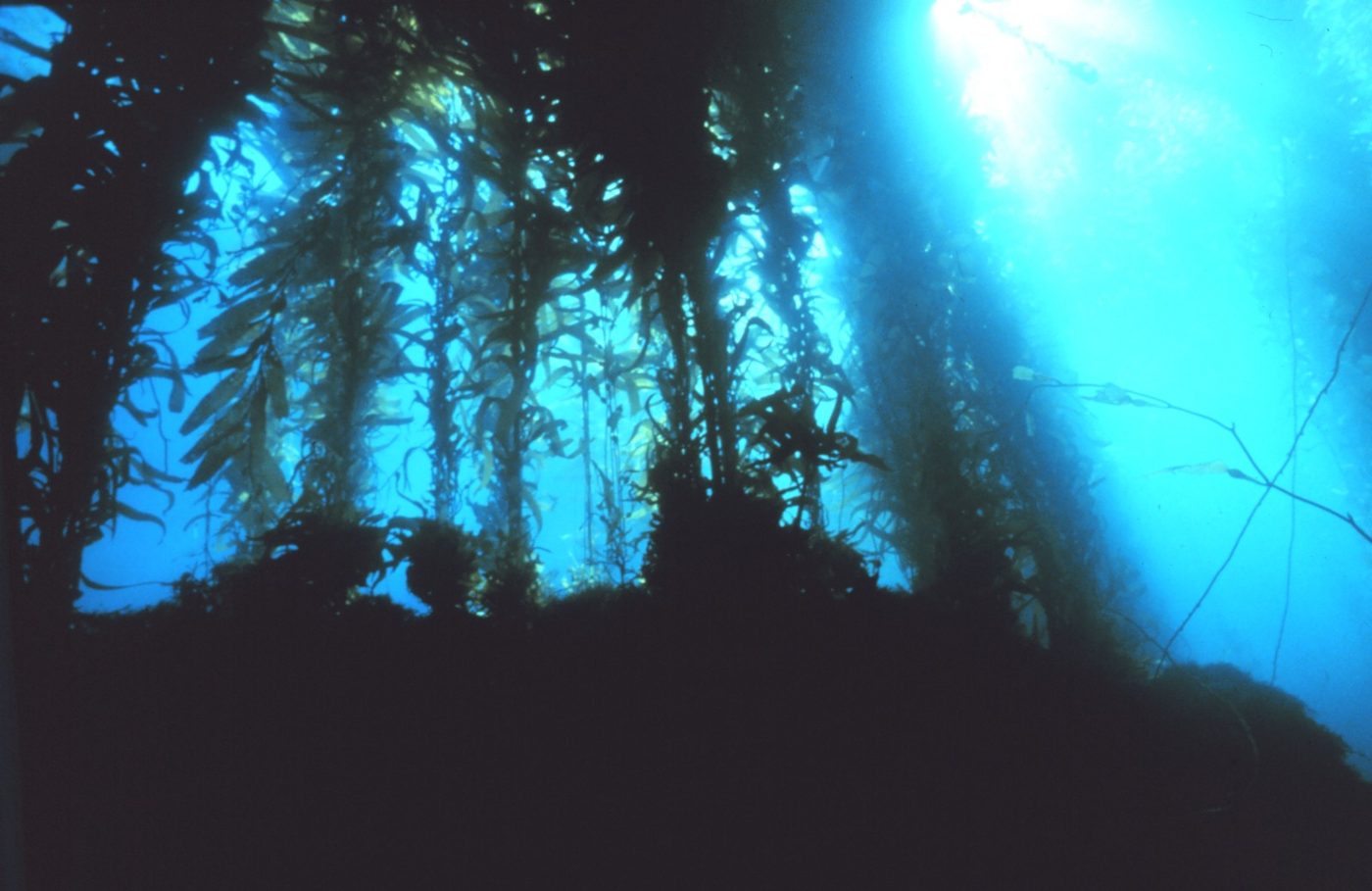
In ideal conditions, kelp can grow up to 18 inches in a single day. Kelp forests provide food and shelter for thousands of species, NOAA says.
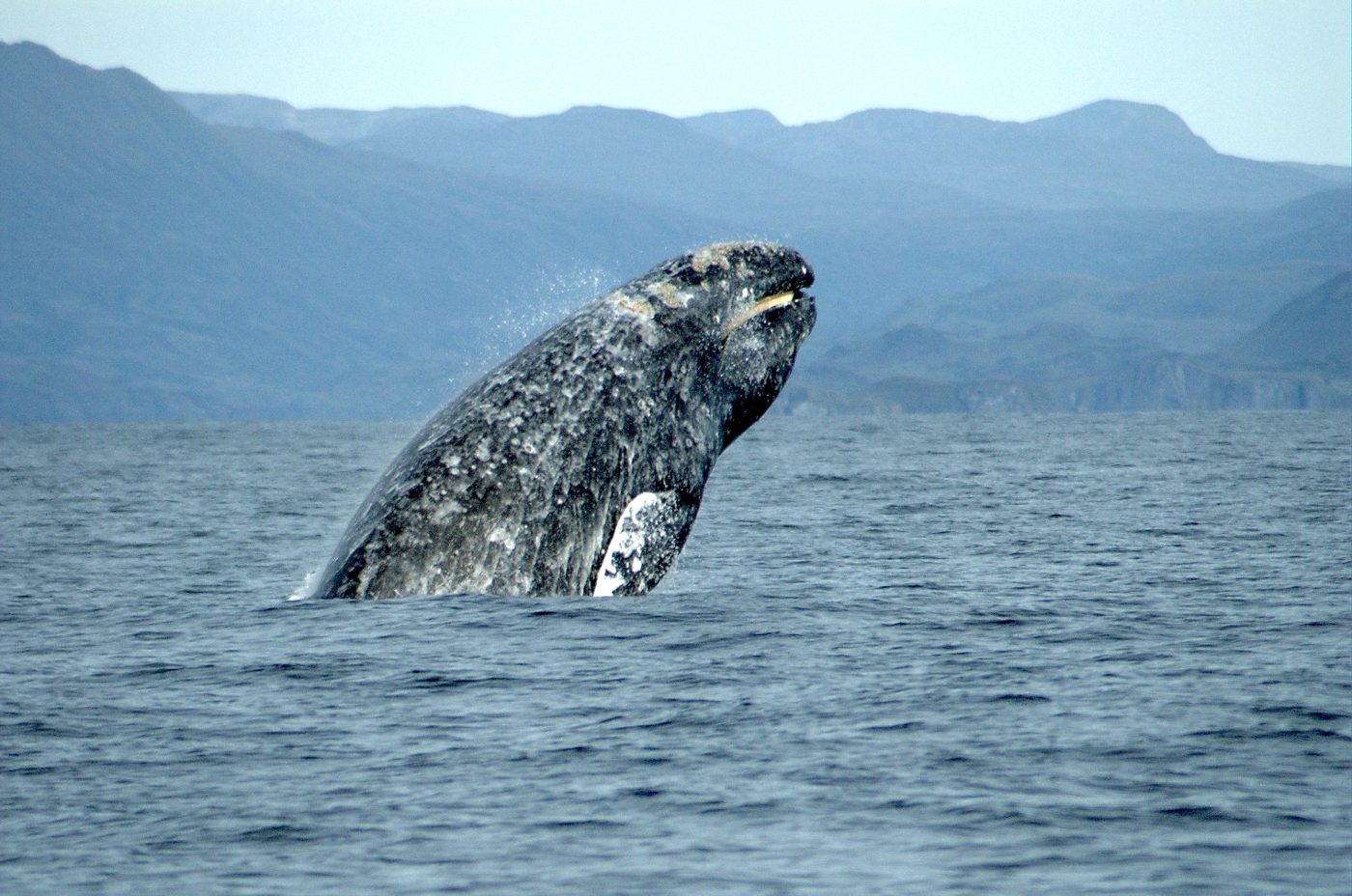
Gray whales travel about 10,000 miles round-trip every year, and some go more than 14,000, one of the longest annual migrations of any mammal, NOAA says.