Nature
A two-toed sloth's fur can turn green. Its hairs have grooves running along their length, and algae grow in them, helping camouflage the sloth in the treetops.
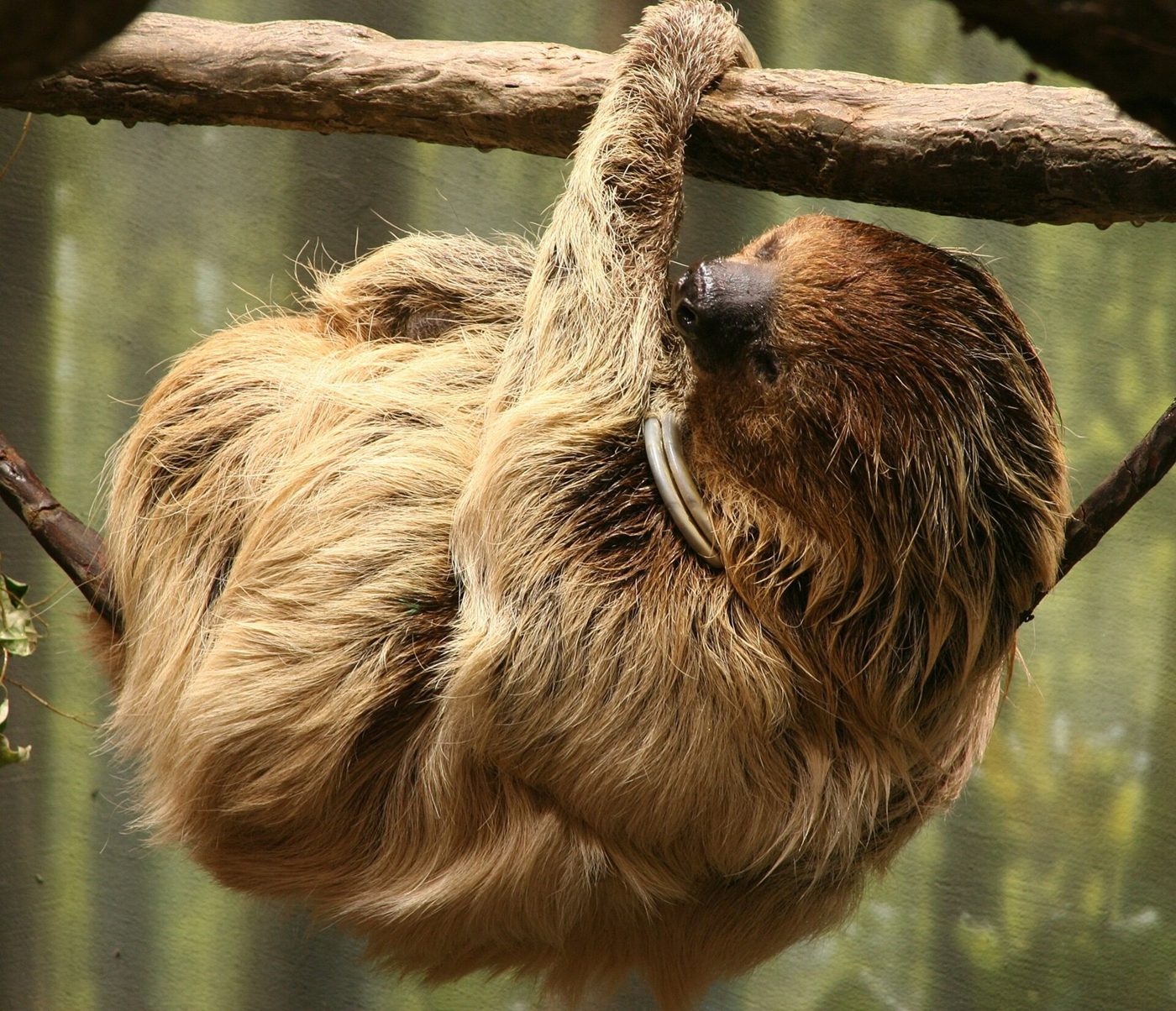 ILLUSTRATION · AI
A two-toed sloth's hair has grooves where algae grow, turning the fur green, the Smithsonian's National Zoo says.
Two-toed sloths have a short, fine undercoat and an overcoat of longer, coarser hairs. In moist conditions those hairs turn green because of algae growing in grooves that run along each strand. A 2010 study in BMC Evolutionary Biology notes that two-toed sloth hair is unique in having a number of deep grooves running the length of each hair.
The greenish tint camouflages sloths in the forest canopy. Their fur also harbors moths, ticks and beetles.
SourcesEvery claim traced
Advertisement
Keep reading
More facts

Nature
In ideal conditions, kelp can grow up to 18 inches in a single day. Kelp forests provide food and shelter for thousands of species, NOAA says.
Verified2 min
Nature
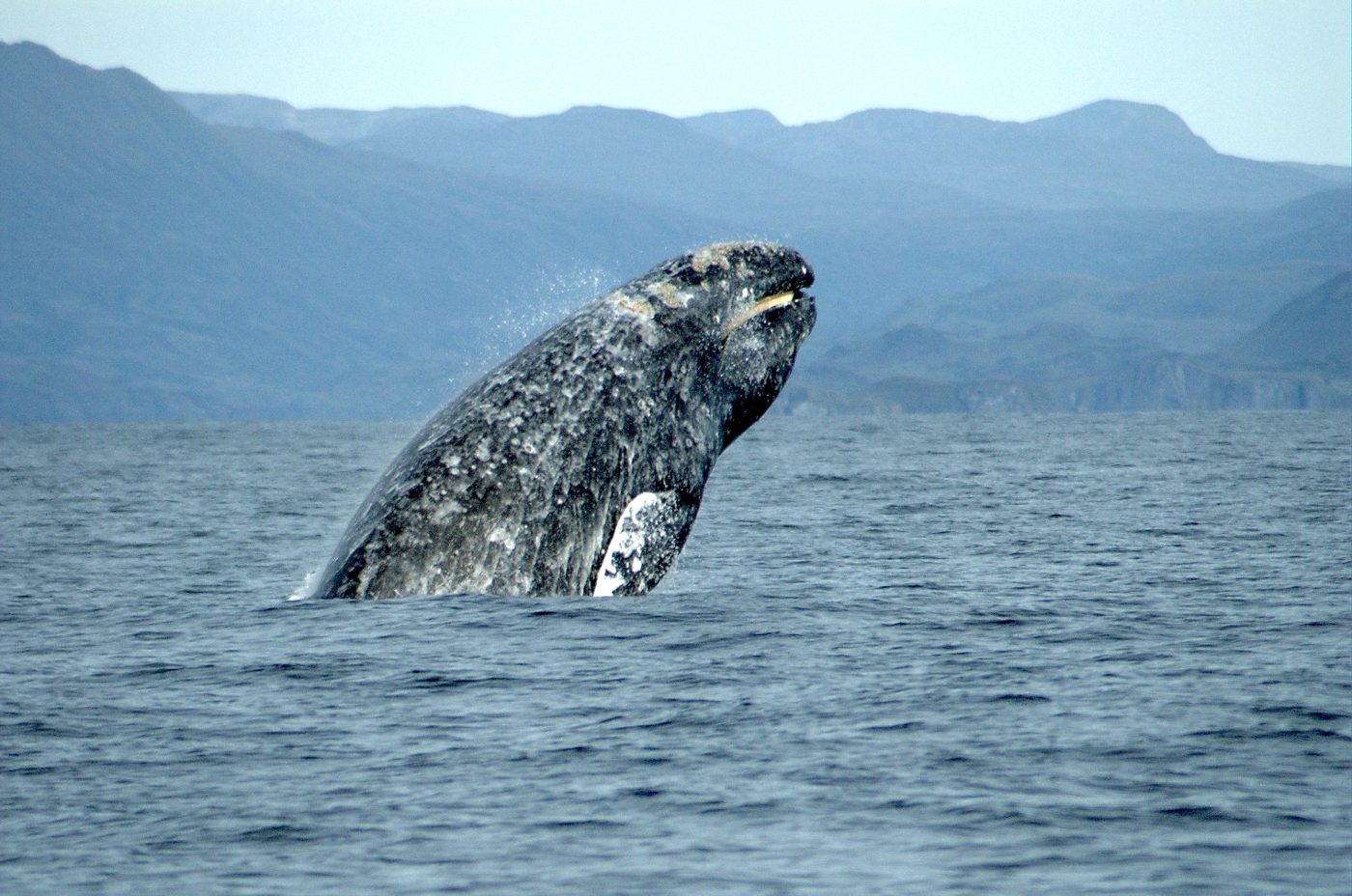
Gray whales travel about 10,000 miles round-trip every year, and some go more than 14,000, one of the longest annual migrations of any mammal, NOAA says.
Verified2 min
Nature
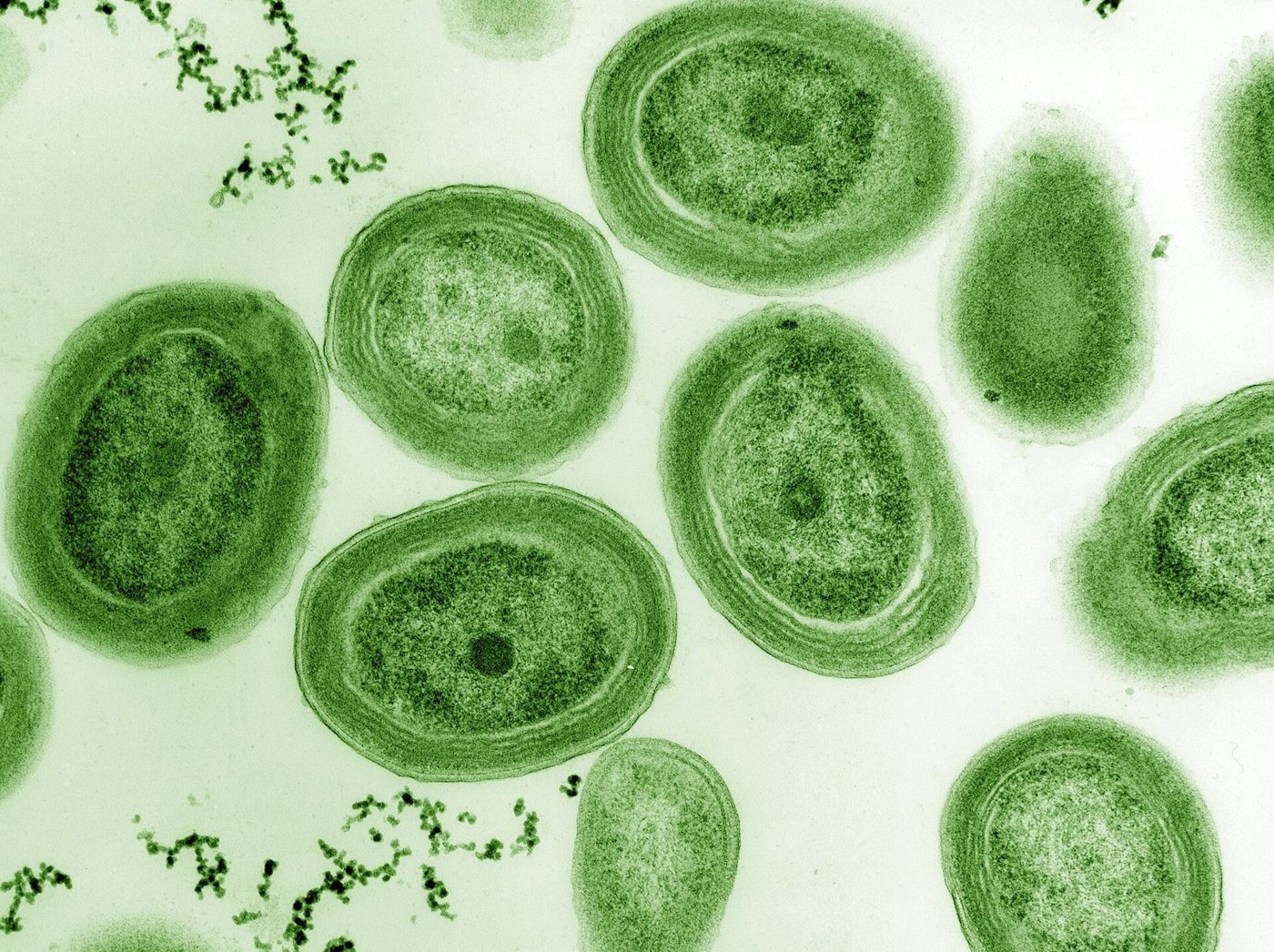
About half of Earth's oxygen production comes from the ocean. Tiny Prochlorococcus bacteria account for up to 20% of global oxygen production, NOAA says.
Verified2 min