A UCLA-Ewha reactor turns unsorted PET, PE and PP trash into hydrogen over 90% pure — and traps most of the carbon so it never reaches the sky.
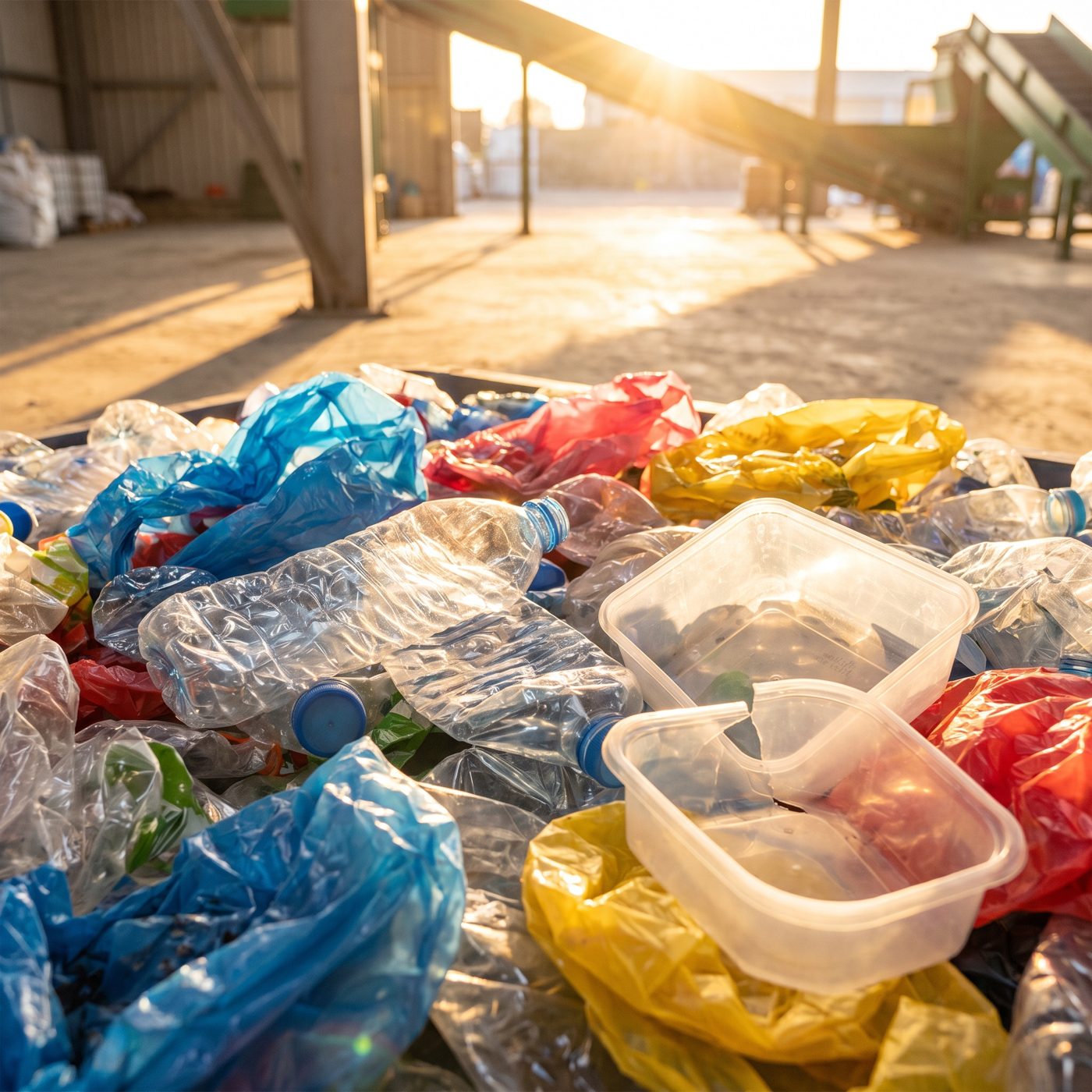 ILLUSTRATION · AI
A chemistry team ran unsorted PET, polyethylene and polypropylene trash through a single hot, alkaline reactor and pulled out hydrogen more than 90% pure while locking most of the plastic's carbon into solids and liquids instead of releasing it as CO2.
Feed the reactor a jumble of soda bottles, grocery bags and yogurt tubs — the exact mix that usually defeats recycling because nobody wants to sort it — and it hands back hydrogen gas at better than 90% purity. That is the headline result from Jieun Park and colleagues at UCLA's Samueli School of Engineering and Ewha Womans University in Seoul, published online in the Proceedings of the National Academy of Sciences on July 6, 2026. And in a twist that separates it from most plastic-to-fuel schemes, more than 75% of the carbon that was in the plastic never reaches the atmosphere at all.
How the reactor turns trash into hydrogen
The trick is a technique the authors call alkaline thermal treatment, or ATT. Instead of the usual industrial route — steam gasification, which blasts plastic with high heat and water and typically vents its carbon as carbon dioxide — Park's group added sodium hydroxide, common lye, to the hot mixture. The hydroxide does double duty. It helps strip hydrogen atoms out of the plastic's molecular chains, and it grabs the freed carbon as it goes, binding it into sodium carbonate, a stable white solid.
That chemistry changes the energy math too. For PET, the polyester in most clear beverage bottles, ATT ran 300 to 400°C cooler than conventional steam gasification, which peaks near 700°C. Doing the same job at a lower temperature matters for anything you'd hope to build at industrial scale, where every degree costs fuel. (The polyethylene and polypropylene in the mix behaved differently and needed their own thermal handling, so that dramatic temperature drop is specifically the PET story, not a blanket figure for the whole batch.)
The carbon accounting is the part worth pausing on. In the team's runs, more than 75% of the plastic's original carbon ended up either as that solid sodium carbonate or as liquid organic residues left behind in the reactor — not as CO2 drifting off into the sky. The authors describe this as inherent carbon storage: the capture isn't a bolt-on scrubber at the end of the line, it's baked into the reaction itself.
Why capturing the carbon is the real point
Hydrogen is already sold as a clean fuel, but most of the world's supply comes from natural gas in a process that emits large amounts of CO2 — so-called gray hydrogen. A method that produces hydrogen while trapping carbon in a bag of powder is aiming at that specific problem, and doing it with feedstock nobody else wants makes the pitch sharper still. Ah-Hyung Alissa Park, one of the senior authors and a longtime carbon-capture researcher, has spent years on exactly this question of where the carbon goes.
The concrete image is almost mundane: at the end of a run, the carbon that would have been greenhouse gas is sitting in the reactor as sodium carbonate — washing soda, the stuff in your laundry aisle — plus a residue of heavier organic liquids.
Which is also where the honest arguing begins. The paper reports a lab-scale demonstration in PNAS, not a working plant. Sodium hydroxide is itself energy-intensive to manufacture, so the full lifecycle carbon balance depends on where the lye comes from. The leftover liquid organic residues still hold some of that carbon in a form that would need further handling or disposal. And "more than 75%" captured means a real fraction still escapes.
None of that erases the result. It sharpens the next question: whether a single reactor that eats dirty, mixed plastic and returns pure hydrogen plus a tidy solid can survive the jump from a UCLA-Ewha benchtop to a facility processing tons a day — and still keep the carbon out of the sky once you count every input.
More facts
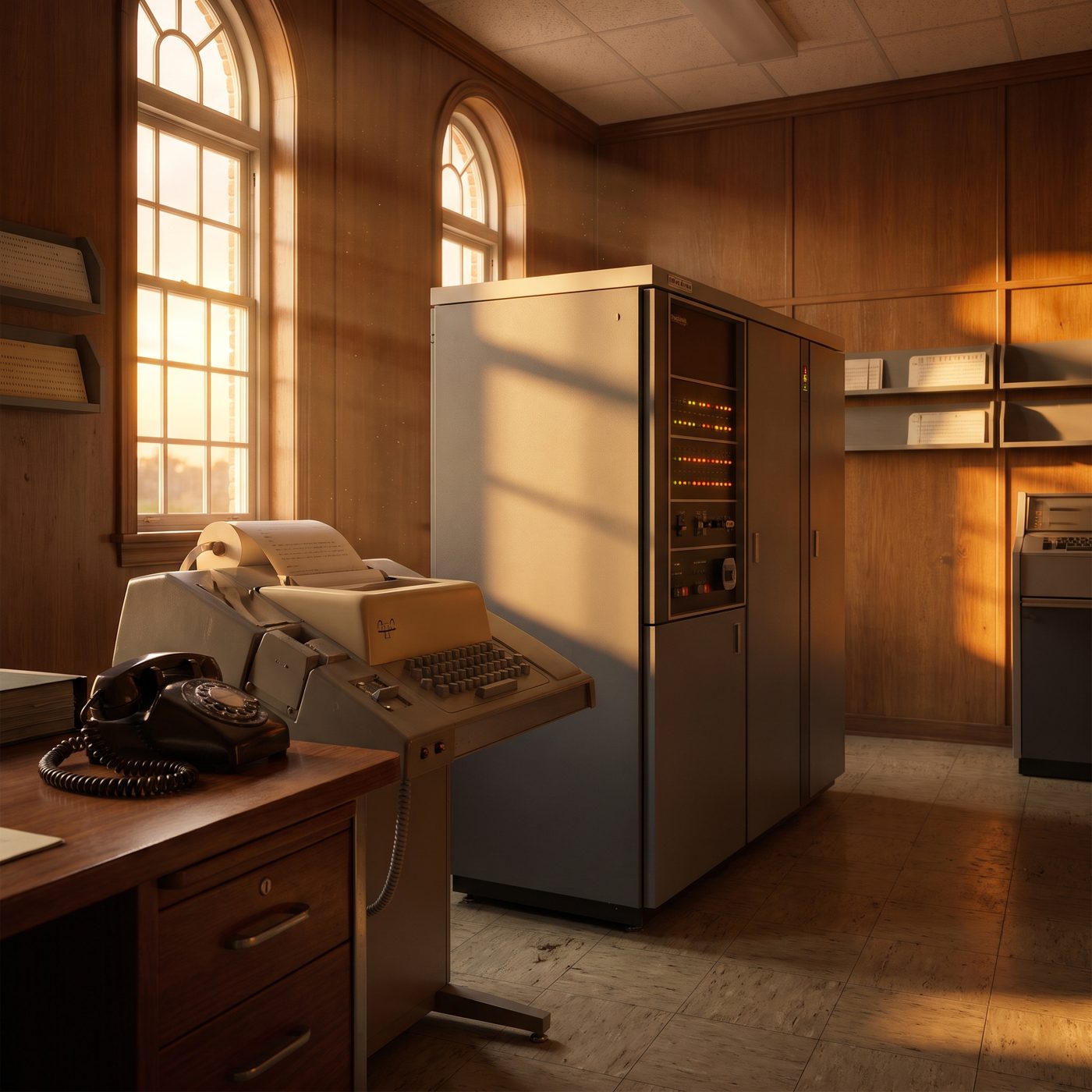
The internet's first message was 'lo' — on October 29, 1969 the receiving computer crashed after just two of the five letters sent.

The first message ever sent over the internet was 'LO' — the system crashed on October 29, 1969 as Charley Kline typed the 'G' in 'LOGIN.'