Bubble Wrap started in 1957 as plastic wallpaper. It failed. The two inventors sealed air between the sheets instead.
 ILLUSTRATION · AI
The cushioning in Bubble Wrap began in 1957 as a failed attempt at three-dimensional plastic wallpaper, with the process later patented as U.S. Patent 3,142,599.
The product millions of people pop for fun was never meant to protect anything. In 1957, two engineers named Alfred Fielding and Marc Chavannes were trying to invent textured plastic wallpaper — a sheet with a three-dimensional surface you could hang in a modern home. They sealed two plastic sheets together, trapping air bubbles between them. As wallpaper, it flopped. As a way to cushion fragile cargo, it became one of the most recognizable products of the twentieth century.
The pivot is documented in the record itself. On November 27, 1959, Marc A. Chavannes filed a patent application — Serial No. 855,712 — titled "Method for Making Laminated Cushioning Material." It was granted on July 28, 1964 as U.S. Patent 3,142,599, with the face of the patent naming Sealed Air Corporation as assignee. You can read those exact dates and the application number on the patent's own front page, now digitized by Google Patents.
How the wallpaper became packaging
The invention hinges on a simple manufacturing idea: emboss one film with a pattern of pockets, then laminate a second flat film over it to seal air inside each pocket. The patent describes the process for making this "laminated cushioning material," and that embossed-and-laminated structure is exactly what you feel when you press a sheet between your fingers. The air isn't just trapped; it's the whole point. Each bubble is a tiny, sealed pneumatic shock absorber, and a full sheet distributes the force of a bump across hundreds of them.
What makes the story more than trivia is the timeline on the paperwork. The application went in on November 27, 1959. Fielding and Chavannes founded Sealed Air Corporation in 1960 — after the filing. That ordering matters: the patent record shows the invention came first, and the company was built around it, not the other way around. Smithsonian Magazine, in its 2018 account "The Accidental Invention of Bubble Wrap," lays out the same sequence — the failed wallpaper, the two inventors, and the 1964 grant of Patent 3,142,599 — confirming that the origin story isn't marketing lore but a matter of public record.
The commercial breakthrough reportedly came when the pair stopped trying to sell texture and started selling protection. The material found its footing when technology shipping took off and companies needed something lightweight to keep delicate electronics intact in transit. A product designed for walls ended up wrapping almost everything else.
Why the "wallpaper" origin still gets argued
Here's where the clean story frays a little. The 1957 wallpaper attempt is well attested — Smithsonian and other accounts agree on it — but the patent you can actually hold in your hand, 3,142,599, is the one for *cushioning material*, filed in 1959 and squarely about packaging. The famous wallpaper prototype doesn't appear on that patent's face at all. So the invention everyone cites as "the Bubble Wrap patent" is, strictly speaking, the pivot, not the mistake.
There's also a naming wrinkle worth flagging for anyone who goes digging. Because Sealed Air didn't exist until 1960, the patent lists the company as assignee for an application filed before the company was founded — a normal bit of patent housekeeping once the business was organized, but enough to trip up a casual reader expecting the dates to line up neatly.
And "Bubble Wrap" itself is a Sealed Air trademark, which is why careful writers reach for "bubble wrap" as a generic term the way people say "escalator" or "aspirin," words that began as brands. The sealed air between two sheets of plastic is real, patented, and dated. What's left to argue over is where the clever accident ends and the deliberate product begins — and whether a thing invented by failing counts, in the end, as a failure at all.
More facts
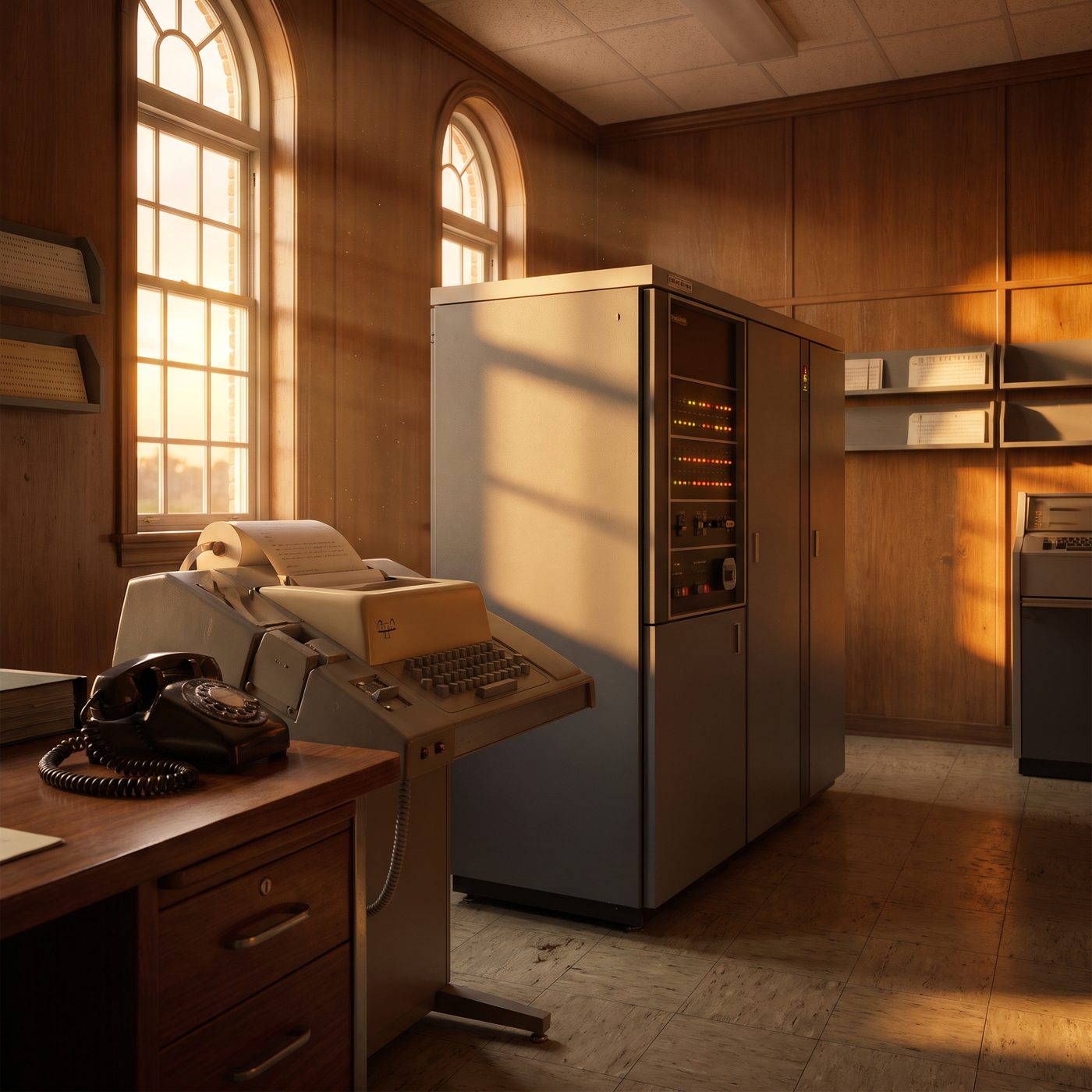
The internet's first message was 'lo' — on October 29, 1969 the receiving computer crashed after just two of the five letters sent.

The first message ever sent over the internet was 'LO' — the system crashed on October 29, 1969 as Charley Kline typed the 'G' in 'LOGIN.'