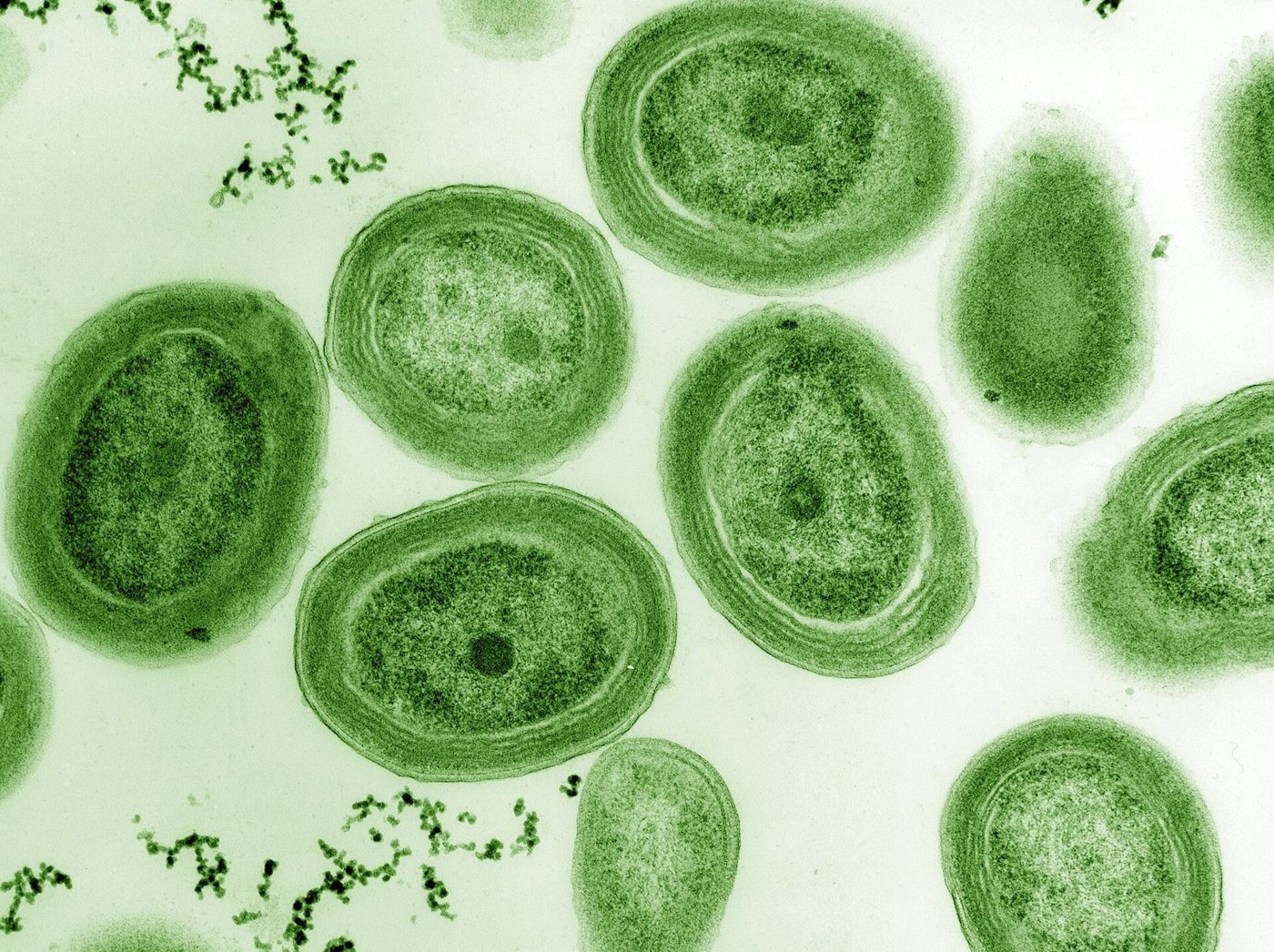
Off Monterey Bay, researchers counted 350,000 sea animals from the surface to 4,000 meters. 76% of them can make their own light.
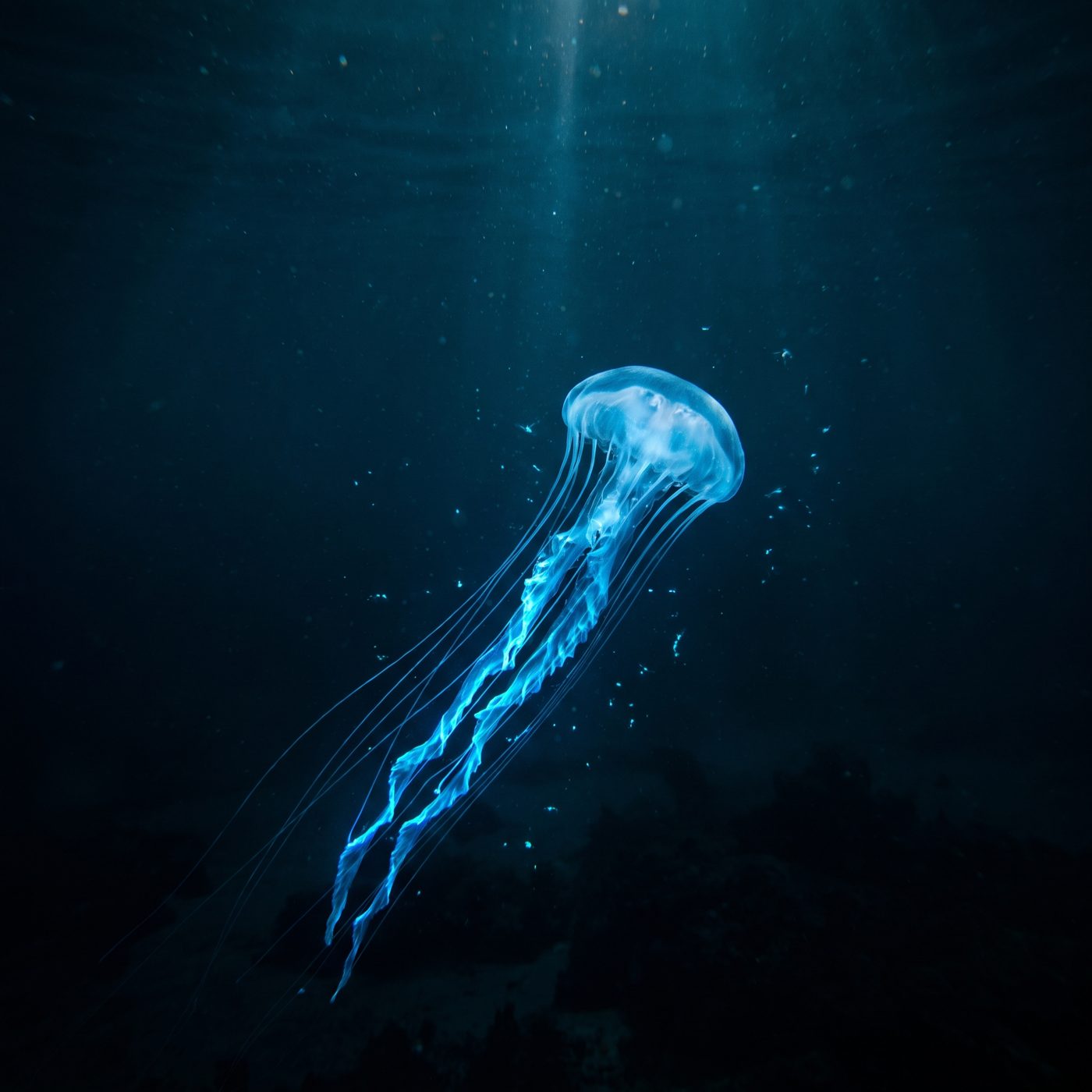 ILLUSTRATION · AI
A 17-year video survey of Monterey Bay found that 76% of the roughly 350,000 sea animals counted, from the surface down to 4,000 meters, belong to groups known to make their own light.
In the ocean off central California, glowing is not a rare trick. It is the rule. When Séverine Martini and Steven Haddock of the Monterey Bay Aquarium Research Institute (MBARI) tallied more than 350,000 individual animals recorded on remotely operated vehicle dives, they found that 76% of them came from groups capable of producing their own light. Their results, published in *Scientific Reports* in 2017 under the title "Quantification of bioluminescence from the surface to the deep sea demonstrates its predominance as an ecological trait," turned a long-standing hunch into a number.
How they counted the glow
The dataset came from 17 years of dives by MBARI's ROVs, which carry high-definition cameras thousands of meters down into water no sunlight ever reaches. From that footage, Martini and Haddock classified more than 350,000 observations spread across 553 taxa, sampling the whole water column from the surface to about 4,000 meters.
Here is the crucial detail about method. They did not count animals actually caught glowing on camera. Bioluminescence in the wild is faint, brief, and notoriously hard to film against the bright lights an ROV needs to see anything at all. Instead, the researchers matched each animal to what science already knows about its group. If a jelly or a fish or a crustacean belonged to a lineage documented to make light, it was scored as capable. So the 76% is an inferred capability, drawn from taxonomy and the published literature, not a direct census of flashes in the dark.
That distinction matters, and the authors were careful about it. They ran the numbers under different assumptions for the animals whose light-making status was uncertain. The 76% figure reflects the case where those unknowns are treated as luminous—consistent with how their close relatives behave. Even under more conservative bookkeeping, the fraction stayed high enough that bioluminescence looks less like a specialty and more like a default setting for ocean life.
Why so many animals make light
What surprised the team was not that the deep sea glows—that has been known since William Beebe peered out of his bathysphere in the 1930s—but how steady the proportion stayed with depth. You might expect glowing animals to cluster in the perpetual dark below the sunlit zone. Instead, roughly three-quarters of individuals were luminous across the whole range, from near the surface down to 4,000 meters. The players changed with depth—jellies and comb jellies dominated the light-making count in shallower water, while worms and small crustaceans carried it deeper—but the overall share barely budged.
That consistency is the real headline. It suggests light-making is not a niche adaptation but a broadly useful tool, deployed by wildly different lineages for wildly different reasons: to lure prey, to startle predators, to find mates, to vanish by matching the faint glow filtering down from above. When Science's AAAS news team wrote up the study in 2017, they framed it plainly—more than 75% of surveyed sea animals glow in the dark—and MBARI's own announcement made the same point: three-quarters of deep-sea animals make their own light.
The vivid part is imagining what the ROV cameras could not capture. In Monterey's dark midwater, a startled siphonophore can send a rippling blue pulse down a body meters long; a disturbed crustacean can eject a glowing cloud and slip away behind it. The survey counted these animals by daylight logic, in bright artificial light, precisely because their real signals are too subtle to photograph.
Which leaves the honest seam. The 76% is the best available estimate, not a filmed fact, and it hangs on how we classify the uncertain cases and on one patch of ocean off California. Whether that number holds across other seas—the Atlantic, the tropics, the poles—is still open. What Martini and Haddock established is narrower and stranger: in the water they watched, making light is the ordinary way to be alive.
- Tier 2 · Secondary2017
More facts
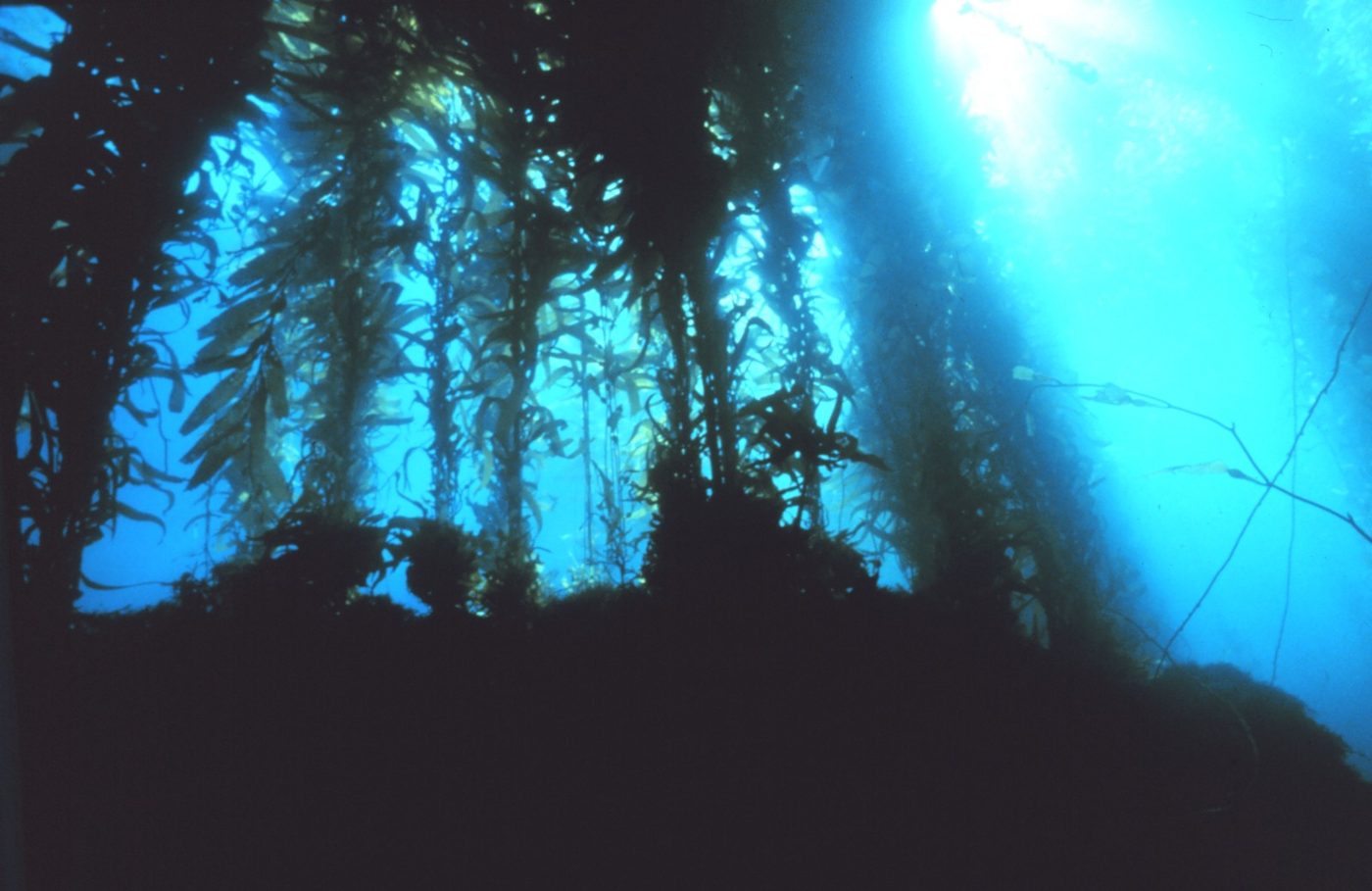
In ideal conditions, kelp can grow up to 18 inches in a single day. Kelp forests provide food and shelter for thousands of species, NOAA says.
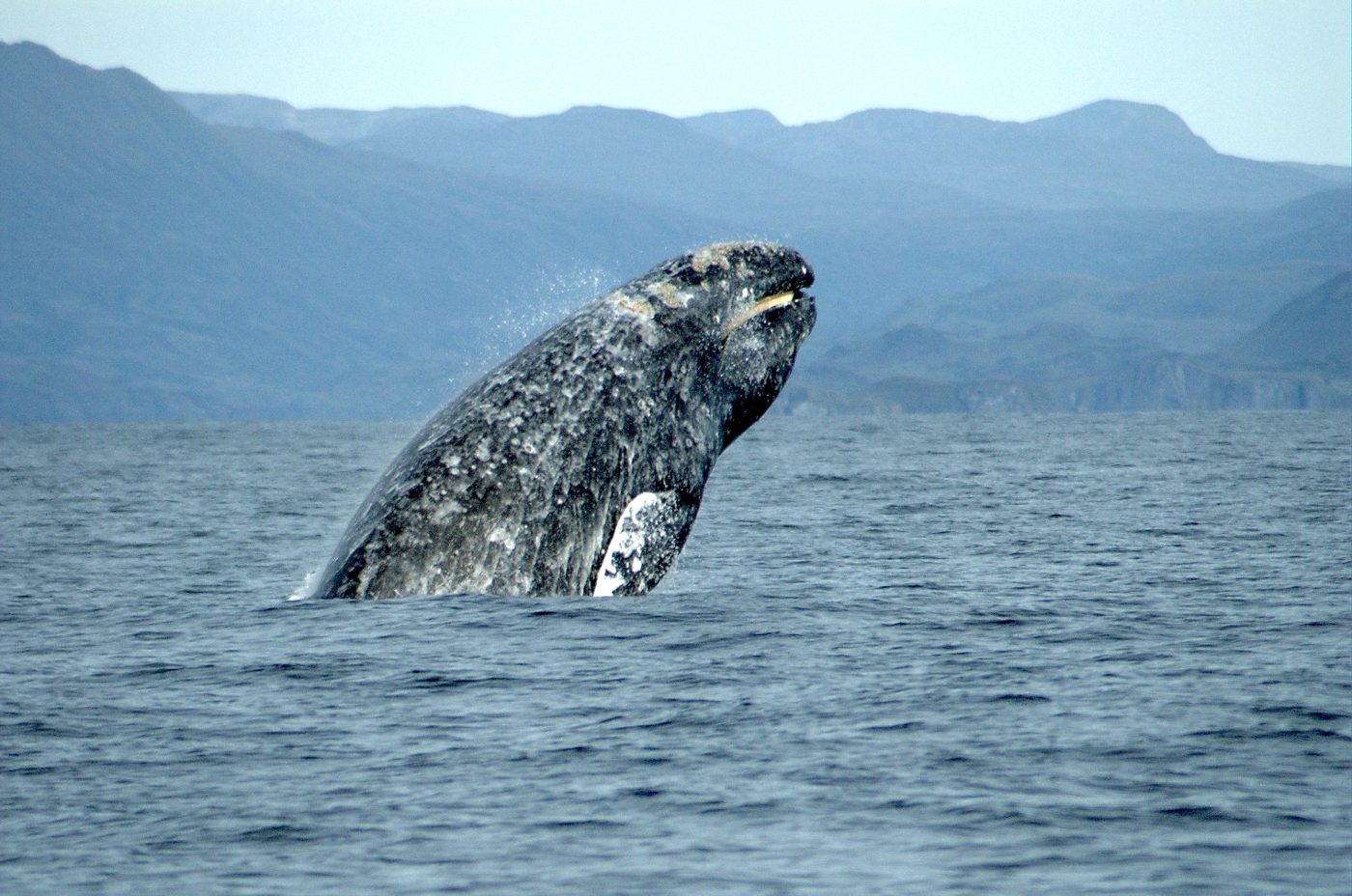
Gray whales travel about 10,000 miles round-trip every year, and some go more than 14,000, one of the longest annual migrations of any mammal, NOAA says.