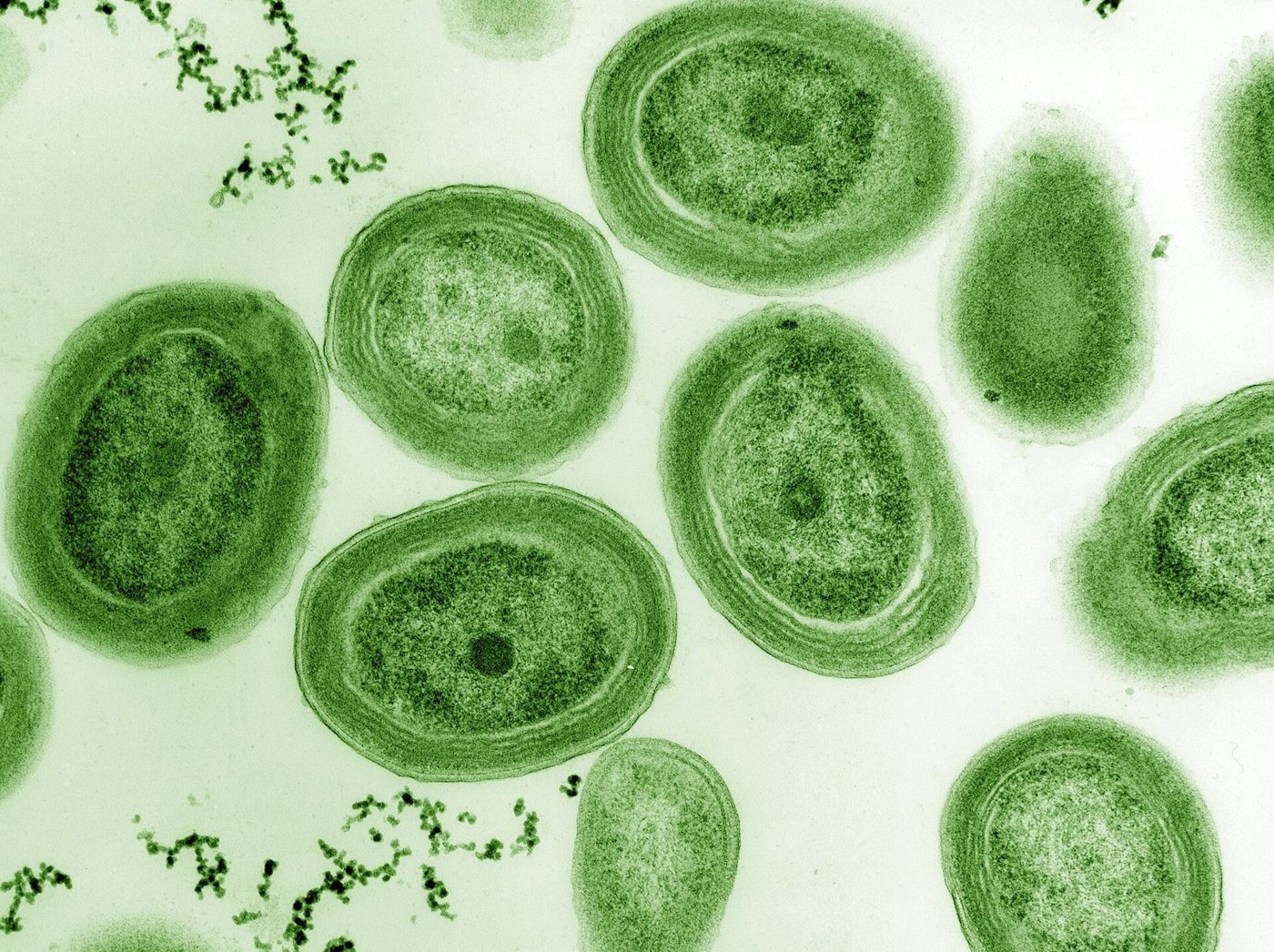
Sharks were hunting Earth's oceans 450 million years ago — 65 million years before the planet grew its first tree.
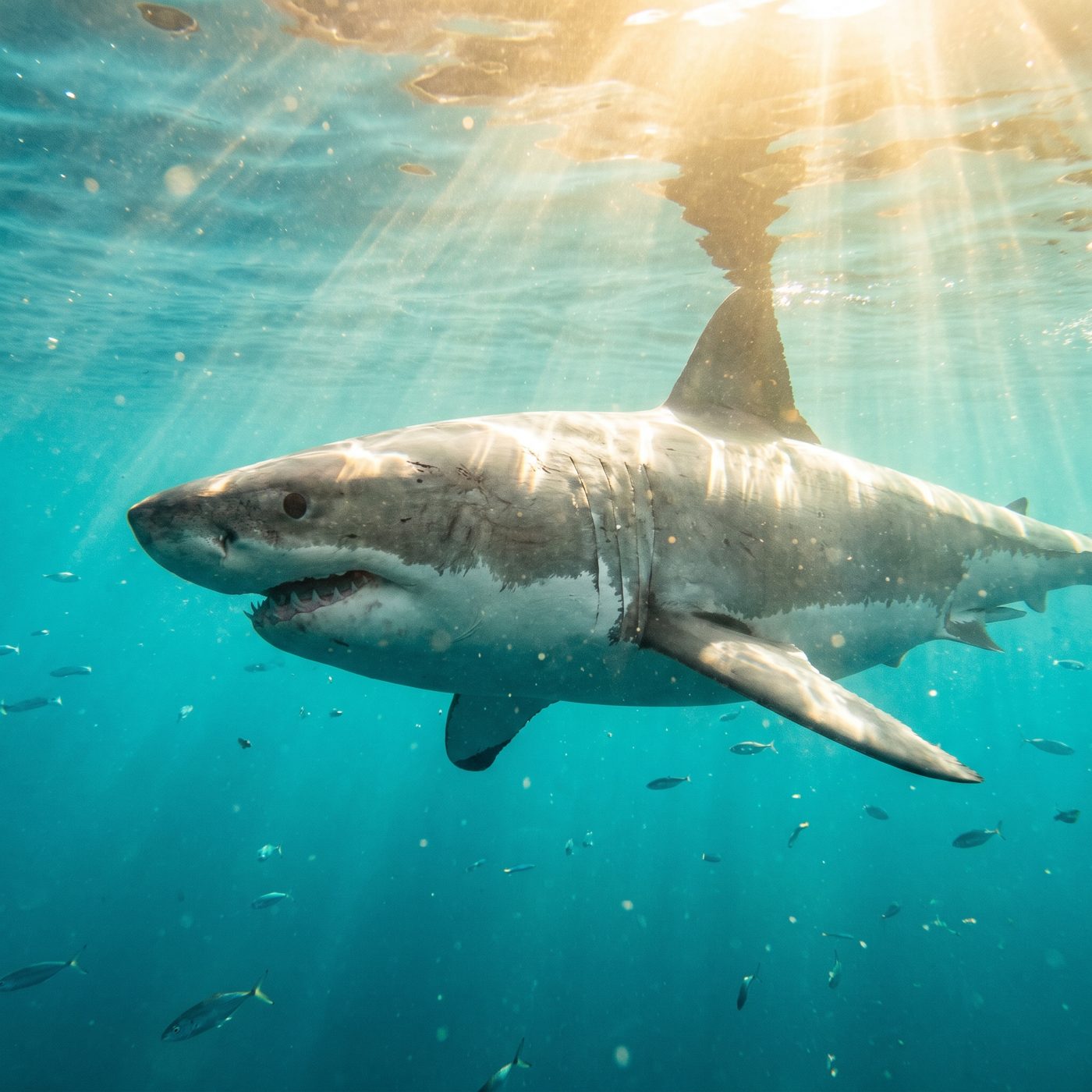 ILLUSTRATION · AI
Shark-like fossils go back about 450 million years, while the oldest known tree, Wattieza, took root roughly 385 million years ago — meaning sharks predate trees by some 65 million years.
Sharks are older than trees. Not by a little, either: the earliest shark-like scales in the fossil record date to around 450 million years ago, while the oldest tree we can name, *Wattieza*, was still 65 million years from sprouting. When the first recognizable sharks were already patrolling ancient seas, dry land had no forests, no leaf litter, no wood — nothing that would look like a tree to a modern eye.
How we know sharks came first
The shark side of the timeline comes from the Natural History Museum in London, where Emma Bernard, curator of fossil fish, lays out a 450-million-year evolutionary sequence. The very earliest evidence isn't teeth or jaws — it's scales. Tiny, tooth-like structures called denticles, the same kind that still give a shark's skin its sandpaper texture, turn up in rocks from the Ordovician period. Sharks are cartilaginous, so their skeletons rarely fossilize well; their hard scales and, later, their teeth are what survive. Those scattered denticles are the first whisper of the lineage.
It's worth being precise about what "450 million years" describes. It doesn't mean a great white was cruising the Ordovician. It means the shark family tree — the chondrichthyan line that leads to today's sharks and rays — had already begun. The recognizable, fast-swimming predators came later. But the branch was there, hundreds of millions of years before anything with roots.
The tree side of the ledger was settled far more recently. In 2007, William Stein, Frank Mannolini, Linda Hernick, Ed Landing, and Christopher Berry published a paper in *Nature* titled "Giant cladoxylopsid trees resolve the enigma of the Earth's earliest forest stumps at Gilboa." For more than a century, geologists had known about mysterious fossil stumps near Gilboa, New York — the so-called "Gilboa stumps," exposed in the 1920s. What the trees on top of those stumps actually looked like stayed a puzzle until Stein's team matched a crown and trunk to the roots.
The answer was *Wattieza*, a tree from the Middle Devonian, about 385 million years ago. It grew perhaps 8 meters tall, with a slender trunk crowned by frond-like branches rather than true leaves, and it reproduced with spores instead of seeds. It is the earliest tree we can actually reconstruct — a real organism with a shape, not just a fragment. Set its 385-million-year date against the sharks' 450, and the gap is roughly 65 million years. For context, that's about the same stretch of time that separates us from the last non-avian dinosaurs.
Why the comparison holds up
Some readers push back, and reasonably so, because the comparison depends on definitions. What counts as a "shark"? What counts as a "tree"? If you demand a modern shark with a full jaw, the head start shrinks. If you count any tall woody plant, you might argue for earlier candidates than *Wattieza* — there were vascular plants on land well before the Devonian, some of them sizable. The claim survives because it uses the same standard on both sides: the earliest identifiable members of each lineage. By that measure, the shark branch is older.
The vivid part is imagining the world in between. For those 65 million years, sharks had oceans full of prey and continents that were essentially bare rock and low green mats. There was no timber on Earth, no shade, no canopy — but there were already predators with denticled skin gliding through the water.
That's the seam still open to argue about: where you draw the line between "shark-like" and "shark," and between "plant" and "tree," changes the number. But move the goalposts however you like within the fossil record, and the ocean's oldest hunters still got there first.
- Tier 3 · Lead
More facts
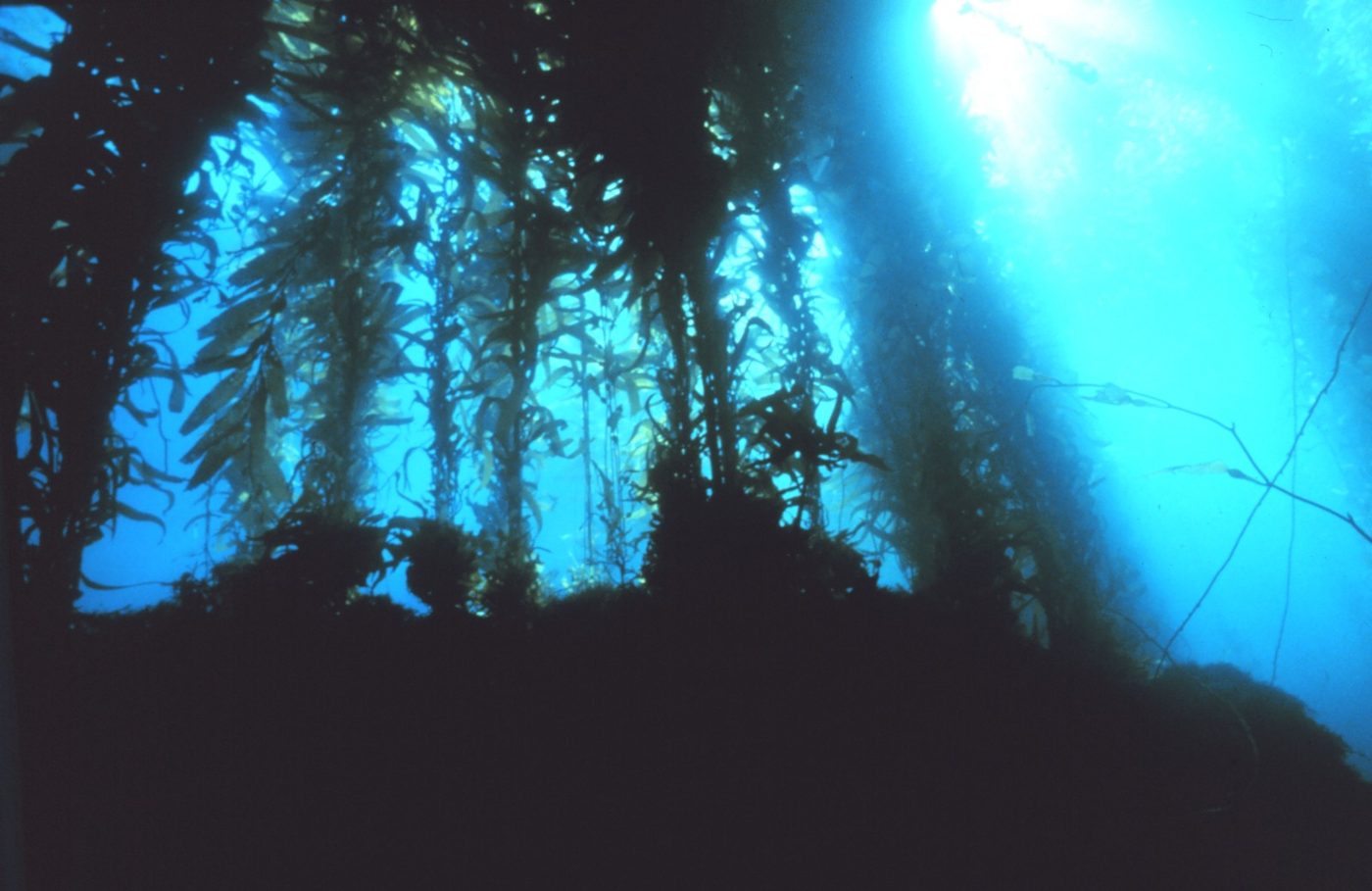
In ideal conditions, kelp can grow up to 18 inches in a single day. Kelp forests provide food and shelter for thousands of species, NOAA says.
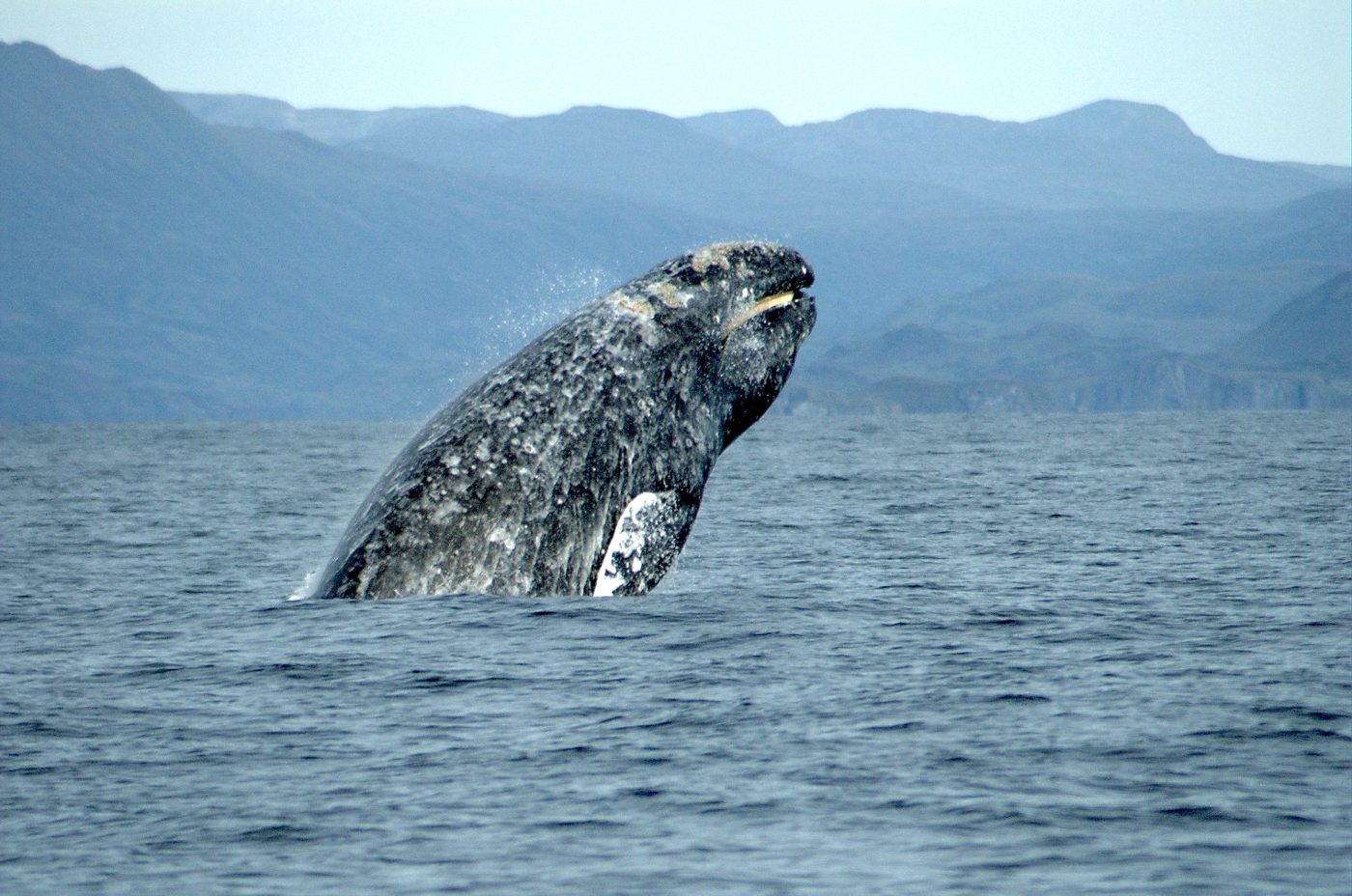
Gray whales travel about 10,000 miles round-trip every year, and some go more than 14,000, one of the longest annual migrations of any mammal, NOAA says.