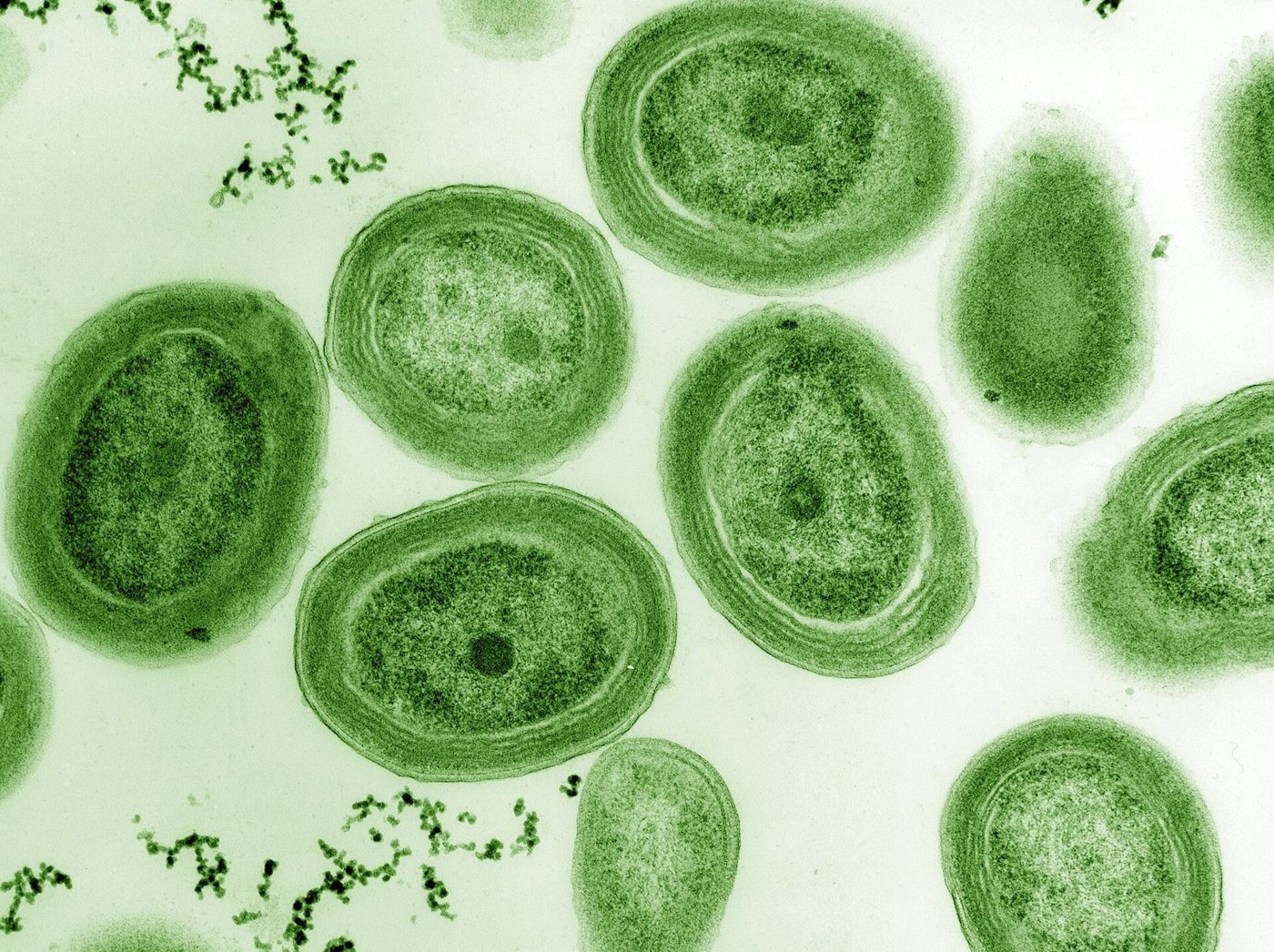
The glowing bacteria in an anglerfish's lure have genomes about 50% smaller than their free-living relatives, and they have lost most of their amino-acid-making genes.
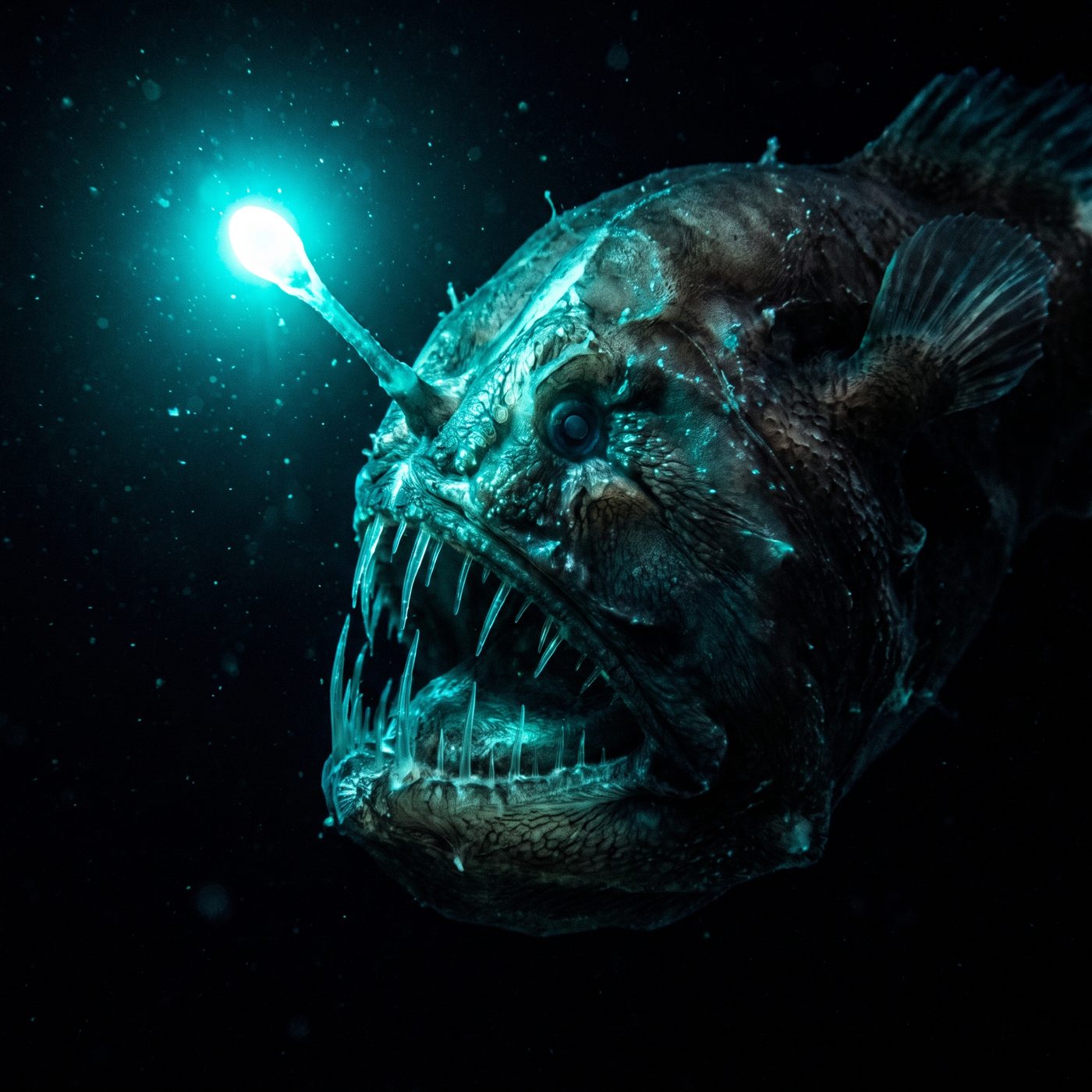 ILLUSTRATION · AI
The luminous bacteria that light an anglerfish's lure have genomes about 50% smaller than their free-living relatives, with most of their genes for making amino acids gone.
The glowing lure of a deep-sea anglerfish is lit by bacteria, not by the fish. In 2018, Tory Hendry and colleagues published a study in the journal mBio after sequencing these bacterial partners from ceratioid anglerfishes collected in the Gulf of Mexico.
According to Cornell University's report on the work, the bacteria's genomes are 50 percent reduced compared with their free-swimming relatives. They have lost most of the genes associated with making amino acids and with breaking down nutrients other than glucose, which suggests the fish may be supplying them with nutrients and amino acids.
Still changing
The reduction is not finished. The bacteria carry large numbers of pseudogenes, remnants of the original genome that are no longer functional, and both species studied had the largest number of transposons, mobile pieces of DNA, ever reported in a bacterial genome at the time of the 2018 study.
"The bacteria are still losing genes, and it's unclear why," the researchers said. The partnership has reshaped the bacteria, and the process is still under way.
More facts
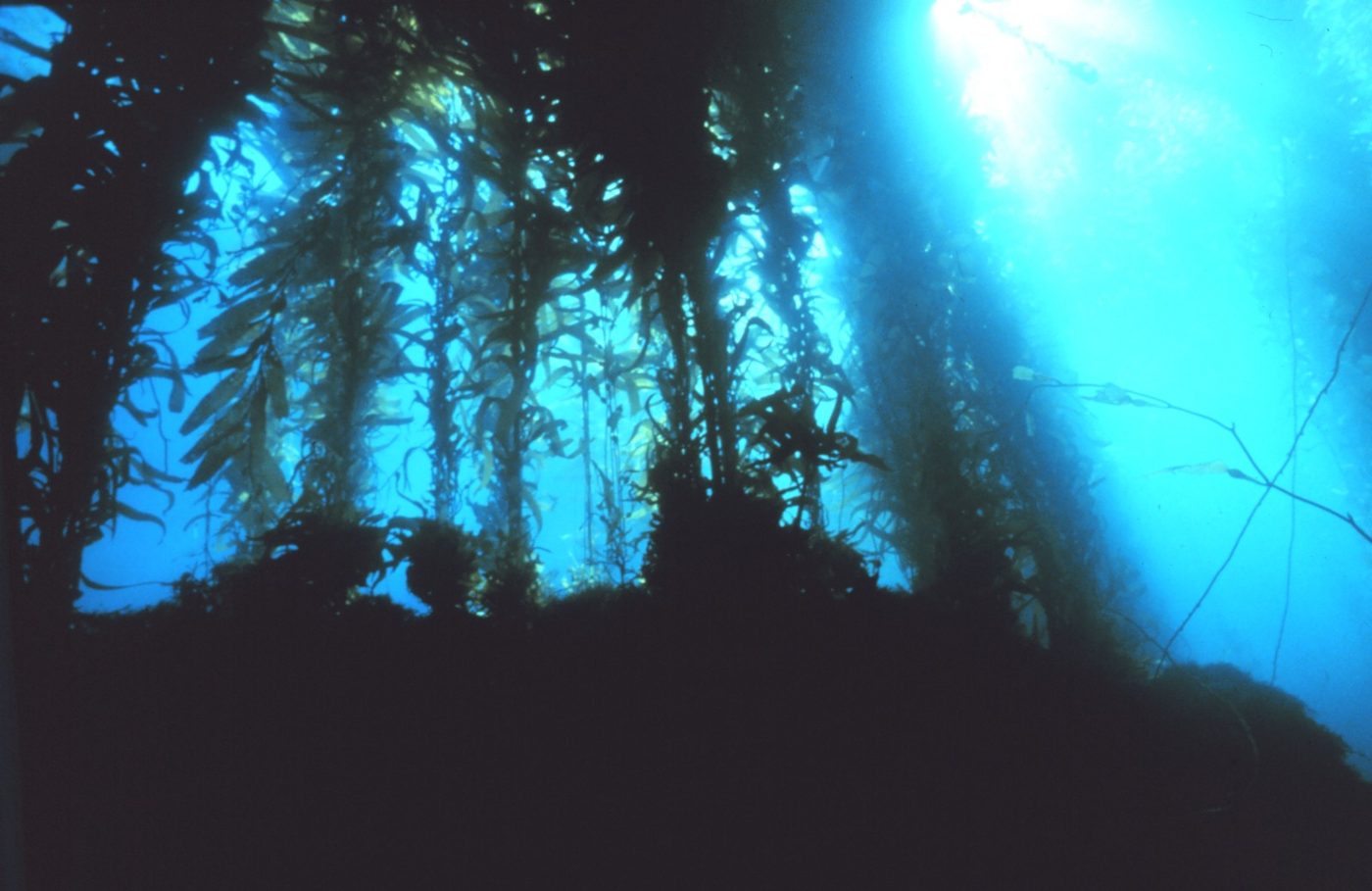
In ideal conditions, kelp can grow up to 18 inches in a single day. Kelp forests provide food and shelter for thousands of species, NOAA says.
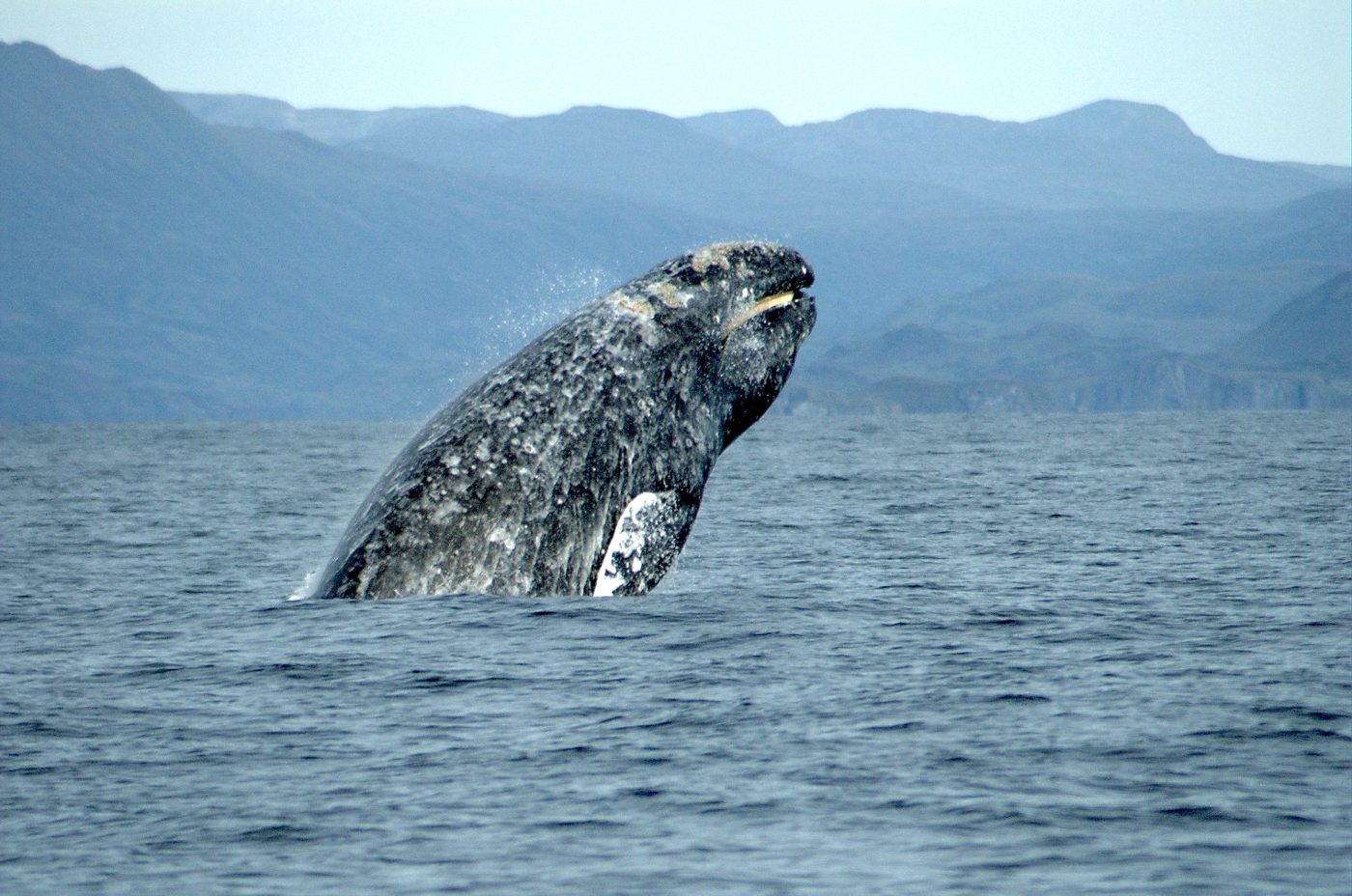
Gray whales travel about 10,000 miles round-trip every year, and some go more than 14,000, one of the longest annual migrations of any mammal, NOAA says.