Two male orcas, Port and Starboard, killed five great white sharks off South Africa in 2017 — and ate only the livers.
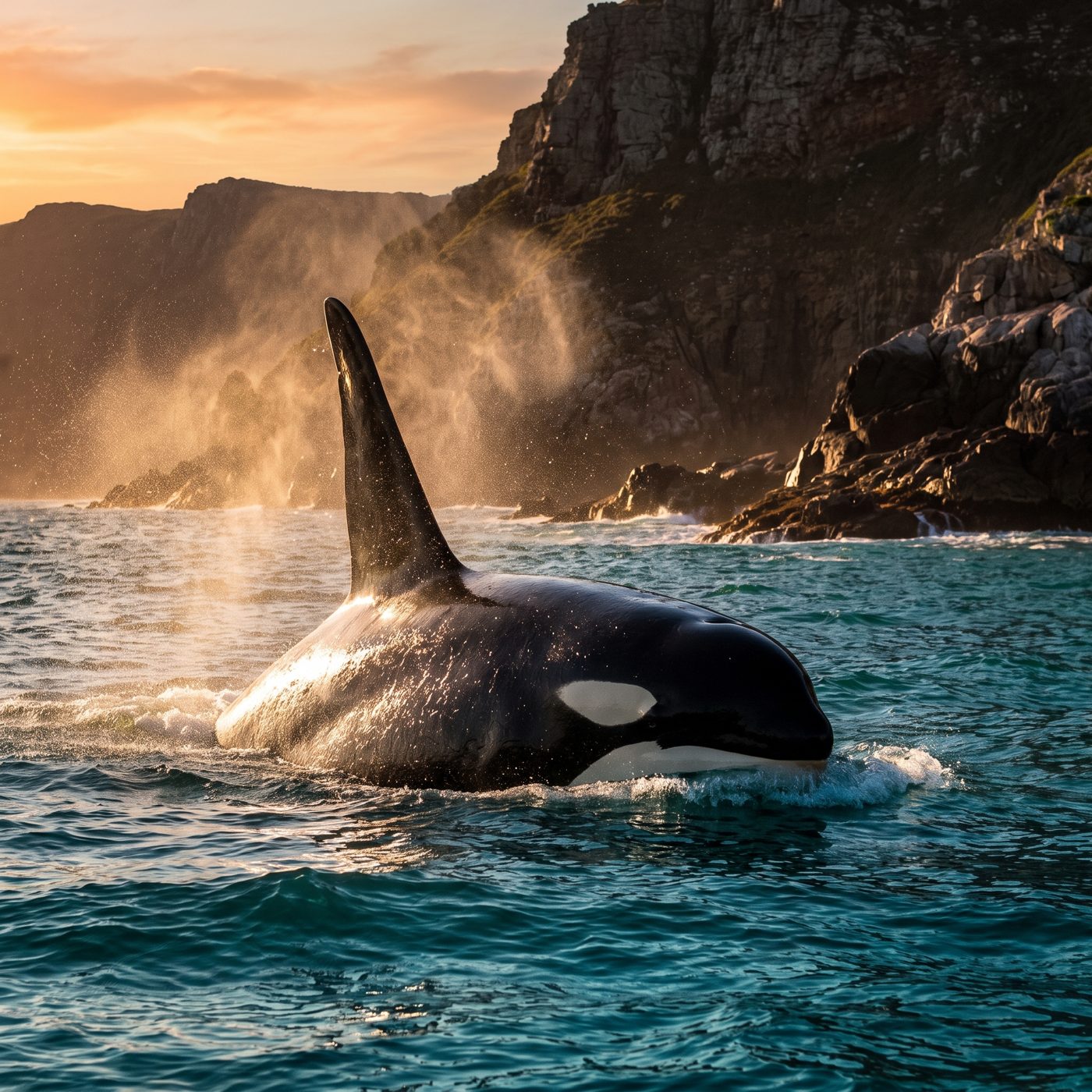 ILLUSTRATION · AI
In 2017, two male orcas named Port and Starboard killed at least five great white sharks off Gansbaai, South Africa, and fed almost exclusively on their livers.
The bodies started arriving in February 2017 and kept coming through June — five great white sharks, some of them more than 15 feet long, washed ashore near Gansbaai on South Africa's southern coast. They had not been shot or netted. Each one had been opened along the underside with surgical precision, and something specific had been taken. Four were missing their livers. One was missing its heart. The rest of the animal was left largely intact.
The predators responsible were not sharks or people. They were two male orcas, nicknamed Port and Starboard for the way their dorsal fins collapse to opposite sides.
How researchers knew it was orcas
The link is not a guess. A team led by Alison Towner, a white shark biologist then at the Dyer Island Conservation Trust, documented the strandings and published the analysis in the African Journal of Marine Science, work that drew coverage from CNN and The Washington Post in 2022. The carcasses carried the evidence in the wounds themselves: tearing consistent with orca teeth, gaping incisions near the pectoral fins, and — in the surviving record of sightings — the two distinctive killer whales seen in the area around the time the bodies appeared.
Mongabay, reporting on the broader mystery in 2020, described the same pattern: five carcasses around Gansbaai, only the livers removed, and bite marks pointing to Port and Starboard specifically. The two whales had become recognizable to local researchers, which is part of why the case could be pinned to individuals at all rather than to orcas in general.
Why they eat only the liver
A great white's liver is enormous — it can make up a substantial share of the animal's body weight — and it is dense with lipids called squalene, which sharks use for buoyancy and energy storage. For an orca, that organ is a concentrated meal of fat, the most calorie-rich part of the shark by a wide margin. Taking the liver and leaving the muscle is not sloppy eating; it is a targeted harvest of the best part.
The technique on display is striking. Rather than tearing the shark apart, the orcas appear to make a precise opening and extract the liver with comparatively little damage to the surrounding body — which is exactly why the strandings looked so eerily clean to the people who found them.
The one carcass missing its heart rather than its liver is the odd detail that keeps the case honest. It suggests the feeding is not a single rigid ritual but a repeated behavior with variation, carried out by animals making choices.
What changed on the coast
The consequences went beyond five dead sharks. Great whites, which had been a reliable presence off Gansbaai — a hub for cage-diving tourism — began vanishing from the area for long stretches after the orca predation intensified. Towner's team argued that the sharks were fleeing, abandoning a place that had been one of the most dependable spots on Earth to see them. That is a large-scale shift in the behavior of an apex predator, driven by a smaller number of an even higher predator.
What remains open is how far this ripples out. The white shark is not the top of its food chain the way it was long assumed to be, and researchers are still tracking where the displaced sharks go, whether their absence lets seal and smaller-predator populations rebound, and whether Port and Starboard represent a rare pair or the leading edge of a learned hunting culture that could spread. The five carcasses at Gansbaai answered one question — orcas hunt great whites, and prize their livers — and pried open several larger ones that are still being argued over.
More facts
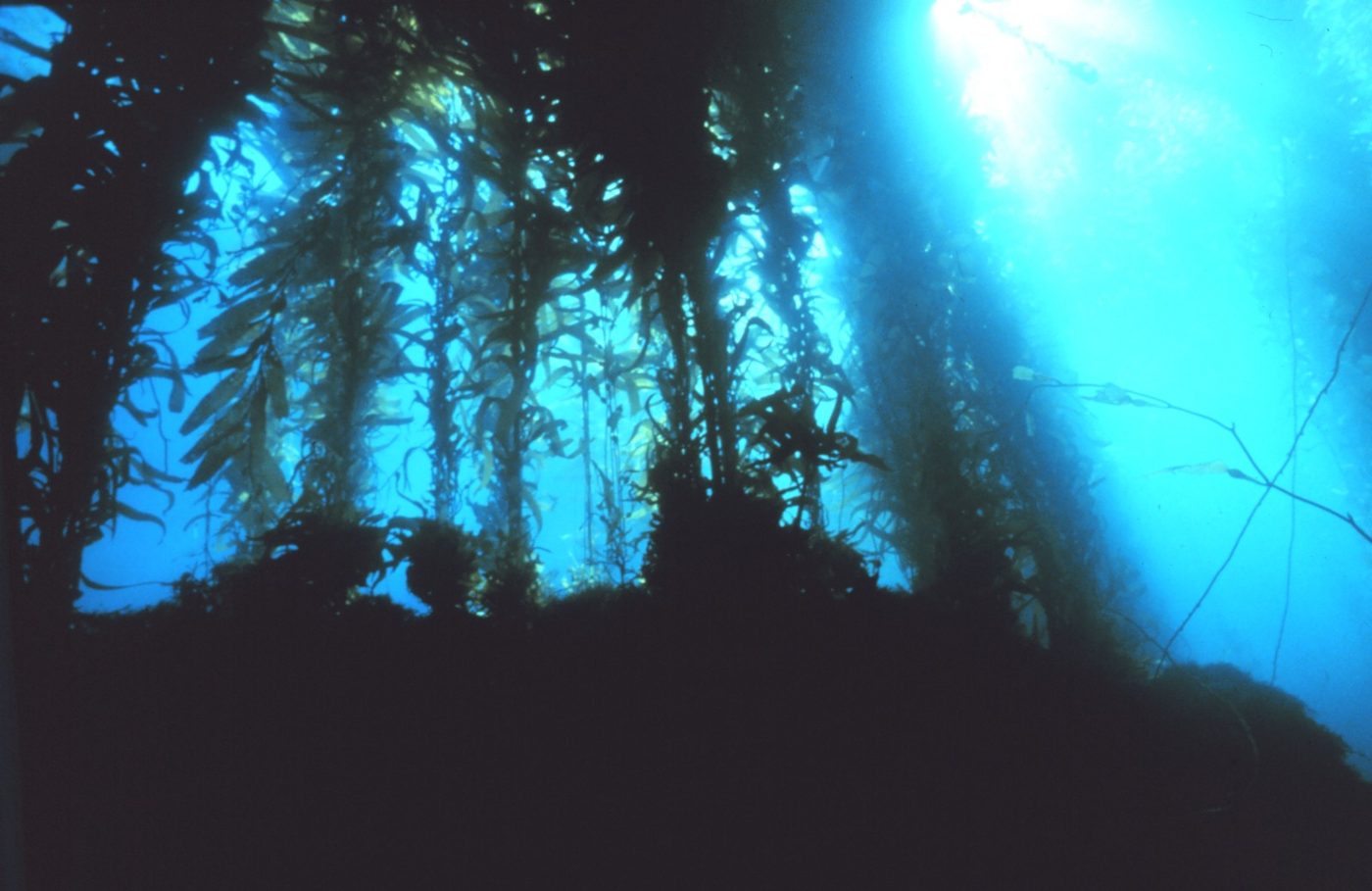
In ideal conditions, kelp can grow up to 18 inches in a single day. Kelp forests provide food and shelter for thousands of species, NOAA says.
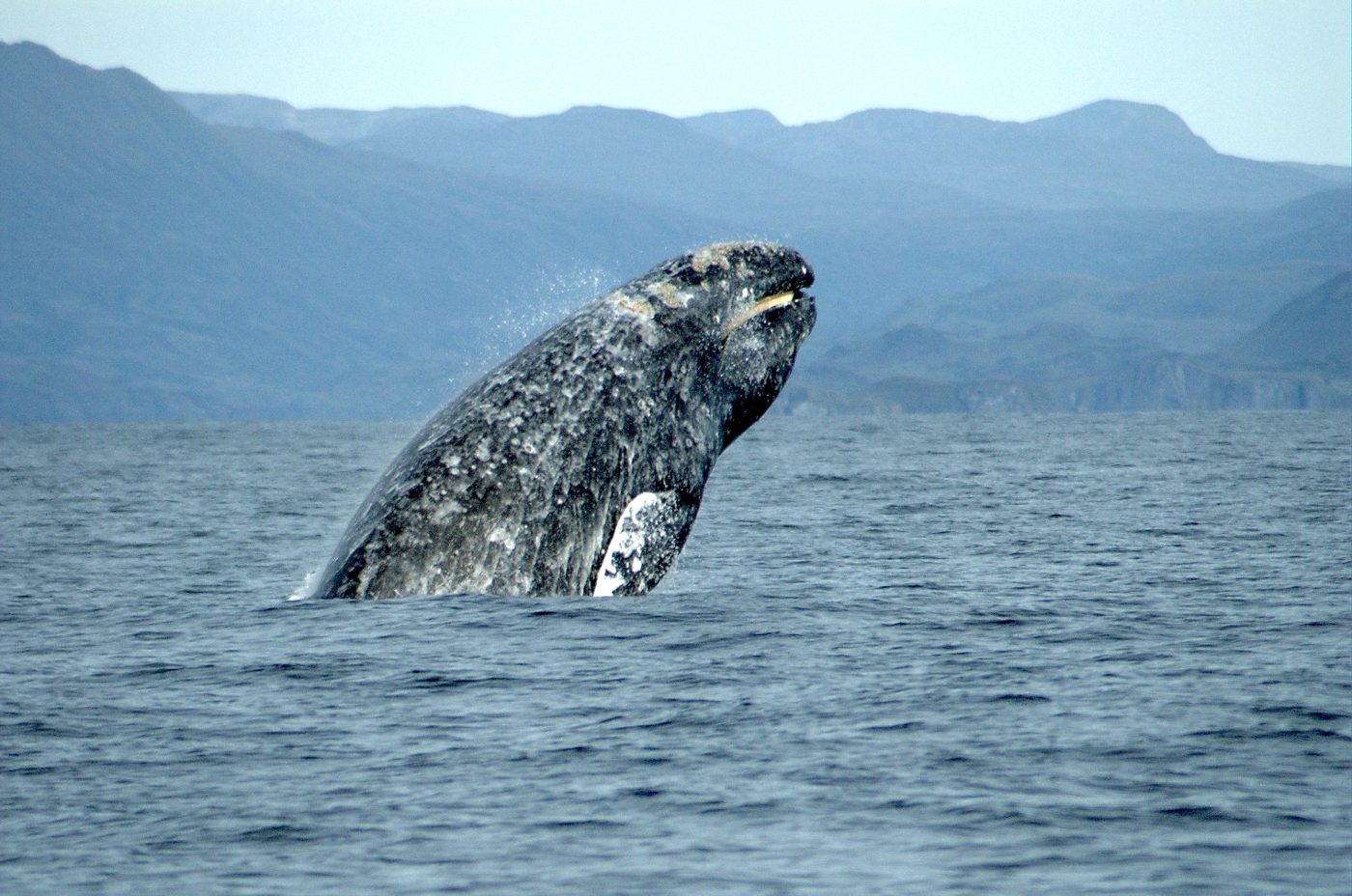
Gray whales travel about 10,000 miles round-trip every year, and some go more than 14,000, one of the longest annual migrations of any mammal, NOAA says.