While the world's glaciers shrank, Alaska's Taku Glacier grew — gaining mass and advancing every year from 1946 to 2018.
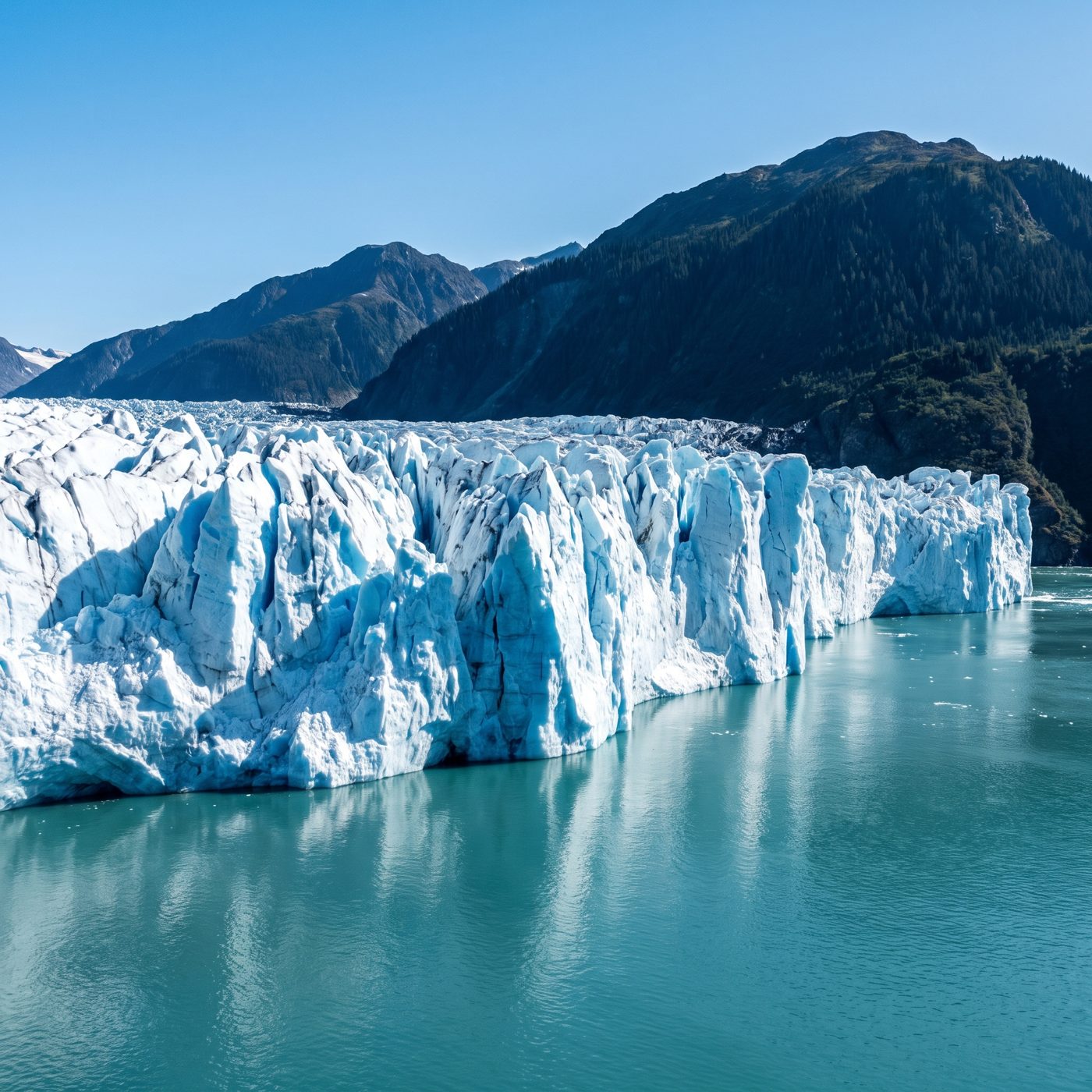 ILLUSTRATION · AI
For seven decades the tidewater Taku Glacier in southeast Alaska grew instead of shrank, gaining mass at +0.25 meters of water-equivalent per year from 1946 to 2018 — until it too began to retreat.
For most of the past century, while glaciers around the planet melted back, one Alaskan giant did the opposite. Taku Glacier, a tidewater river of ice near Juneau, advanced and thickened year after year from 1946 through 2018, gaining mass at an average rate of +0.25 ± 0.28 meters of water-equivalent per year. Just a few miles away, the land-terminating Lemon Creek Glacier lost mass at –0.60 meters per year — a textbook example of the global retreat. Two glaciers, nearly the same weather, opposite fates.
That contrast is the whole story, and it comes from one of the longest continuous glacier records on Earth. Measurements at Taku and Lemon Creek stretch back to the 1940s, maintained across generations of fieldwork, and in 2020 a team led by Christopher McNeil of the U.S. Geological Survey reanalyzed the entire dataset in the *Journal of Glaciology*. Their paper, pointedly titled "Explaining mass balance and retreat dichotomies at Taku and Lemon Creek Glaciers, Alaska," set out to answer a simple question: how could two neighbors behave so differently?
Why did Taku Glacier grow when others shrank?
The answer lies in what happens at a glacier's front. Lemon Creek ends on land, so its size responds directly to temperature and snowfall — warm decades melt it back. Taku, by contrast, is a tidewater glacier, and tidewater glaciers run on their own clock. They flow forward until their terminus grinds into deep water and starts calving icebergs, then retreat rapidly, then slowly rebuild and advance again over centuries. This "tidewater glacier cycle" can keep an ice mass growing even as the climate warms around it.
Taku had been in the advancing phase for most of the twentieth century. As McNeil and colleagues describe, the glacier pushed its terminus forward until it plowed up a protective wall of sediment — a submarine moraine — that shielded its front from the deep water that drives calving. Insulated from the sea, Taku kept building. The USGS record breaks the trend into phases: strong growth of +0.56 meters per year from 1948 to 1989, near-equilibrium from 1989 to 2013, and then a sharp reversal.
What changed after 2013
Around 2013, the arithmetic flipped. Taku's mass balance turned negative, losing roughly –0.84 meters of water-equivalent per year in the years that followed. Writing in *Eos* in 2021, McNeil's team reported that the glacier had begun thinning at about 1.3 meters per year and that its terminus was pulling back from the moraine it had spent a century building. After decades of defying the global trend, Taku had joined it.
The vivid detail is that moraine itself — a ridge of ground-up rock the glacier bulldozed ahead of its own advance, then relied on for protection. For years it was the reason Taku could keep growing. Now, with the ice thinning and the front retreating off that ridge, the same tidewater physics that let Taku buck the trend threatens to accelerate its loss, because a retreating terminus can slide back into deep water where calving takes over.
That is the seam worth arguing over. The 2020 reanalysis and the 2021 update frame Taku's turn as the likely onset of a rapid calving retreat — the destructive back half of the tidewater cycle. But whether the glacier tips into a fast, unstoppable collapse or merely thins for a while longer depends on the shape of the seafloor beneath its front and on how much warming the coming decades deliver, neither of which is fully mapped. Taku spent seventy years as the exception. What kind of retreat it becomes is still being written.
More facts
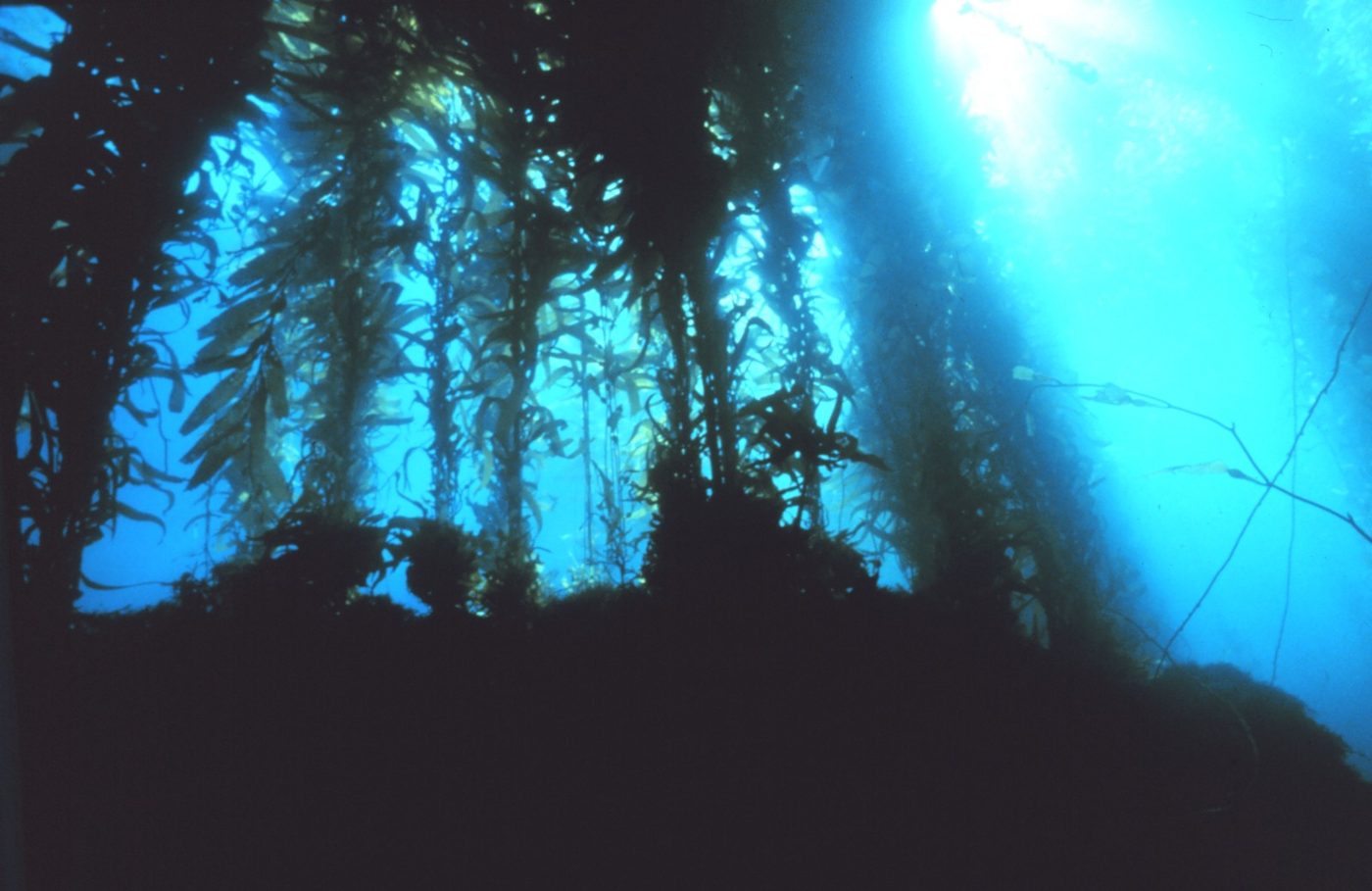
In ideal conditions, kelp can grow up to 18 inches in a single day. Kelp forests provide food and shelter for thousands of species, NOAA says.
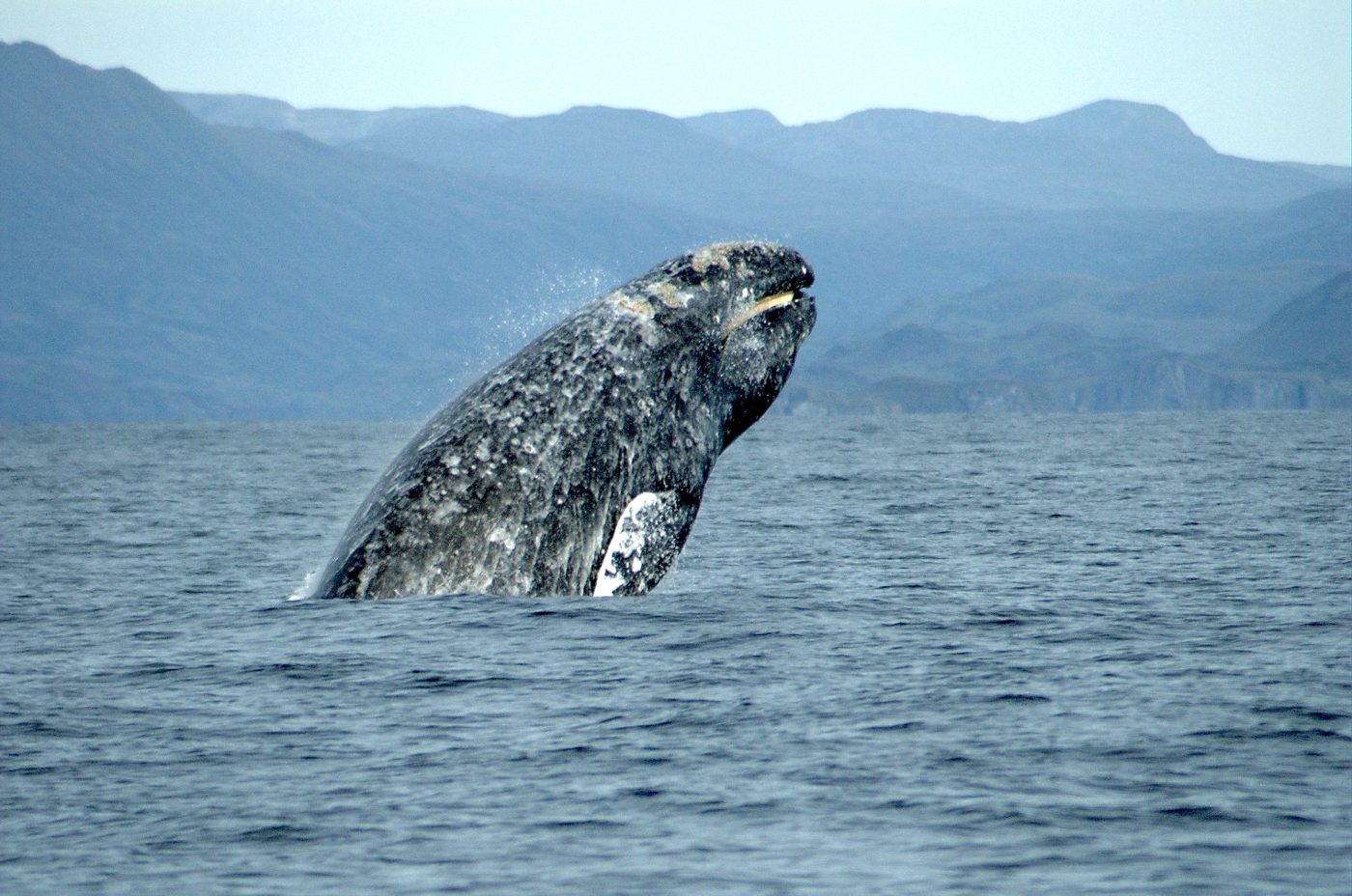
Gray whales travel about 10,000 miles round-trip every year, and some go more than 14,000, one of the longest annual migrations of any mammal, NOAA says.