Pando, one aspen "forest" of 47,000 trunks, is a single organism — and it stopped replacing itself 30 to 40 years ago.
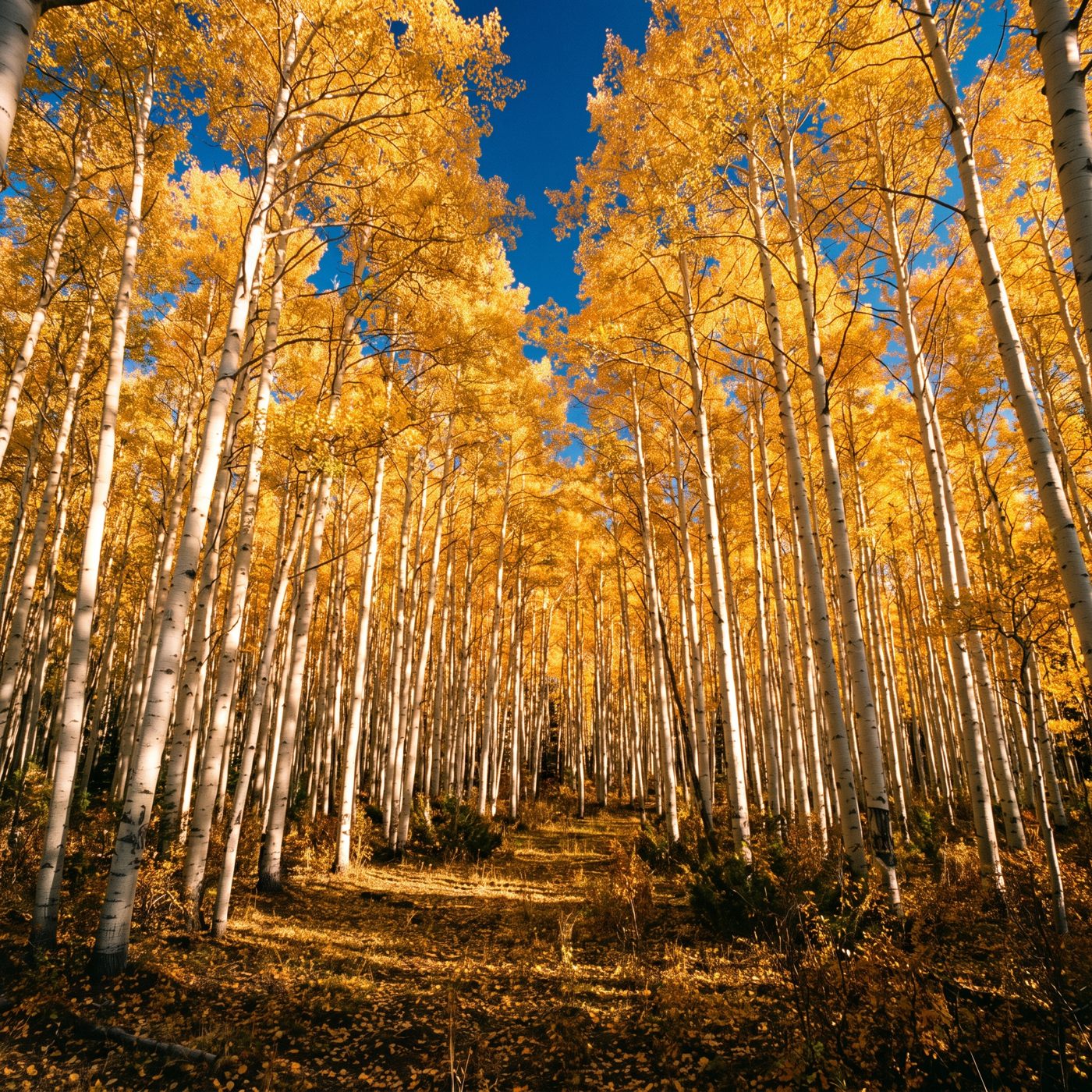 ILLUSTRATION · AI
Pando, a 43-hectare stand of some 47,000 genetically identical aspen trunks in Utah, is a single organism that stopped replacing its own stems 30 to 40 years ago.
Walk into a certain grove in Fishlake National Forest, Utah, and you are not standing among 47,000 trees. You are standing inside one tree. The white-barked trunks — botanists call them ramets — are all shoots of a single quaking aspen (*Populus tremuloides*), genetically identical, joined by one shared root system spread across 43 hectares, roughly 106 acres. Its name, Pando, is Latin for "I spread." And that spreading has stalled: the organism largely stopped replacing its own dying trunks three to four decades ago.
That finding comes from Paul Rogers and Darren McAvoy of Utah State University, in a study published in *PLOS ONE* in October 2018. To measure a slow-motion failure, they needed a way to look backward in time. They assembled a chronosequence — a sequence of historic aerial photographs — to track the canopy across the decades, then paired that overhead view with ground plots inside the clone. The record showed a decline in Pando's self-replacement beginning 30 to 40 years before the study, meaning roughly the late 1970s and 1980s.
Why is Pando failing to replace itself?
An aspen clone renews itself from below. When an old trunk dies, the root network sends up fresh suckers to take its place, so the whole organism can persist for centuries — some estimates put Pando in the thousands of years. That cycle only works if the young shoots are allowed to grow tall enough to become trunks.
In Pando, they are not. Rogers and McAvoy's plot data pointed to browsing by mule deer (*Odocoileus hemionus*) as a key impediment to regeneration. Deer clip the tender new suckers before they can escape reach, so the next generation of stems is eaten off at knee height year after year. The old trunks keep dying; almost nothing rises to replace them. The Utah State University news release accompanying the paper described the browsing as effectively eliminating the clone's next generation of stems.
The vivid detail is in the fences. Within the study, areas that had been protected from browsing behaved differently from open ground — fenced sections showed real regeneration, while the unprotected majority of the clone did not. The contrast made the culprit hard to argue with: give the suckers a barrier, and Pando begins to rebuild itself; leave them exposed, and the aging canopy thins toward collapse.
How do we know Pando is one organism?
The single-organism claim rests on genetic and dendrochronological survey work: samples across the stand share one genotype, and the trunks connect through a common root system. That is what makes Pando's plight unusual and, in a sense, tragic on a single-life scale. This is not a forest losing scattered members. It is one very old individual failing to heal its own wounds.
The seam still open to argument is what to do about it, and how much of the decline belongs to the deer alone. Mule deer thrive partly because human management has thinned the predators and altered the range that once kept herds moving. Cattle graze parts of the area too. Fencing works, but fencing the whole 106 acres changes the meaning of "wild," and a fence maintained forever is a commitment measured against an organism that may predate agriculture.
So the question Rogers and McAvoy leave is less biological than moral: if one of the largest and oldest living things on Earth is quietly starving for lack of new growth, and the fix is a fence and a decision about how many deer a landscape should hold, who is responsible for keeping Pando alive — and for how long?
More facts

The deepest point of Challenger Deep isn't 10,994 m — that's a 2011 press figure. The peer-reviewed 2022 survey measured 10,924 m.
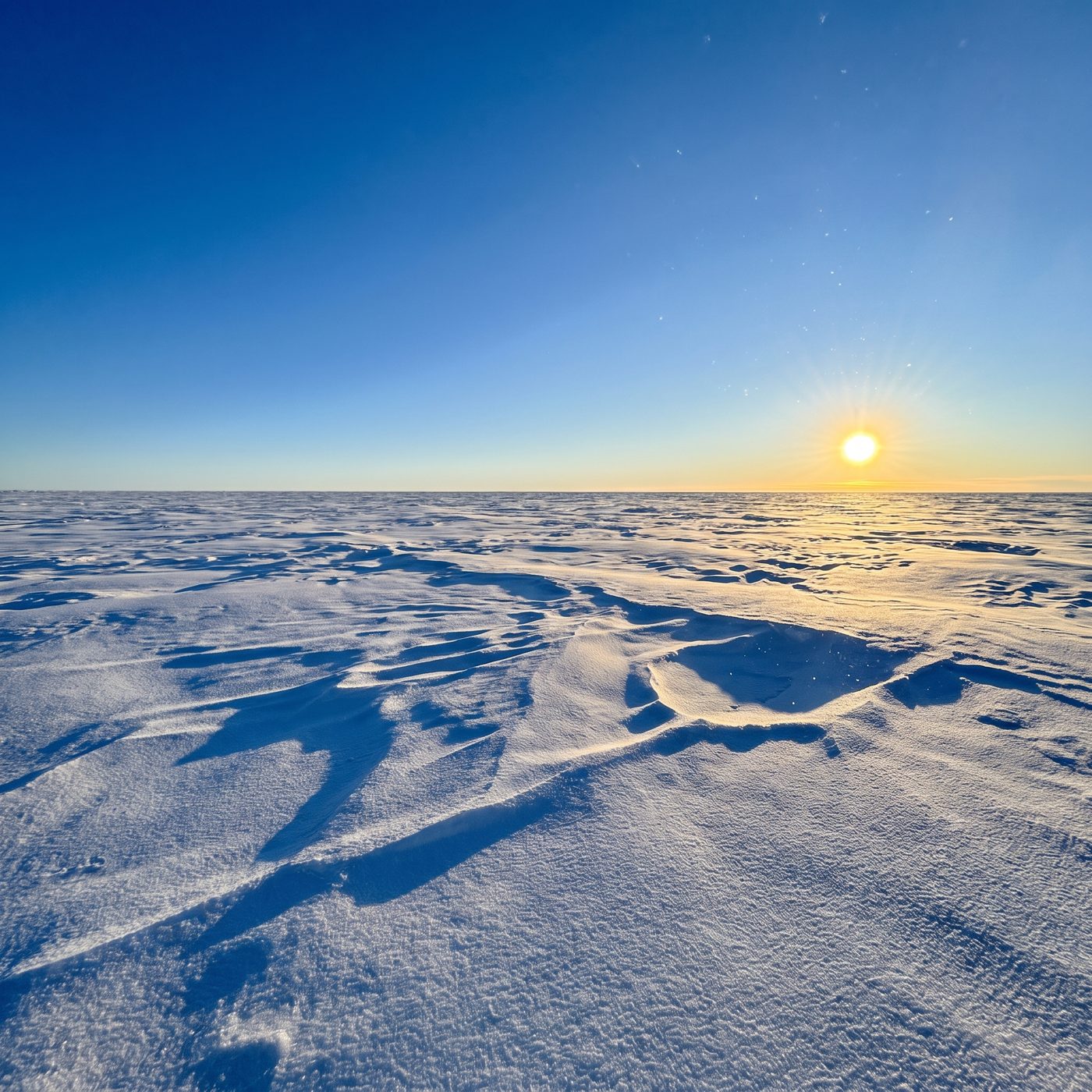
Satellites clocked −135.8°F on the East Antarctic Plateau in 2010 — colder than any thermometer has ever officially measured on Earth.